Conversations about the cost of fire damage restoration in Malibu are often really conversations about scope, complexity, and timing. In the wake of a fire, what you are trying to buy is certainty—the assurance that damage is contained, hidden problems are uncovered, and your home is restored to a safe, comfortable standard. Malibu’s coastal climate and distinct building styles can add layers of nuance to these considerations, which is why understanding the drivers of cost is as important as any line item on an estimate.
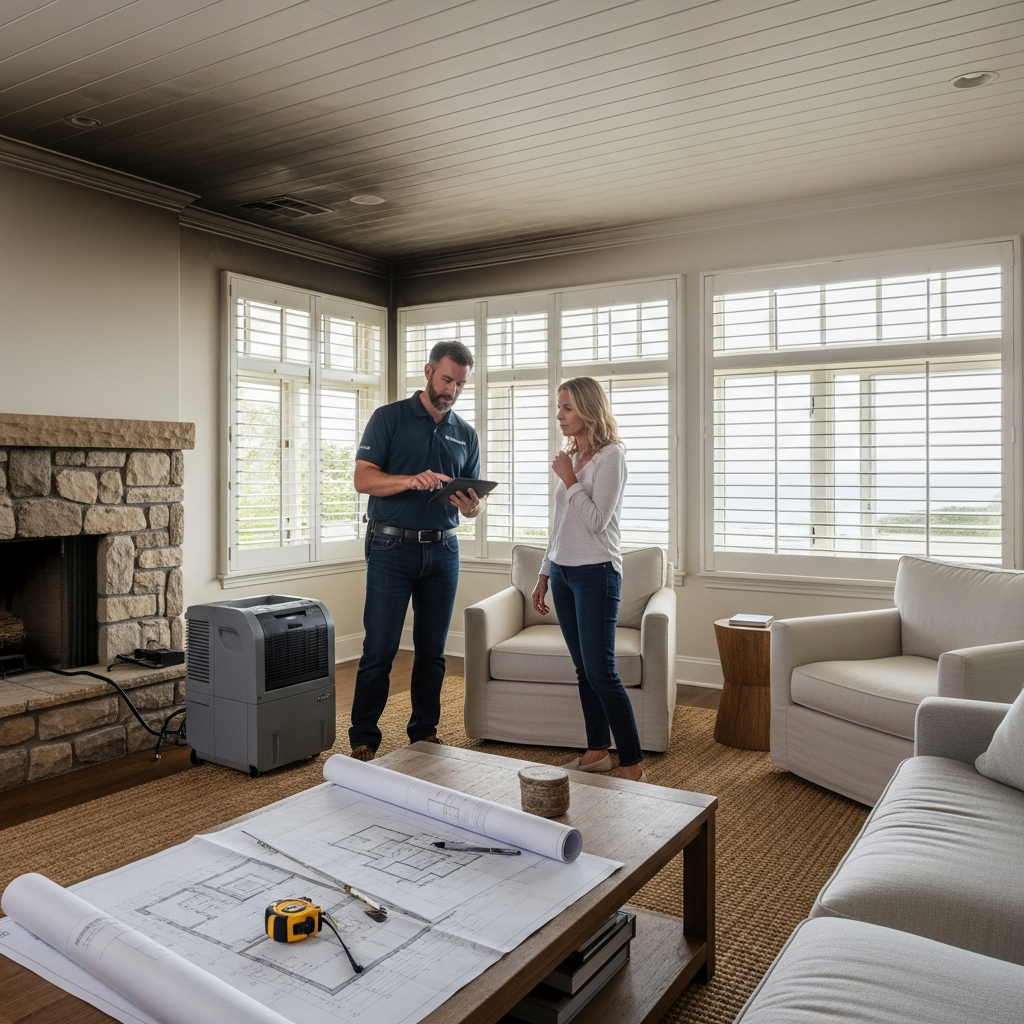
Let us start with context. In Malibu, a single event can create overlapping categories of damage: direct heat impact, smoke and soot infiltration, and water saturation from suppression efforts. The architecture that makes our community beautiful—large glass expanses, open ceilings, custom millwork, and mixed-material finishes—also shapes how smoke travels and where residues settle. A qualified team will begin with a detailed inspection to determine the extent of impact, because the map of what is affected becomes the blueprint for an accurate plan. Early alignment with a skilled fire damage restoration partner helps transform worry into a structured, transparent process.
What Shapes Restoration Investment in Malibu
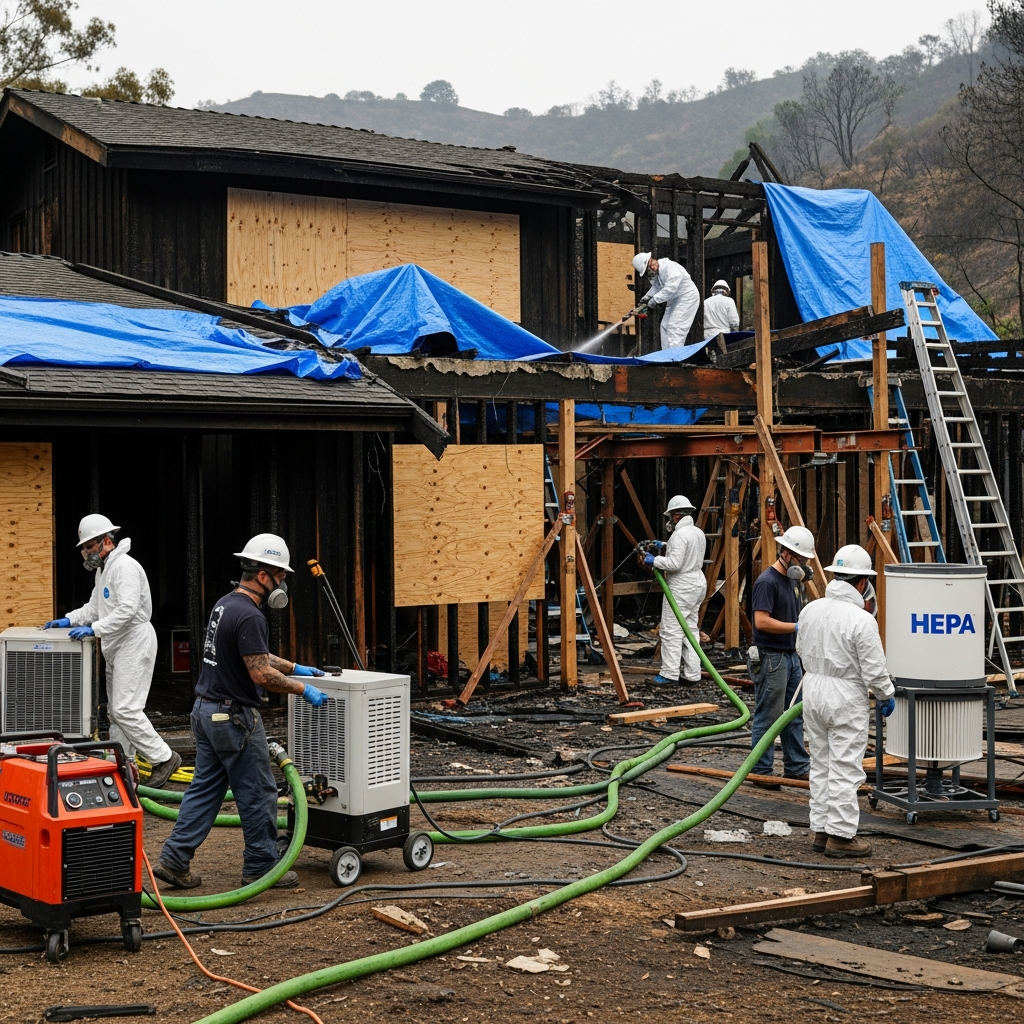
Think of restoration as a series of stages, each influenced by the specific conditions in your home. Safety and stabilization come first: utilities are assessed, unsafe zones are secured, and initial soot removal begins. If windows are broken or a roof is compromised, temporary protection prevents coastal moisture from adding insult to injury. Documentation at this stage—photos, notes, moisture readings—is not merely administrative; it justifies the necessary work to your insurer and supports the continuity of the project.
Next, the size and complexity of the affected area play a significant role. A small kitchen fire might have far-reaching smoke effects if the HVAC was running, dispersing soot into ducts and distant rooms. Conversely, a larger burn area confined to a detached structure may limit intrusion into living spaces. Malibu’s multi-level homes, hillside lots, and tight access roads can influence the logistics of crew movement and equipment placement, which, in turn, can affect timelines and coordination among trades.
Smoke and Soot: The Invisible Multipliers
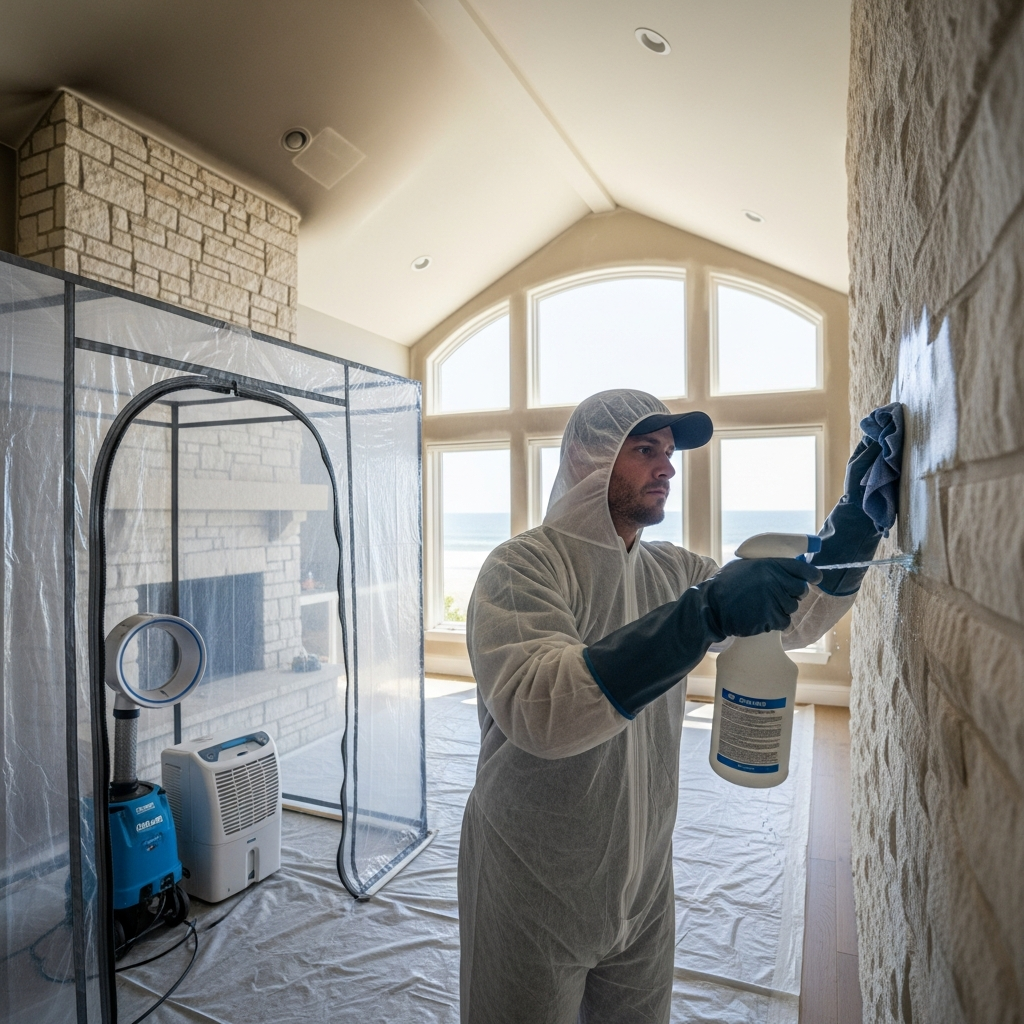
Smoke residues vary widely—dry soot, oily soot, protein residues—and each demands a tailored approach. Delicate surfaces like natural stone, fine wood finishes, and artisan tiles require neutral cleaning agents and minimal moisture to avoid etching, swelling, or staining. If residues have settled into insulation, behind baseboards, or within cabinet cavities, targeted removal is necessary to eliminate the odor at its source. The scope of deodorization often expands as inspection reveals hidden pockets of contamination, which is a common dynamic in open-plan Malibu homes where airflow moves freely between indoor and outdoor spaces.
It is also essential to consider corrosion risk. In our marine environment, even light soot can become aggressively corrosive on metal fixtures and electronics. Prompt, specialized cleaning mitigates that risk and preserves materials that might otherwise degrade over time. This preventive mindset is not only about immediate results; it is about ensuring that you do not experience lingering issues months later.
Water and Moisture Management
Any time sprinklers activate or firefighters use hoses, water becomes part of the restoration equation. Standing water is extracted, wet materials are assessed, and a drying plan is implemented. Malibu’s humidity and temperature swings can slow drying if not managed carefully, so containment, dehumidification, and directed airflow are set up to achieve scientifically verifiable moisture targets. Drying is measured, not guessed at, using meters and thermal imaging to find moisture trapped behind walls, under cabinets, or beneath flooring. The thoroughness of this phase protects against secondary damage and sets the stage for successful repairs.
Contents and Specialty Items
Your belongings carry both practical and emotional value, and addressing them is often a major component of the project. Textiles, artwork, electronics, and custom furnishings may need specialized cleaning methods. Pack-out services—where items are inventoried, transported, and treated off-site—bring order to a chaotic situation and enable faster progress on the structure. In Malibu, where unique collections and high-end interiors are common, the expertise required to handle contents correctly can be the difference between successful restoration and disappointing loss.
Insurance, Documentation, and Alignment
Clear documentation supports the rationale behind every step. Insurers respond to data: moisture readings that justify dehumidification, air quality concerns that inform deodorization, and material assessments that lead to selective removal. Where building codes or environmental rules intersect with your project, those considerations also become part of the plan. Staying engaged with your team keeps the estimate, scope, and timeline aligned with your goals and the practical realities of the home.
It is normal for the plan to evolve as the work reveals more information. Rather than viewing scope changes with suspicion, consider how they reflect the honest dynamics of a complex environment. Effective communication makes those adjustments feel like progress, not surprises.
Local Nuances That Influence Planning
Malibu’s coastal influence can speed up corrosion and complicate odor control. Steep driveways and narrow canyon roads may affect equipment delivery and staging. Homes that blend old and new construction can hide smoke movement through unexpected pathways. These realities are not obstacles so much as features to be respected and planned for. A restoration team with local experience will calibrate strategies to the microclimate and the architecture, from controlling ventilation to protecting vulnerable finishes during cleaning and drying.
Timing matters, too. Starting promptly helps reduce secondary damage, especially where moisture is involved. Prompt engagement with a capable fire damage restoration provider ensures that decisions are made with a full understanding of how one phase affects the next, avoiding rework and delay.
From Estimate to Completion
An estimate is a snapshot based on the best available information at the time. As demolition reveals concealed conditions or as deodorization identifies pockets of persistent odor, the scope may adjust. This is not a sign of inefficiency; it is the hallmark of a team that is attentive to details and committed to lasting results. The measure of a good plan is not that it never changes, but that it adapts with transparency and purpose.
As you move from mitigation to repairs, the focus shifts to craftsmanship. Malibu homeowners often seek to restore not just function, but the aesthetic authenticity of their spaces—light, texture, and harmony with the landscape. That requires careful sequencing of trades, protection of cleaned areas, and clear communication so that the final product feels cohesive and complete.
Staying Centered Through the Process
It is understandable to feel overwhelmed by the technical language and the number of decisions. A helpful practice is to reframe the conversation from “cost” to “value.” What you want from restoration is safety, health, and confidence that the home will feel like home again. Each phase—stabilization, cleaning, deodorization, drying, and repair—should contribute visibly to those outcomes. If a step does not clearly support the end goal, ask for an explanation. Good partners will welcome the question and translate the technical into the practical.
Even small wins matter: a space that no longer smells smoky, a room cleared of debris, a day when moisture targets are met. These markers are the steady drumbeat moving you forward, and they remind you that recovery is not abstract—it is a series of concrete, measurable improvements.
Frequently Asked Questions
Can I get an accurate estimate before mitigation starts?
You can receive a preliminary estimate, but the truest picture emerges after mitigation reveals hidden conditions. Responsible teams explain contingencies up front and refine the scope with new information, ensuring that the plan remains grounded in what the home actually needs.
What factors most influence the overall investment?
The extent of smoke infiltration, presence of water damage, complexity of deodorization, and the materials and finishes involved all play major roles. Access challenges and the need for specialty contents care can also shape timelines and logistics.
How does insurance interact with the plan?
Insurance often covers reasonable measures to prevent additional damage and restore the property. Thorough documentation supports approvals. Open communication between your restorer and adjuster helps align expectations and reduces delays.
Why do odors sometimes return after initial cleaning?
Odors persist when source materials—like insulation or hidden cavities—retain residues. Effective deodorization addresses both the air and the materials where contaminants reside. If odors resurface, the team revisits the space, identifies the reservoir, and treats it directly.
What can I do to help the process stay efficient?
Stay engaged, ask for regular updates, and ensure quick access for crews. If pack-out is recommended, approving it early can accelerate structural work. Clear communication about priorities—belongings, rooms, and routines—helps the team tailor the plan to your life.
When you are ready to move forward with clarity and confidence, choose a local partner who addresses immediate needs and plans for lasting results. Begin the conversation with professionals focused on health, safety, and craftsmanship—reach out to trusted experts in fire damage restoration who will guide you from first assessment to a home that feels truly restored.