When a fire breaks out in Malibu, the experience can feel both surreal and devastating. The coastal air carries the scent of smoke farther than you expect, and even homes spared from flames can suffer lingering soot, ash, and moisture. In the immediate aftermath, you are grappling with safety concerns, family needs, and the confusion of next steps. As a local familiar with the rhythms of canyon winds, seasonal fire weather, and the unique architecture that defines our ocean-view neighborhoods, I can tell you that a clear, calm plan in those first hours delivers confidence and makes a measurable difference in how quickly a property stabilizes.
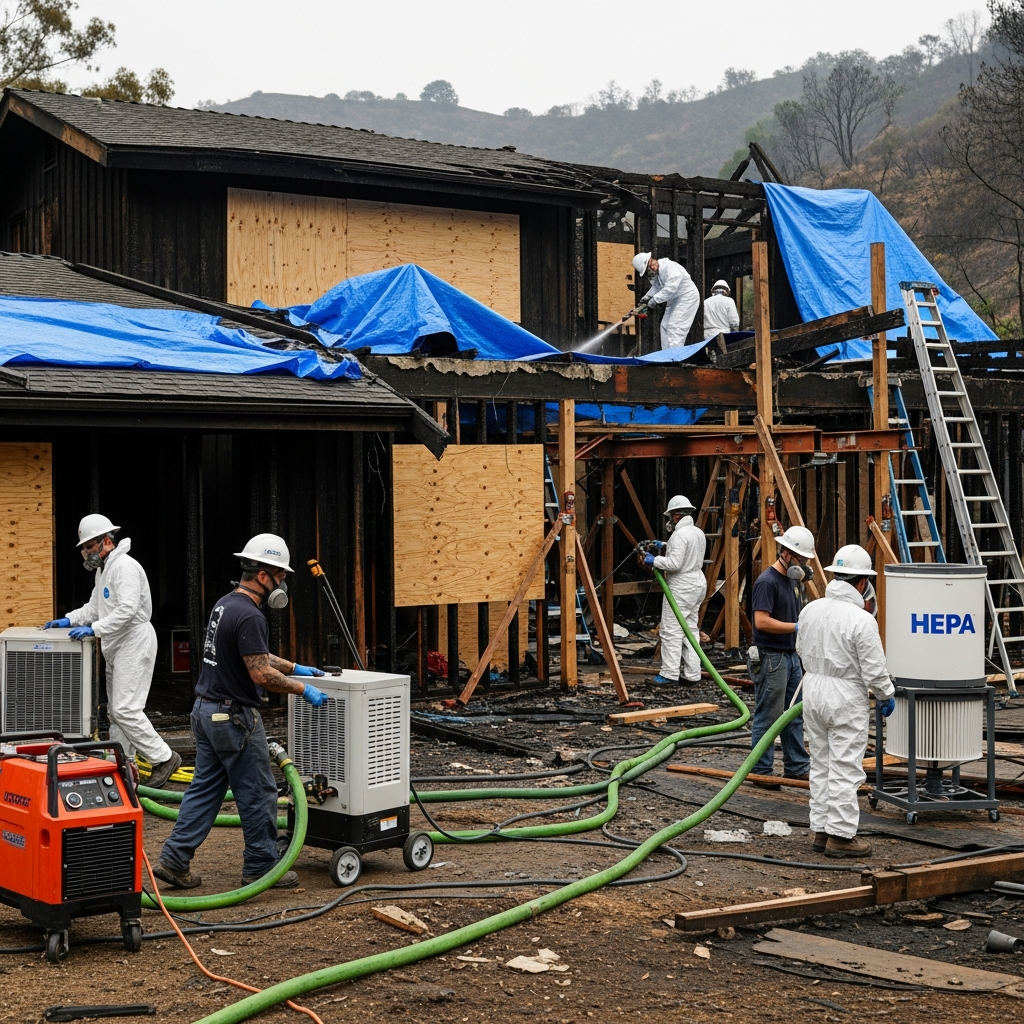
Emergency response is about more than boarding up a window or setting a few fans. Malibu’s terrain, from the tight curves of Latigo Canyon to the beachside stretches of Malibu Road, demands swift coordination. Trusted crews arrive ready to assess utilities, secure unsafe areas, and begin immediate mitigation. It is also the moment to lean on expert fire damage restoration, because the earliest choices—how soot is handled, what gets removed, and how moisture is addressed—can determine whether odors linger for months or if corrosion silently eats away at fixtures and electronics.
Understanding Emergency Fire Damage in Malibu
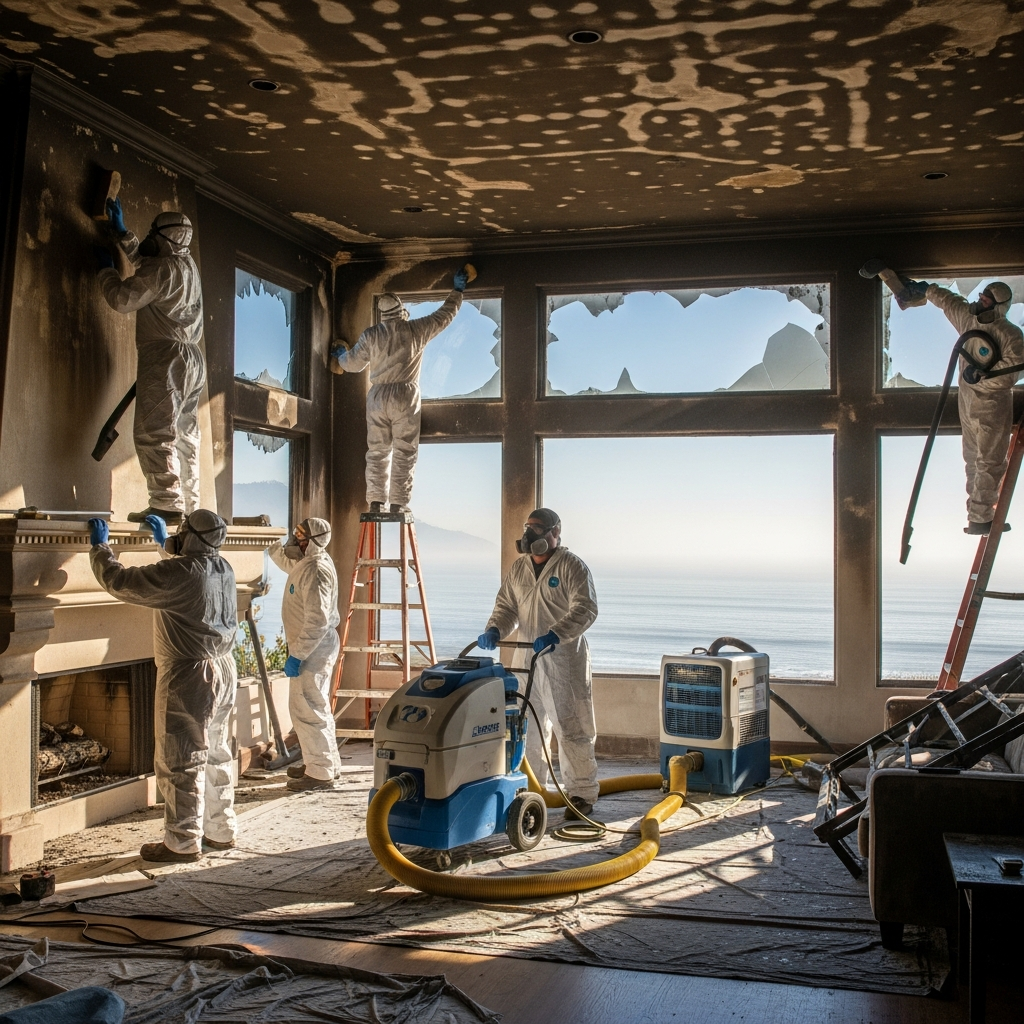
Not all fire damage looks the same. In Malibu, we often see a combination of direct flame impact, heavy smoke infiltration, and secondary water damage from firefighting efforts. Homes that sit closer to the bluff can experience accelerated corrosion due to salty marine air mixing with acidic soot residues. Spanish tile roofs may hide ember intrusion, while modern glass walls and open-plan designs create pathways for smoke to travel broadly through a structure. These details matter because smoke residues vary—some are oily and smear when touched; others are dry and powdery—so cleaning methods must be matched to the residue type, surface porosity, and the ventilation patterns of the property.
Equally important is understanding the invisible. A property can look dusty but stable while acidic compounds work on fixtures, wiring, and metal hardware. Without timely neutralization, pitting and discoloration can begin within hours. That is why emergency restoration prioritizes a thorough inspection of HVAC systems, concealed cavities, and areas that seem untouched, including cabinets, closets, and behind wall plates, where soot can quietly settle.
The First 24 Hours: Stabilization and Safety
Those first 24 hours set the tone for the entire restoration. Safety is step one: gas and power are evaluated, structural integrity is checked, and entry points are secured. Once safe access is confirmed, technicians document conditions comprehensively—photographs, notes, and moisture readings form the backbone of your claim and guide the work plan. In Malibu, where many homes feature custom finishes, imported materials, and bespoke millwork, clear documentation ensures that replacements and repairs reflect the home’s original character.
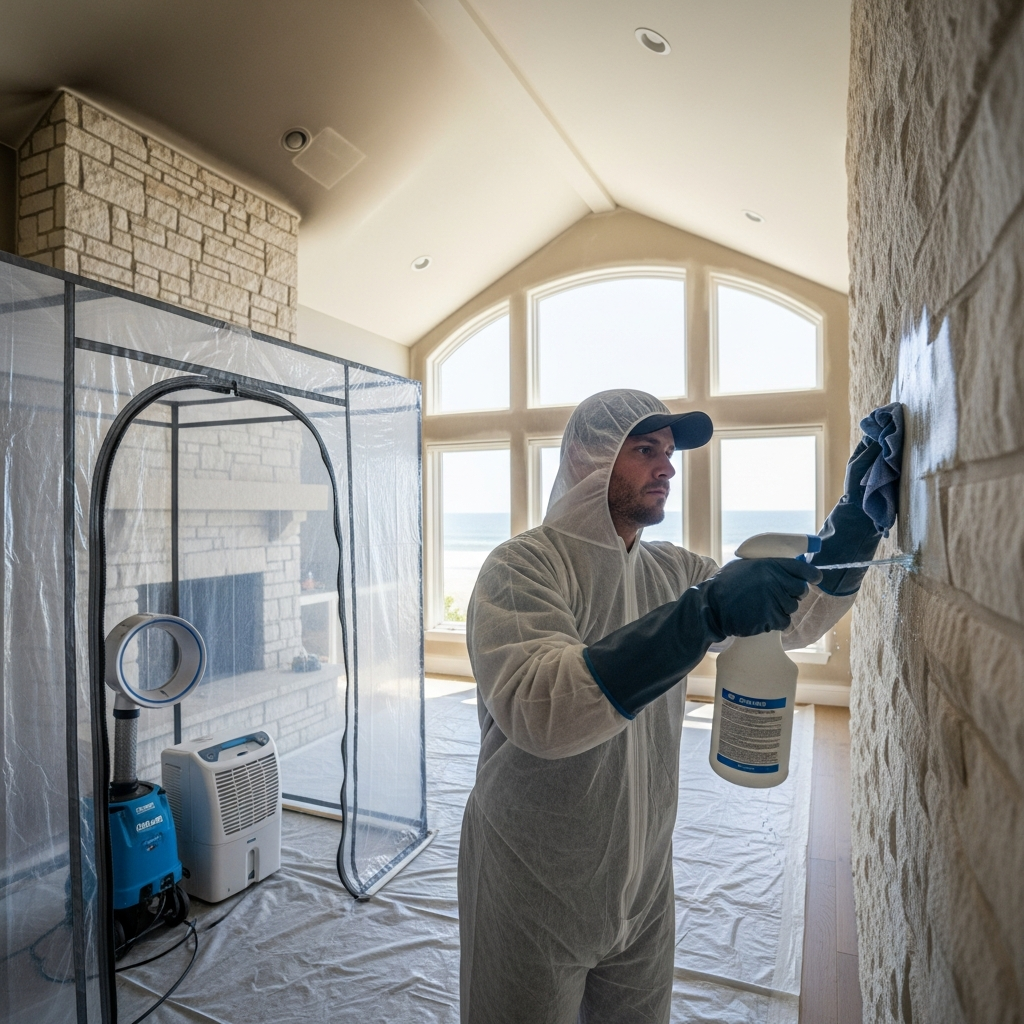
Next comes mitigation. Crews focus on stopping ongoing damage—extracting standing water, setting targeted dehumidification, and isolating affected zones to control cross-contamination. If windows or doors have been compromised, temporary enclosures help protect interiors from coastal humidity and overnight temperature swings that can increase condensation inside the structure. Porous materials saturated with soot, like certain textiles, may be removed early to prevent deeper odor absorption.
Smoke, Soot, and Odor: The Malibu Reality
Smoke in Malibu travels unpredictably due to terrain and coastal airflows. You might find a relatively clean living room while an upstairs hallway bears heavy soot. Effective emergency restoration recognizes how pressure differentials send smoke into stairwells and attics, where residues embed into framing. Cleaning here is meticulous: dry sponging to lift dry soot without smearing, followed by specialized detergents to emulsify oily residues. On stone, tile, or glass, neutral pH solutions may protect delicate finishes, while wood demands products that lift soot without over-wetting, minimizing the risk of swelling or stain migration.
Odor control is strategic, not cosmetic. Ventilation and negative-air machines help expel contaminated air while HEPA filtration captures fine particulates. In many Malibu homes, the HVAC becomes a highway for smoke; changing filters and cleaning ducts is essential, as is addressing insulation that absorbed odor. Technology like hydroxyl generators can work safely around contents and even occupants during some phases of restoration, gradually neutralizing malodors without the harsher restrictions of ozone treatments. Every choice is tailored to the specific environment and the family’s needs.
Water After Fire: The Hidden Challenge
When firefighters do their job, water and foam saturate walls, floors, and subfloors. Left unaddressed, that moisture can lead to microbial growth and structural distortion. Emergency restoration includes aggressive water extraction, careful removal of wet building materials where necessary, and a drying strategy designed around the property’s layout. Malibu’s coastal humidity can slow drying if unmanaged, so technicians create contained environments with dehumidifiers and directed airflow to reach target moisture levels. It is not merely about speed; it is about stability, ensuring that finishes like wood floors, custom cabinetry, and stone surfaces are protected from warping, spalling, or salt efflorescence.
It is common to discover moisture in unexpected places: behind toe-kicks, within wall cavities, or underneath tile set on mortar. Thermal imaging and moisture meters reveal the path of water so that the drying plan is accurate. Addressing this early curbs long-term damage and preserves what can be saved.
Contents, Textiles, and Valuables
Contents tell the story of a home: art collected over years, surfboards lined along the garage wall, heirlooms in the study. Smoke does not respect sentimentality, but a careful triage can. Items are grouped by condition and material, with quick decisions about what to clean on-site versus what to pack out. For Malibu residents with collections or specialty pieces, this is where a qualified contents team shines, using methods appropriate to textiles, paper, electronics, and delicate finishes. Soft goods may undergo ozone-free deodorization and laundering with advanced detergents; electronics might be detailed with anti-corrosive treatments; artwork can be stabilized with guidance from conservation professionals.
Pack-out services often become the bridge between chaos and clarity. Cataloging, labeling, and secure transport allow the structure to be treated more efficiently while your possessions are safeguarded. This phase builds momentum toward normalcy and gives you a concrete sense that the home is progressing toward recovery.
Working with Insurance and Documentation
Insurance coordination is a practical necessity, but it can also feel like an additional stressor after a fire. Detailed, time-stamped documentation protects you. Adjusters appreciate clarity: why a certain wall needs removal, how moisture readings justify dehumidification, what tests indicate smoke infiltration in ducts. In Malibu, many policies also consider high-end materials, out-of-code situations, and environmental requirements, so a well-documented file helps justify the correct methods and replacement standards. Stay engaged, ask questions, and rely on your restoration team to communicate the technical story of your loss plainly and persuasively.
It is okay to have emotions attached to decisions about contents or finishes. A thoughtful restorer recognizes that restoration is as much about people as it is about buildings and will guide choices that honor both the property and the family’s sense of home.
Local Conditions and Building Science
Malibu presents unique building science puzzles. The push-pull of marine layers and afternoon winds means ventilation strategies must be tuned in real time, not guessed at. Salt in the air interacts with soot to create aggressive corrosives. The varied ages of homes—from original beach cottages to ultra-modern retreats—mean assemblies differ, and so do the ways smoke and moisture behave within them. An experienced emergency restoration team knows when to remove versus restore, where to open a wall, and how to protect the home’s character while safeguarding health and structural integrity.
Just as vital is communication with local building officials and, when needed, environmental consultants. If air quality testing is appropriate, it should be done purposefully, with results used to refine the scope rather than add confusion. Alignment between science, code compliance, and homeowner comfort creates a smoother path to reconstruction.
From Emergency to Rebuild
Emergency work is the beginning, not the end. After stabilization, deodorization, and drying, the project transitions to repair and rebuilding. Malibu homeowners typically aim to retain the aesthetic that drew them to the property in the first place—sunlight, texture, the interplay of indoor and outdoor living. Good planning now pays off later: choose compatible materials, account for lead times, and schedule trades with an eye toward efficiency. By then, it has been weeks since the fire, and the emotional urgency softens into determination to finish well. Your home deserves that patience and attention.
Midway through a restoration, it is common to reassess the plan and make refinements as more information becomes available. It is also the right time to double-check that the techniques used for cleaning and deodorizing are still aligned with results. When in doubt, ask your team to explain the reasoning behind every step and how it serves the larger goal of complete, lasting recovery supported by expert fire damage restoration.
Preparedness and Peace of Mind
Though no one wants to think about it, taking notes during the process builds your own playbook for the future. You will learn where shut-offs are, what ventilation strategies worked, and which building features channeled smoke. You may decide to add attic ember guards, improve defensible space, or upgrade alarms. Preparedness is not an admission of fear; it is a commitment to resilience in a community that understands the power and beauty of living at the edge of the Pacific.
Just as neighbors support one another in times of crisis, your restoration team should support you with clear communication, respect for your space, and a steady cadence of progress updates. Every day of effective mitigation shortens the road home.
Frequently Asked Questions
How soon should emergency restoration begin after a Malibu fire?
As soon as the property is declared safe for entry, mitigation should begin. Early actions—securing openings, extracting water, addressing soot—prevent secondary damage like corrosion, odor entrenchment, and microbial growth. In Malibu’s coastal climate, quick stabilization is especially important because humidity and salt can exacerbate damage.
Is it safe to clean smoke residues myself?
Light surface dust might be manageable, but most smoke residues require specialized methods. Using water on oily soot can smear and set stains. Without the right PPE, occupants may also be exposed to irritants. A professional approach tailors cleaning to the residue type and the surface being treated.
Why is my house still smoky even if the fire was small?
Smoke spreads far beyond burn areas, carried by temperature differences and pressure changes. HVAC systems can distribute particulates into distant rooms and even closets. Effective deodorization targets the source—insulation, ducts, framing—alongside air filtration and controlled ventilation.
What happens to my belongings during emergency work?
Contents are assessed, documented, and grouped for on-site cleaning or pack-out. Items that are fragile, heavily affected, or valuable may be transferred to a secure facility for specialized treatment. Inventory records and photographs track each piece to ensure a smooth return.
How long does emergency restoration take?
The emergency phase focuses on stabilization and can range from several days to a few weeks, depending on the extent of smoke and water damage. Full restoration, including repairs, typically follows after mitigation is complete and is shaped by material availability and the scope of reconstruction.
Will my insurance cover emergency services?
Many policies include coverage for reasonable emergency measures to protect a property from further harm. Documentation—photos, logs, and readings—supports the claim. It is wise to speak with your adjuster early and allow your restoration team to share technical details directly when appropriate.
When you are ready to move from uncertainty to action, partner with a team that understands Malibu’s terrain, climate, and architecture. From first contact to final walkthrough, your home deserves a careful plan, steady communication, and craftsmanship that restores both structure and spirit. Begin that process today by connecting with trusted experts in fire damage restoration who can arrive quickly, stabilize thoughtfully, and guide you all the way back home.