Conversations after a fire in Malibu often turn to practicalities: how the process unfolds, how long each phase may take, and how to coordinate with insurance so that decisions are timely and sensible. While the title of this guide invokes the idea of cost, what most homeowners really want is clarity about the factors that shape the scope of repairs, the checkpoints along the way, and the choices that influence outcomes. In Malibu’s blend of coastal neighborhoods and canyon homes, understanding these elements is the key to steady progress and a home that feels right again when the work is done.
Every fire is unique. Some are contained to a single room, while others affect large portions of a structure through heat, smoke, and water used in suppression. The path forward depends on the materials involved, the extent of hidden damage, and the way smoke migrated during the event. Early assessments that are grounded in building science and careful testing give you a realistic picture to plan around. That realism reduces surprises later and creates a foundation for aligning schedules, expectations, and, where applicable, insurance approvals.
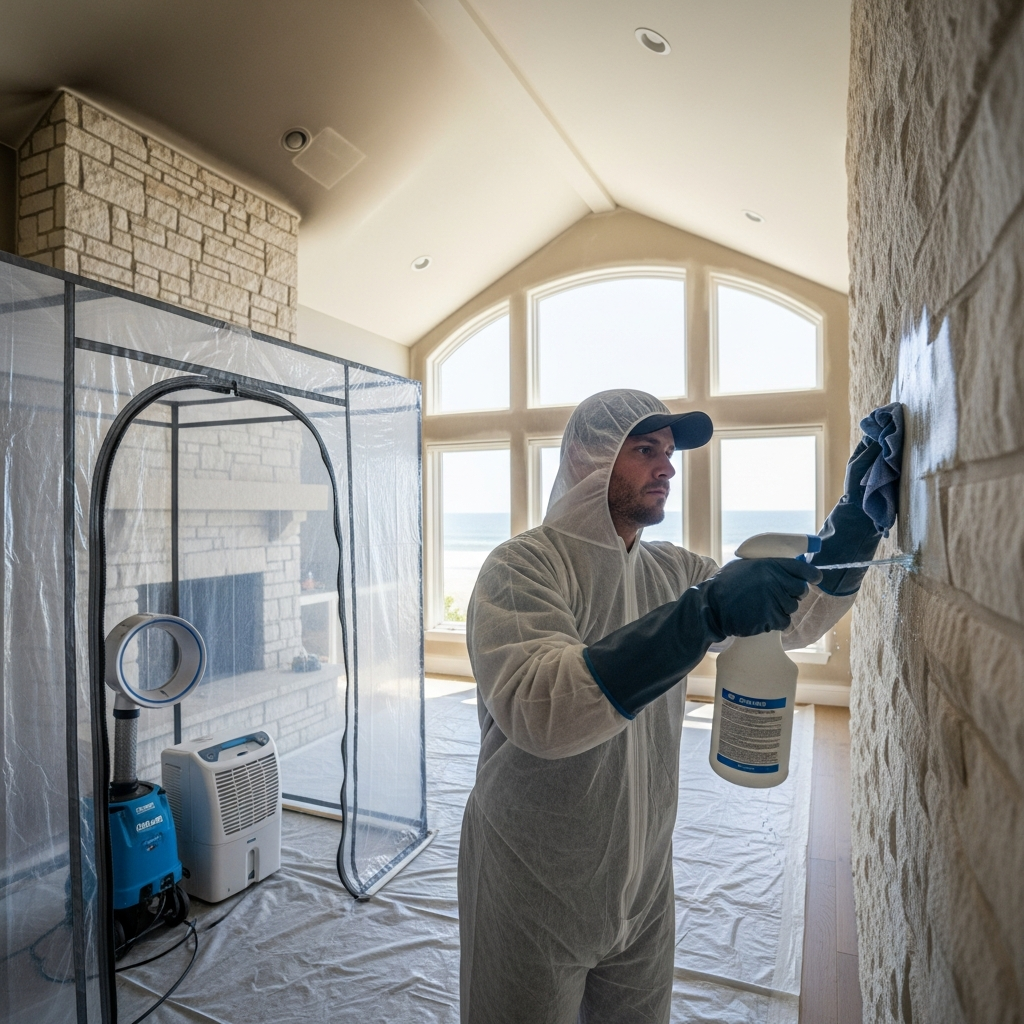
When you speak with a local expert, you will hear about fire damage restoration as a series of coordinated phases: emergency stabilization, detailed cleaning and deodorization, and reconstruction. Thinking of the project this way helps you see how choices in one phase affect the next. For example, thorough source removal and containment early on may reduce the amount of material that must be replaced during rebuild, and smart sequencing during reconstruction protects freshly cleaned areas from recontamination.
What shapes the scope of repairs
Scope starts with the footprint of physical damage and expands outward based on smoke migration and moisture. If framing is compromised, demolition reaches those areas. If smoke infiltrated the attic through vents or soffits, the plan addresses insulation, sheathing, and pathways to occupied spaces. Water used to control the fire may have traveled beyond the visibly affected zone, requiring drying and, sometimes, selective opening of walls or floors. In Malibu, access and staging also influence how work proceeds, as equipment and materials must often navigate narrow roads and sloped lots.
Material types matter. Natural stone, engineered flooring, solid wood cabinetry, and specialty finishes respond differently to heat and soot. Some can be cleaned and sealed to excellent results; others may be better candidates for replacement. Testing and sample cleaning clarify those decisions before full-scale work begins, preventing waste and protecting items with a high likelihood of recovery.
Documentation and alignment with insurers
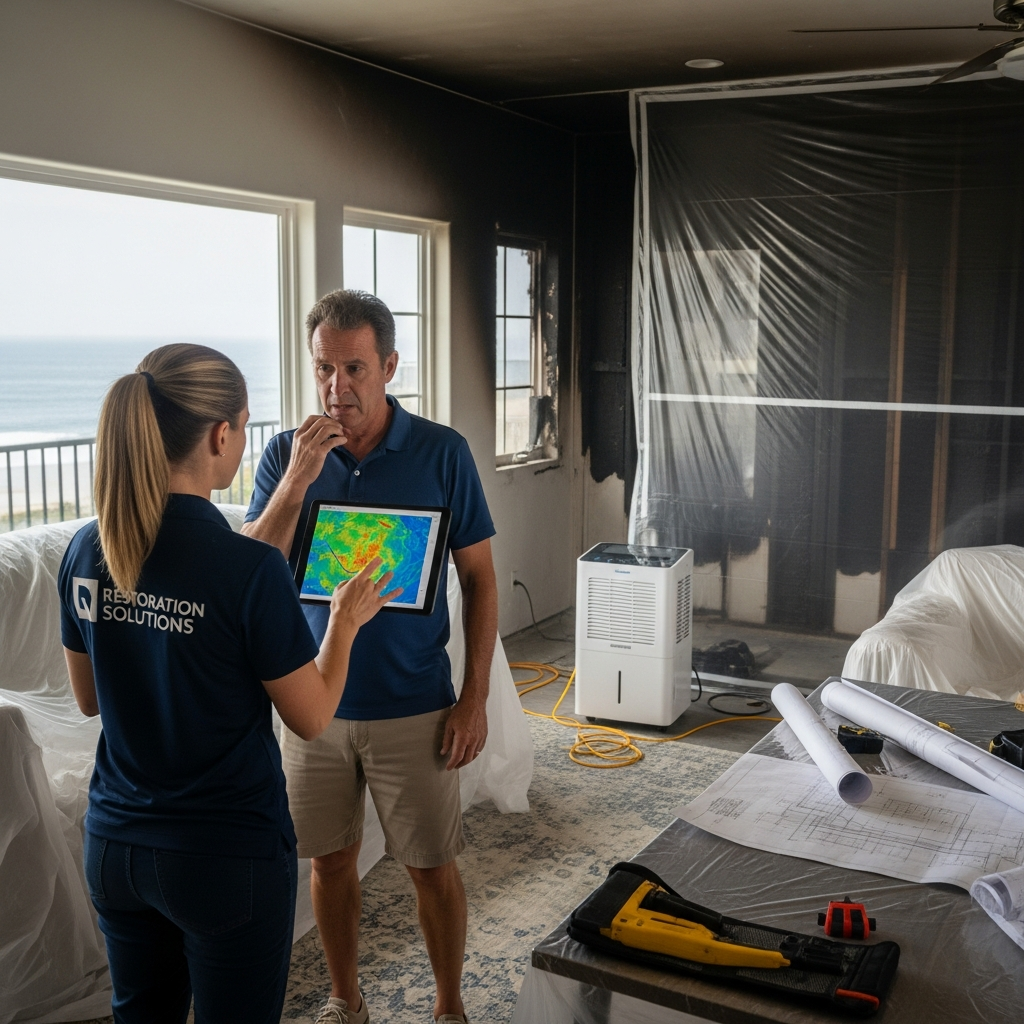
A well-documented assessment streamlines conversations with adjusters and keeps the project on track. Moisture maps, photos of concealed conditions, lab results if air testing is performed, and itemized inventories create a shared understanding of what is present and what actions are appropriate. Clear notes about codes and local requirements—especially relevant in Malibu—help align expectations and remove obstacles before they appear.
Communication cadence is just as important as content. Regular updates establish a rhythm and help ensure approvals and authorizations match the pace of work. When everyone is aligned on the facts and the plan, decisions move without unnecessary delays, and you see steady progress toward the day you return home.
Timeline checkpoints from day one to finish
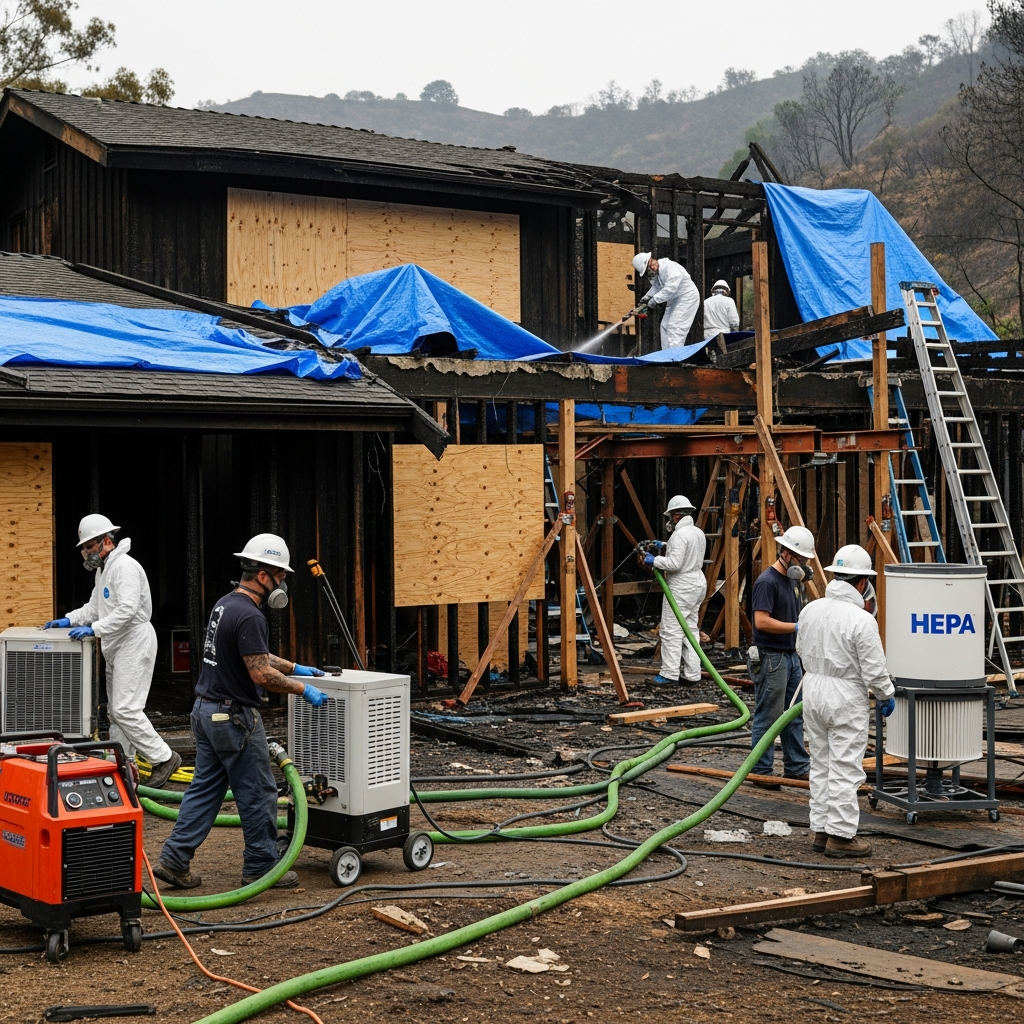
The emergency phase typically involves board-up, containment, water extraction, and initial deodorization measures. These actions limit secondary damage and set conditions for effective cleaning. Detailed cleaning follows, addressing soot on surfaces and contents and verifying results under Malibu’s shifting humidity. Reconstruction, if needed, comes next, with schedules influenced by the availability of materials, subcontractor coordination, and inspection windows.
Setting checkpoints—stabilization complete, drying goals met, cleaning verified, rebuild started—gives you markers to track. In Malibu’s coastal environment, adding checks at different times of day provides extra assurance, since morning moisture and afternoon warmth can change how spaces behave and smell.
Choices that influence outcomes
Your decisions play a role in how smoothly the project progresses. Selecting finishes and fixtures early, deciding which items to salvage versus replace, and approving layout changes with an eye to long-term resilience all help compress timelines. For example, if you opt to replace cabinets rather than restore them, ordering lead times become part of the critical path. If you choose to refine ventilation and filtration during rebuild, that work is most efficient when coordinated before drywall closes.
In Malibu, many homeowners also weigh upgrades that can improve performance in future windy or hot conditions. Ember-resistant vents, sealed ductwork, and exterior materials selected for durability reduce anxiety about the next season and often integrate naturally into the repair plan. Discussing these options early allows the team to schedule them without backtracking.
Indoor air quality and verification
Confidence comes from verification, not assumption. After cleaning and before and after reconstruction, inspections check for visible residues, and odor assessments take into account the marine layer and Santa Ana conditions that Malibu experiences. HEPA filtration, pressure management during work, and targeted deodorization continue as needed to protect spaces that are already complete. Where appropriate, third-party particulate sampling or other tests document the return to a healthy baseline.
This approach does more than satisfy curiosity; it prevents the frustration of moving back only to discover a faint odor at sunrise on a damp day. Instead, verification gives you confidence that your home is ready for the everyday shifts in weather that define coastal living.
Coordination with neighbors and HOAs
On hillside streets and in gated communities, coordination extends beyond your property line. Restoration teams that work frequently in Malibu know how to stage equipment without blocking access, communicate plans respectfully to nearby residents, and schedule noisier tasks to minimize disruption. That sensitivity keeps the project moving and maintains the neighborly goodwill you value.
When shared elements are involved—fences, landscaping, or utilities—clear agreements and documentation help avoid misunderstandings. A thoughtful presence from start to finish becomes part of the quality you experience, even if you do not see every behind-the-scenes call that makes it possible.
Contents: what to save, what to let go
Decisions about personal property can be the toughest part of recovery. Skilled contents specialists photograph, barcode, and pack items, then treat textiles, electronics, and art with methods matched to their materials. Trial cleaning provides evidence for what can be restored. These steps not only preserve what matters but also free space on site so structural work can proceed efficiently.
Discuss priorities with your team, separating essentials you may need during displacement from items that can move to secure storage. Clear communication reduces stress later and prevents repeated handling that can cause wear. When in doubt, sample cleaning and controlled deodorization provide clarity without committing to a path too early.
Rebuild with purpose
Reconstruction is an opportunity to build back thoughtfully. While maintaining the character of your home, you can improve performance with attention to ventilation, insulation, and finishes selected for durability and easy maintenance. For Malibu homes, details like sealing attic penetrations and improving door and window weatherstripping can pay dividends in comfort and resilience. Partnering with a team that integrates mitigation experience with construction savvy bridges the gap between cleanup and a finish you will love.
Scheduling is smoother when selections are made early and when inspections and deliveries are sequenced to avoid idle time. A team that communicates clearly about dependencies—what must happen before cabinetry is templated, when paint should wait until deodorization is fully verified—keeps momentum steady.
Working relationships that reduce friction
The intangible that most influences a project is communication. A contractor who listens, explains options in plain language, and respects your routines creates a working relationship that eases decision-making. In Malibu, where access and weather can add uncertainty, that rapport helps everyone adapt quickly when conditions shift. It also supports a tidy job site that respects views, landscaping, and privacy.
Transparency about methods builds trust. When a recommendation is tied to a principle of fire damage restoration—testing, containment, source removal, verification—you can evaluate it on its merits rather than on emotion alone. That clarity steadies the process from the first assessment to the final walkthrough.
FAQ: What to expect during fire damage repair in Malibu
How do I begin after a fire? Start with safety and stabilization: secure the property, establish containment, and address moisture. Document conditions with photos and notes. Contact your insurer and select a restoration partner who can explain the sequence from emergency response through rebuild.
How long will the overall process take?
Timelines vary with scope and selections. Setting milestones—stabilization complete, drying verified, cleaning finished, reconstruction underway—helps you track progress. A local team will also factor Malibu’s weather and access into scheduling to maintain momentum.
Can items I care about be saved?
Many contents respond well to professional cleaning and deodorization, especially textiles and solid wood pieces. High-value or delicate items may involve specialists. Trial cleaning and honest communication guide decisions about what to restore and what to replace.
What about indoor air quality?
Air quality is central to every phase. HEPA filtration, pressure control, and careful cleaning protect the parts of your home that are already complete. Final verification, sometimes with third-party testing, confirms a healthy baseline before you return.
How do I avoid delays?
Choose a partner who communicates proactively, make selections early, and keep approvals aligned through clear documentation. In Malibu, attention to access, staging, and inspections also helps the schedule stay on track.
What should a final walkthrough include?
Review spaces in different lighting and humidity conditions, confirm HVAC filters are updated, test cabinets and drawers for trapped odor, and ensure documentation matches what was completed. A meticulous closeout gives you confidence for the first morning back at home.
When you are ready to rebuild with confidence
Restoring a Malibu home after fire is as much about clarity and coordination as it is about craftsmanship. Choose a local team that anticipates our weather, terrain, and inspection rhythms, and that explains each step without jargon. When it is time to move from uncertainty to action, let proven fire damage restoration practices guide a smooth return to the comfort and safety you cherish.