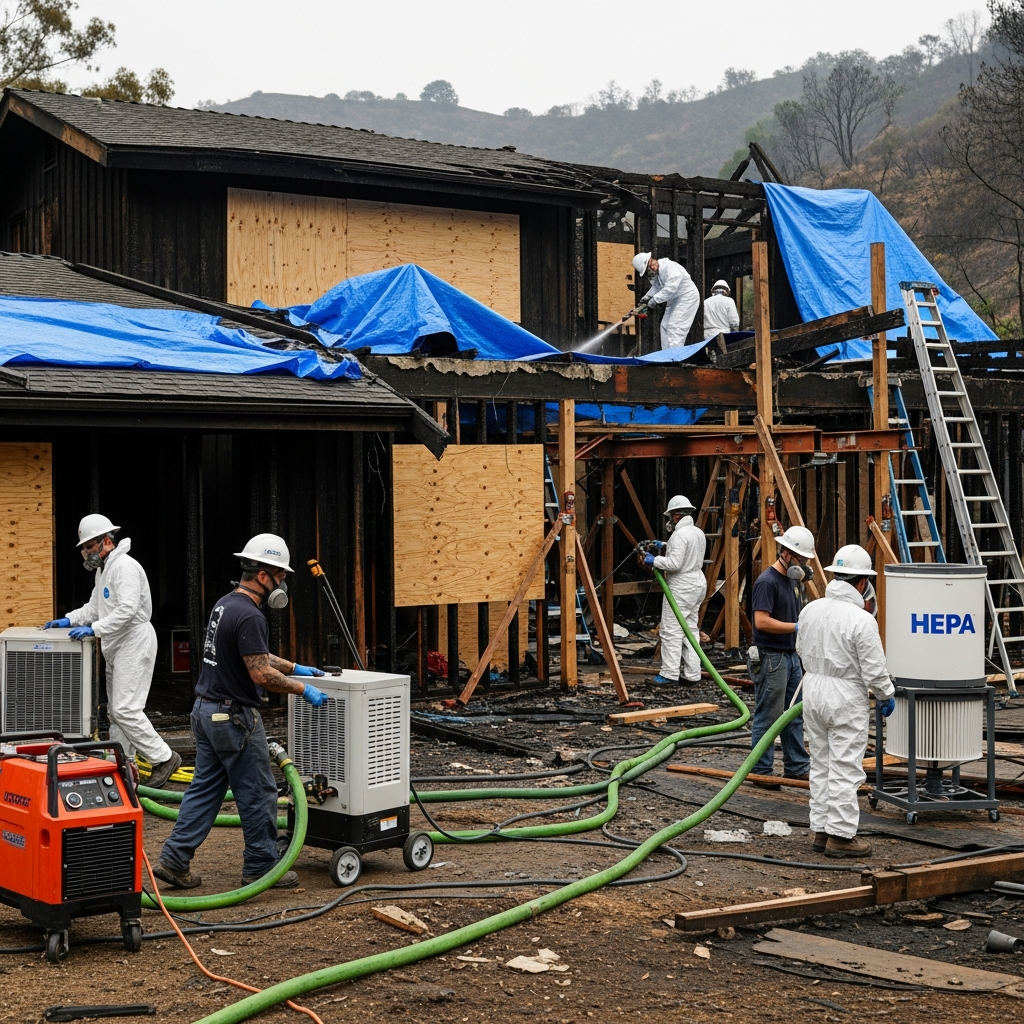
In Malibu, smoke from a fire rarely respects property lines. It drifts through canyons, curls along bluffs, and finds pathways into homes that never saw a flame. In the days after an incident, many residents discover a thin film on surfaces, a persistent odor in closets and drawers, and an uneasy feeling that the indoor air is not what it should be. Smoke damage restoration in Malibu California for homes is a specialized endeavor that addresses the physics and chemistry of soot, the living patterns of families, and the realities of coastal microclimates. It is a calm, methodical process that begins with listening to how your home feels and smells, then confirming those impressions with testing and a tailored plan.
The first conversation often includes an explanation of how smoke behaves. Hot gases move toward cooler areas and low-pressure zones, which in a Malibu home may be the shaded side of the building, the attic, or the inside of cabinets. As the plume cools, particles settle based on size and charge, clinging to some surfaces and skipping off others. Even when windows stayed closed, infiltration through tiny gaps and the home’s own ventilation can draw smoke inside. That is why the discipline known broadly as fire damage restoration treats smoke as a dynamic contaminant rather than a simple stain to be wiped away.
Local experience matters. Ocean air adds moisture that influences how soot bonds to surfaces, while canyon winds can push odor into rooms that seem isolated from the problem. When you choose a team that knows Malibu’s rhythms, you gain a partner who anticipates those shifts, plans testing around them, and verifies results in more than one set of conditions.
Finding where smoke traveled
Inspection is more than a walk-through with a flashlight. It includes visual observation, yes, but also white-glove tests in inconspicuous areas, particulate sampling when needed, and a close look at airflow pathways. Technicians check return grills and supply registers, the top edges of door frames, the undersides of shelves, and the cavities behind receptacle covers. Sometimes, what seems unaffected hides the highest particle counts because it sat at the sweet spot of temperature, humidity, and air movement during the event.
In Malibu, houses perched above the water often see stratified deposits, where lower levels are less affected than upper floors or attics. By contrast, homes tucked into canyons may show the reverse, with denser smoke hugging cooler ground and drifting along hallways and into closets. Understanding these patterns is essential for a complete plan that avoids the frustration of lingering odor after superficial cleaning.
Choosing the right cleaning methods
There is no one-size-fits-all solution for smoke residues. Protein-based films from kitchen incidents, for example, require specific detergents and gentle agitation that coax residue off without driving it deeper into porous materials. Synthetic soot from building materials can be greasy, benefiting from alkaline cleaners or solvents matched to the finish. Natural wood smoke leaves a different signature again, often dry and powdery at first, but prone to smudging when touched.
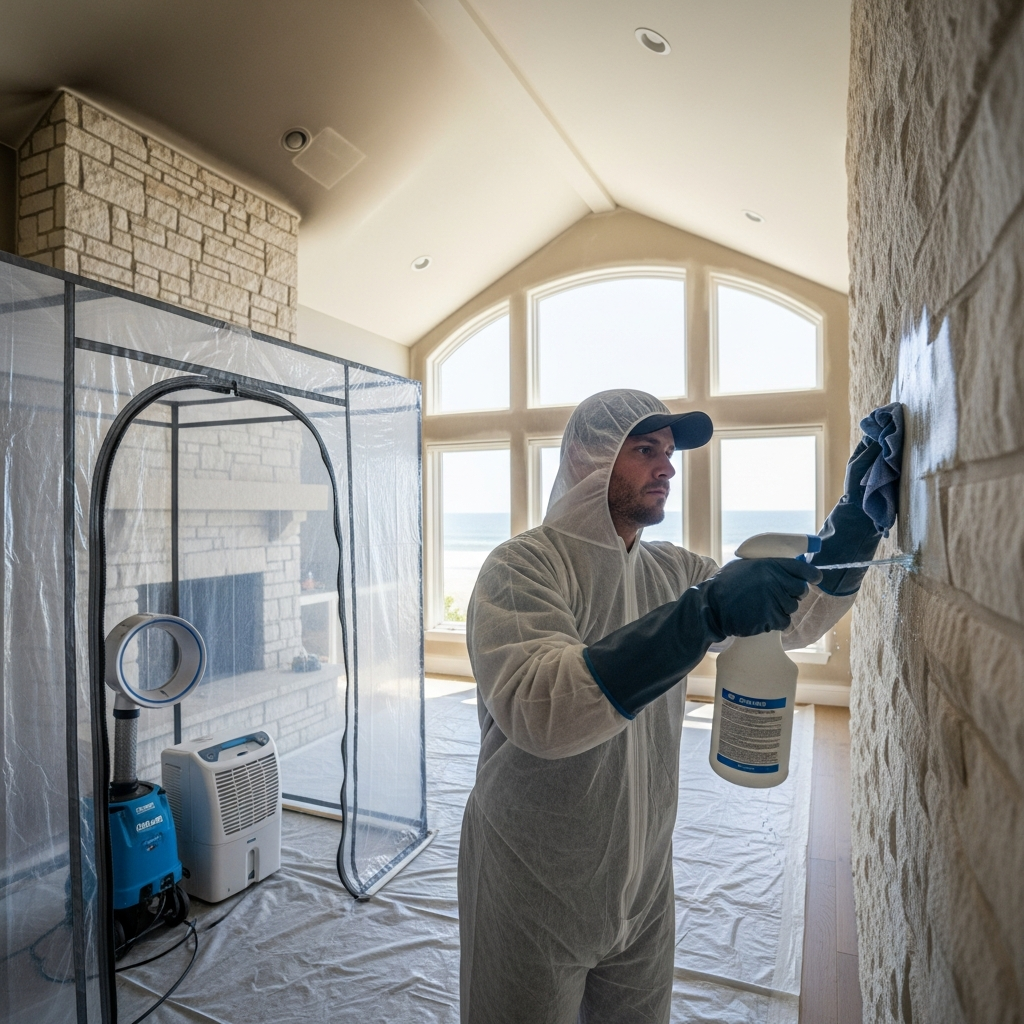
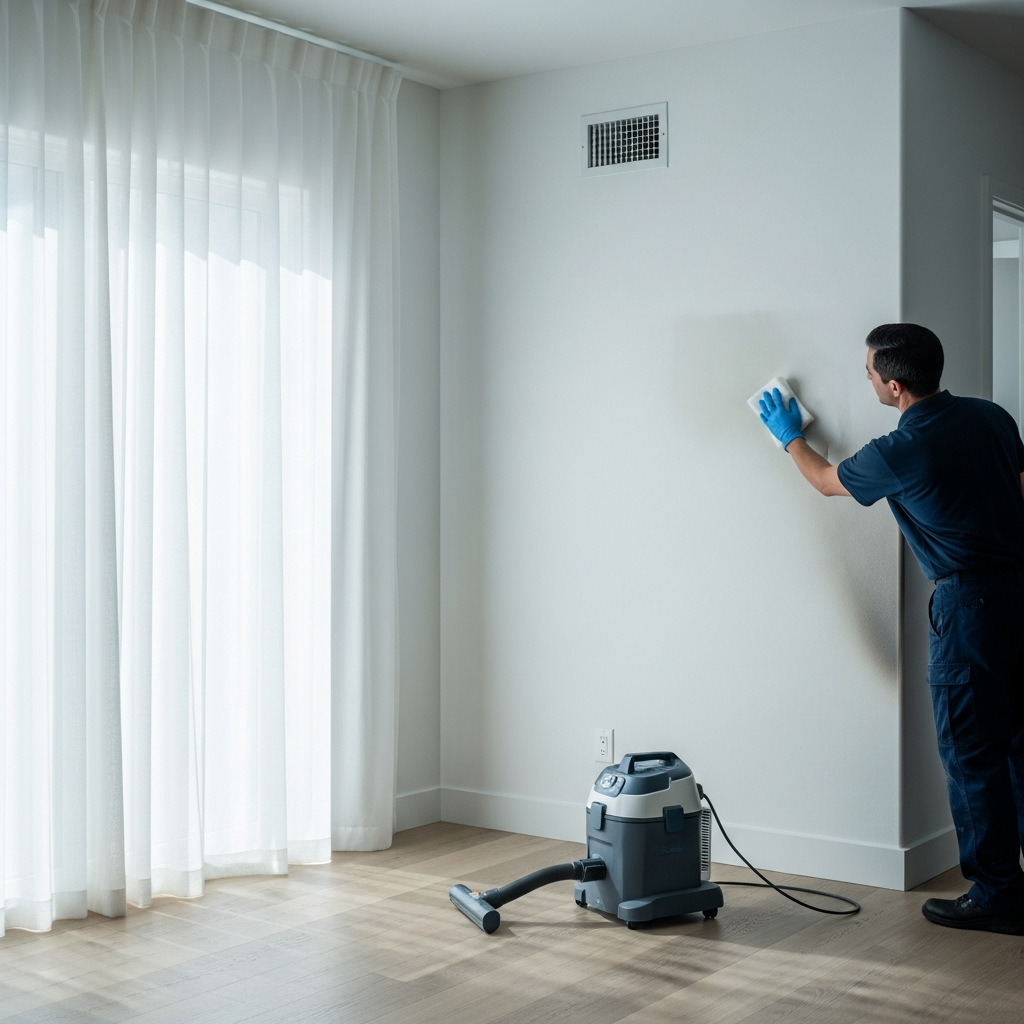
Experienced technicians test before committing to a method. They start with dry removal where appropriate, using HEPA-filtered vacuums and delicate sponges, then proceed to wet cleaning with the right pH and dwell times. In Malibu’s marine layer, a room that appears clean may reveal new streaks on a damp morning if residues were only moved around. That is why verification, spread over different times of day, is a hallmark of excellent smoke restoration.
Protecting and restoring textiles
Textiles are often the carriers of the faintest but most persistent odors. Clothing, drapes, upholstered furniture, and rugs respond to methods tailored to fiber types and dyes. Professional textile restoration includes deodorization that neutralizes odor molecules rather than covering them up, followed by cleaning cycles that lift residues safely. For items with sentimental or high monetary value, a conservator’s guidance may be appropriate, especially if water was involved during suppression.
In many Malibu homes, closets operate as micro-environments with cooler, still air that captured smoke early and held it. Treating these spaces involves more than laundering; it may include sealing wood surfaces, cleaning hardware, and verifying that the HVAC does not reintroduce odor when the system cycles on a humid morning.
HVAC systems and indoor air quality
Heating and cooling systems can become distribution networks for smoke. Filters load quickly, and fine particles collect on coils, in pans, and along duct surfaces. The restoration plan should include a careful evaluation of the system, from air handler to terminals, and a cleaning strategy that prevents recontamination of rooms already treated. Filter upgrades, duct sealing, and, in some cases, coil cleaning and sanitization are part of returning your home to a baseline of healthy air.
Because Malibu’s climate swings between dry offshore winds and moisture-laden marine layers, post-restoration air quality checks should be timed to both conditions. The goal is confidence that your home smells and feels clean at breakfast on a foggy day and at sunset during a warm Santa Ana.
Deodorization that lasts
True deodorization begins with source removal and thorough cleaning. Once residues are gone, targeted treatments address odor that lingers within porous materials and hidden cavities. Thermal fogging, vapor-phase deodorants, and other professional tools can help, but they are applied thoughtfully and with clear communication about safety and expectations. The point is not to add a new scent but to neutralize the compounds that trigger odor receptors in our noses.
At the midpoint of a well-run project, you will see the plan adjusted based on verification. If a room responds fully to cleaning, technicians move on. If a subtle odor persists in morning humidity, they reassess airflow, look for hidden cavities, and consider sealing or additional treatments. This flexibility, grounded in the fundamentals of fire damage restoration, distinguishes experienced teams from those who simply run through a checklist.
Communication and documentation
A strong smoke restoration project makes the invisible visible. Photo logs, notes on materials and methods, and, when appropriate, third-party particulate or odor assessments give you a transparent view of progress. This documentation supports insurance communication and gives you a record to refer to if you renovate later. It also helps align expectations, so that decisions about salvage, replacement, or refinishing are made with a clear understanding of likely outcomes.
In Malibu’s close-knit neighborhoods, your restoration team may also coordinate with neighbors or HOAs, especially if shared systems or common spaces are involved. Sensitivity to privacy and clear explanations help keep the focus on solutions and prevent misunderstandings that can delay progress.
Preparing the home for reoccupation
As cleaning and deodorization wrap up, final verification becomes the priority. Technicians walk the home with you at different times of day, adjusting for the conditions that once exacerbated odor. HVAC filters are replaced, and supply and return airflow is checked for balance. Drawers, cabinets, and closets are opened and left closed again to confirm that no trapped odor remains. This patient, thorough closeout ensures that the relief you feel on day one lasts through the first fog bank and beyond.
You will also receive guidance on maintenance: when to change filters after the first month, how to ventilate on certain mornings, and which cleaning agents to use for ongoing care of treated surfaces. These simple steps support the work already done and keep your home feeling fresh and resilient.
FAQ: Smoke damage restoration in Malibu homes
Is smoke damage dangerous if there was no direct fire in my home? Even without flames, smoke residues can affect indoor air quality and irritate the respiratory system, particularly for sensitive individuals. Professional assessment identifies where particles settled and addresses them with cleaning and filtration so you can breathe easy again.
Why does odor seem worse on humid mornings?
Moisture can temporarily amplify the volatility of certain odor compounds, making them more noticeable. In Malibu’s marine layer, that effect is common. Restoration plans account for it by verifying results under both dry and humid conditions and, if needed, applying additional treatments tailored to moisture-influenced odor.
Can I just repaint to get rid of smoke odor?
Paint can help after surfaces are properly cleaned and, in some cases, sealed with products designed for smoke-damaged substrates. Painting over residues without prep often traps odor and can lead to discoloration. Professionals clean first, test for residual odor, and then recommend the right finishing approach.
What about my HVAC—should I turn it on?
It is best to leave the system off until inspected. Running it can distribute particles to clean areas. A thorough evaluation and cleaning, followed by filter changes and, when needed, duct sealing, prepare the system to operate without spreading odor or contaminants.
How long does smoke restoration take?
Timelines vary with scope, but a clear plan with milestones keeps the work moving. Verification at midpoints prevents surprises near the end. Your team should explain the sequence—from inspection and testing to cleaning, deodorization, and final checks—so you know what to expect week by week.
Will everything smell like a deodorizer afterward?
No. The goal is neutral indoor air, not a strong added scent. Effective restoration removes and neutralizes odors rather than covering them up. Any products used are selected for safety and are applied in a way that avoids lingering perfumes.
When you are ready to breathe easy again
If smoke has unsettled the comfort of your Malibu home, a steady, science-driven approach will restore your space and your peace of mind. Work with local professionals who understand our coastal air and canyon winds, who verify results under changing conditions, and who treat your home with care from entryway to attic. When it is time to take that first deep breath back at home, rely on proven fire damage restoration methods that deliver clean air and lasting comfort.