When you live and work in Malibu, you come to understand how fire shapes the rhythm of our seasons and the way we care for our homes. The beauty of the bluffs, the quiet canyons, and the sparkle of the Pacific are part of daily life, but so are offshore winds, steep slopes, and the ever-present need to prepare for embers. In the aftermath of a fire, the most pressing question is who to trust with the work of making your property safe, clean, and whole again. Choosing among fire damage restoration companies in Malibu California is not just a matter of availability; it is a decision that will affect your health, your schedule, and your long-term peace of mind.
In the first few hours and days, the right team provides calm in the storm, moves quickly to secure your home, and sets a clear plan that meets local expectations and code requirements. Early steps determine how fast odors are eliminated, whether secondary moisture damage is prevented, and how thoroughly soot is removed from hard-to-reach places. When you are researching providers, you will inevitably encounter the phrase fire damage restoration, and while it sounds straightforward, the discipline blends emergency response, building science, environmental hygiene, and practical construction knowledge tailored to Malibu’s terrain and climate.
As a local, I have seen how properties perched above the ocean face different challenges than homes set in the canyons or along PCH. Salt air, diurnal temperature swings, and Santa Ana winds change how smoke behaves and where residues settle. The companies that know Malibu best design their approach to these conditions, from the way they seal a structure on a windy night to how they monitor humidity in a home recovering from both heat and suppression water.
Understanding Malibu’s fire realities
Malibu’s wildland-urban interface brings with it a combination of ember exposure, radiant heat, and wind-driven smoke that can infiltrate even well-sealed buildings. In neighborhoods with views framed by chaparral, embers can leap across long distances, finding a path into attic vents and under eaves, or pushing smoke through the smallest gaps. An experienced restoration company understands this, and they start by mapping likely smoke pathways and tracking where soot concentrated during the event. They also grasp that what you see on a countertop is only part of the problem; sub-micron particles can cling to insulation, accumulate in HVAC components, and settle behind baseboards.
Another Malibu-specific reality is access. Narrow canyon roads, limited staging areas, and the need to coordinate with utility crews and inspectors add time and complexity. The right team plans equipment moves carefully, keeps communication tight with neighbors and HOAs, and aligns their schedule to avoid unnecessary delays. They also anticipate seasonal weather shifts, which can affect drying plans and deodorization strategies, particularly when ocean fog alternates with dry offshore winds over the course of a project.
What the first 24 to 72 hours should look like
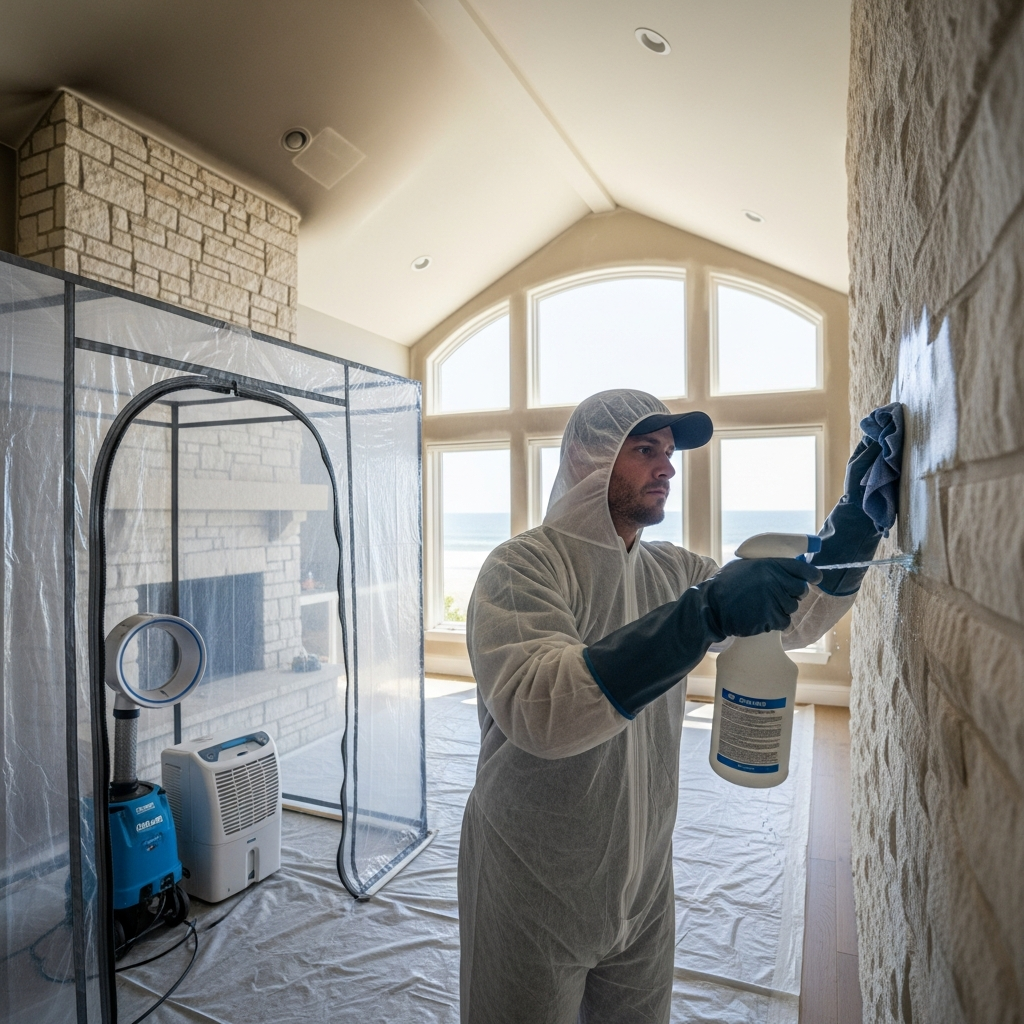
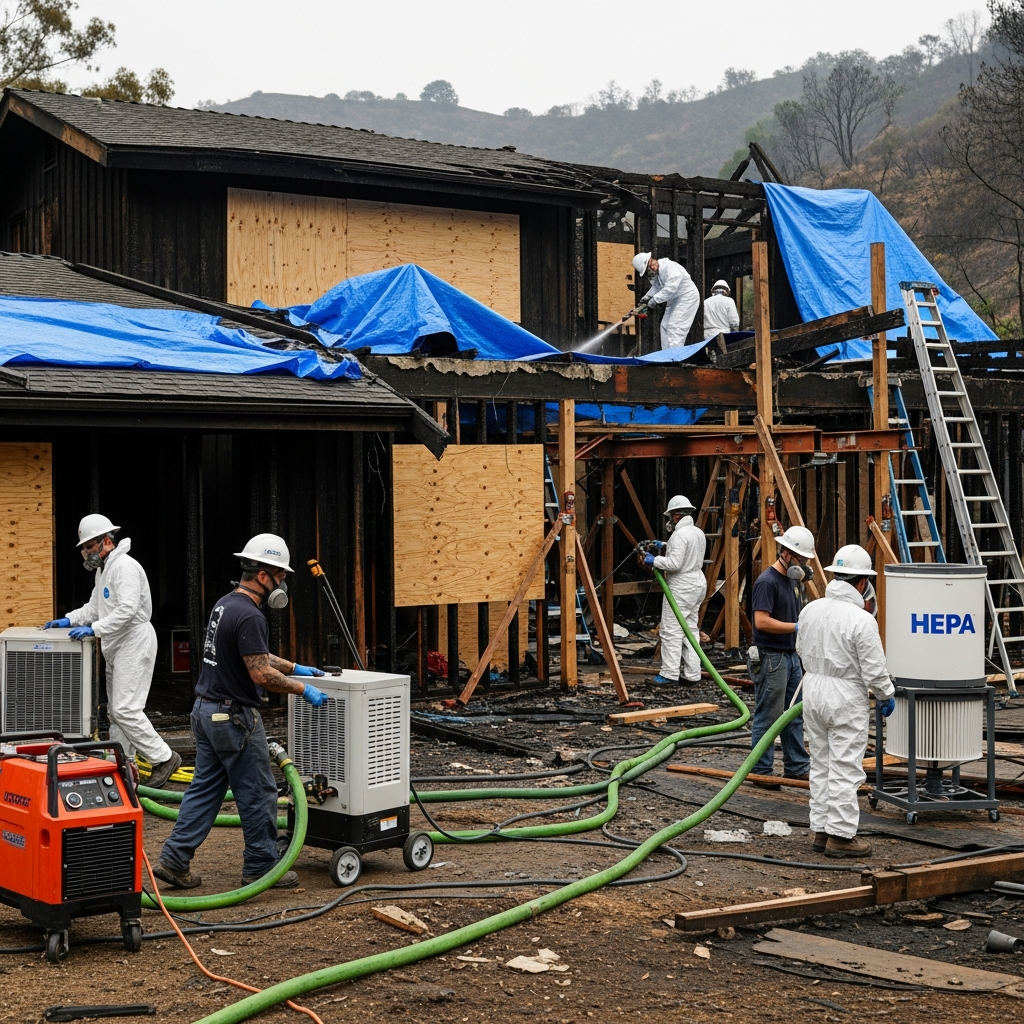
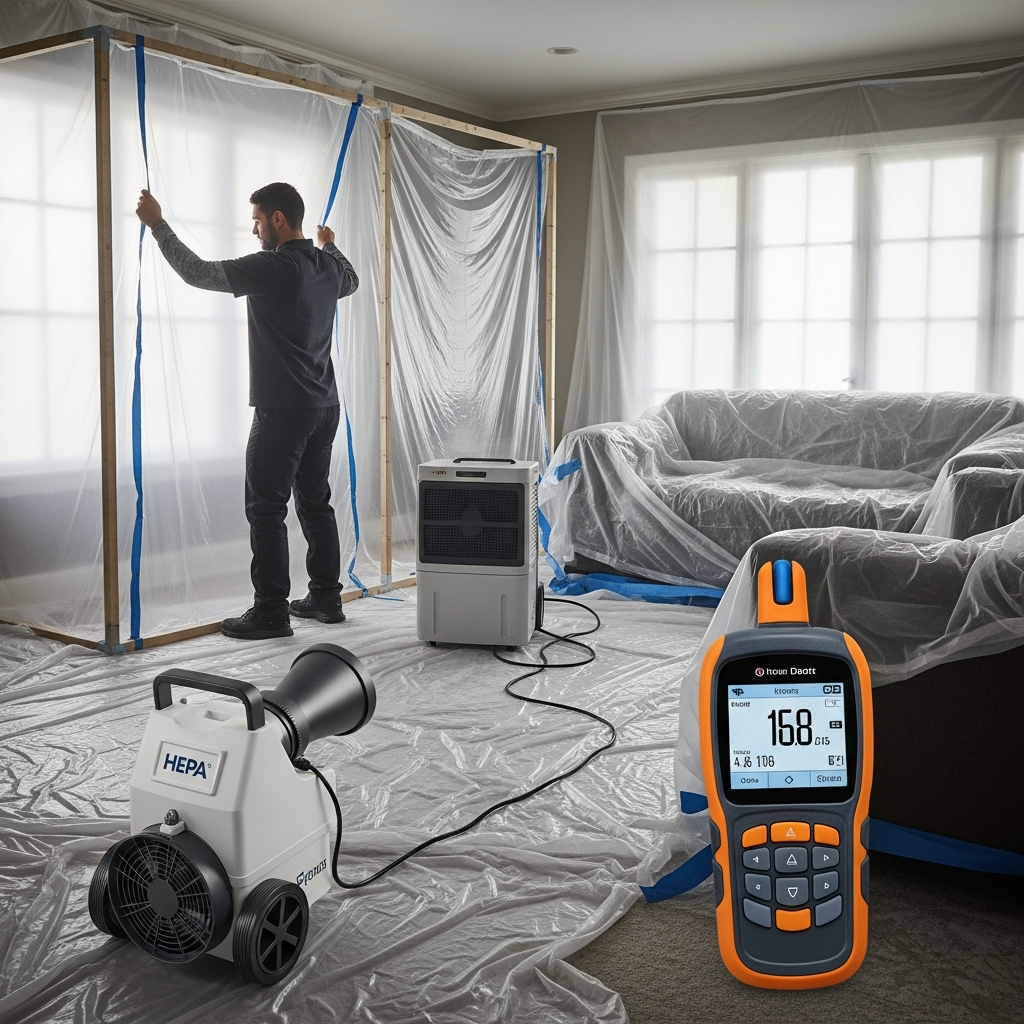
After the fire is out and the authorities clear access, reliable restoration companies begin with safety. They assess structural stability, perform basic shoring if needed, and establish safe electrical distribution for equipment. Next comes containment. They isolate affected rooms with temporary barriers to control cross-contamination, set up negative air with HEPA filtration, and protect cleaner areas of the home. This is not just to stop soot from spreading; it also creates a controlled environment for cleaning and odor removal.
Board-up and tarping follow closely, especially in areas where ember intrusion has damaged vents or broken windows. In Malibu’s wind corridors, tarping is its own art, requiring attention to anchoring that prevents flapping and water intrusion without creating new damage. Meanwhile, technicians collect moisture readings to guide water extraction and structural drying. Even small suppression efforts can leave moisture in walls and floors, and if that moisture is not addressed, secondary damage can outpace the original fire impacts.
Documentation starts immediately. Photos, notes on materials, and inventories of damaged and salvageable items become the backbone of communication with insurers and, later, with reconstruction teams. Clear documentation protects you and helps the job proceed without long pauses while questions are sorted out. It also lets you see the plan in detail, which brings relief in an otherwise chaotic time.
Cleaning soot and neutralizing odor in a coastal climate
Soot bonds to surfaces differently depending on what burned and the temperature profile of the event. Protein residues from kitchen fires can be thin, tacky, and perfectly invisible until moisture makes them apparent, while synthetic residues from building materials can be greasy and prone to smearing. Malibu’s coastal humidity and temperature swings influence how these residues behave after the fire. Skilled companies test before they clean, identifying soot types, selecting detergents with the right pH, and avoiding methods that can set stains or drive contamination deeper into porous materials.
Deodorization is not a single step but a sequence: source removal, thorough cleaning, ventilation and filtration, and, when appropriate, thermal or vapor treatments that reach hidden spaces. The goal is not to mask odor but to remove and neutralize it at the molecular level, all while keeping indoor air quality safe for workers and, later, for your family. This work is part chemistry, part patience, and part experience with Malibu’s microclimates, where a foggy morning can make a room smell different than it did the prior dry afternoon.
Somewhere in the middle of any well-run project, you will see the plan refined as test results and site conditions dictate. It is at this stage that homeowners often revisit their options, consider material salvage versus replacement, and coordinate with adjusters about next steps. If you are comparing scopes or seeking a second opinion, look for clear explanations tied to the fundamentals of fire damage restoration. When a company can connect its recommendations to the behavior of soot, the physics of drying, and Malibu’s specific inspection expectations, you know you are getting advice rooted in practice rather than guesswork.
Insurance coordination done the right way
Working with insurers in the wake of a fire can feel daunting, but seasoned restoration companies translate technical findings into the language of a claim. They provide moisture maps, itemized inventories, and lab-backed air quality reports when necessary. They do not overpromise on timelines; instead, they outline critical path items, anticipate bottlenecks such as special-order materials or permit checks, and keep all parties updated. The strongest indicator of competence is proactive communication that removes surprises and helps you make decisions at each step.
Equally important is transparency about materials and methods. If a wall can be cleaned and sealed rather than demolished, you should know why and how the team will ensure performance. On the other hand, if removal is warranted because smoke has saturated inaccessible cavities, the company should be ready to explain the criteria they used. This balance between salvage and replacement aligns with both sustainability and your desire to return home sooner without compromising long-term results.
Care for contents and sentimental items
Many Malibu households include collections, family heirlooms, and artwork that need careful handling. Contents specialists photograph, pack, and barcode items, then transport them to a controlled environment for cleaning, deodorization, and storage. Textiles, from rugs to drapes and bedding, benefit from specialized laundering with odor-neutralizing agents and processes designed to protect delicate fibers. Fine art and musical instruments require conservator input, and experienced firms know when to escalate to those specialists so you receive the best possible outcome for irreplaceable items.
The conversation about contents should include clear expectations: what is immediately salvageable on site, what requires off-site treatment, and what might be beyond practical recovery. You deserve candor paired with compassion, and professionals who have worked through Malibu’s varied events can offer both, helping you weigh sentimental value against realistic results based on testing and trial cleaning.
Reconstruction with resilience in mind
When the cleaning and mitigation phase is complete, attention turns to rebuilding. In Malibu, that means working within local building standards while also thinking ahead to performance in future wind or heat events. Choices about insulation, venting, and exterior finishes can make a real difference in how a home fares when embers fly. Restoration companies that also handle reconstruction bridge the gap between cleanup and finishing, streamlining the process and reducing the risk of miscommunication between separate teams.
This is also the time to assess indoor air quality upgrades. Improved filtration, sealed ductwork, and balanced ventilation can pay dividends not only after a fire but year-round, especially for homes near canyons where dust and pollen ride the breeze. The best teams discuss these options early so that reconstruction plans account for any needed changes behind walls or above ceilings, saving time and reducing rework.
How to evaluate a Malibu restoration company
Beyond licenses and insurance, look for a company that speaks clearly about testing, containment, and verification. Ask how they will confirm that cleaning is complete, whether by particulate sampling, odor checks after controlled humidity shifts, or third-party assessments. In Malibu, local references matter because they show how a team performs with our specific access, weather, and permitting dynamics. Communication style is another tell; schedules and next steps should be explained plainly, with room for your questions and preferences.
Watch for a plan that protects unaffected areas of your property as carefully as it treats the damaged zones. That means floor protection along paths of travel, careful staging of equipment so landscaping is respected, and housekeeping that keeps dust to a minimum. In a community that prizes both views and privacy, a thoughtful site presence reduces stress for you and your neighbors.
Timeline, temporary living, and preparing for return
Every project has its rhythm. Emergency stabilization usually runs in days, detailed cleaning and deodorization in weeks, and reconstruction on a timeline influenced by material availability and scope. Clear milestones help you plan temporary living, whether you are staying with family, using a short-term rental, or sheltering in a part of the home that remains safe. Companies experienced in Malibu know the rental landscape and can offer practical tips about timing move-outs and move-backs that reduce the number of times your belongings have to be handled.
As you approach the finish line, a walk-through with the project lead gives you confidence that nothing has been missed. Together you can review surfaces in changing light, check that cabinets and drawers are free of residual odor, and confirm that HVAC filters have been replaced after construction dust has settled. A strong closeout, complete with notes on what was done and guidance on future maintenance, leaves you better prepared for the next windy season.
FAQ: Fire damage restoration companies in Malibu
How quickly should I expect a company to respond in Malibu after I call? In an ideal scenario, you receive a live answer immediately and a site visit the same day for urgent stabilization. In our area, teams anticipate after-hours calls during windy periods and keep materials on hand for board-up and containment so that the first pass happens without delay.
What is the difference between cleaning and deodorization?
Cleaning removes visible and microscopic residues from surfaces and contents, while deodorization addresses odor molecules that may linger even after surfaces look clean. The two work together. Source removal comes first, followed by filtration and targeted treatments to neutralize any remaining odor where it hides in porous materials or hidden cavities.
Can I stay in my home during restoration?
It depends on the extent of damage, utilities, and the ability to isolate work zones safely. Many Malibu projects allow a partial stay when containment, ventilation, and housekeeping are robust. Your health and safety come first, so a good company will explain options and help you weigh disruption against the benefits of staying on site.
What should I do about my HVAC system after a fire?
Turn it off until a professional evaluates the system. Smoke and soot can contaminate ductwork and equipment, and running the fan may spread residues. Proper cleaning, sealing, and filter changes are essential before the system is brought back online to protect indoor air quality and prevent recontamination.
How are contents handled and tracked?
Technicians inventory items with photos and barcodes, pack them with protective materials, and transport them to a controlled facility for cleaning and storage. You receive a digital record and regular updates. Fragile or high-value items can be escalated to specialists, and you will be consulted on salvage decisions throughout.
What does a successful closeout include?
Beyond a final cleaning and odor check, closeout should include verification that moisture is at safe levels, HVAC filters are updated, and all previously concealed areas are inspected. You should also receive documentation of work performed and recommendations for maintenance and preparedness moving forward.
Ready to move forward with confidence
If you are navigating the aftermath of a fire in Malibu, you do not have to do it alone. Choose a team that understands our hills, winds, and neighborhoods, and that takes the time to explain each step. For guidance and hands-on support grounded in local experience, reach out to trusted professionals who make your home’s health their priority and start your path back with proven fire damage restoration practices that respect both your time and your peace of mind.