Emergencies do not wait for business hours in Malibu, and fires are the clearest reminder of that truth. In the quiet predawn when the wind shifts, or on a hot afternoon when a small spark finds dry brush, a home can be thrust into chaos. That is when a dependable emergency response from just over the hill in Calabasas becomes invaluable. With the right team mobilized quickly, immediate threats are contained, damage is stabilized, and the first steps toward recovery begin before secondary problems can take root. Whether you live near Zuma, tucked along Malibu Canyon Road, or up in the foothills toward Latigo, the fastest route to certainty is a call to emergency specialists experienced in fire damage restoration who understand our local topography and conditions.
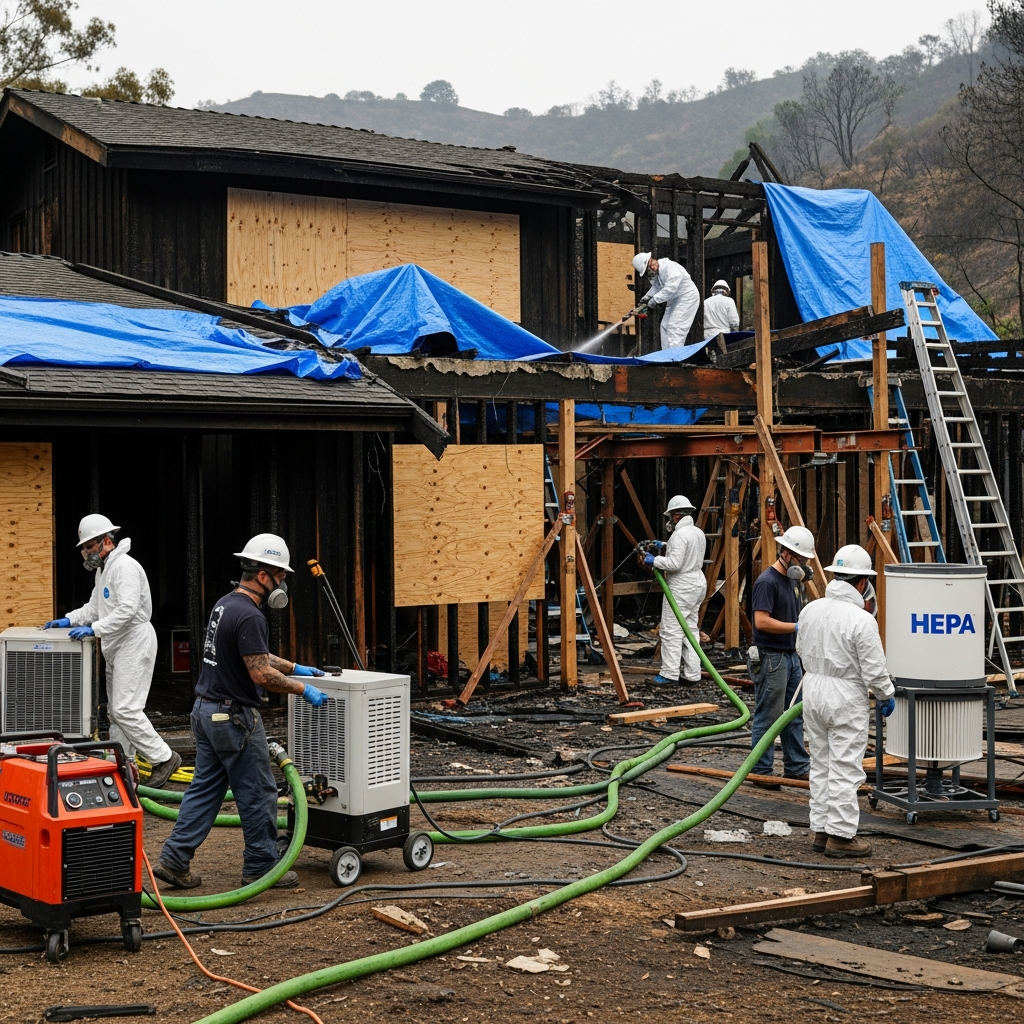
In an emergency, the first measure of a good partner is readiness. Trucks stocked with board-up materials, extraction pumps, HEPA air scrubbers, and temporary power allow crews to get to work the moment they arrive. But real readiness also shows up in know-how: reading a structure quickly, mapping the spread of smoke, spotting partially compromised framing, and preventing cross-contamination before it starts. Malibu homes often feature open floor plans, clerestory windows, and complex rooflines that reward experience. An emergency team from Calabasas knows how to secure a property without damaging delicate finishes or obstructing critical egress.
The First 24 Hours Matter Most
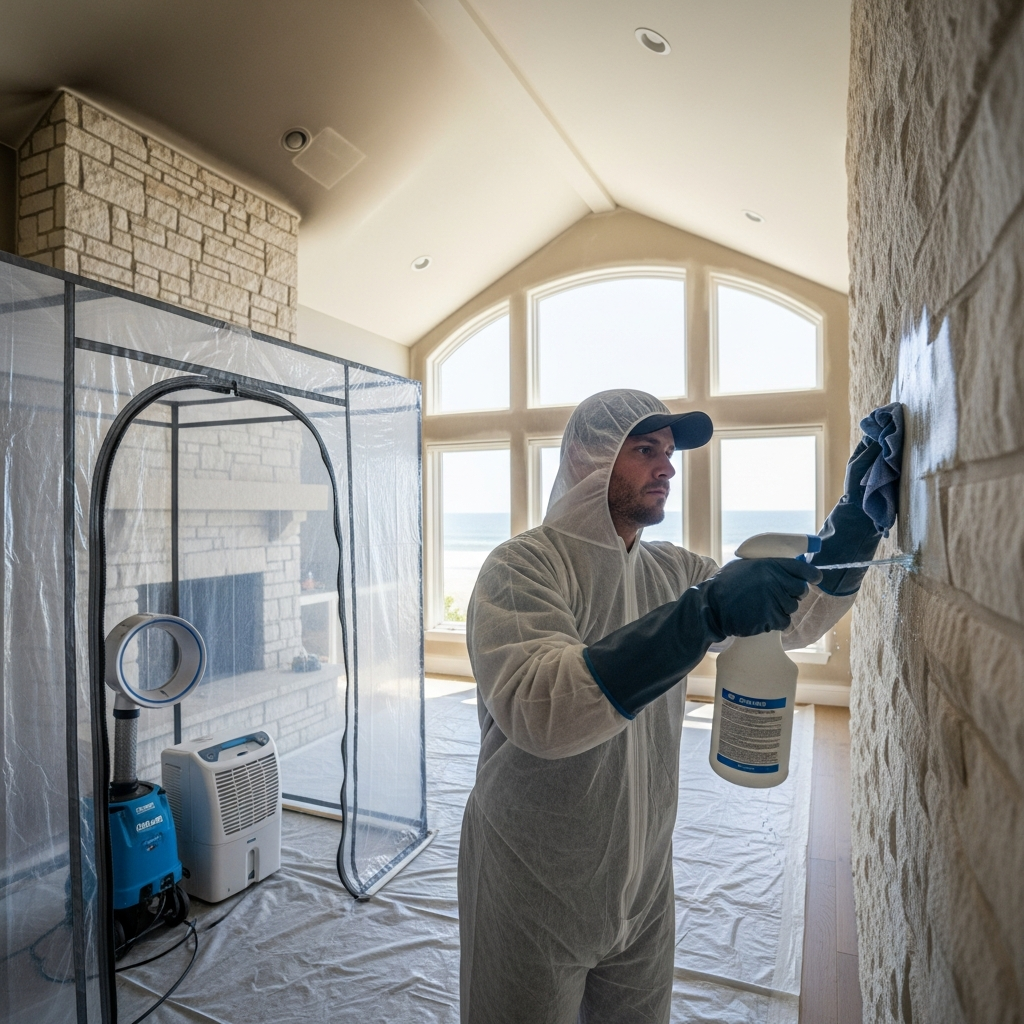
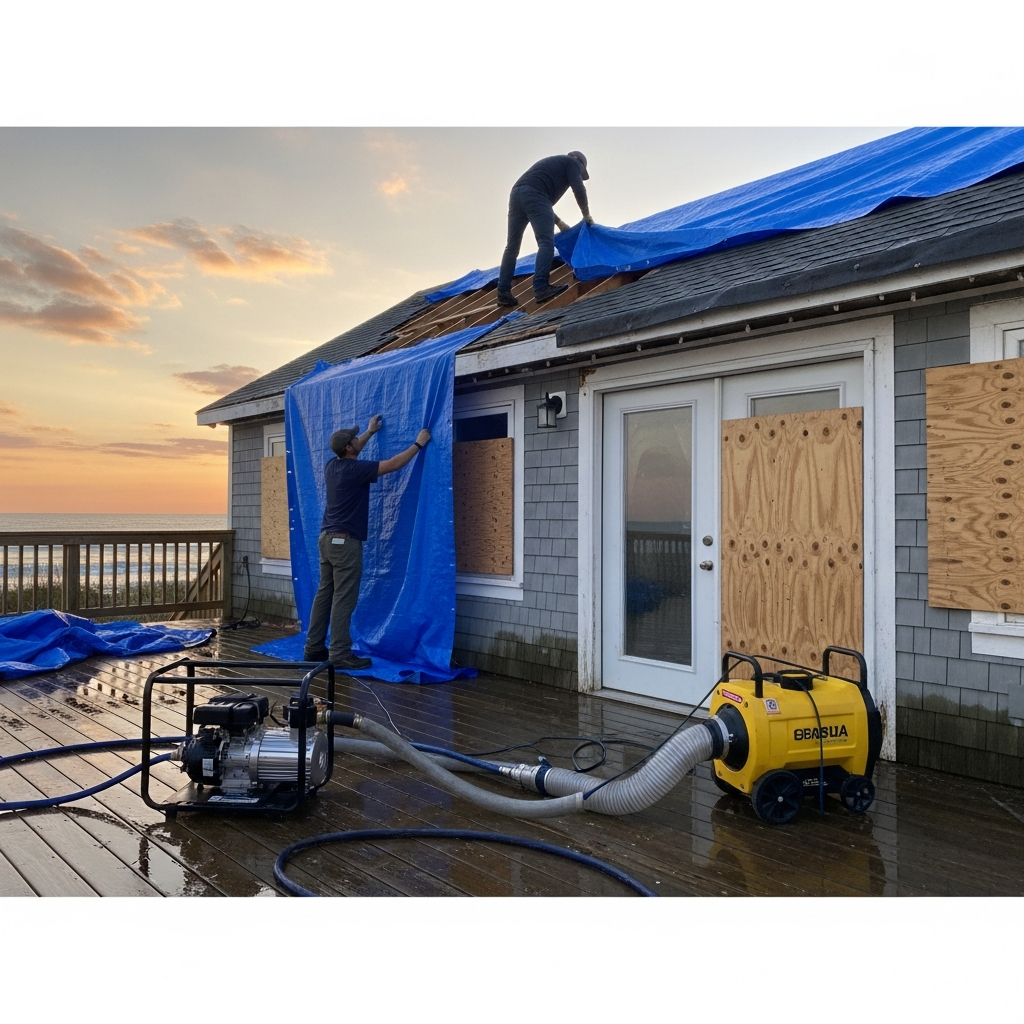
Those first hours after a fire are decisive. Windows and doors must be secured to protect against weather and trespass. Roof penetrations need tarps that shed wind and resist uplift. Firefighting water must be extracted to keep flooring, cabinets, and substructures from swelling and separating. Soot and residue removal should begin in tandem with containment: building a clean zone, screening off affected rooms, and placing negative air machines to control airflow. This is the choreography of emergency mitigation, and it sets the tone for the entire project.
Documentation is not just paperwork—it is the backbone of coordination with insurance and the roadmap for what comes next. Detailed photographs, room-by-room notes, and initial moisture and particulate readings establish a baseline. From there, a plan evolves to carry the home from emergency mode into structured restoration. The clarity of that plan makes all the difference for homeowners who need to understand how long stabilization will take, when air quality will be safe for re-entry, and what to expect in the coming days.
Because Malibu sits at the confluence of ocean air and canyon winds, conditions can change hour by hour. A team familiar with those patterns will set equipment to respond to shifting humidity and temperature. Dehumidification may need to run harder overnight to counter coastal fog, while air movement is tuned during dry offshore winds to prevent over-drying of natural wood finishes. Emergency crews from Calabasas bring this sensitivity to every decision, guided by instruments rather than guesswork.
Safety, Air, and Structure
Once immediate threats are controlled, attention turns to environmental quality and structural integrity. Setting up HEPA filtration is more than plugging in a machine. Placement, airflow direction, and exchange rates must be calculated to scrub the space effectively. Odor control begins only after loose soot is removed—otherwise treatments just push compounds deeper into materials. Meanwhile, a structural survey notes where heat exposure may have altered strength in framing members, fasteners, and engineered components.
The emergency phase also includes protecting what remains. Contents in lightly affected areas are packed out or clustered in a clean zone and wrapped for safety. Rugs, art, documents, and electronics receive triage so that time-sensitive items get priority care. Malibu homes often feature a blend of contemporary and organic design, with finishes that look resilient but require careful handling. An emergency response rooted in craftsmanship makes sure that the cure is never worse than the injury.
By the middle of the first week, most well-managed emergencies have transitioned into structured mitigation and planning. Homeowners can see the path ahead: areas that can be cleaned and sealed, rooms that require selective demolition, and building systems that need targeted remediation. This is when it becomes clear why choosing specialists with deep experience in fire damage restoration pays dividends. The right sequencing avoids rework, shortens timelines, and keeps quality high.
Working With Insurance When It Matters Most
After the adrenaline of an emergency fades, the paperwork can feel daunting. A dedicated project manager coordinates with the adjuster, ensures that photos and estimates align with the carrier’s expectations, and advocates for the homeowner’s best interests. Transparent communication keeps surprises to a minimum. If a hidden condition appears—char under a built-in, a compromised rafter, or insulation loaded with soot—the discovery is documented and discussed before any move is made.
Because life does not pause during a restoration, special attention to scheduling can keep families functioning. Temporary kitchens, safe sleeping areas, or relocations planned around school calendars all come from a team that sees beyond the blueprint. Crews from Calabasas are used to Malibu’s rhythms—surf traffic, event-filled weekends, and quiet mornings along the coast—and they schedule with respect for the community.
From Emergency to Renewal
Emergency service is the beginning, not the end. As work progresses, cleared rooms become zones of normalcy where families can recharge. Cleaned HVAC pathways ensure that fresh air circulates without reintroducing particulates. Selective demolition reveals the true contours of the project, and reconstruction plans take shape with precise scopes of work. Design decisions can restore a familiar look or introduce subtle updates that improve resilience without changing the home’s character. The outcome is more than a rebuild; it is a renewal shaped by hard-earned lessons and refined by local expertise.
Throughout, the heart of a good emergency response is empathy. Crews who spend their days and nights helping neighbors in crisis know how to protect privacy, communicate clearly, and work quietly when rest is rare. In the middle of a high-stress moment, that calm professionalism is as valuable as any tool on the truck.
Frequently Asked Questions
Q: What should I do first after a fire is out? A: Ensure everyone is safe and wait for clearance from authorities. Then secure the property and begin stabilization with professionals who can manage board-up, water extraction, and soot control immediately.
Q: How fast can emergency crews arrive in Malibu from Calabasas? A: Response times are typically rapid because of proximity and familiarity with canyon routes. The goal is to begin stabilization as quickly as possible to reduce secondary damage.
Q: Can I stay in my home during emergency work? A: Sometimes, but only if a safe, clean zone can be established and indoor air quality is verified. Your team will advise based on conditions and health considerations.
Q: Will smoke odors come back later? A: When source materials are removed, fine particulates are captured, and surfaces are cleaned and sealed appropriately, odors should not return. Verification steps confirm results before re-occupancy.
Q: What happens to my belongings? A: Contents are sorted, inventoried, and triaged. Items that need specialized treatment are packed out to controlled facilities, while salvageable pieces are cleaned on site where possible.
Get Help Now
If you are dealing with the shock of a recent fire, decisive help is close at hand. Lean on Calabasas-based professionals who are prepared for rapid deployment, precise mitigation, and thoughtful planning that respects Malibu’s homes and lifestyle. Reach out today to begin a steady, compassionate response and comprehensive fire damage restoration that turns a difficult night into a clear path forward.