Apartment communities in Malibu have their own rhythm. Neighbors share walls, stairwells, and fresh ocean air; when a fire occurs in one unit, smoke and water do not stop politely at the door. They travel along hallways, through common areas, and into spaces that may look untouched at first glance. The challenge is multiplied by the pace of apartment life—families coming and going, pets, deliveries, and the daily hum that continues even as cleanup unfolds. Around the clock, a responsive plan keeps everyone safer and brings the building back to normal without unnecessary disruption. I have walked corridors before sunrise, heard the surf in the distance, and watched teams quietly secure doors, protect elevators, and set the stage for a restoration effort that respects both the clock and the community.
Twenty-four-hour readiness in Malibu is not a slogan; it is a discipline shaped by our geography and climate. Canyon winds shift quickly, marine layers arrive without warning, and access routes can narrow to a crawl. When managers or HOA boards call for help, they need more than willingness—they need experience. That is why apartment properties benefit from specialists trained in fire damage restoration in Malibu, with crews that know how to navigate shared HVAC systems, parking constraints, and the expectations of residents who want timely updates as much as they want clean hallways.
Immediate Priorities in a Multi-Unit Setting
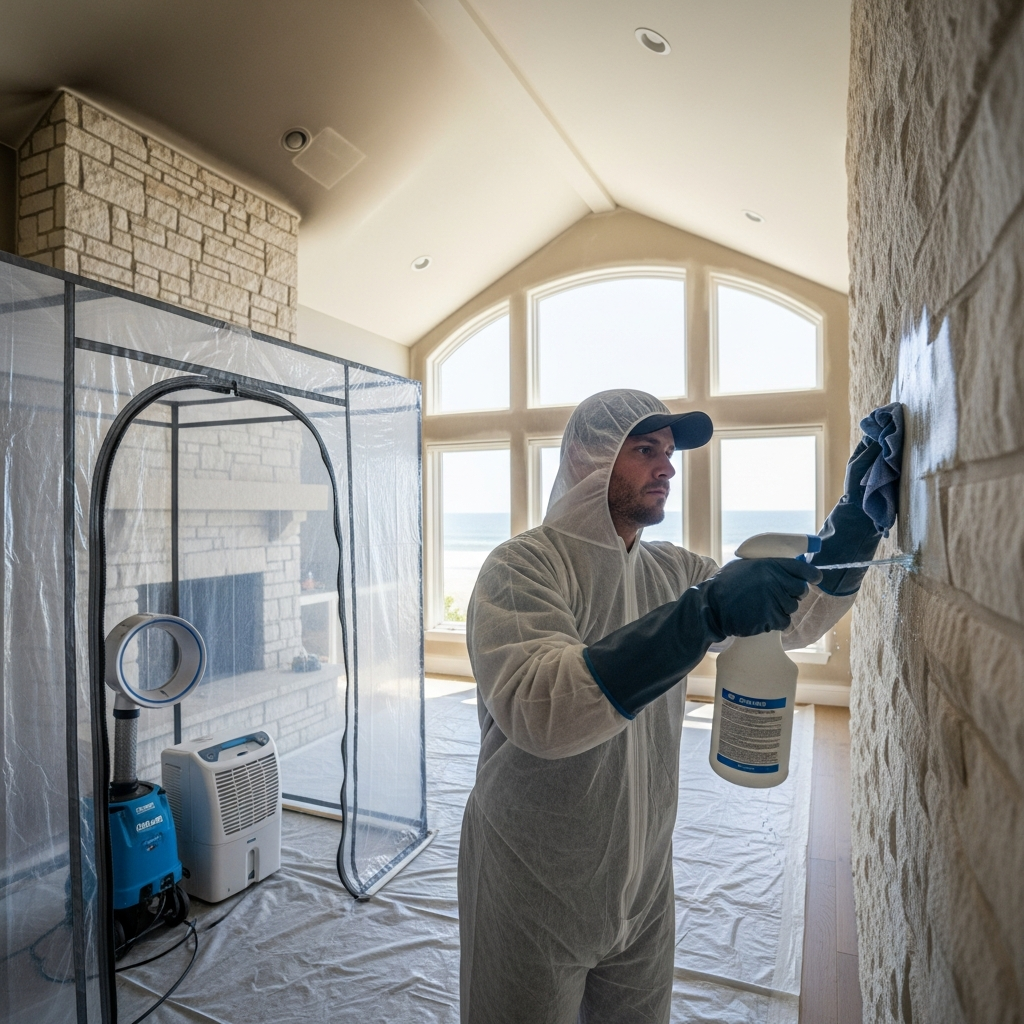
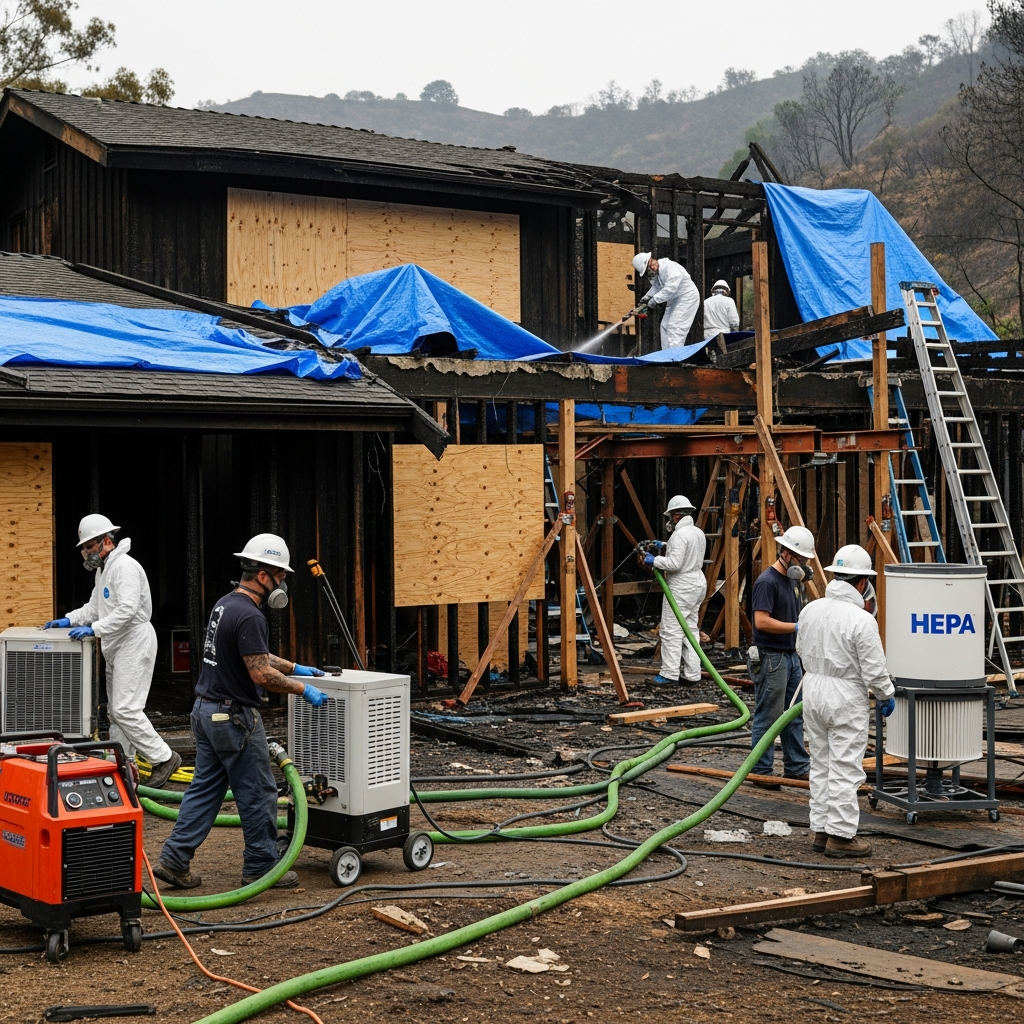
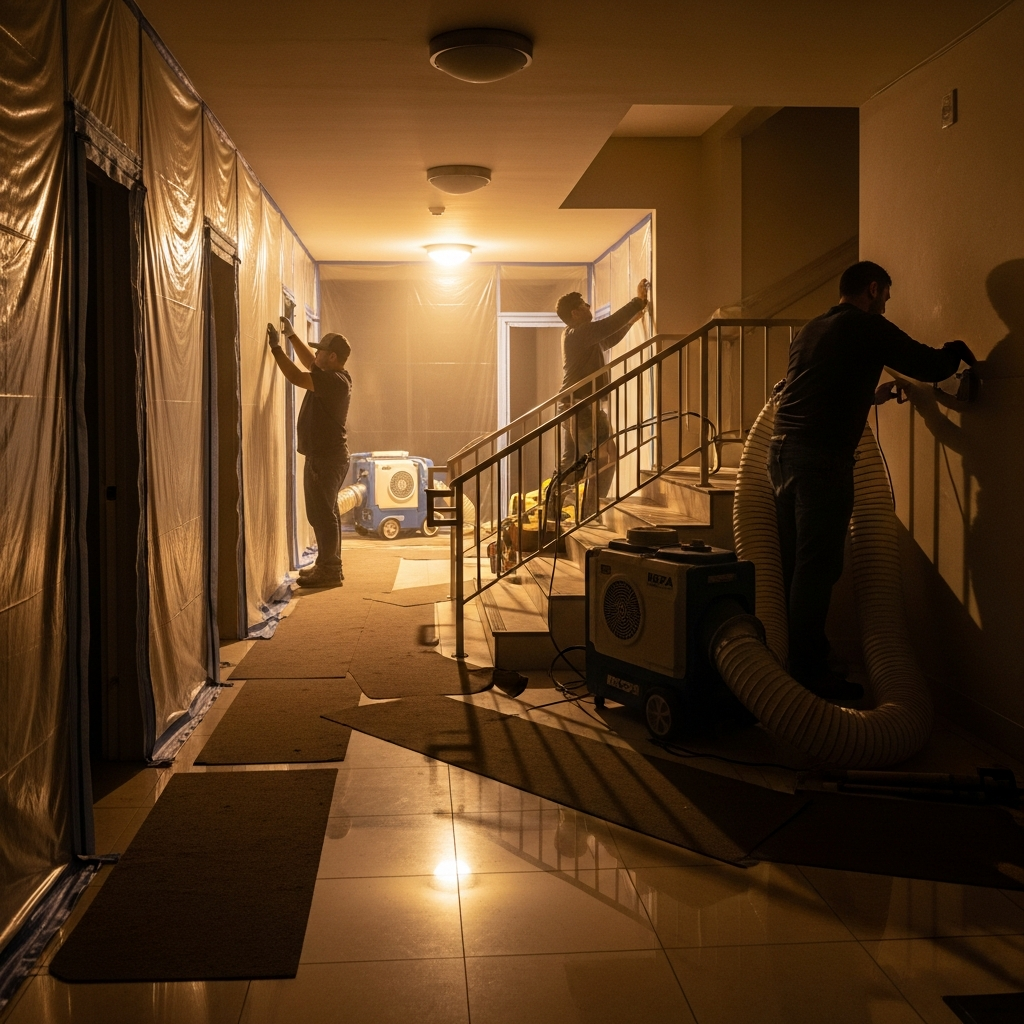
Stabilization begins the moment a unit is released. Safety checks confirm structural integrity and address utilities. Securing entry points is essential, not only against weather but also for privacy and security. Hallways and neighboring units are quickly assessed to understand how far smoke or water traveled. In apartments, stairwells and shafts act like chimneys, moving fine particulates vertically. Shared attics above top-floor units and mechanical rooms become hubs of attention, because they can redistribute odors if overlooked. Containment barriers go up to create clean corridors that residents can use while work proceeds without spreading contaminants.
Water from sprinklers or hoses is the next front. Extraction teams move methodically from the source outward, using moisture mapping to chart safe pathways and spot hidden pockets beneath vinyl planks, in carpet pads, or inside wall cavities. Because apartment buildings have neighbors on three sides of a unit, moisture that might dry easily in a detached home can linger here if not encouraged by targeted airflow and dehumidification. Fast, controlled drying protects both the affected unit and the peace of mind of the folks next door.
Communication as a Core Service
Twenty-four-hour restoration is as much about information as it is about tools. Property managers and HOAs need quick, clear updates to share with residents: which doors to use, when to expect noise, and what areas to avoid briefly. Posting simple daily notices and keeping a direct line open reduces confusion. Residents appreciate knowing that stairwells are safe, elevators protected, and odors addressed thoughtfully rather than masked with fragrances that trigger sensitivities. When the community feels respected, cooperation rises and the work flows.
Documentation also builds confidence with insurers and ownership groups. Time-stamped photos, unit-by-unit impact maps, and logs of moisture readings and cleaning steps turn a complicated event into a well-documented project. That clarity accelerates approvals for work that protects the property’s long-term health and value.
Apartment-Specific Cleaning and Odor Control
In multi-unit buildings, smoke rarely follows a polite line. It weaves through plumbing penetrations, electrical chases, and undercut doors. That means thorough cleaning must reach beyond the visibly affected unit. Hallway walls, ceilings, and light fixtures often collect a fine film that dulls their finish. Laundry rooms, mail areas, and shared lounges can trap odors in soft seating and acoustic materials. Odor control, therefore, is layered. Hydroxyl generators neutralize molecules in occupied spaces without forcing residents to leave, while targeted thermal fogging—in coordination with management—reaches hidden paths during windows when areas can be cleared briefly. The goal is to return common areas to a calm, neutral baseline that residents recognize instantly.
Inside the impacted unit, the sequence mirrors best practices: dry soot capture first, carefully matched detergents next, and, when needed, media blasting on raw materials in concealed spaces. If insulation in interstitial cavities or attics above top floors absorbed significant smoke, replacement is often the fastest route to a truly fresh result. Sealing and repainting happen after surfaces are verified clean and dry, preventing odors from creeping back when the building closes up for the night.
Shared HVAC and the Path of Least Resistance
Many apartment buildings use centralized or shared HVAC elements that can distribute particulates widely if not handled carefully. Emergency protocol includes shutting down affected zones and inspecting air handlers, filters, and duct branches. Cleaning impacted sections with agitation and HEPA capture ensures that when the system restarts, it does not reintroduce residues. In a coastal city like Malibu, where many residents rely on air conditioning during warm spells and close their windows at night, getting this step right is essential to a successful, resident-friendly outcome.
Even in buildings with independent systems per unit, return air pathways and corridor pressures can move odors between spaces. Coordinating with property management to stage equipment and route negative air safely helps keep clean areas clean and speeds the overall timeline.
Access, Staging, and Respect for Neighbors
Fast, 24-hour service succeeds when it looks organized. Staging equipment in designated zones, protecting elevators with proper pads, and maintaining clear egress routes show that the team respects the building. Noise-heavy tasks are scheduled with management input to minimize disruption. Debris removal follows a predictable path so residents do not encounter surprises in the morning. When the process is predictable, people relax—and a building regains its rhythm more quickly.
Pets and families add layers of care. Simple protocols—like checking that containment is pet-safe, or offering brief escorts through work areas for residents with mobility concerns—translate directly into goodwill. In apartment life, hospitality is not optional; it is the lubricant that keeps the project moving smoothly at any hour.
Midstream Markers of Real Progress
Halfway through a well-run apartment restoration, the signs are clear. Odors in corridors diminish and stay down even after overnight closures. Hallway surfaces brighten, and touchpoints feel clean rather than tacky. Impacted units show steady moisture reductions and visibly improved interiors. HVAC components have been evaluated, and either cleaning is complete or scheduled. Residents comment on the difference, and property managers can shift communications from alerts to updates about finishing touches. These are the cues that the building is moving from emergency to renewal.
At this point, collaboration with a Malibu-savvy team continues to pay off. Adjustments are made quickly because patterns of smoke migration in local building styles—open breezeways, stacked units with shared chases, and older complexes with quirky retrofits—are familiar. If a surprise pops up, it is met with solutions, not delays.
Insurance, Compliance, and Documentation
Multi-unit properties sit at the intersection of multiple interests—residents, owners, HOAs, and insurers. Documentation bridges them all. Unit lists, scope summaries, and clear before-and-after photos help each party see progress. When code-related repairs arise, coordination with local inspectors ensures that compliance work dovetails with restoration rather than creating a second project. That coordination keeps the timeline compact and prevents rework.
Returning to Normal, One Door at a Time
Move-back and reopening plans roll out in phases. Common areas come online first, then units clear sequentially as they pass odor and cleanliness checks. Contents return is orchestrated so residents find their spaces familiar, clean, and ready. The last sweep confirms that hallways, stairs, and amenities look and feel right, not just okay. A building should not carry the memory of smoke in its corners; it should feel like itself again.
Frequently Asked Questions
How fast can 24-hour services start work in an apartment building?
Mobilization begins as soon as the site is safe and accessible. Crews prioritize stabilization—board-ups, tarps, and shutoffs—then establish containment and begin water extraction and soot control. The aim is to create safe corridors and protect neighboring units immediately.
Will residents need to evacuate the entire building?
Usually not. With smart containment and phasing, many areas remain safely accessible. Short, coordinated closures may occur for tasks like thermal fogging or moving large equipment, but communication keeps disruptions brief and predictable.
How do you manage odors in shared hallways and amenities?
By combining source removal with safe, continuous deodorization such as hydroxyl treatment, and targeted interventions for hidden pathways. The objective is a neutral, clean scent that holds even when doors and windows are closed overnight.
What about pets, deliveries, and daily routines?
Workflows and schedules are designed with building life in mind. Crews protect pathways, plan around peak hours, and coordinate with management for special needs. Clear signage and updates help residents move through their day with confidence.
Can smoke travel into units that did not see flames or visible soot?
Yes. In apartments, shared chases, doors, and pressure differences can move fine particulates into adjacent spaces. That is why inspections extend beyond the origin unit and why cleaning often includes corridors and nearby apartments.
How do you ensure the HVAC does not spread contaminants?
Impacted zones are shut down, then air handlers and ducts are inspected and cleaned where needed with agitation and HEPA capture. Filters are replaced, and systems are restarted in sequence to verify that they run cleanly without reintroducing odors.
If your apartment community is navigating the hours and days after a fire, you deserve a calm plan that works around the clock and puts residents first. Restore comfort and confidence with dedicated fire damage restoration in Malibu, and bring your building back to clean air, clear hallways, and a steady daily rhythm.