Speed matters after a fire, but speed without a plan risks doing more harm than good. In Malibu, where coastal air, canyon winds, and varied architecture all influence how smoke and soot behave, fast cleanup means targeted action that prevents stains from setting, stops odors from taking root, and safeguards the finishes that make your home unique. I have watched mornings begin with gray haze over the water and end with bright, clean interiors because the team moved swiftly and intelligently—stabilizing the structure, capturing soot before it smeared, and drying what needed drying while the rest of the home took a deep, clean breath.
What homeowners want in moments like these is momentum. You want to see tangible progress each hour, not just hear promises. That begins with a local plan and a crew that has worked these streets—from Point Dume to Latigo Canyon—and knows how to move equipment and people through a jobsite with minimal disruption. Choosing experts skilled in fire damage restoration in Malibu puts you on the front foot, because the nuances of our microclimate and building styles are already baked into their playbook for quick, clean results.
Fast, Not Frantic: The First Hours
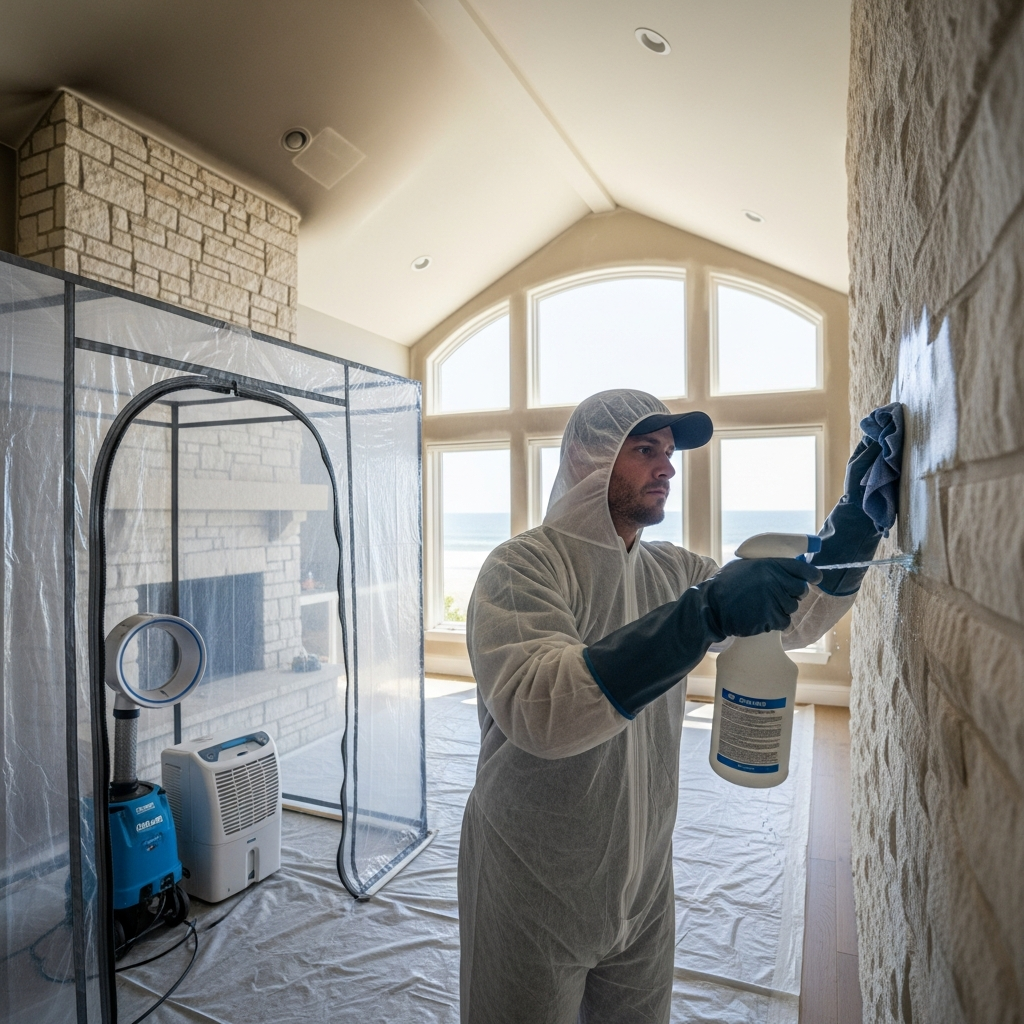
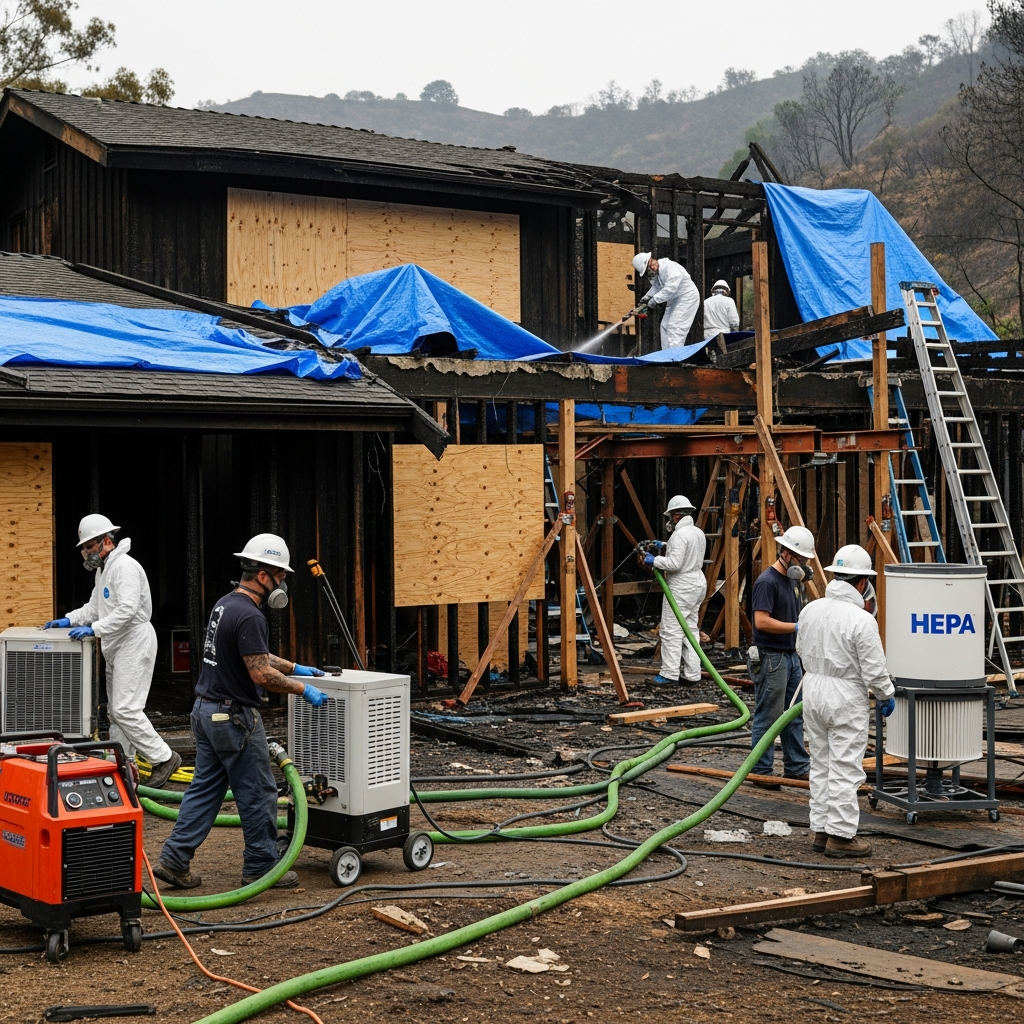
Fast cleanup starts with method, not muscle. As soon as the property is safe, containment goes up to prevent cross-contamination. HVAC systems are paused so soot does not ride the ductwork into rooms that appear untouched. Dry removal leads, wet cleaning follows. This order matters: lifting dry soot with HEPA vacuums and specialized sponges prevents smearing and staining, and it saves hours of rework later. If water was used to suppress flames, extraction and initial drying begin immediately—timed against Malibu’s marine layer and afternoon winds for maximal efficiency.
Access and staging are part of the speed equation. Equipment is placed to create a flow that avoids backtracking, and pathways are protected so you are not repairing surfaces that were just cleaned. When the crew moves like a thoughtful current through the home, surfaces clear quickly and morale improves. Homeowners see rooms brightening in real time, which turns a hard day into one with a visible horizon.
The Chemistry of Clean: Getting It Right the First Time
Cleaning products are tools with personalities. Choose the wrong one and you risk clouded glass, dulled stone, or tacky films. Choose wisely and residues release without a fight. Malibu homes often mix polished metals, custom lacquers, natural stone, and engineered surfaces. Each responds to heat and smoke differently. Test patches guide decisions, then technicians scale what works. If a surface wants a pH-balanced cleaner and a light touch, that is what it gets; if framing or attic sheathing holds embedded residues, soda or dry ice blasting may follow. The strategy is always the same: protect finishes while accelerating progress.
Odor control follows the same discipline. Instead of masking, we prioritize source removal and targeted deodorization. Hydroxyl generators operate while crews work, steadily neutralizing odor molecules without overpowering the home. Thermal fogging, when a match for the smoke profile and materials, reaches hidden paths and cavities. By planning deodorization in layers, the house regains a neutral baseline faster—and stays there when windows close at night.
Malibu’s Microclimate and the Pace of Work
Fast cleanup here means dancing with the weather. Mornings may be cool and damp, afternoons dry and breezy. Drying is scheduled to ride those shifts. Containment doors reduce drafts that would otherwise push soot into clean spaces. When the marine layer is thick, we rely more on dehumidification and targeted heat to keep materials on a healthy drying curve. The team monitors conditions and adjusts, so each hour serves the plan. This is the difference between constant motion and constant progress.
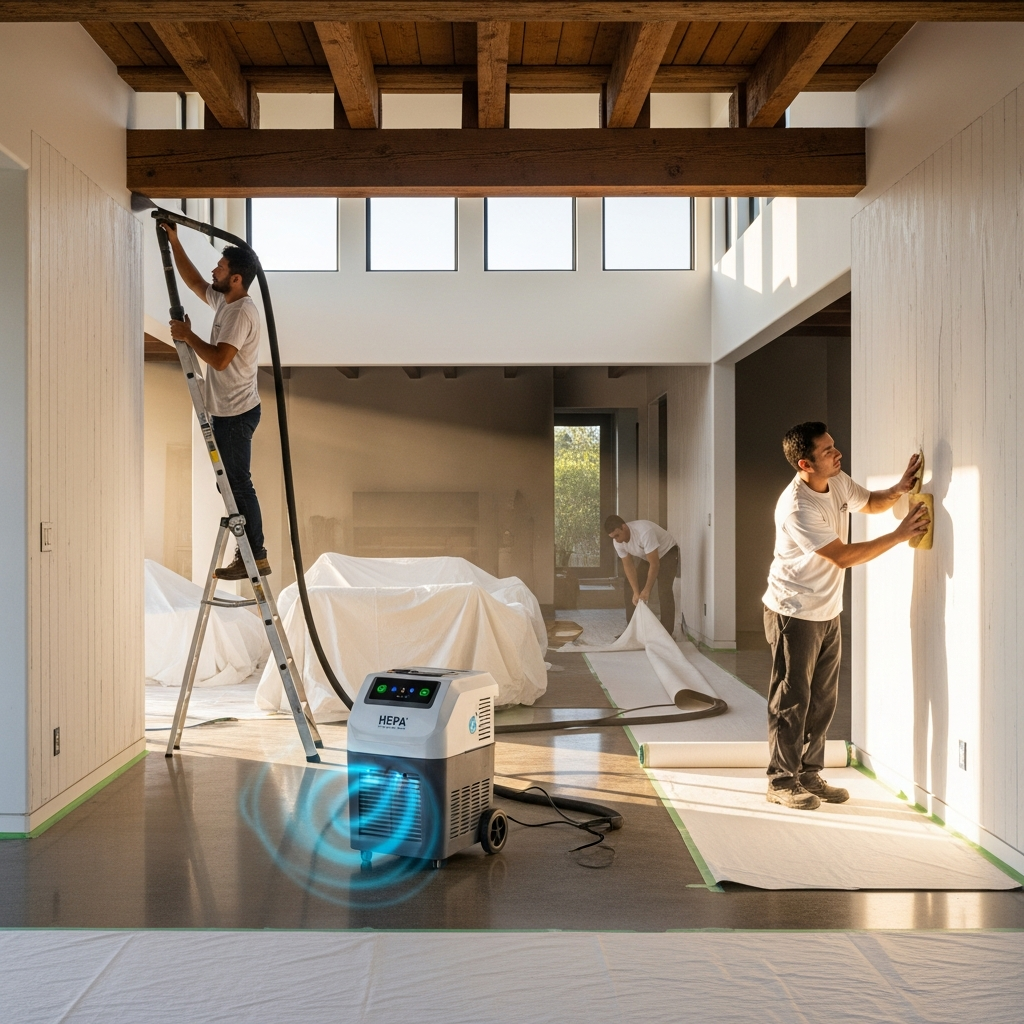
Architecture also sets the tempo. High ceilings, clerestories, and skylights require safe access, and they dictate a top-down approach so high areas are cleaned before anything below. Open-beam ceilings might need careful vacuuming, sealed woodwork might need delicate detergents, and custom glass might ask for a specific, non-abrasive formula. Local familiarity reduces trial and error, shaving days from the schedule without cutting corners.
Protecting What Matters Most
Speed is also about smart priorities. Sentimental items, fine art, instruments, and critical documents are stabilized and, when necessary, moved to a secure, clean environment. Rugs are rolled and tagged, upholstery is vacuumed with HEPA filtration before soot can embed, and textiles head for specialized cleaning. Everything is photographed, labeled, and tracked so the return feels as simple and orderly as the removal. This is how you move quickly while honoring the emotional weight of a home’s contents.
Electronics get early attention. Corrosive ions from smoke can quietly shorten the life of circuit boards. Stabilization and cleaning before power cycling help save devices that might otherwise fail in the months ahead. Stainless appliances, fixtures, and hardware are protected from etching and pitting. These quiet steps do not always show up in a photo, but they safeguard value and reduce future headaches.
The Midpoint: Signs Your Fast Cleanup Is on Track
By the middle of a well-run project, the home should look and feel different. Air is calmer and neutral, even with windows closed. Light fixtures, switches, and high-touch surfaces should feel crisp, not tacky. High areas should be complete or nearing completion, ensuring there is no dust-down onto finished rooms. HVAC components should be inspected, and, if impacted, cleaning should be scheduled or underway. Most of all, you should sense a clear arc from chaos to order—a feeling that each day is predictably better than the last.
If at any point progress stalls or odors resurface, a focused check usually reveals the cause: a missed cavity, insulation acting as an odor reservoir, or a section cleaned out of sequence. Local teams experienced in fire damage restoration in Malibu recognize these patterns quickly and correct course before a small oversight becomes a big delay.
Insurance and Approvals Without Drag
Nothing slows a fast cleanup like slow paperwork. The remedy is straightforward documentation: time-stamped photos, material-specific cleaning notes, and moisture logs when water was involved. Malibu homes often feature custom finishes; manufacturer care guidelines included in the file help adjusters green-light the right methods. Proactive communication keeps approvals aligned with the job’s pace so equipment, labor, and materials never sit idle waiting for a nod.
Finishing Strong: Detail Work That Seals the Win
Fast cleanup earns its reputation in the final mile. Detail cleaning refreshes corners, cabinet interiors, and those high, often overlooked surfaces that make a space sparkle. If sealing or repainting is part of the plan, it happens after surfaces are fully clean and, where applicable, dry and neutral. Contents return in a deliberate sequence that preserves the order you now expect from the process. The last thing anyone wants is a move-back that reintroduces dust or odor; instead, you should walk into rooms that smell like nothing and look like themselves at their best.
Aftercare: Keeping the Gains
Once your home is back, a few habits preserve that clarity. Schedule HVAC filter changes, especially after the first few weeks of normal living. Keep an eye on humidity during marine layers to protect finishes. Store textiles thoughtfully and give freshly restored areas a quick, regular wipe-down with appropriate products. These small practices keep the space as fresh on day ninety as it felt on day one.
Frequently Asked Questions
How fast should cleanup begin after a fire?
As soon as the property is safe and released, stabilization and initial cleaning should start. Early containment, dry soot removal, and, if needed, water extraction prevent stains from setting and odors from embedding. That early push sets the tone for the entire project.
Can fast cleanup still be safe for my finishes and belongings?
Yes, when speed is paired with testing and material-specific methods. Crews should try least-aggressive techniques first, scale up thoughtfully, and protect sensitive surfaces so quick progress does not come at the cost of damage.
What about my HVAC system?
Pause it immediately to stop soot movement. An inspection will determine whether cleaning is needed. Restoring airflow too soon can undo good work; bringing it back online at the right time supports a lasting, odor-free result.
Will I need to move out?
Sometimes, depending on the extent of impact and your comfort level. Many projects are phased so families can occupy unaffected areas while work proceeds in zones. Clear communication helps you decide what works best for your routine.
How do you make sure odors do not come back?
By removing source residues, addressing hidden cavities, and layering deodorization methods. When insulation or raw wood is a stubborn reservoir, strategic replacement or media blasting combined with sealing can lock in a neutral baseline.
How long does a fast cleanup usually take?
Timelines depend on size, materials, and extent of impact, but a well-planned project shows daily progress and often completes initial cleaning and deodorization in a focused, predictable window. Clear milestones keep everyone aligned.
You deserve a home that returns to normal quickly and beautifully—and a process that feels as organized as it is efficient. Take the next step with proven fire damage restoration in Malibu, and let experienced hands guide your space from aftermath to a fresh, confident finish.