“Best rated” means more than a star count. In Malibu, where architectural ambitions meet cliffside realities and wildfire seasons test neighborhoods, top-rated fire damage restoration firms earn their reputation through steady performance under pressure. They show up fast, communicate clearly, and deliver results that last past the next Santa Ana wind. But how can a homeowner sort polished marketing from proven capability? The answer lies in patterns you can verify—training, methods, documentation, and local references that match your home’s scale and style. If you are just beginning your search, it helps to orient with a primer on fire damage restoration specific to Southern California, then use that lens to evaluate contenders.
Malibu rewards experience. Hillside access, large glazing, reclaimed timbers, and ocean air complicate what might otherwise be straightforward cleaning and repair. The best firms embrace these variables rather than fight them. They build scopes with testing, they demonstrate outcomes with mock-ups, and they choreograph containment and airflow so clean stays clean. Their crews are trained, their subs are vetted, and their updates are consistent. Over time, those habits turn into reviews that talk about trust as much as technique.
What “best rated” looks like on the ground
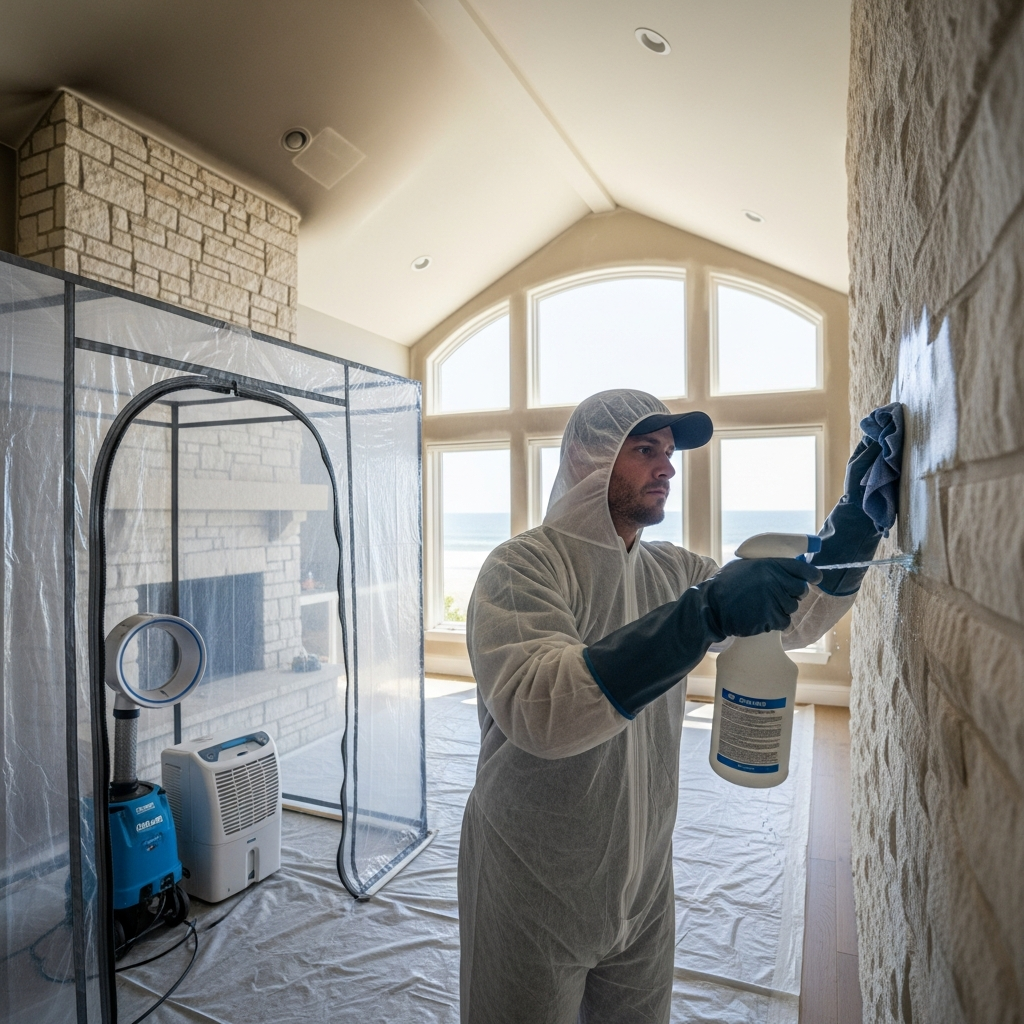
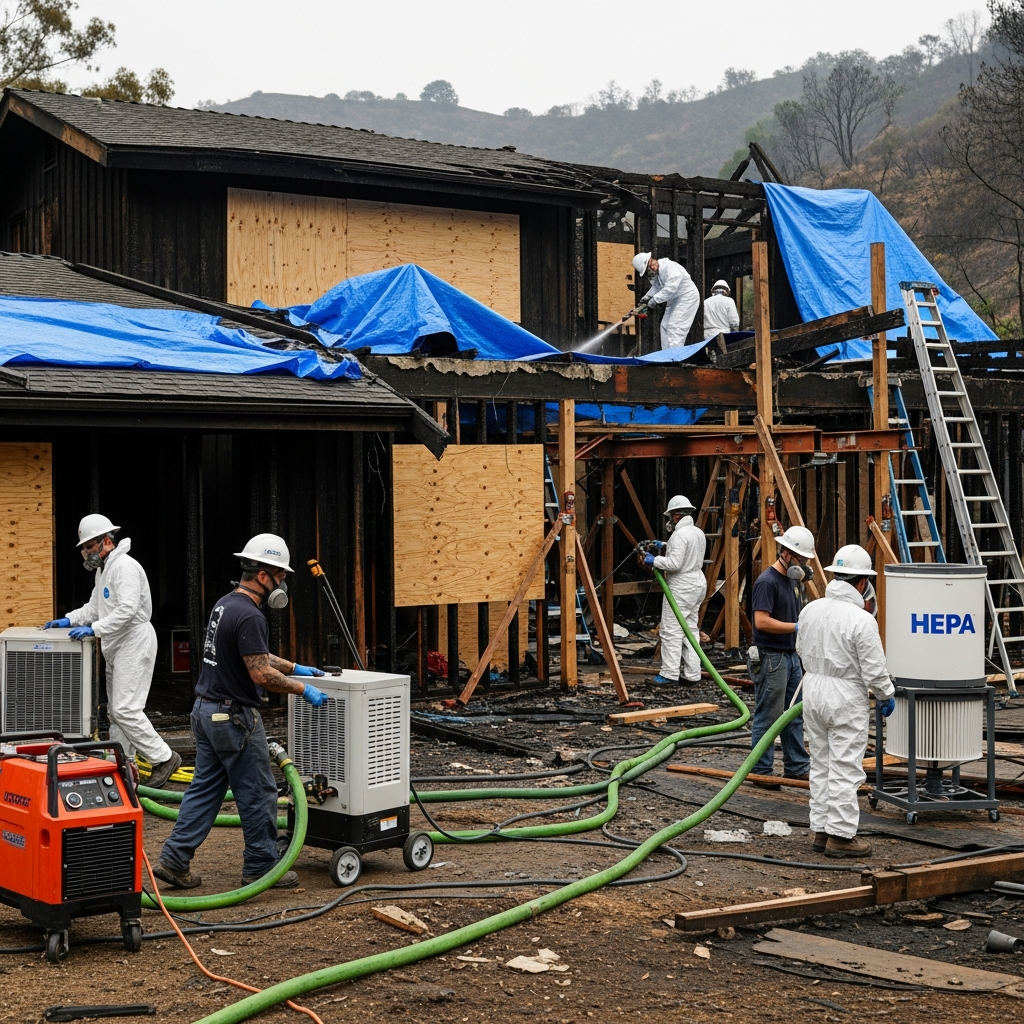
On arrival, top teams begin with a calm, thorough assessment: safety risks, structural concerns, moisture from suppression, and the likely migration of soot. They stabilize openings and utilities, then map residue to identify not just what is dirty but how it became dirty. That map drives a plan: dry removal first, then targeted wet cleaning, then odor neutralization and sealing where appropriate. Air management is central—HEPA filtration sized to volume, negative pressure in dirty zones, and protected pathways for occupants and crew. In Malibu’s canyons, where wind can flip midday, this discipline keeps the project moving forward rather than sideways.
Documentation is not an afterthought. Best-rated providers produce photo logs, moisture readings, and daily summaries you can share with insurers or keep for your records. When contents leave the home, chain-of-custody and clear labeling protect valuables and memories. When decisions are needed—salvage versus replace, surgical versus comprehensive—the options are presented with pros, cons, and test results instead of vague assurances.
Training, certifications, and culture
Technicians with IICRC training—FSRT, WRT, OCT, and AMRT—signal a company that invests in its people. However, certification is only the entry ticket. The culture of the best firms encourages curiosity and humility: test before you treat, clean before you seal, and contain before you clean. Supervisors reinforce method over momentum, especially on Malibu projects where custom materials can react unpredictably to aggressive products or tools. Safety is visible—PPE is worn correctly, negative air runs consistently, and ladders and lifts are used with care on sloped sites and tight driveways.
Specialty partners reveal depth. Best-rated teams bring in conservators for art, electronics specialists for sensitive devices, glaziers for etched panes, and metal refinishers for corroded hardware. They do not pretend to be everything to everyone; they coordinate experts so results hold up over time. That honesty is reflected in reviews that mention names and trades because those collaborations made a difference.
Local mastery: Malibu’s microclimates and design
From Broad Beach to Ramirez Canyon, microclimates shape strategy. Morning marine layers mix with overnight cooling, creating deposition patterns that puzzle outsiders. Experienced Malibu crews anticipate those patterns, checking soffits, attic channels, and window weeps where soot often hides. They protect glass early to prevent etching, treat metals before speckling turns to pitting, and manage runoff during exterior cleaning so ash does not backflow into clean interiors. They know which streets gridlock in the afternoon, when to stage bins to avoid neighbor conflicts, and how to keep traffic lanes open for emergency vehicles and service trades.
Design also shapes decisions. Open-beam ceilings may require multiple passes with HEPA vacuuming and dry sponging before any wet work. Reclaimed wood and natural fibers demand patience to avoid locking in odors. Oversized sliders and tall glass need special care to balance effective cleaning with scratch prevention. Best-rated teams explain these nuances upfront, so owners understand the “why” behind the pace and sequence.
Communication as a differentiator
Great restoration reads like a well-run production. You know the act you are in, the cues that signal a transition, and the preview of the next scene. Daily check-ins, shared photo galleries, and clear points of contact make it possible for families to make plans around noise, access, and temporary loss of rooms. When changes arise—an unexpected pocket of soot in an attic, a back-ordered material—the conversation is timely and solutions-oriented. That is the opposite of the “black box” experience that leaves owners guessing and anxious.
Reviews that matter talk about communication. They mention that the team explained options, showed mock-ups, and kept promises. They note that crews arrived when they said they would, protected landscaping, and left the site tidy at day’s end. Those are the unsung habits that separate the best from the rest.
How to evaluate candidates
Start by verifying credentials—state license, insurance, and IICRC training. Next, look for Malibu references and ask specifically about homes with features similar to yours. During the walkthrough, notice whether the team speaks in specifics: where containment will go, how many air changes per hour they will target, and which surfaces they will test before cleaning. Ask how they will handle contents, what documentation you can expect, and how often you will receive updates. The best answers are concrete, not canned.
Pay attention to fit. Restoration is a relationship that may span weeks or months. Do you feel heard? Are trade-offs explained without pressure? Does the firm proactively identify potential bottlenecks—PCH closures, HOA approvals, inspector schedules—and propose workarounds? Fit is not a luxury; it is an efficiency multiplier that pays off when surprises appear.
What reviews can’t show—and how to see it anyway
Public reviews rarely capture the mid-project grind where discipline matters most. Ask candidates for a sample daily report or scope from a prior project (with client details redacted). Request to speak with a past client about communication and problem-solving, not just final results. If possible, visit a current job (with permission) to observe containment, cleanliness, and crew behavior. These glimpses reveal whether polished promises translate into site realities.
Finally, remember that the best-rated firm for your neighbor might not be the best for you. Your home’s materials, your family’s sensitivities, and your schedule constraints are unique. The right partner will recognize those priorities and tune the plan accordingly, rather than forcing a template onto your project.
Frequently asked questions
How fast should a top-rated firm respond in Malibu?
Leading providers maintain 24/7 readiness and stage equipment nearby during high-risk periods. They balance speed with safety, securing the site, controlling moisture, and setting containment in the first visit so damage does not spread while longer-term plans develop.
What credentials signal a strong provider?
Active state licensure, robust insurance, and IICRC certifications (FSRT, WRT, OCT, AMRT) are foundational. Beyond credentials, look for clear scopes, testing protocols, and references from Malibu or similar coastal neighborhoods.
How do great teams handle odors?
They start with source removal and residue mapping, then apply targeted neutralization. Hydroxyl generators, activated carbon filtration, and, when appropriate, ozone or thermal fogging are used in a disciplined sequence. Lasting results come from cleaning first and treatments second.
Can best-rated firms save more of my finishes?
Often yes, because they test and stage work to protect materials. They understand how Malibu’s humidity and salt air interact with residues and adjust products and dwell times accordingly, increasing the chance that specialty finishes can be cleaned and preserved.
What should communication look like?
Expect daily or near-daily updates during active phases, shared photos, and clear milestone plans. Questions are answered promptly, and changes are documented with options and implications so you can make confident decisions.
Do I need to move out?
It depends on scope and sensitivity. With containment and air filtration, partial occupancy may be possible. Families with infants, elders, or respiratory sensitivities often prefer temporary lodging during intensive cleaning. The best firms help you weigh comfort, safety, and efficiency.
How do I compare proposals?
Compare specificity and sequence: containment locations, air filtration targets, testing plans, and salvage criteria. Look for realistic schedules that reflect Malibu access and weather. Proposals built on local experience typically translate into smoother execution.
Finding the right partner is not about chasing a perfect score; it is about matching proven capability with your home’s needs and your family’s expectations. When you are ready to interview teams, request a site assessment, and build a plan you can trust, take the next step by exploring local expertise in fire damage restoration and schedule a conversation that puts your project on solid footing.