Beachfront living in Malibu is about light, salt, and rhythm—the long hush of the tide, the flash of dolphins under a pink sky, the way mornings arrive wrapped in a marine veil that lifts by noon. When fire interrupts that cadence, whether through a direct blaze or drifting embers and smoke, restoration must honor not just a structure, but a shoreline lifestyle. Coastal architecture faces different physics and chemistry than homes inland, and the plan to bring a property back must answer to that reality. From corrosion control to sand-laden airflow, seasoned Malibu specialists treat fire damage restoration as a coastal discipline, not a generic checklist. The goal is simple to state and intricate to achieve: return the home to a place where ocean breezes feel fresh again, where sliders glide, where surfaces gleam without ghost odors, and where steel, stone, and cedar stand up to tomorrow’s salt spray.
Why Beachfront Fire Damage Is Different
Two environmental players shape every decision: salt and humidity. Soot is acidic on its own; add chloride-laden moisture and corrosion accelerates. Stainless steels lose luster, chrome pits, and galvanized fasteners start a rust cycle that can telegraph through stucco months later. Meanwhile, the marine layer presses fine moisture into crevices, slowing dry times and creating pockets where odor hangs on. Sand is a third actor, sneaking into tracks, under thresholds, and into cavities wherever air travels. These factors make time the enemy and technique the ally. Immediate neutralization of metals, controlled humidity during drying, and deep cleaning of sliding-door assemblies and window weep systems are not extras; they are essential.
Access and exposure change the tactical map, too. Beachfront homes tend to feature large expanses of glazing, open-plan living areas, and exterior claddings that prize weathered textures. After a fire, those same design choices can become odor reservoirs or cleaning challenges if not approached correctly. Knowing how to treat cedar that has traced smoke into its grain without sealing in the smell, or how to clean etched glass without adding scratches, is the difference between a quick fix and a lasting renewal.
First Priorities on the Sand
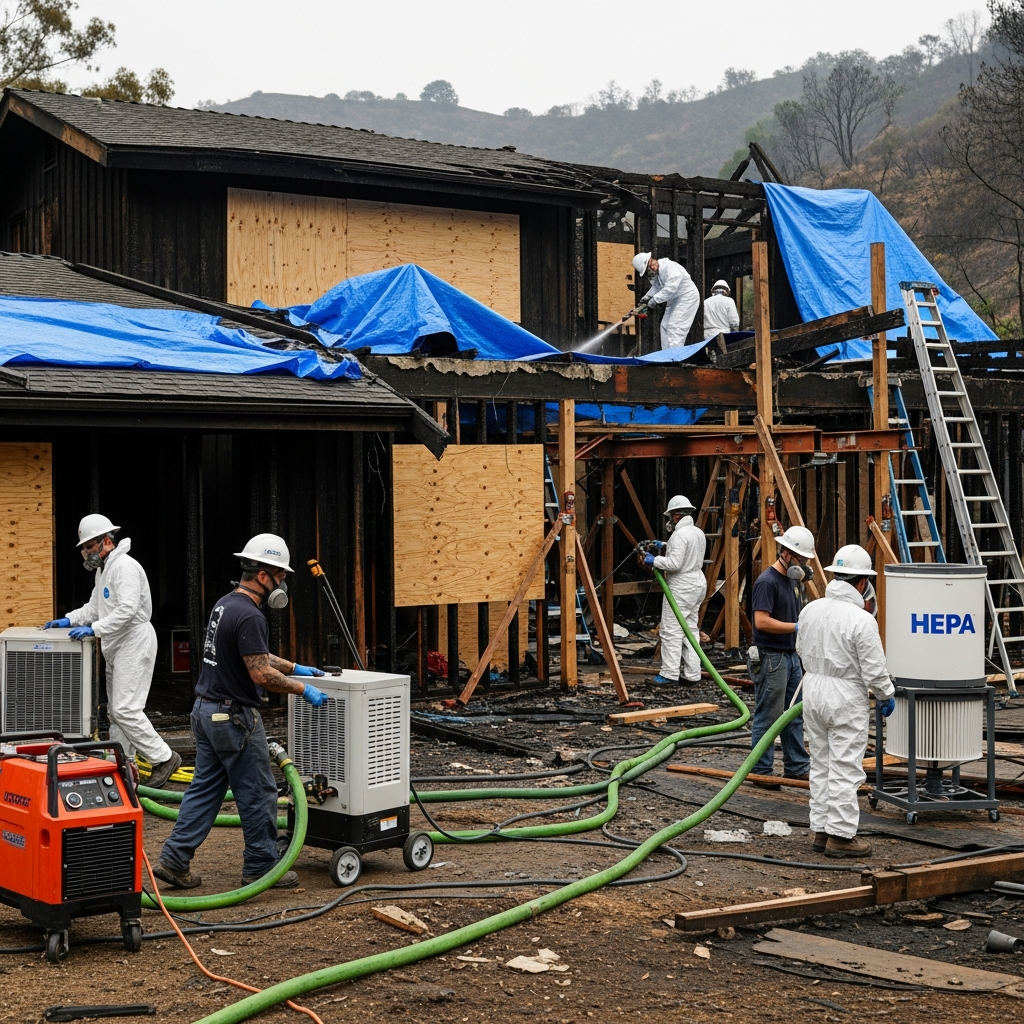
As soon as officials release the site, securing the envelope is step one. Board-ups on the beach are about more than security; they are about environmental control. Temporary barriers reduce marine moisture intrusion, stabilize interior humidity, and keep sand from piling into open cavities. Utilities remain off until verified safe, and any structural concerns, especially with decks and pile-supported platforms, get a professional review. Saltwater proximity can mask structural damage beneath surface discoloration; a seasoned eye plus measuring tools keep crews safe and decisions sound.
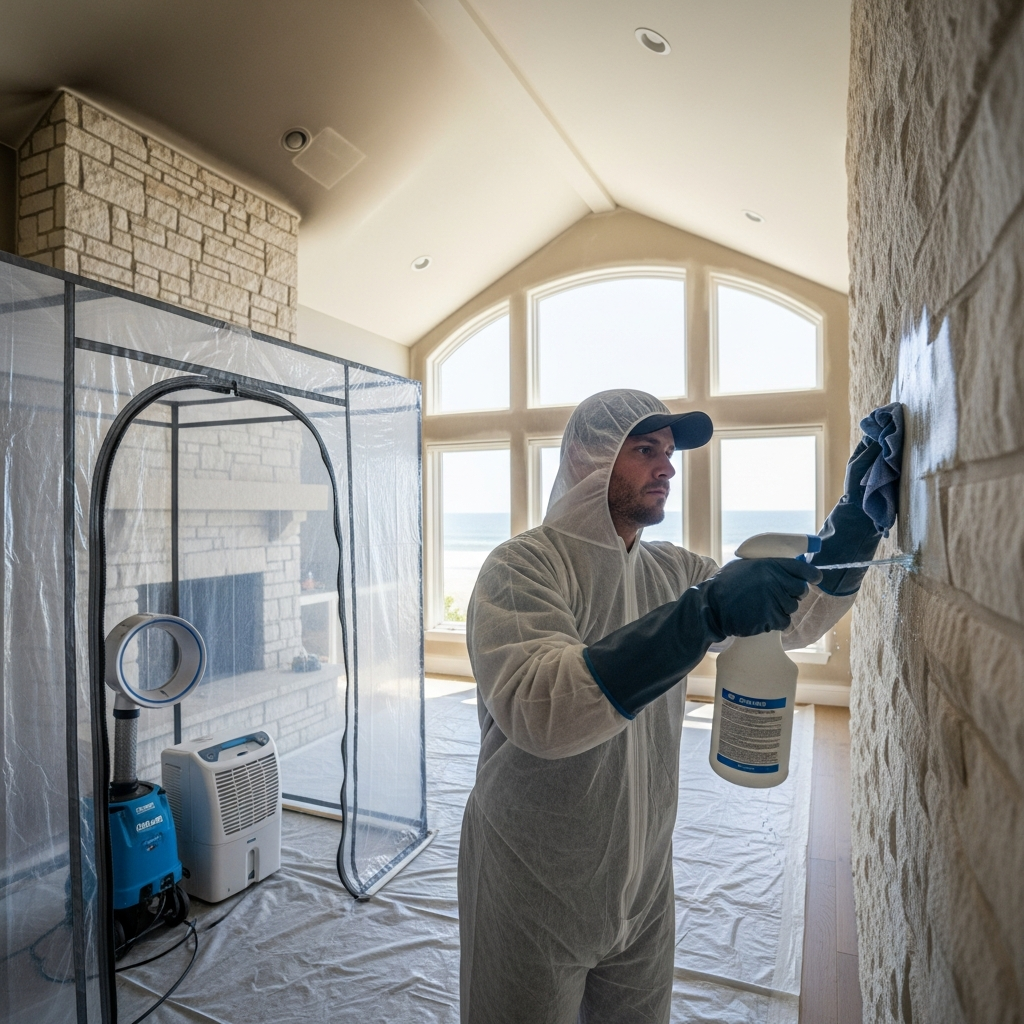
Drying begins as early as possible, but it must respect the coastline’s moisture reality. Desiccant dehumidification often outperforms refrigerant units in cool, damp marine layers, pulling deep moisture from framing and subfloors. Hardwoods can be coaxed back from cupping with mat systems, while under-tile mortar beds may need strategic removal to prevent hidden dampness from inviting microbial growth. Throughout, containment and negative air ensure that soot and demolition dust do not travel from work zones to clean rooms. Airflow patterns along the beach, influenced by daily wind shifts, make vigilance constant.
Metals, Glass, and the Art of Corrosion Control
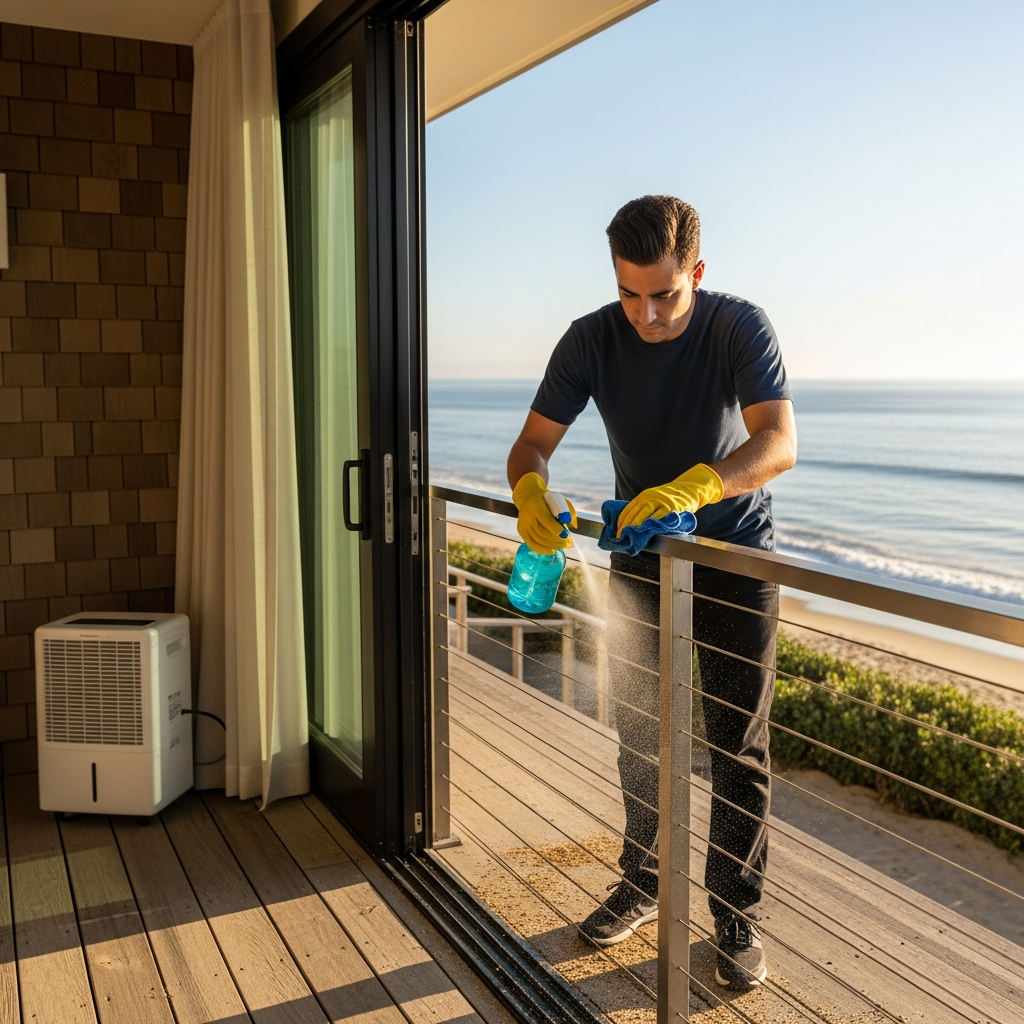
Coastal homes are love letters to metal and glass. After smoke exposure, those materials demand early attention. Technicians trained in corrosion mitigation perform pH testing on residues and enact neutralizing protocols that stop the chemical attack before polishing begins. Stainless appliances, door pulls, and railings often recover beautifully if haze and spotting are addressed in the first days. Bronze and brass hardware appreciate specific waxes post-cleaning to lock in luster. For window walls and sliders, cleaning is more than Windex; tracks, rollers, and gaskets need flushing and lubrication. Weep holes must be cleared so that the next marine mist drains properly instead of pooling and staining.
Etched glass is a heartbreak if mishandled. Mild abrasives can dull surfaces; professional-grade compounds and pads, used sparingly and test-patched, can lift fine etching without visible distortion. In severe cases, targeted replacement saves the view and the budget. The best restorations preserve the design intent: transparency to the horizon, clean lines, and quiet operation of every moving part.
Stone, Wood, and Textiles in a Salt-Infused Setting
Natural stone is common in Malibu beachfront kitchens and baths. Polished marble, limestone, and travertine show soot etching quickly; poultices and pH-balanced cleaners are the first line of response. Sealing comes only after the stone is restored and fully dried; otherwise, odor can be locked in. For wood, species and finish guide strategy. Cedar siding and ceilings absorb odor; controlled cleaning, drying, and, where needed, encapsulating sealers designed for smoke-damaged substrates preserve warmth without a plastic look. Wide-plank oak floors deserve patient drying and light resurfacing; aggressive sanding can chase odor deeper and flatten character.
Textiles take on a special life at the beach. Slipcovers, draperies, and area rugs carry both smoke and salt. Gentle vacuuming with HEPA capture, ozone-free deodorization like hydroxyl treatment, and carefully chosen wet-cleaning methods restore freshness. Outdoor cushions and umbrellas collect both soot and brine; cleaning them well prevents bleed-through stains on decks and keeps rust from blooming on hardware. Drying these items in controlled air prevents mildew that can set in fast near the surf.
HVAC, Sea Air, and the Invisible Pathways of Odor
Air systems are the secret highways of smoke and salt. Ducts accumulate fine particulates and saline film, and if left alone, they re-odorize freshly cleaned rooms. Professional cleaning of coils, housings, and ducts, followed by filter changes staged through demolition and rebuild, is non-negotiable. Selective duct sealing after cleaning can reduce the tendency of particles to cling in the moist coastal air. In many beachfront homes, mechanical rooms are tight; technicians stage work to keep corrosion control and HVAC cleaning from tripping over each other, and they protect sensitive electronics from fine soot during demolition phases.
Windows, Doors, and Living with the Breeze
Large sliders and pivot doors define beach living; they also demand meticulous restoration. Rollers and tracks must be fully cleared of soot and sand; gaskets that absorbed smoke may need replacement to eliminate persistent odors and improve energy performance. Exterior thresholds collect deposits that, if ignored, produce stains after the first foggy night. Reestablishing smooth travel and tight seals restores both ease and efficiency, letting you open to the ocean when you want and close against the marine layer when you need.
Neighborhood Coordination on the Strand
Beachfront neighborhoods share walls, alleys, and beach rights-of-way. Excellent projects minimize disruption: staging materials to keep paths clear, scheduling noisy work away from quiet hours, and communicating with neighbors so deliveries and dumpsters do not surprise anyone. Crews practice rigorous housekeeping to keep sand and ash from traveling beyond the site. Respect begets cooperation, which helps when tight access must be negotiated for glass replacement or specialty equipment deliveries.
Insurance and Valuation for Coastal Finishes
Beach homes frequently feature custom glazing, bespoke cabinetry, imported stone, and marine-grade metals. Documenting those finishes with model numbers, cut sheets, and close-up photos supports appropriate like-kind repairs. Adjusters appreciate clarity: notes that explain why certain hardware must be replaced due to chloride pitting, or why a specific sealer is necessary after cleaning porous stone. Transparent scopes that tie each action to a measurable need speed approvals and protect the home’s long-term performance.
Mid-Project Checkpoints that Keep the Ocean Breeze Fresh
As the project crosses from heavy cleaning into rebuild, a mid-project review ensures the home is truly odor-free and corrosion is contained. Particle counts and sensory walkthroughs verify that air feels clean, not just perfumed. This is an excellent moment to revisit the long-term plan: ember-resistant vents, improved attic air sealing, and exterior material choices that will weather better on the sand. It is also a natural time to share educational resources on comprehensive fire damage restoration so that every stakeholder—owner, designer, insurer—aligns on the finish line and how to get there smoothly.
From Blackened to Better: Rebuilding with Coastal Wisdom
Rebuild is your chance to add resilience quietly behind beauty. Non-combustible claddings that echo wood grain, impact-rated glazing with low-e coatings that suit the light, and subfloor systems that resist moisture all pay dividends. Hidden details matter: stainless fasteners, properly flashed transitions, and venting that blocks embers without inviting corrosion set you up for years of peace. The finished result should not announce “I was restored.” It should simply feel right, with windows that sing on their tracks and rooms that smell like the ocean, not the past.
FAQ: Beachfront Fire Damage Restoration in Malibu
Does salt air really make smoke damage worse? Yes. Chloride-rich moisture accelerates corrosion and can reactivate odors. Early neutralization and humidity control are crucial on the beach.
Can large sliders be saved after smoke and heat exposure? Often they can. Thorough cleaning of tracks and rollers, gasket assessments, and selective component replacement restore smooth operation and tight seals.
Will stone counters and showers recover from etching? With prompt, skilled poulticing and polishing, many polished stones can be returned to a near-new appearance, followed by appropriate sealing.
Is ozone safe to use in beachfront homes? Alternatives like hydroxyl generators are often preferred during occupancy. If ozone is selected, it should be performed by trained professionals in unoccupied spaces with controlled re-entry.
How long will drying take near the ocean? The marine layer can extend drying times. Desiccant dehumidification and controlled airflow help achieve targets without over-demolition.
What about outdoor showers, kitchens, and decks? They collect soot and salt; cleaning should address corrosion and drainage to prevent stains or slippery surfaces after fog or spray.
Do I need to replace all my hardware? Not always. Early neutralization and polishing save many pieces; those with deep pitting are better replaced to prevent future staining and failure.
Bring Your Beach Home Back to Its Easy Breath
If fire and smoke have unsettled your Malibu beachfront refuge, the right plan will return it to calm—free of odor, smooth in operation, and ready for sunrise coffee and sunset toasts once more. Lean on coastal specialists who understand the chemistry of salt and soot and the choreography of restoring glass, metal, and wood by the sea. Start by reviewing best-practice fire damage restoration methods, then reach out to set a visit. With careful attention and local wisdom, the ocean breeze will feel like itself again—clean, bright, and yours.