To understand what “best” means in Malibu after a fire, you have to look past glossy before-and-after photos and focus on the quiet, technical decisions that protect a coastal home for years to come. The finest results come from teams that pair deep building science with a neighbor’s familiarity—who know how ash rides the afternoon wind along the Pacific Coast Highway, how salty fog etches metal in hours, and how canyon breezes draw smoke through hidden chases. From that very first walkthrough, excellence in fire damage restoration is the sum of hundreds of small, correct choices: which materials to save, what to seal, where to dry, and when to rebuild. In Malibu, where beachfront glass meets hillside stucco and cedar, those choices have to be tailored with care.
Defining “Best” Through Process, Not Promises
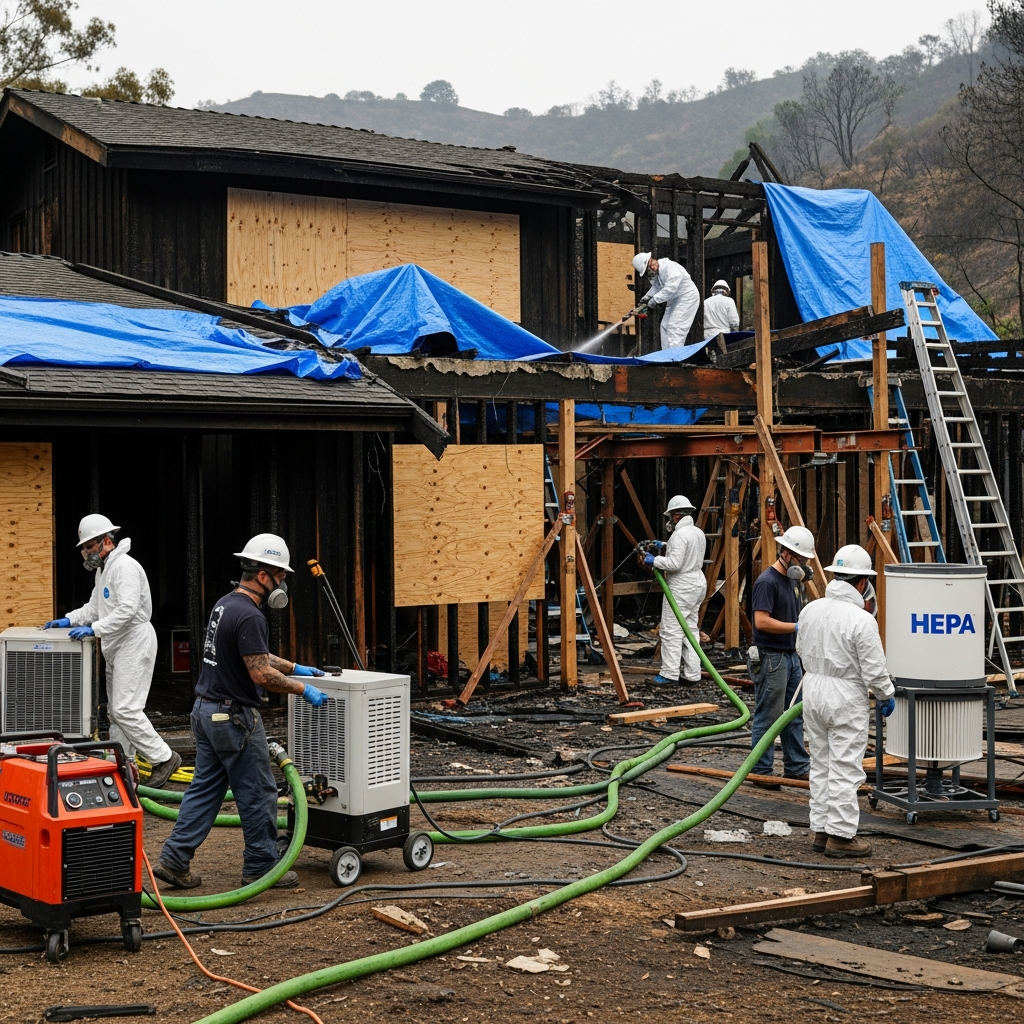
The best repair and cleanup elevate process over platitudes. It begins with documentation sophisticated enough to tell the full story of what happened: panoramic photos, detailed moisture maps, surface pH readings, and inventory logs that attach to every removed item. That record becomes the spine of the claim and the blueprint for recovery. Next comes safety and stabilization—board-ups, structural shoring if needed, and utility controls—delivered with sensitivity to the site and neighbors. Malibu’s narrow lanes and gated drives demand crews that work clean, communicate clearly, and treat every property with respect.
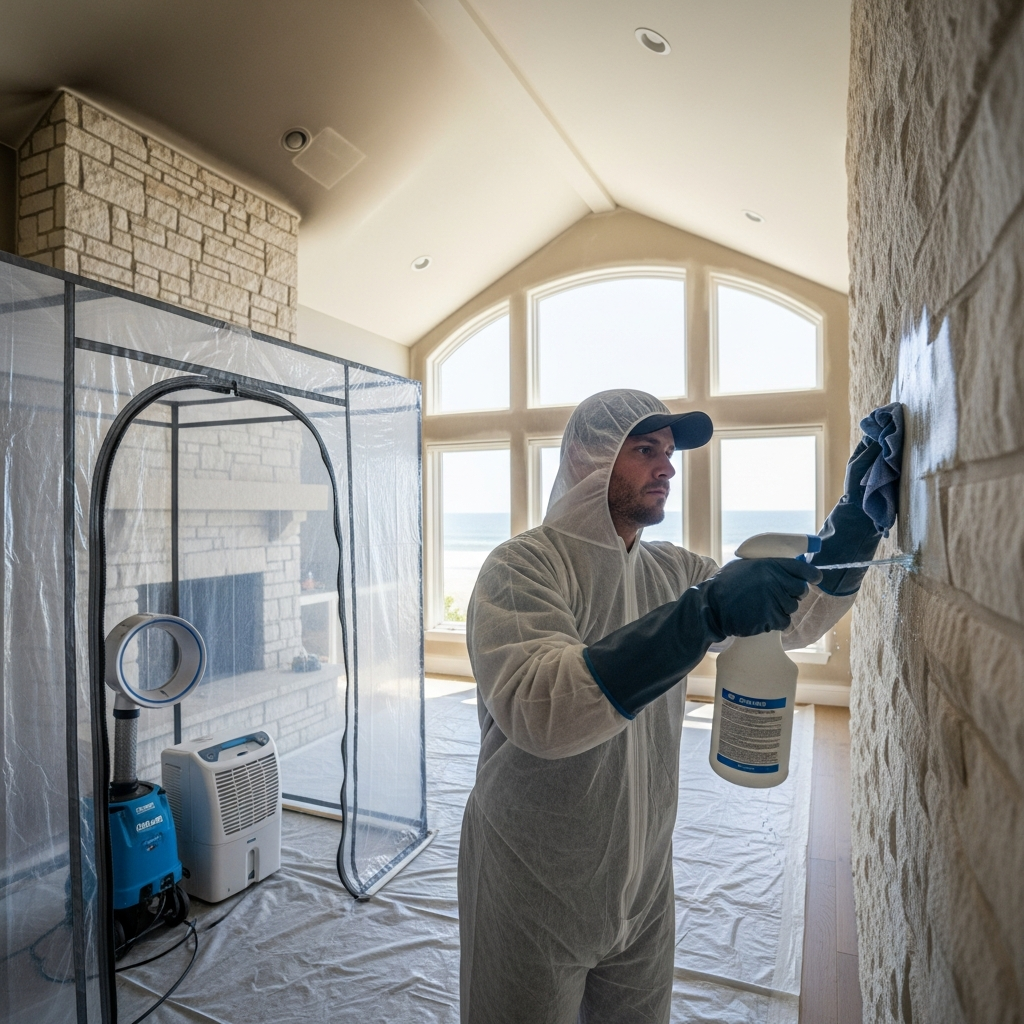
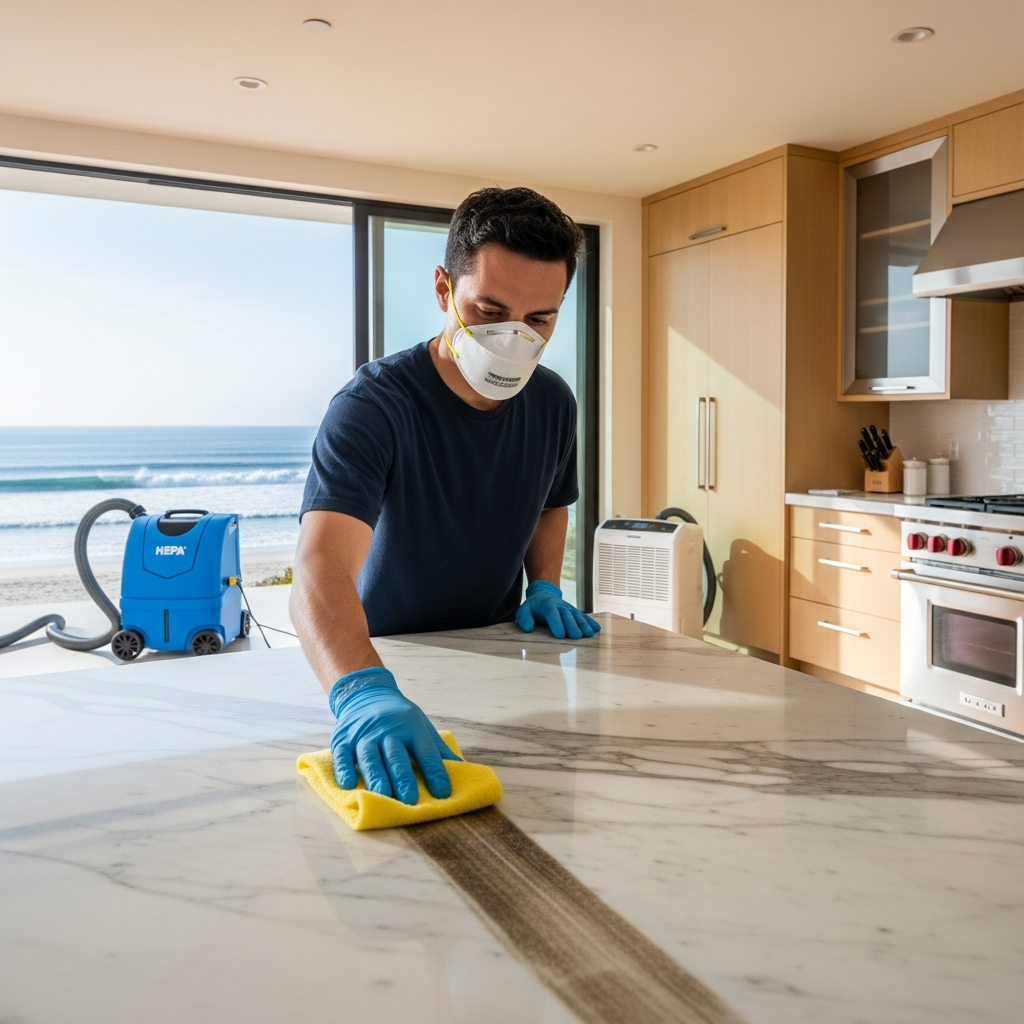
Once the scene is secure, drying and cleaning protocols move in concert. The best practitioners understand that smoke cleanup without airflow management is like mopping with the faucet still running. Containment, negative air, and HEPA filtration guide the invisible flow of particulates so that progress sticks. Precision matters in material-specific cleaning, from chem sponges that lift dry soot off matte paint to adjusted pH cleaners that spare marble vanities. Done right, these steps reduce demolition and preserve the character of the home.
Local Building Knowledge is a Competitive Edge
Malibu’s housing stock is eclectic: mid-century cliffside gems, contemporary beachfront pavilions, rustic ranch homes tucked along Kanan, Latigo, or Topanga canyons. Each style brings distinct vulnerabilities. Cliffside properties experience amplified wind loads and pressure differentials that can drive smoke deep into insulation and light wells. Beachfront homes deal with sand infiltration and marine-salt corrosion on fixtures and fasteners. Knowledge of these patterns informs everything from where to open walls for targeted drying to how aggressively to neutralize and polish metals before they pit. This is where the “best” teams distinguish themselves—not just in what they clean, but in what they anticipate.
Craftsmanship in Cleaning and Repair
Cleanup is not a prelude to repair; it is the foundation. In living rooms with char on beams but intact joinery, careful scraping, sanding, and encapsulation preserve architectural details while eliminating odor reservoirs. On smooth-plaster walls prized in many Malibu homes, feather-sanded transitions and primer systems designed for smoke-damaged substrates minimize telegraphing. Exterior stucco requires its own sequence: gentle washing to remove alkaline ash, testing for trapped moisture, and recoating with systems that maintain breathability while providing protection. Where fire and water combined to lift flooring, board-by-board salvage with matched species and millwork respects the original design. True craftsmanship means that when guests return months later, they notice the ocean view, not the repair.
Metalwork often needs a conservator’s touch. Stainless appliances can be rescued if corrective polishing begins quickly; bronze hardware responds to specific waxes after neutralization. Window and door assemblies—especially large sliders common on the beach—require cleaning of tracks and weep systems to restore smooth travel and drainage. A best-in-class approach pairs specialized tools with patient hands, prioritizing preservation over replacement wherever feasible.
Air Quality: Where the Invisible Becomes Central
In a luxury coastal market, occupants expect to breathe easy again, and that requires more than a pleasant scent. Air quality is measured, not guessed at. Top teams deploy HEPA air scrubbers strategically, rotate filters as work progresses, and validate results with particle counts or, when appropriate, third-party testing. HVAC systems are a major vector; coils, housings, and duct interiors need methodical cleaning and post-clean sealants in selected runs to reduce odor re-emergence. In Malibu’s humidity, maintaining target grains per pound during drying prevents microbials from seizing the moment. When rebuild begins, airflow controls remain in place to keep new materials clean.
Coordinating with Insurers Without Compromising the Home
A hallmark of the best cleanup is deft insurance navigation that never loses sight of the homeowner’s priorities. Clarity upfront about salvageability, realistic timelines, and necessary specialized services reduces friction. Malibu properties often include custom stone, imported tile, or bespoke cabinetry; documenting these with model numbers, finish specs, and before-damage photos supports accurate like-kind repairs. The best restorers advocate thoughtfully—explaining why targeted removal in a wall chase stops long-term odor, or why early electronics decontamination preserves function and data. Collaboration, not confrontation, gets claims approved in a way that serves the home.
Transparency continues in weekly updates: what zones are cleaned, which are drying, and what is next. Shared schedules respect other trades—glass, millwork, roofing—so the project hums instead of collides. Neighbors and HOAs appreciate notices that keep traffic predictable and sites tidy, which in turn keeps access doors open when you need them.
Mid-Project Milestones that Signal Excellence
Midway through a well-run restoration, there are telltale signs of quality. Odors should be faint to none, not just masked. Clean zones should stay clean day after day because containment and air management are effective. Documentation should be easy to follow, and change orders should reflect genuine discoveries, not guesswork. At this juncture, homeowners benefit from reviewing the roadmap again and aligning on finishes and sequences for rebuild. If you are evaluating partners, check how they handle this midpoint meeting; the best invest real attention here, often sharing educational resources on fire damage restoration so everyone knows how the remaining phases will deliver a home that smells fresh and functions flawlessly.
Protecting What Makes a Malibu Home Special
Restoring a Malibu property means protecting intangibles: the way morning light bounces off the water through clerestory glass, the warmth of reclaimed wood under bare feet, the quiet hum of a hidden HVAC system on a foggy night. That philosophy shapes decisions like choosing low-odor coatings that will not off-gas for weeks, or sequencing noisy work to preserve neighborhood peace. On beachfront lots, it might involve extra time to flush salt and soot from hidden fasteners to prevent rust cycles that would stain stucco later. On canyon lots, it could mean adding ember-resistant vents that respect the façade while hardening the envelope against future windborne sparks.
Communication That Lowers Blood Pressure
After a fire, uncertainty is exhausting. The best teams reduce it through proactive communication: daily summaries when the pace is fast, weekly overviews as the project stabilizes, and always-available contacts for quick questions. Dashboards, shared photo folders, and simple checklists help homeowners follow along without being on site. Respect for privacy, care with security systems, and tidy staging are part of the trust equation. In Malibu’s close-knit enclaves, reputation travels; crews who show courtesy and restraint are welcome guests in the neighborhood, which pays dividends on tight timelines.
From Cleanup to Rebuild Without Losing Momentum
Seamless handoffs keep quality high. Before reconstruction starts, the “white glove” phase clears every speck from the work area, because dust is the enemy of perfect paint and finish carpentry. Pre-construction meetings align on details: matching millwork profiles, lighting control placements, and window hardware that stands up to coastal air. When done right, the home emerges not just as it was, but better—tighter, cleaner, more resilient.
FAQ: Best Fire Damage Repair and Cleanup in Malibu
How do I know a company is truly experienced in Malibu? Ask for local references, examples from beachfront and hillside homes, and details on how they handle salt-air corrosion alongside soot cleanup.
Can my electronics be saved after smoke exposure? Many can, if decontaminated promptly by qualified vendors. Early action prevents corrosive residues from damaging circuitry.
What are signs that cleanup is being done correctly? Diminishing odors, clean containment lines, clear documentation, and thoughtful sequencing indicate quality work.
Will insurance cover premium finishes? Policies vary, but thorough documentation of like-kind materials and custom features supports appropriate coverage decisions.
How long does a high-quality restoration take? Timelines depend on scope, but efficiency grows when drying, cleaning, and rebuild planning begin together rather than in a strict sequence.
Is thermal fogging safe for my family and pets? When used correctly by trained professionals and followed by ventilation, it is a common, effective tool. Alternatives like hydroxyl generators may be chosen depending on the situation.
What about my outdoor spaces? Decks, grills, and exterior kitchens collect soot and need cleaning that addresses corrosion and runoff management to protect landscaping and drains.
Bring Your Home Back, Beautifully
If you are searching for the best path from smoke and char back to sunlit, sea-breeze living, choose partners who cherish Malibu as much as you do and who prove it in method and manners. Explore the standards behind exceptional fire damage restoration, then start a conversation about your home’s specific needs. With clear communication, disciplined technique, and a craftsman’s eye, your spaces can welcome you back with the comfort and calm you remember—only stronger.