When a wildfire sweeps past Malibu’s canyons or a kitchen flare-up sends soot spiraling into open-beam ceilings, the visual damage is only part of the story. Smoke molecules are agile; they slip behind baseboards, settle inside HVAC systems, and cling to textiles that look clean at a glance. The real craft of recovery is understanding how heat, humidity, airflow, and building materials shape the journey of those particles. In Malibu, where ocean air meets hillside homes, that science plays out differently than it does inland. If you need a primer on approaches that work here on the coast, you can begin with a local perspective on fire damage restoration and then tailor solutions to your property’s architecture and exposures.
Restoration should never start with paint or perfume. It starts with safety and stabilization, then moves to methodical cleaning and odor resolution. The goal is not to mask; it is to remove, neutralize, and protect. Experienced teams read the smoke signature: Is it dry soot from fast-burning brush, wet soot from a protein fire, or oily residues from plastics? Each behaves differently, and each demands a distinct process. Malibu adds layers—salt air that accelerates corrosion, canyon winds that push contaminants into cavities, and the large window expanses that can etch quickly if soot is allowed to linger.
Understanding smoke behavior on the coast
Smoke is a mixture of gases and microscopic solids. In a coastal environment, humidity influences deposition and corrosion. Acidic residues can attack metal fixtures in a matter of hours, leaving faint speckling on stainless appliances and pitting on aluminum window frames. Warm smoke naturally seeks cooler surfaces, which is why residues often concentrate on exterior walls, behind drapes, and along thermal bridges. Malibu’s architectural vocabulary—high ceilings, expansive glass, and open stairwells—creates convective pathways that carry soot well beyond the immediate burn area. Recognizing those pathways is the first step toward a complete, not cosmetic, recovery.
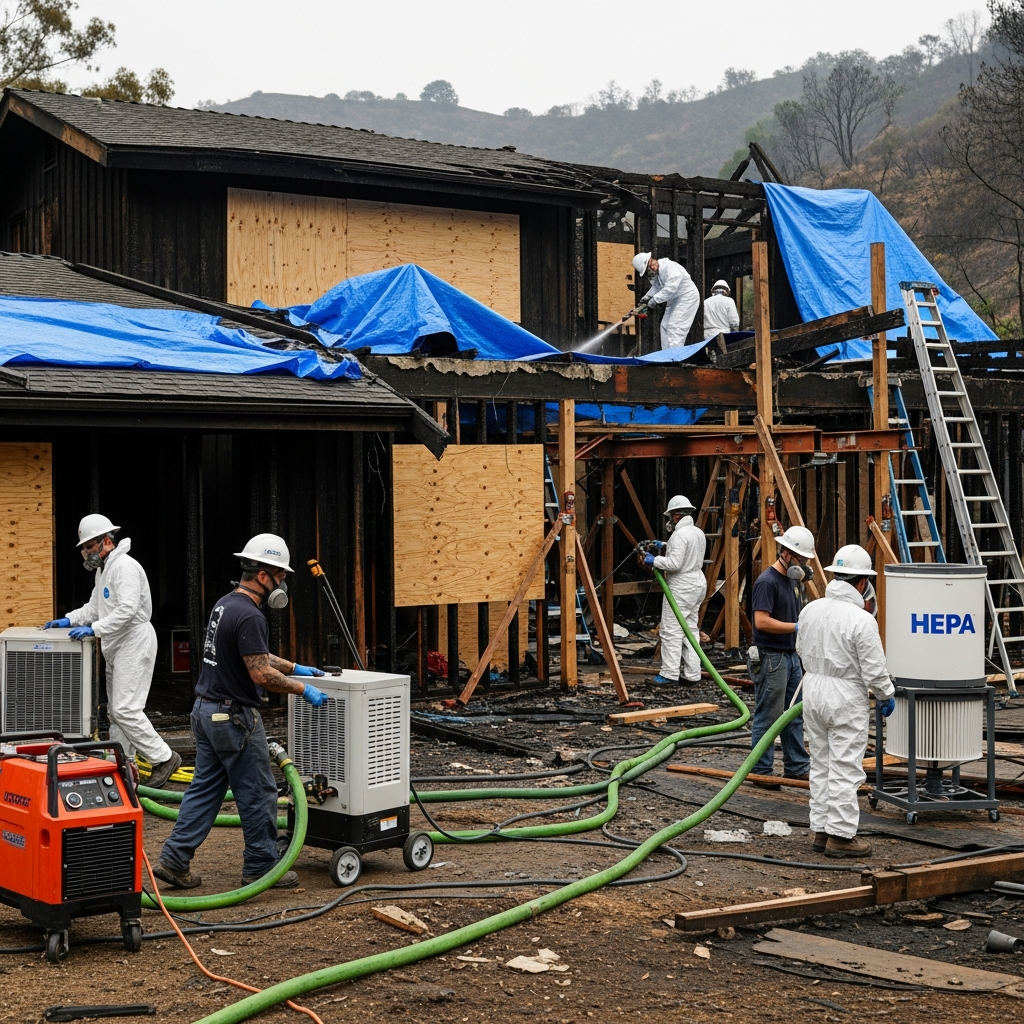
Air handling systems can spread contamination if started too soon. Filters alone are not enough; once sooted, duct interiors may require mechanical agitation, HEPA filtration, and targeted sealing. Damper positions, return locations, and season of use all affect spread. On foggy mornings, the moisture in the air can reactivate faint odors you thought were gone, a reminder that true resolution depends on source removal, not scent cover-ups.
Step-by-step: from stabilization to restoration
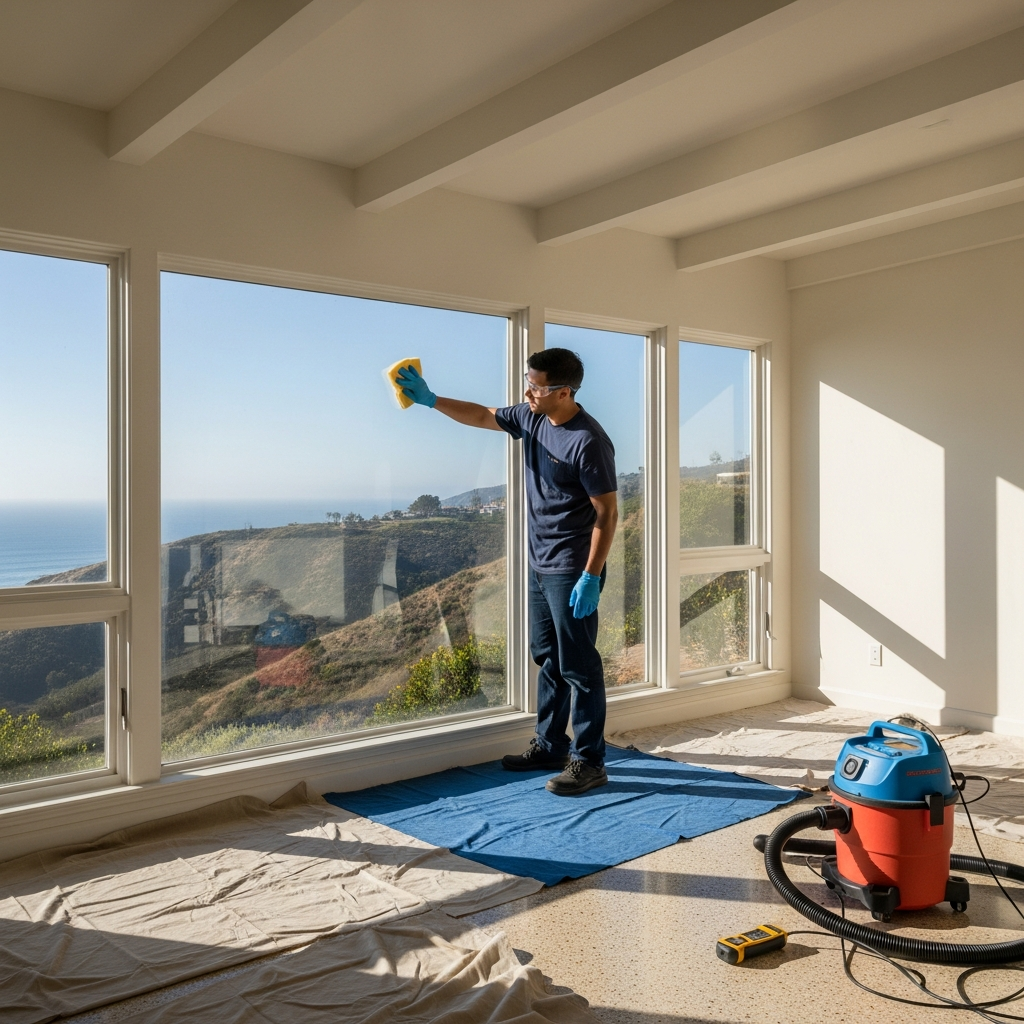
After ensuring structural safety and securing openings, attention turns to moisture introduced by firefighting or sprinkler response. Hardwood floors, custom cabinetry, and baseplates wick water quickly. Thermal imaging and moisture meters guide a drying plan that balances speed with preservation, using dehumidification, directed air, and temperature control. Malibu’s sea breeze can help or hurt depending on the day; controlled interior conditions usually win out over opening windows and “letting it air out.”
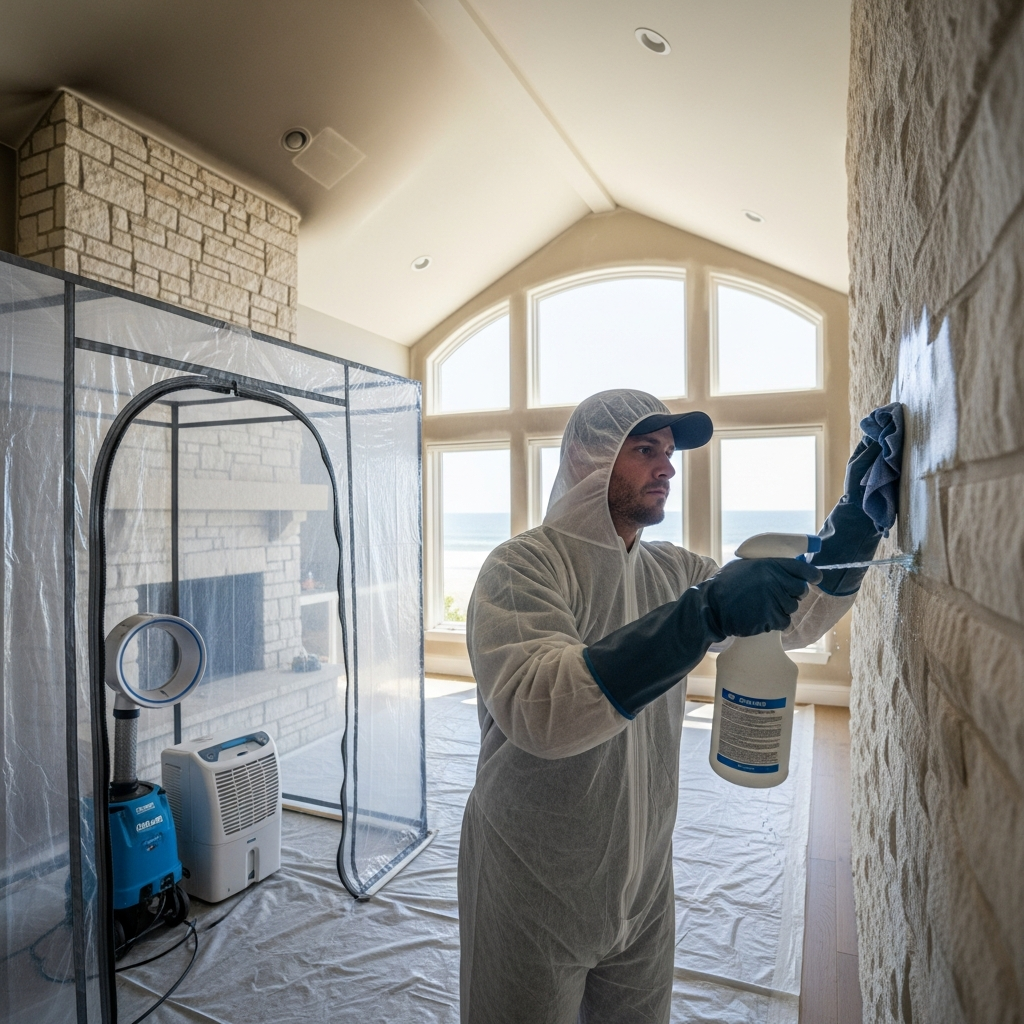
With moisture stabilized, residue mapping begins. Dry sponging and selective vacuuming remove loose soot without smearing. Testing determines the least aggressive effective cleaner for each surface, because overzealous chemistry can etch stone, dull finishes, or set stains. For porous materials, technicians evaluate whether cleaning plus odor-neutralizing sealers will suffice or whether selective removal is wiser. Packed items follow a parallel track: inventory, careful packing, transport to a controlled facility, and multi-stage cleaning using methods that respect material and sentimental value.
Odor control that works
Odor lingers where residues remain or where vapors have absorbed into pore structures. Effective plans prioritize source removal, then apply targeted neutralization. Hydroxyl generators can work in occupied spaces and are often preferable when families or pets remain in the home; ozone is powerful but requires vacancy and care with elastomers and certain finishes. Activated carbon filtration supports both methods by scrubbing air, while thermal fogging can pair odor counteractants with the same pathways smoke traveled. In Malibu, where ocean air is mobile and neighbors are close, containment and air exchange considerations are essential to keep treatments effective and unobtrusive.
Electronics and appliances merit special attention. Microscopic residues combined with coastal humidity accelerate corrosion on circuit boards and connectors. Rapid evaluation and, when appropriate, specialty cleaning or decontamination may salvage items that would otherwise fail prematurely. Window assemblies, shower enclosures, and decorative glass can be rescued from etching if addressed promptly with the right pH balance and gentle abrasives.
Materials, finishes, and Malibu design
Malibu homes range from mid-century post-and-beam to ultra-modern steel-and-glass. Reclaimed timbers harbor odor deep in their cellular structure, requiring repeated cleaning and, sometimes, sealing to lock in faint residues. Stone floors vary widely; calcite-based stones react poorly to acids and must be cleaned with alkaline or neutral solutions. High-gloss lacquers and custom veneers demand testing to avoid lifting or clouding. Exterior decks, soffits, and fascia boards often collect ash that migrates under capillary action; pressure should be used judiciously to avoid driving contaminants deeper. Licensed teams use mock-ups to demonstrate results before executing whole-home treatments, building trust in the plan.
The choreography matters: clean ceilings before walls, walls before floors, and interiors before exteriors when infiltration is the dominant pathway. In well-vented Malibu homes, attic and soffit inspections often uncover hidden pockets of soot that explain stubborn odors. Addressing those cavities—sometimes with insulation removal and targeted sealing—can be the turning point between “it smells better” and “it finally smells like home.” Midway through a project, homeowners often revisit trusted guides on fire damage restoration to confirm that the sequence and methods align with accepted standards.
Safety, health, and peace of mind
Smoke particles can carry a mix of combustion byproducts, including PAHs and other irritants. A professional plan reduces exposure by controlling airflow, using PPE, and maintaining clean pathways for occupants who remain in the home. HEPA vacuums, multi-stage air scrubbers, and disciplined housekeeping—tacky mats, daily wipe-downs of traffic areas, and sealed waste removal—make a tangible difference in how livable a home feels during the process. Communication is equally important: clear daily updates, photos, and defined milestones reduce stress and help families plan around noise or vacancy needs.
Coordination with insurers, adjusters, and, when applicable, HOA boards or architectural committees keeps momentum. Malibu’s beauty comes with oversight meant to protect neighbors and natural resources, and experienced teams anticipate permit triggers for exterior repairs, window replacements, or structural elements. That foresight prevents avoidable pauses and aligns the sequence of cleaning, odor work, and reconstruction.
Aftercare: keeping the clean clean
Once primary cleaning and deodorization are complete, small habits protect the gains. Replace or upgrade HVAC filters, and schedule a post-restoration duct check to ensure no residual debris remains. Address landscape ash that can re-enter through sliders on breezy afternoons. Consider inspecting window and door seals and adding door sweeps where gaps have historically let smoke enter. For households with sensitive occupants, a staged reintroduction of textiles—pillows, drapes, area rugs—lets you catch any holdout odors early and address them before they set a new baseline.
Malibu’s fire story is not only about large wildland events. It includes small attic shorts that char rafters, candle incidents that leave protein residues in confined spaces, and grill flare-ups that smudge stucco and decking. The common denominator is respect for the chemistry and physics of smoke, the architecture it encounters, and the environment it rides on. With that respect, restoration is not a gamble; it’s a practiced sequence toward normalcy.
Frequently asked questions
How quickly should I begin smoke cleanup?
Begin as soon as it is safe. The longer soot sits, the more likely it is to etch metals and glass and to set odors in porous materials. Stabilize the structure first, then start dry removal and testing to prevent smearing and secondary damage.
Can I handle smoke cleanup myself?
Light surface soot in a small area may be manageable with dry sponges and careful vacuuming, but widespread contamination benefits from professional testing, containment, and air control. Malibu’s humidity and airflow make DIY efforts prone to smearing or odor persistence if you lack the right tools and sequence.
Will the smell ever go away?
Yes, when the source is removed and the remaining residues are neutralized or sealed appropriately. Odor treatments work best after thorough cleaning. Persistent smells usually trace back to hidden pockets in attics, soffits, or HVAC, which targeted work can resolve.
What about my HVAC system?
Shut it down until a professional evaluates the system. Filters should be replaced, returns cleaned, and duct interiors assessed. In some cases, mechanical agitation and HEPA filtration are needed to remove embedded debris before sealing or treatment.
How do you protect delicate finishes?
Technicians test products and processes in inconspicuous areas and choose the least aggressive method that works. They control pH, dwell time, and agitation to avoid etching or clouding, especially on glass, stone, and high-gloss coatings common in Malibu homes.
Is it safe to stay in the home during restoration?
Depending on the scope, containment and air filtration can make partial occupancy possible. Families with sensitivities may prefer temporary relocation during the most intensive phases. A good plan balances health, comfort, and efficiency, and it is adjusted as the project evolves.
How do I prevent recontamination after cleaning?
Maintain filtration, keep windows and doors closed during windy ash events, and clean exterior thresholds regularly. Schedule an HVAC follow-up and reintroduce textiles gradually. These steps minimize the chance that outside residues ride back into freshly cleaned interiors.
If you are looking at smoke-streaked windows or catching a whiff of char every time the heater cycles on, you do not have to accept that as the new normal. Partner with a local team that understands Malibu’s design and climate, and set a clear plan from stabilization through final polish. When you are ready, explore proven approaches to fire damage restoration and schedule an on-site assessment so your home can smell, look, and feel like itself again.