When a fire disrupts life in Malibu, there is a moment when the smoke thins, the sirens fade, and reality settles in. Homeowners and property managers find themselves standing in the salt-laced breeze off the Pacific, staring at blackened trusses, chalky residue, and water pooling underfoot, wondering how to protect what remains and how to take the first measured step toward normalcy. In that fragile window, rapid, informed action is everything. Local expertise matters here because Malibu’s unique convergence of ocean air, canyon microclimates, and hillside construction changes the playbook for fire damage restoration. There are nuances to stabilizing structures battered by embers and wind, to drying interiors drenched by lifesaving hose streams, and to preserving finishes vulnerable to both soot acidity and marine corrosion. The sooner a trained, Malibu-savvy team gets eyes on the damage, the better the outcome—less secondary loss, fewer long-term odors, and a gentler path through insurance and rebuilding.
Understanding Malibu’s Fire Profile and Why the First Day Matters
Fire incidents in Malibu rarely unfold in isolation. Hillsides influence airflow, the Pacific funnels gusts along the shoreline, and narrow roads make access a variable. When Santa Ana winds drive smoke and embers across neighborhoods, homes may be scorched directly or infiltrated by soot even miles from the flame front. That is why day one priorities are about speed and sequence: assess structural safety, shut down utilities, begin moisture mapping, and protect openings against wind-driven intrusion. The first 24 hours create a baseline that determines the entire course of restoration. Actions like placing targeted containment, setting negative air filtration, and removing moisture quickly prevent smoke particulate from migrating deeper into cavities and stop clean areas from becoming contaminated.
Timing is also chemistry. Soot is acidic, and in a marine environment the corrosive effect on metals accelerates. Chrome fixtures spot, stainless appliances haze, and aluminum pitting can begin almost immediately. Stone counters and tile with polished surfaces can etch if residues are left in place. That is why Malibu restorers arrive prepared to neutralize before they polish, to dry before they demo, and to document every square foot in detail for the insurer and for the homeowner’s peace of mind.
Stabilizing and Securing: From Board-Ups to Structural Shoring
Once firefighters clear the scene, the site must be made safe. Broken windows and compromised doors get boarded, not just for security, but to control the environment. Malibu’s coastal layer carries moisture; leaving a home open to sea air after a fire invites rust, swelling, and mold. On hillsides, even a partially burned deck can be a structural hazard, and cantilevered balconies deserve an engineer’s glance before foot traffic resumes. A trained team will install temporary shoring if there is any doubt, and carve out safe paths for assessment and pack-out work. Meanwhile, utilities should stay disconnected until a licensed professional verifies integrity. In older Malibu cottages that have seen renovations across decades, it is not unusual to discover legacy wiring or hidden voids; caution and thoroughness win the day.
Water, Smoke, and Salt Air: The Triple Threat
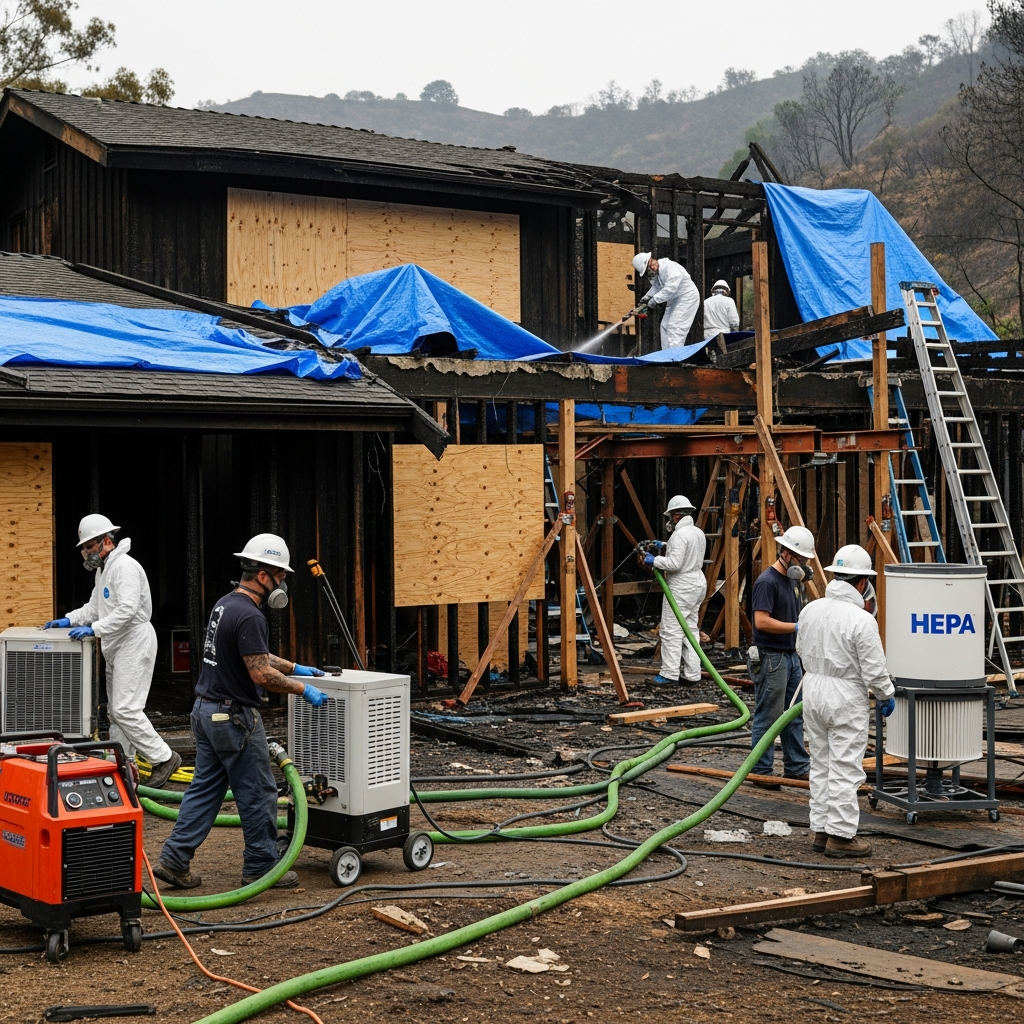
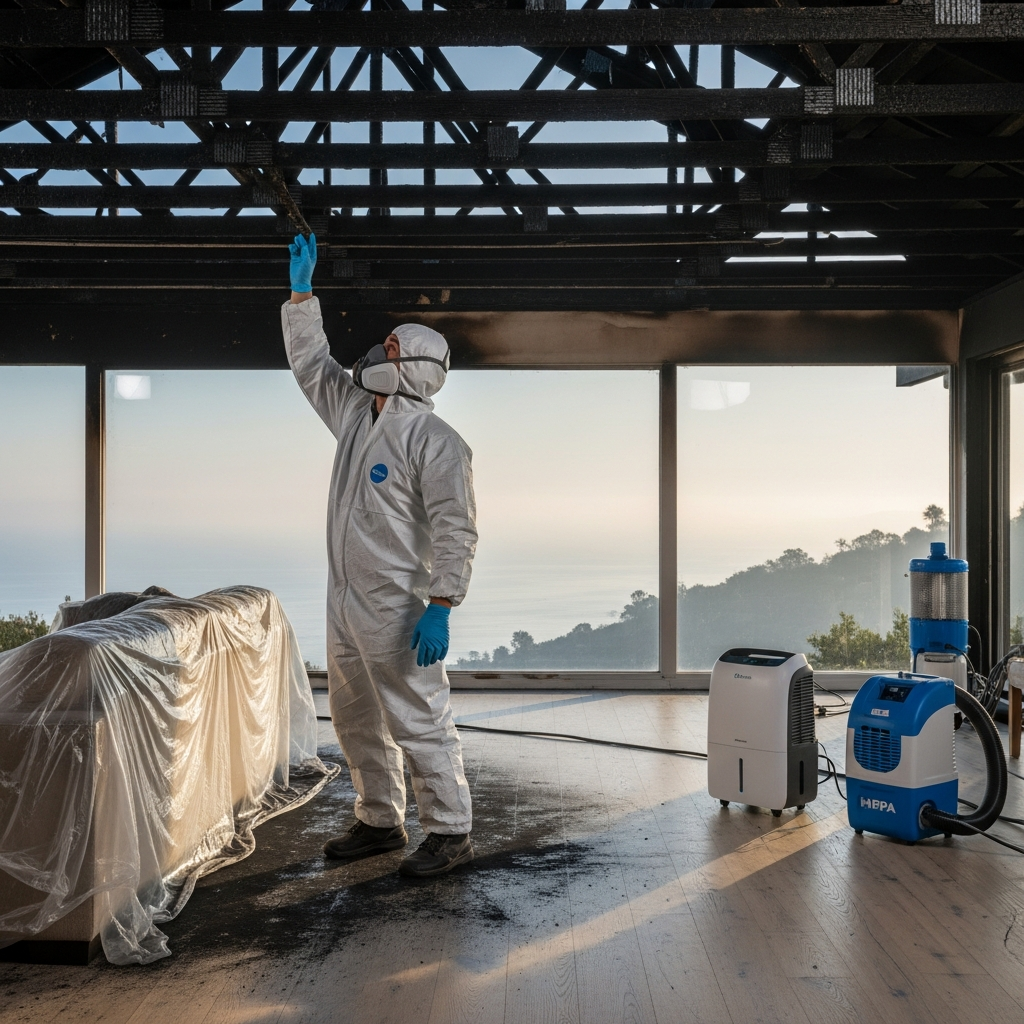
Fire suppression saves buildings but introduces gallons of water into floors, wall cavities, and insulation. With Malibu’s mild climate, unseen moisture lingers unless addressed on a plan. Technicians begin with thermal imaging and non-invasive meters to identify saturated zones, then enact targeted extraction and drying. In hardwood-floor beach houses, cupping can be mitigated if mats and dehumidification start promptly. Tile over mortar beds can trap water; drying from below through crawlspaces or by controlled demolition prevents later surprises. Simultaneously, smoke particles—lighter than household dust—adhere to surfaces and migrate into drawers and HVAC systems. Controlling airflow with HEPA-filtered negative air machines keeps spores and ash from resettling where you just cleaned.
Salt air adds complexity. Chloride-laden moisture can react with soot, accelerating corrosion. That makes early wipe-down of metal finishes with neutralizing solutions a top priority, even before full-detail cleaning. It also changes the calculus for what to keep and what to discard: a slightly scorched aluminum window track may look recoverable, but if pitting begins, replacement might be the wiser long-term investment for function and appearance.
Contents: Salvaging What Matters Most
In Malibu homes, contents often include high-value art, musical instruments, surfcraft, archival family photos, and custom furniture. A thoughtful pack-out begins with triage: what must leave the property immediately to halt damage, what can be stabilized on site, and what materials pose a contamination risk. Climate-controlled storage and a chain-of-custody inventory safeguard belongings during cleaning. Delicate textiles and rugs respond well to prompt ash removal by gentle air washing and HEPA vacuuming before wet treatments. Guitars and pianos dislike humidity swings, so desiccant dehumidification and gradual acclimation protect soundboards and finishes. For art under glass, removing frames for separate cleaning prevents moisture from wicking into mats and backing boards. Malibu’s proximity to world-class conservators is an advantage, and collaboration ensures heirlooms get the right hands-on care.
Odor Control the Right Way
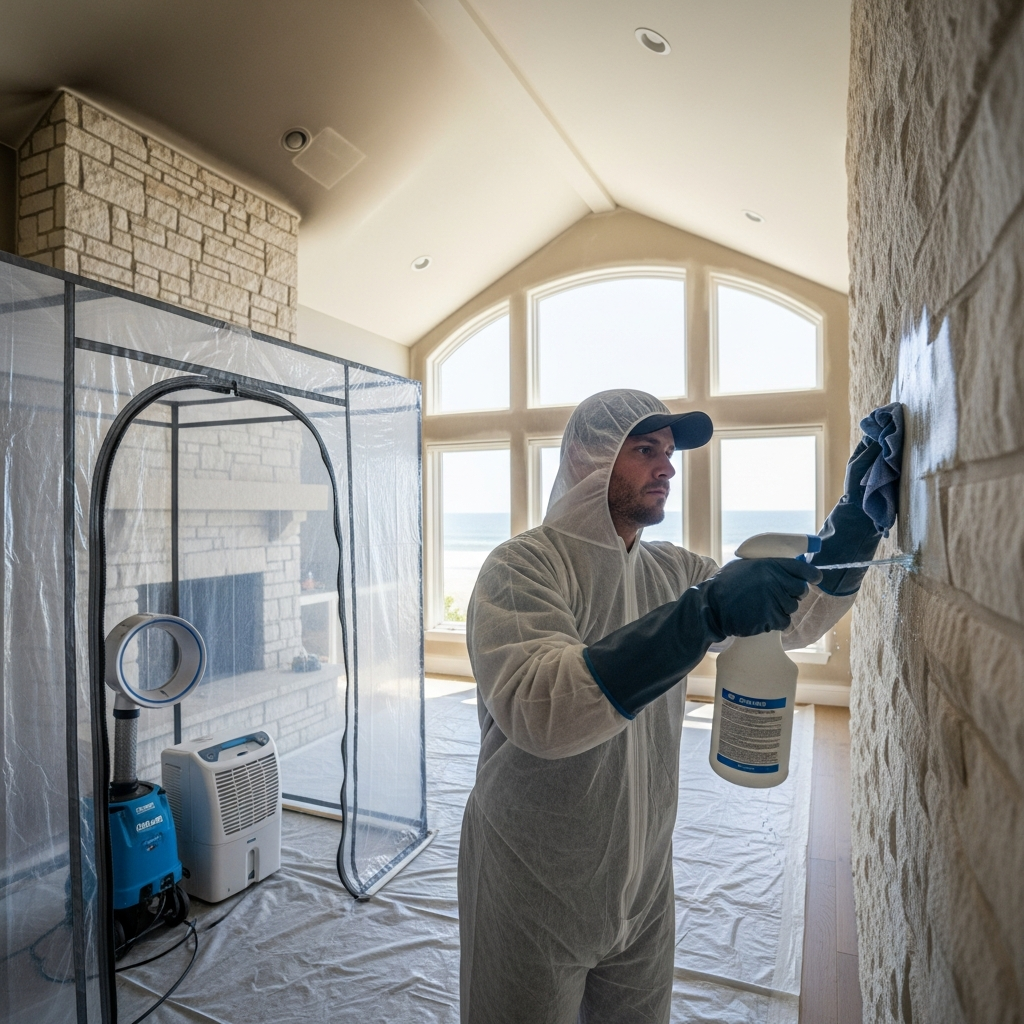
Smoke odor lingers not because it is strong at the source, but because it is everywhere in trace amounts: in ductwork, in microscopic pores of drywall, and in the weft of textiles. Lasting deodorization starts with physical removal of residues, not masking. Dry chem sponges lift char without smearing; alkaline or enzymatic cleaners break bonds that make smoke acids bite. After source removal, professional deodorization techniques like hydroxyl generators can safely neutralize odor molecules while allowing ongoing work on site. Thermal fogging can be effective when carefully deployed to mirror the smoke’s original pathway. Malibu’s coastal humidity must be managed during these processes, because damp air can reactivate otherwise dormant odors. The science behind this step is precise, and the nose knows when the job is truly done.
Midway through the project, it helps to reassess goals and verify that cleaning, drying, and odor control are converging on the result you want. This is a natural point to revisit the scope, get homeowner feedback, and recalibrate tactics. It is also an ideal moment to consult resources on comprehensive fire damage restoration so that every stakeholder understands how the next phases will unfold, from selective demolition to refinishing and reconstruction.
Material-Specific Strategies in Malibu Homes
Many Malibu residences blend modern glass-and-steel expanses with natural materials like cedar, oak, and stone. Each responds differently to heat and smoke. Cedar siding can absorb odor deeply; early sealing of unaffected areas and meticulous cleaning of exposed grain preserves appearance. Oak stair treads need gentle sanding and controlled drying to avoid checking. Polished marble etches quickly under acidic soot films; poulticing and pH-balanced cleaners rescue surfaces when done promptly. Anodized aluminum window frames may discolor; spot tests guide whether to restore or replace. For plaster walls in older beach cottages, hairline cracks can become odor pathways; sealing after cleaning blocks wicking and ensures paint systems perform. Even the iconic Malibu surfboard deserves special attention: epoxy and polyester resins can take on smoke smell; careful washing with appropriate surf-safe cleaners and sun-curing in controlled doses help drive out residual odors without warping foam cores.
HVAC, Airflow, and the Marine Layer
Air handlers and ductwork spread invisible residues if left unchecked. Registers and returns often bear telltale streaks; these demand HEPA vacuuming and thorough cleaning by qualified technicians. Filters must be changed repeatedly as the home progresses from demolition to build-back. In properties along the beach, the marine layer introduces fine saline mist that can deposit inside ductwork. Following cleaning, sealing certain trunk lines with approved coatings may inhibit particulate cling and odor reoccurrence. During restoration, controlling pressurization between zones prevents cross-contamination, a step especially crucial in multi-level homes terraced into the hillside where stack effect can pull air through the building like a chimney.
Permits, Documentation, and Insurance Navigation
A disciplined paper trail is as important as a broom. Detailed photo documentation of pre-mitigation conditions, moisture readings, materials removed, and receipts for specialized services build a clear narrative for claims adjusters. Malibu properties often have custom finishes and imported fixtures; line-item documentation supports accurate valuation. When partial permits are needed for temporary power or structural shoring, coordination with local authorities keeps the path to rebuild clear. Communication cadence matters: weekly summaries with measurable milestones reduce stress and align expectations. Seasoned local teams know to anticipate hillside access constraints, HOA guidelines, and neighborhood sensitivities, all of which smooth the overall journey.
Community, Weather, and Rebuild Momentum
Recovery does not happen in a vacuum. Neighbors share tradespeople, access roads, and sometimes temporary fencing. Good restoration partners maintain tidy sites and considerate work hours, nurturing goodwill. Weather windows shape the calendar: marine fog in May and June lengthens dry times, while Santa Anas in autumn demand extra vigilance to keep sealed areas tight. Staging materials with those patterns in mind keeps momentum steady. Preservation of Malibu character is a shared goal—honoring original lines while updating resilience with fire-resistant assemblies, ember-resistant vents, and thoughtful landscaping that favors defensible space without sacrificing the coastal aesthetic.
The Human Side of Recovery
Beyond the logistics and chemistry, restoration is personal. Rooms hold memories, and objects carry stories. A compassionate approach means listening first, identifying what matters most to the family, and crafting the scope accordingly. Sometimes that means allocating extra time to attempt salvage of a smoke-tinged baby blanket, or building a temporary closet so school mornings stay on track during repairs. Clarity and empathy are as restorative as any cleaner or tool.
Preparing Ahead: Lessons for Future Resilience
Once the dust literally settles, there is an opportunity to harden the home against future events. Upgraded alarms, cleaned and resealed attics, ember-resistant screens on eaves and roof vents, and strategic selection of non-combustible claddings add layers of protection. Even small moves, like organizing garages to reduce fuel load and sealing garage-to-house penetrations, pay dividends in safety. Working with local landscapers to maintain defensible space and irrigation that prioritizes native, drought-tolerant species reduces risk while preserving the beauty of the property.
FAQ: Emergency Fire Damage Restoration in Malibu
How soon should restoration begin after a fire? The ideal is as soon as the fire department releases the scene. Early actions like boarding up, moisture extraction, and initial soot neutralization prevent secondary damage and make later steps more effective.
Is it safe to stay in the house during smoke cleanup? Often, it is better to relocate temporarily, especially during heavy cleaning and deodorization. If you must remain, containment barriers and dedicated clean zones can be set up for safety and comfort.
Will my hardwood floors survive? If drying begins promptly with appropriate techniques, many hardwood floors can be saved. Success depends on species, finish, and how much water they took on. Early intervention is key.
What about my HVAC system? Ducts and air handlers need professional cleaning to prevent recontamination. Filters will be changed multiple times during the project, and sealing select duct sections may be recommended after cleaning.
Can smoke odors really be eliminated? Yes. True deodorization comes from thorough residue removal followed by advanced odor-neutralizing technologies. Masking scents are not a solution; science-driven steps are.
How is insurance handled? Restoration teams document conditions meticulously and coordinate with adjusters throughout. Transparent scopes and frequent updates help keep claims on track.
Do beach homes require different methods? The ocean environment accelerates corrosion and influences drying. That means faster neutralization of metals, vigilant humidity control, and sometimes alternative drying strategies for coastal assemblies.
What should I remove from the house right away? Items sensitive to corrosion and odor—electronics, fine metals, instruments, and heirlooms—benefit from early stabilization in a controlled environment.
Restore Your Malibu Property with Confidence
If you are facing the aftermath of a fire in Malibu, you do not have to navigate it alone. From the first board-up to the last coat of finish, a locally seasoned team can guide every step, safeguard what matters, and return your home to the rhythms you love. Explore the methods and mindset that make the difference in effective fire damage restoration, and reach out to align a plan that respects your timeline, your taste, and your peace of mind. The road back is real, and it begins with a clear call and a careful walkthrough—today.