When fire strikes, minutes matter. In Malibu, where canyon winds and coastal weather can complicate even a small incident, the difference between a stressful cleanup and a confident recovery often comes down to how quickly the right team arrives and what they do first. Emergency fire damage restoration is about immediate safety, stabilization, and smart sequencing that prevents small problems from becoming big ones. If you need help right now, connect with a local provider prepared for emergency fire damage restoration so the first actions on site set the tone for a fast, steady return to normal.
Fast response does not mean rushed decisions. It means measured steps taken in the correct order. The very first priority is life safety, followed closely by securing the structure. From there, professionals isolate affected areas, capture airborne particulates, and begin the drying and cleaning processes that will shape the rest of the project. These early hours are where experienced teams shine, because they anticipate Malibu’s unique conditions and adjust tactics to protect both the structure and the people who live there.
First 24 Hours: Setting the Foundation
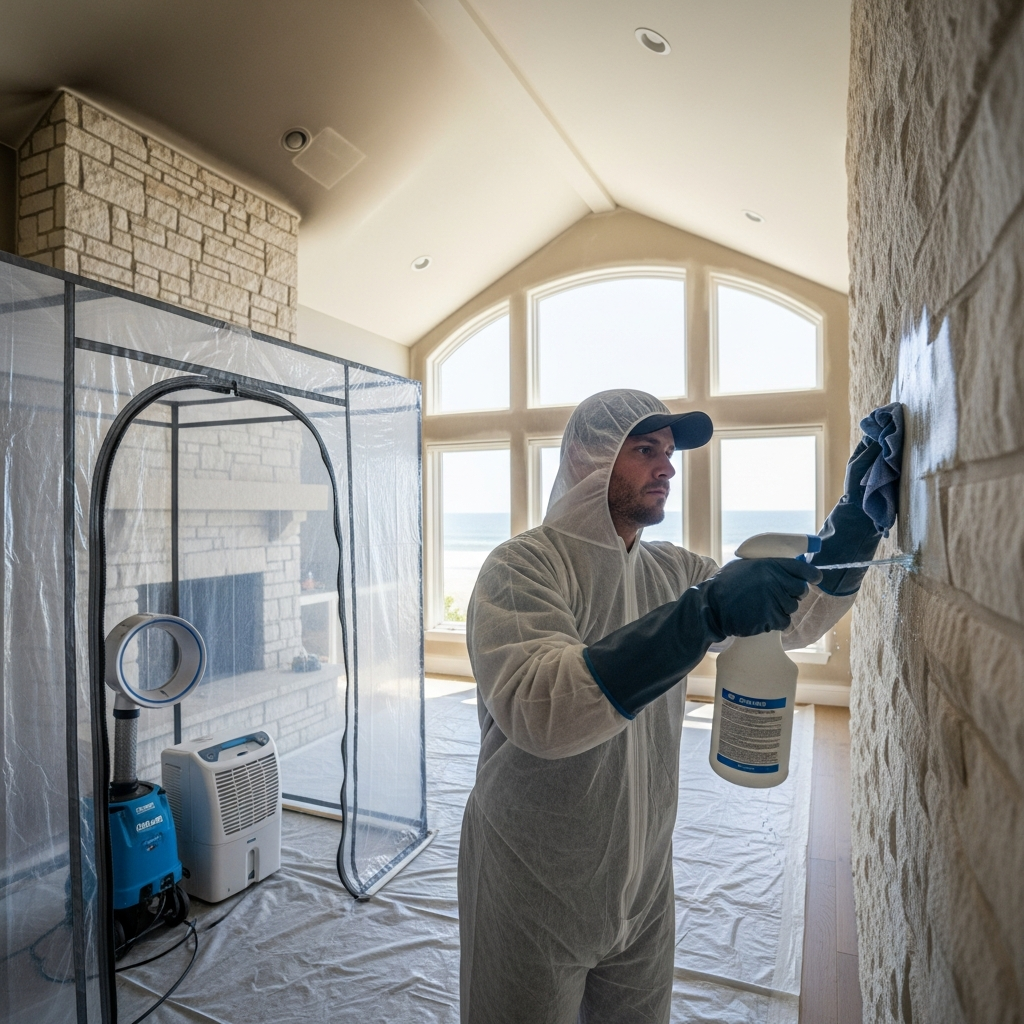
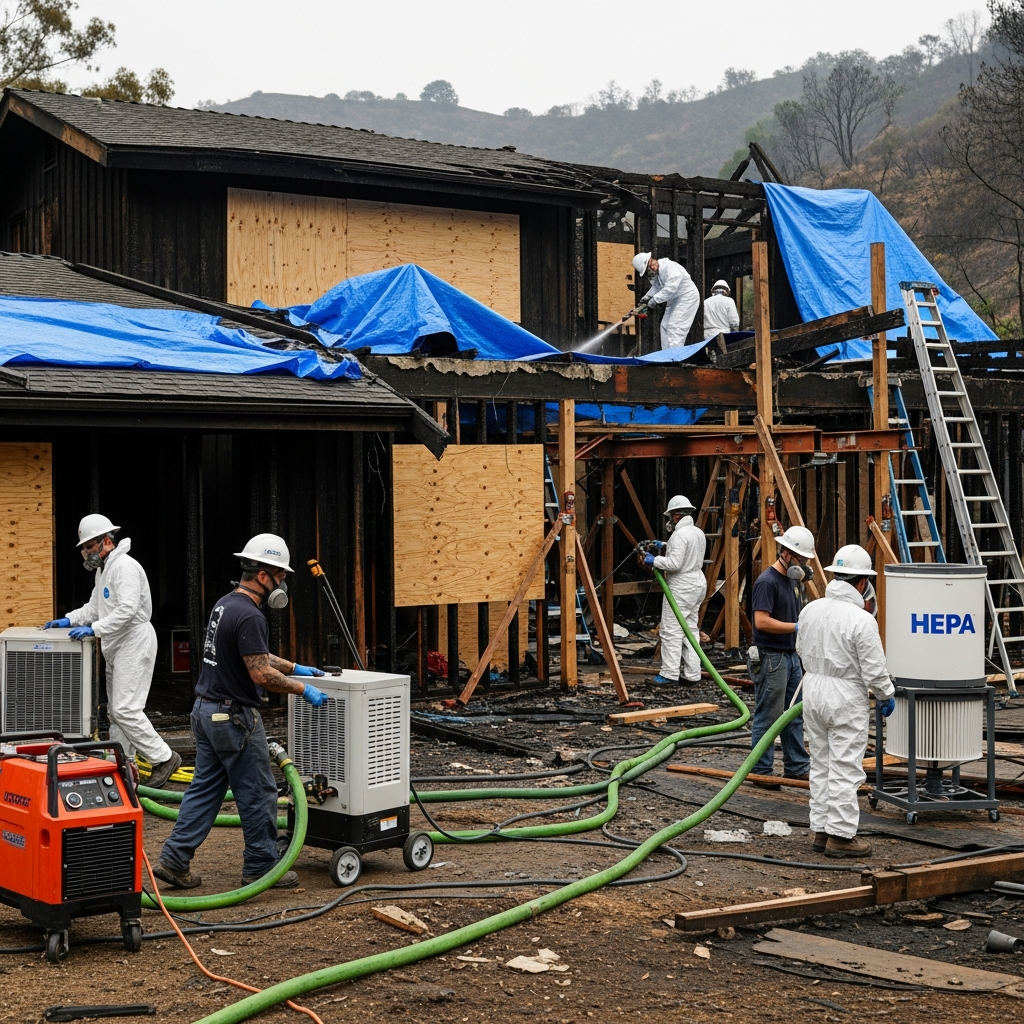
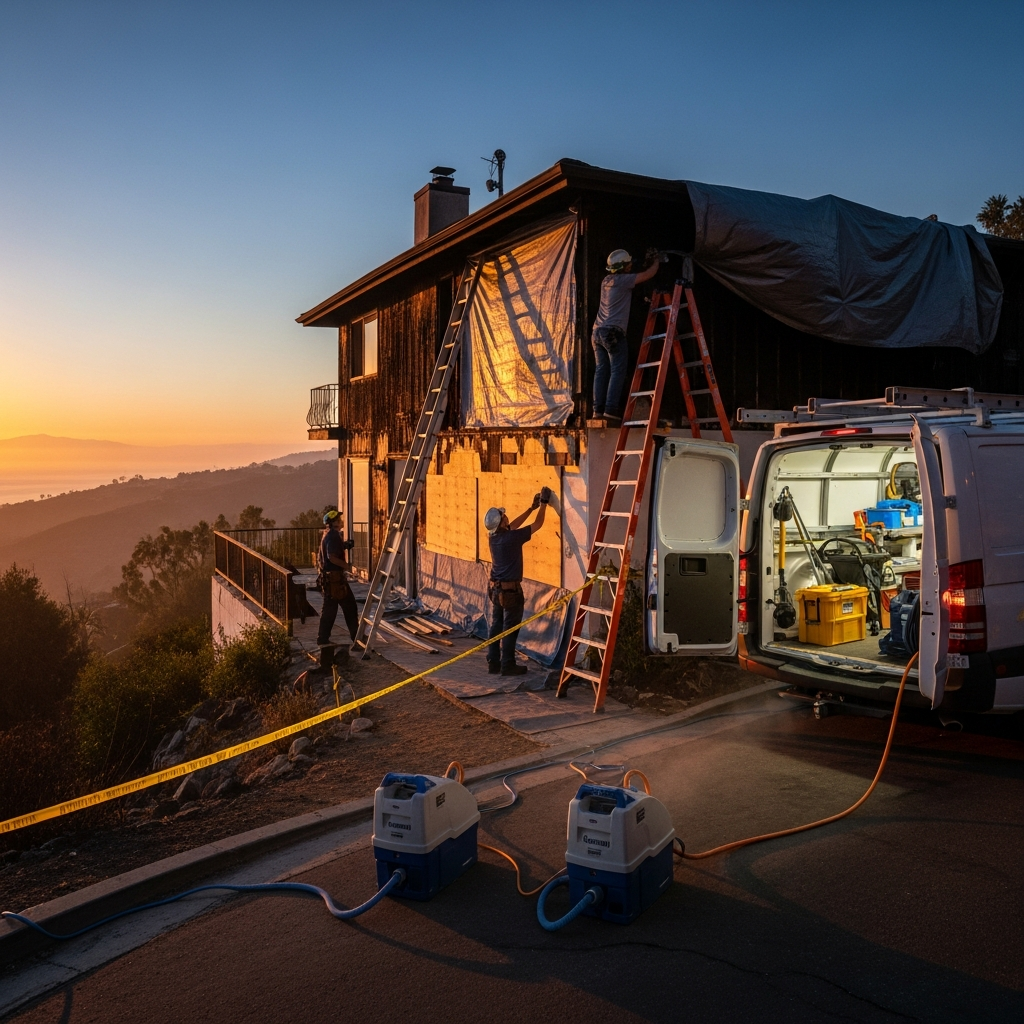
The first day is about triage and control. Crews confirm utilities are safe, shut down compromised systems, and establish temporary power where necessary to run filtration and drying equipment. Board-up and tarping prevent weather intrusion and discourage unauthorized entry. Negative air machines fitted with HEPA filters begin cleaning the air before workers even start on surfaces, reducing cross-contamination to rooms that were not directly affected.
If water was used to fight the fire, extraction and structural drying begin immediately. Wood floors are assessed for cupping risk, drywall is checked for moisture, and cavities are opened strategically to release trapped water. Acting now shortens the timeline later, because secondary issues like swelling or microbial growth are far more disruptive than the primary cleanup when they are allowed to develop.
Stabilization and Safety Protocols
Safety guides every move. Technicians evaluate structural members for charring depth and heat exposure, determine safe walk paths, and post signage to keep residents and visitors out of hazardous areas. Containment separates work zones from living spaces, and floor protection preserves surfaces that remain clean. Malibu homes with high ceilings or complex framing often require special access equipment, which experienced teams stage quickly so overhead cleaning can begin without delay.
Air quality is managed continuously. Crews isolate HVAC returns, install fresh filters at timed intervals, and keep systems off until thorough cleaning can occur. This is critical near the coast, where salty air combined with soot can accelerate corrosion in mechanical systems and electronics if circulated too soon.
Prioritizing What Matters Most
Emergency response includes swift decisions about belongings. Teams help identify essential items—medications, documents, clothing—and move them into clean zones or remove them for expedited deodorization and cleaning. Photo inventories and careful packing protect valuables even when the timeline is compressed. Clear communication during this period gives you confidence that nothing important gets lost in the shuffle.
Meanwhile, the structure receives targeted attention. Surfaces with heavy soot are addressed with dry methods first to avoid smearing and setting residues. Only then do teams introduce wet cleaning where chemistry safely lifts contaminants. This sequencing might feel slow in the moment, but it is what produces faster, better results by preventing rework and protecting finishes.
Odor Control from the Start
Odor management begins the same day. Source removal is the backbone, supported by technologies like hydroxyl generators used in controlled ways that do not simply mask smells but neutralize the molecules responsible. Rooms are ventilated strategically, taking Malibu’s daily temperature and humidity swings into account so that fresh air helps rather than pulls soot back into clean zones. Crews return to spaces multiple times during the first days to confirm that odors are trending in the right direction as work progresses.
Because odor is a common worry, expect teams to explain how and when sealing products may be applied. These are not shortcuts; they are finishing steps used after thorough cleaning to lock in any residual molecules and create a stable base for paint or other finishes. Used appropriately, they support long-term freshness rather than covering up a problem.
Coordination With Adjusters and Contractors
Emergency restoration intersects with documentation and planning for later phases. Professionals capture detailed photos and notes, map rooms, and share updates with adjusters so authorizations and next steps do not lag behind the pace of on-site work. If roof or electrical repairs are required, reputable teams coordinate schedules so stabilization and cleaning dovetail efficiently with specialized trades. This coordination keeps momentum high and minimizes periods where a home sits in limbo.
For homeowners who travel or manage multiple residences, remote updates by text or email can be set up from day one. You should feel informed and involved even if you cannot be present on site for every decision, and a responsive team will make that seamless.
Building Clean Zones and Phasing for Occupancy
Not every emergency requires full displacement. When safe and appropriate, restoration can be phased to maintain habitable spaces while work continues elsewhere. Clean corridors allow movement without tracking soot, and schedules can cluster higher-impact tasks during windows when you are away. Families, pets, and daily routines all factor into these plans, and experienced teams treat them as core project elements rather than afterthoughts.
Phasing also supports emotional recovery. Seeing parts of the home return to normal quickly provides a sense of progress and control. Even small milestones—a freshly cleaned room, the disappearance of a stubborn odor—can shift the narrative from crisis to restoration.
Verification and Next Steps
Within the first week, the focus expands from immediate stabilization to comprehensive cleaning and preparation for any necessary repairs. Verification includes odor checks at different times of day, inspection of tight spaces and mechanical systems, and confirmation that air filtration and drying have achieved their goals. At this point, your team will outline the path forward, including what work remains and how it will connect with reconstruction efforts if those are needed.
Success at this stage depends on the quality of the early hours. When the foundation is properly laid—safety, containment, air quality, drying—the remaining tasks flow more smoothly and the home moves steadily toward comfort and familiarity.
Frequently Asked Questions
How fast can a team arrive in Malibu?
Response times vary, but established local providers organize for rapid mobilization, often the same day. Early arrival allows stabilization to begin quickly, protecting the structure and belongings from secondary damage.
Is it safe to enter the home after the fire is out?
Only after authorities give clearance and a professional confirms structural and air quality safety. Hidden hazards like weakened framing, contaminated air, or energized circuits can present risks even when the space appears calm.
What should I do with important documents and medications?
Identify them for priority retrieval. Technicians can move these items into clean zones or remove them for expedited deodorization. Handle them as little as possible to avoid embedding soot into paper fibers or packaging.
Will odors linger after emergency work?
Early source removal and controlled deodorization significantly reduce odors. Lingering smells usually indicate hidden residues that require additional cleaning or sealing. A good team builds verification into the plan so you are not left guessing.
Can we stay in part of the home during restoration?
In many situations, yes. Phasing and clean-zone strategies can preserve safe, comfortable spaces while work proceeds elsewhere. Your provider will outline options based on site conditions and your comfort level.
How do early actions affect the overall timeline?
They shape it dramatically. Proper stabilization, containment, and drying in the first days prevent rework and secondary damage, which saves time and helps you return to normal more quickly.
When an emergency turns your routine upside down, the quickest path back to normal is a team that moves quickly and thinks clearly. From securing the property to establishing clean air and targeted cleaning, every decision in the first hours matters. If you are ready to turn decisive action into steady progress, reach out for emergency fire damage restoration in Malibu and take back control of the next chapter with confidence.