Comprehensive fire damage restoration in Malibu is equal parts science, craftsmanship, and local familiarity. After a small kitchen incident or a wind-driven ember event, the way smoke threads through rooms and the way materials react to heat call for an approach that sees the whole picture at once. When you stand in a space that smells like soot and looks unfamiliar, what you need most is a plan that turns confusion into coordinated action. If you want rapid clarity about where to begin and how the pieces fit together, speak with a local provider skilled in comprehensive fire damage restoration so your first steps lead directly to measurable progress.
In Malibu, the range of home styles is as broad as the coastline. Post-and-beam structures invite smoke to drift along rafters, modern designs feature expansive glass and steel that hold heat differently, and beachside humidity can set residues in place if not addressed promptly. A comprehensive service model recognizes these realities and builds a sequence that protects unaffected areas, removes contaminants methodically, and prepares surfaces and systems for a clean, comfortable return to daily life.
Emergency Response and Stabilization
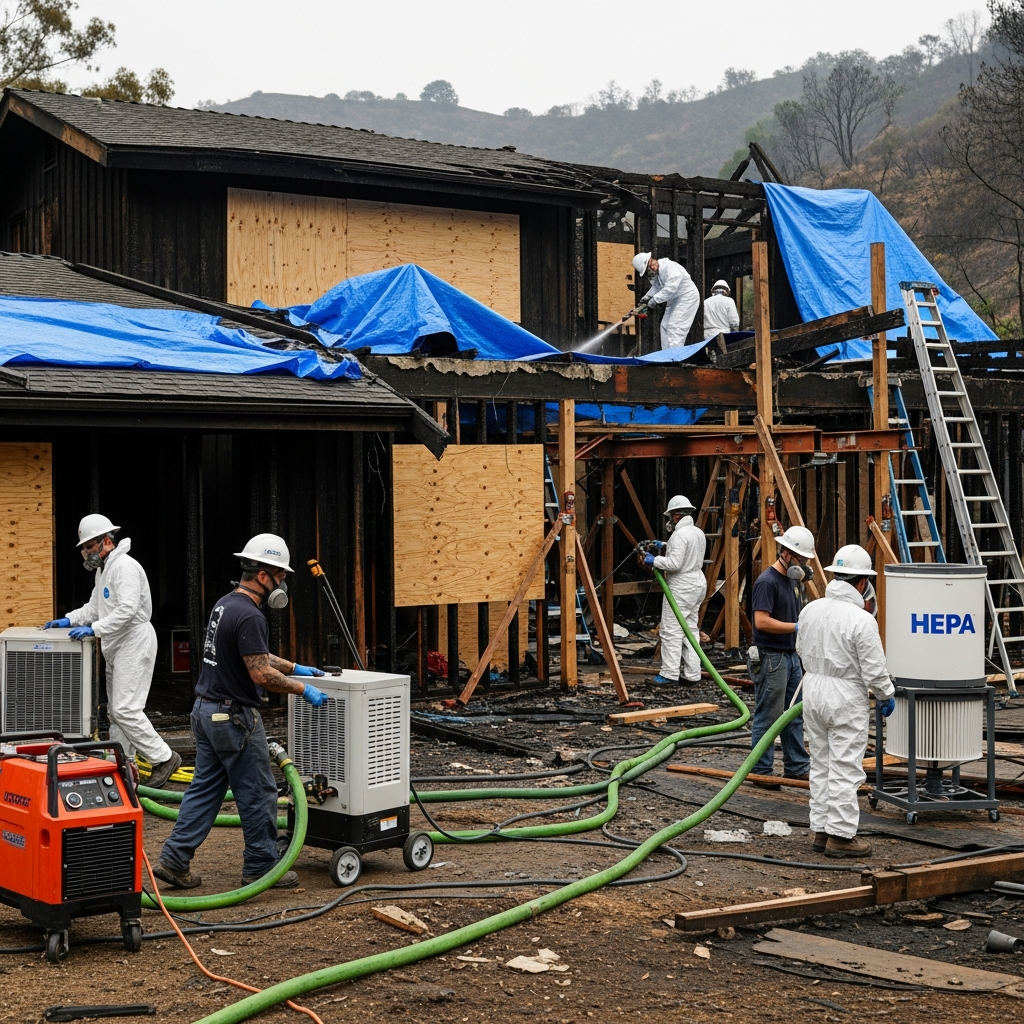
Every complete restoration begins with safety. Crews secure the perimeter, board damaged openings, and tarp exposed roof sections to prevent the marine layer from pulling odor back into the home overnight. Power and water systems are evaluated for safety, and, where necessary, temporary services are established to support drying and filtration equipment. If fire suppression introduced water, extraction and structural drying start immediately to avoid secondary issues like swelling floors or microbial growth.
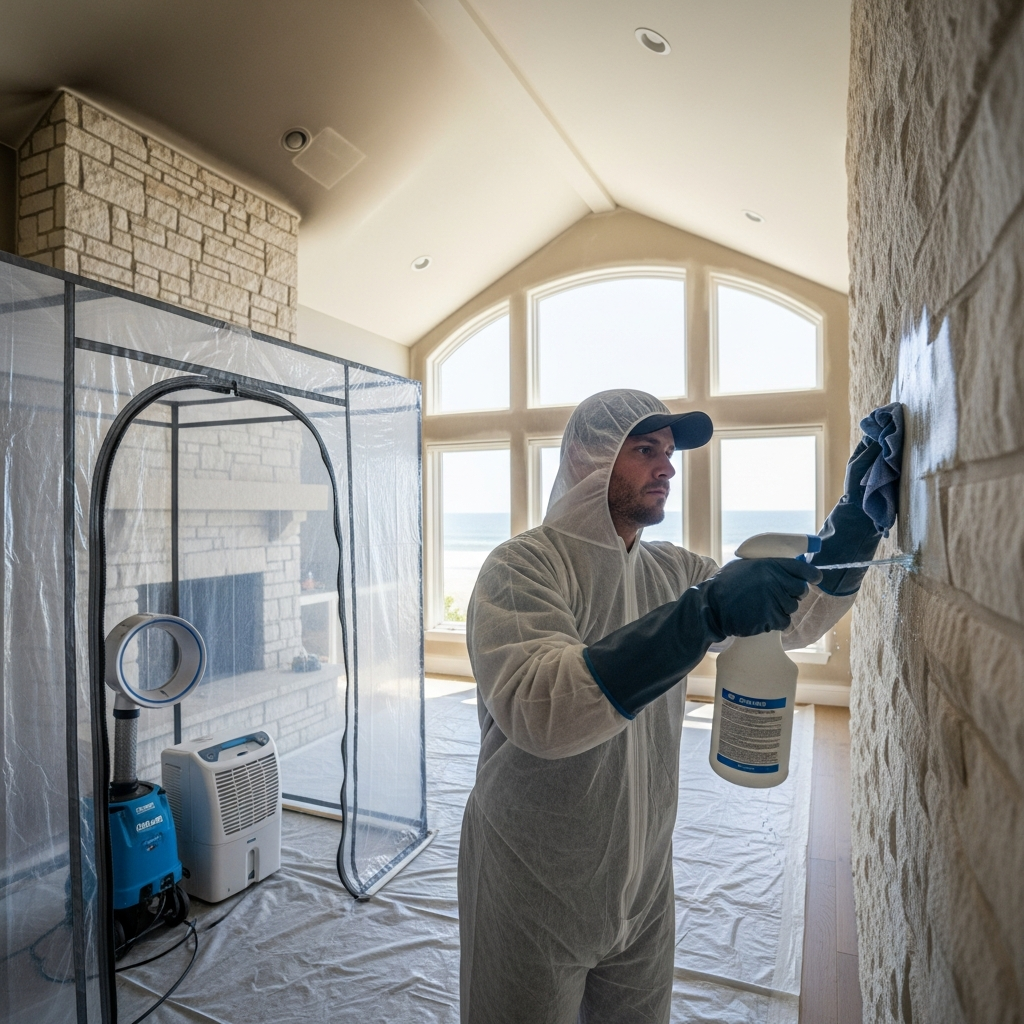
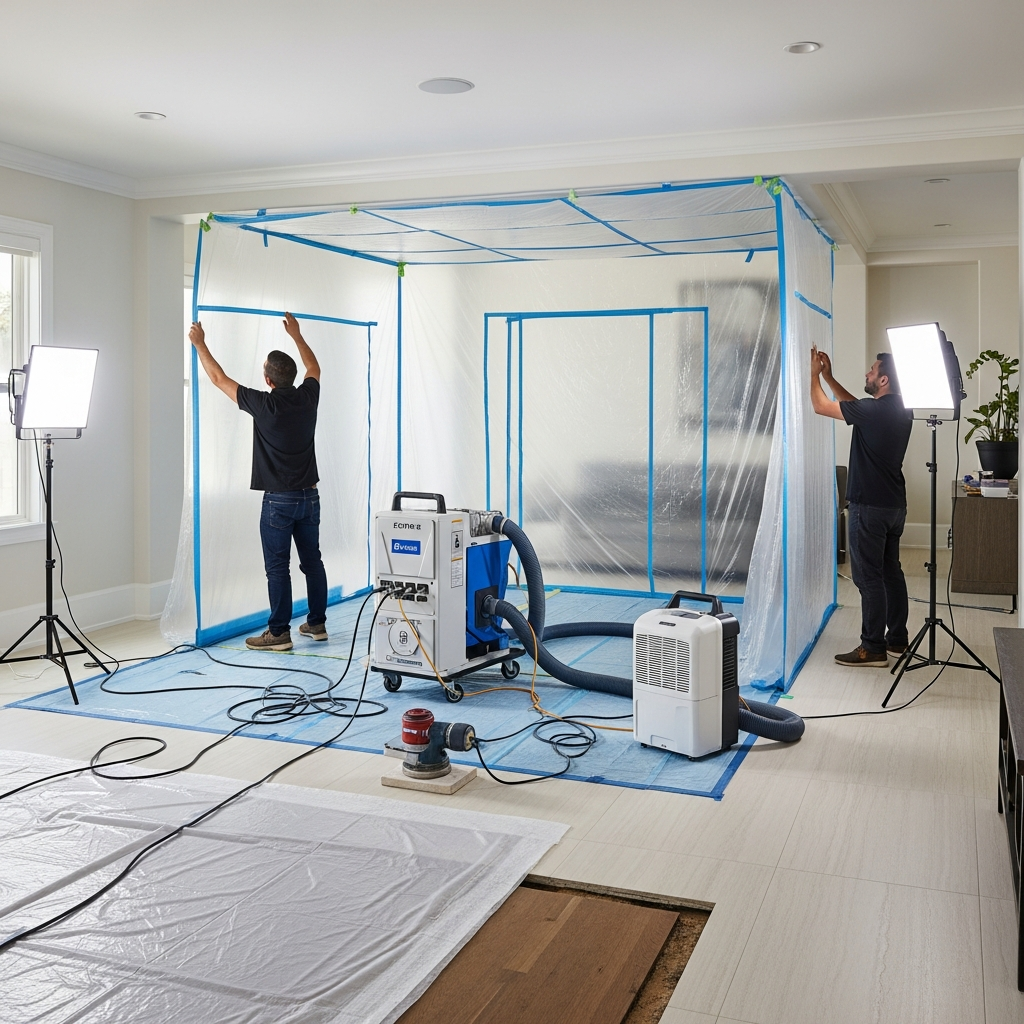
Containment is set early. Plastic barriers and negative air machines with HEPA filters establish clean pathways and protect rooms awaiting treatment. This containment preserves progress and allows crews to move tools and contents without spreading fine soot, a common culprit in lingering odors and surface haze that seems to reappear despite cleaning.
Comprehensive Assessment and Planning
The assessment stage documents where heat and smoke traveled and how residues settled. Technicians test soot types, inspect mechanical systems, and evaluate materials for sensitivity. In Malibu, that often means close attention to natural stone, custom woodwork, and specialty plaster finishes. The plan that emerges is more than a to-do list; it is a blueprint that sets the order of operations, identifies equipment needs, and defines milestones for verification before moving to subsequent phases.
Clear communication anchors this process. Homeowners receive a room-by-room outline that explains methods, products, and goals. Because many Malibu owners split time between properties, updates are designed to keep decisions on schedule even when you are away. That transparency is a hallmark of comprehensive service, ensuring the project stays aligned with your priorities.
Contents Handling, Pack-Out, and Specialty Care
Your belongings deserve the same rigor as your structure. Contents teams photograph, inventory, and categorize items for on-site cleaning, off-site treatment, or documentation if an item is beyond recovery. Soft goods often travel to controlled environments where deodorization technologies like hydroxyl or ozone can neutralize odor without exposing your home to those processes. Artwork, electronics, and musical instruments are evaluated by specialists who understand both material science and the emotional value of these items.
Pack-back brings the story full circle. Once structural cleaning and sealing are complete, items return to clean rooms in an organized sequence. This moment restores a sense of normalcy, and it is often when homeowners notice the care taken to protect finishes and preserve the character of the space.
Structural Cleaning and Deodorization
Effective deodorization begins with removing the source. Dry cleaning methods like HEPA vacuuming and chemical sponges lift soot without smearing it. Wet cleaning follows where chemistry is appropriate, carefully chosen to match substrates from stone and tile to painted surfaces and wood. When residues resist, micro-abrasion or alkaline rinses may be employed, always tested in small areas before full application to confirm both effectiveness and surface safety.
Deodorization is then layered into the process. Hydroxyl generators or controlled ozone treatments can neutralize volatile compounds left after thorough cleaning. HVAC systems receive special attention: returns are isolated, ducts cleaned, and filters replaced at strategic points to prevent recontamination. In Malibu’s coastal conditions, this step is essential; fine particulates combined with salt air can create persistent odors if not fully addressed.
Moisture Control and Indoor Air Quality
Water from firefighting can be as disruptive as the smoke itself. Structural drying uses targeted airflow, dehumidification, and monitoring to return materials to stable conditions. This work runs in parallel with cleaning so momentum is not lost. Air quality management continues throughout, with HEPA filtration maintaining clean zones and capturing disturbed particulates during each phase of work.
Verification is built into the plan. Teams perform odor checks at different times of day to account for temperature and humidity swings, and they revisit tight spaces like closets and attic knee walls where residues can linger. Only when air quality and surface tests align with goals do they move to sealing or finishing steps.
Repair and Preparation for Build-Back
Comprehensive service bridges the gap between cleaning and reconstruction. Surfaces are prepared for finishing with appropriate primers and sealers that lock in residual molecules while preserving breathability. Structural elements that required removal are measured and documented to expedite build-back. If you are working with a separate general contractor, your restoration team coordinates to hand off a site that is truly ready for the next phase—clean, dry, and precisely documented.
In Malibu homes where specialty finishes are part of the design language, restoration professionals collaborate on color matching, sheen selection, and blending strategies to ensure repaired areas harmonize with surrounding surfaces. This attention to detail is what transforms a competent cleanup into a comprehensive, polished outcome.
The Value of Local Knowledge
Local knowledge shows up in the quiet, confident way challenges are handled. Crews anticipate access issues on narrow canyon roads, stage equipment to respect neighbors, and plan around weather patterns that can influence odor and drying. They understand that evening marine layers may call for a different ventilation approach than a hot, breezy afternoon. This sensitivity streamlines the process and minimizes disruption.
Equally important is familiarity with Malibu’s materials palette. Whether your home features reclaimed timbers, polished concrete, or imported stone, methods and products are chosen to respect those finishes. Test areas are standard practice, not an exception, providing you with visible proof before large-scale application.
Frequently Asked Questions
How soon should comprehensive restoration begin?
As soon as the property is cleared for entry. Early stabilization and containment limit secondary damage and set the stage for efficient cleaning and deodorization. In Malibu’s variable climate, prompt action prevents moisture and salt-laden air from setting residues in place.
Do comprehensive services include my HVAC system?
Yes. A whole-home approach addresses ductwork, returns, and air handlers to prevent redistribution of fine particulates. Filters are replaced at targeted points in the process to support air quality from start to finish.
Can specialty finishes be preserved?
Often, yes. With testing and tailored products, many high-end finishes can be cleaned and blended effectively. When removal is necessary, documentation and samples support precise matching during build-back.
What about my belongings and artwork?
Contents receive dedicated handling, including photo inventories and specialized care for art, electronics, and instruments. Off-site treatment may be used for soft goods to achieve deep deodorization without prolonging on-site work.
Will I need to vacate the home?
It depends on the extent of damage and your comfort with activity and equipment. Many projects can be phased to maintain clean, habitable zones. Your restoration team will explain options and help you choose the path that balances comfort and efficiency.
How is success verified?
Verification includes visual inspection, odor assessments at different temperatures and humidity levels, and confirmation that air handling systems are delivering clean, fresh air. Follow-up visits help ensure results hold over time.
When you want all the moving parts to align—from emergency response through final touch-ups—choose a partner who treats your home as a single, living system. That perspective delivers results that feel complete and enduring. If you are ready to set a clear, organized plan into motion, reach out for comprehensive fire damage restoration in Malibu and take the first confident step toward a home that looks, smells, and feels like itself again.