In Malibu, fire damage has a way of colliding with the unique pace and personality of coastal life. When smoke settles along the canyon ridgelines and sea air moves through open windows, the reality of cleanup and rebuilding can feel daunting. As a local who has walked scorched lots after wind-driven flare-ups and quiet kitchen fires alike, I understand that trust is the first, most valuable tool you can bring to a project. That trust begins the moment you pick up the phone and speak with a team that knows the community, the terrain, and the urgency of protecting what is left. If you need a starting point, consider reaching out to a provider experienced in Malibu fire damage restoration so you can quickly move from uncertainty to a structured plan.
What makes a trusted partner in this work is not just a toolkit and a truck. It is the calm that comes from methodical assessment, clear explanations, and consistent follow-through. In Malibu, homes face a distinct set of exposures: canyon winds that intensify flames and push embers into attic vents, decks and railings that smolder longer than expected, and smoke that slips into closets where it lingers in fibers for weeks. A reputable team will account for these details from the very first walkthrough, making notes on material types, smoke patterns, ventilation pathways, and the small but important items many people forget to protect in the rush to stabilize a property.
Understanding Malibu’s Fire and Smoke Behavior
Whether the event is a small stovetop blaze or a hillside flare that sends embers through the neighborhood, fire in Malibu behaves differently than it might inland. Coastal humidity can temper open flames one moment and encourage hidden condensation the next. That moisture can trap soot on cooler surfaces, cementing it into a stubborn film that releases odor every time the room warms up in the afternoon sun. Trusted restoration starts with a deep read of how smoke traveled, which rooms acted as pressure chambers, and where soot deposited based on microclimates in the home.
Soot is not uniform. Protein soot from a kitchen incident can appear nearly invisible yet produce a persistent, acrid odor. Dry soot from a fast-burning wildfire can be powdery and deceptively easy to smear into paint or stone. Oily residues from plastics or synthetics require careful technical cleaning to avoid setting stains. A trusted local team understands that each soot type calls for specific methods, from dry sponging and HEPA vacuuming to specialty detergents and targeted abrasion, always balancing removal with the preservation of finishes and textures that give Malibu homes their character.
Safety and Stabilization Come First
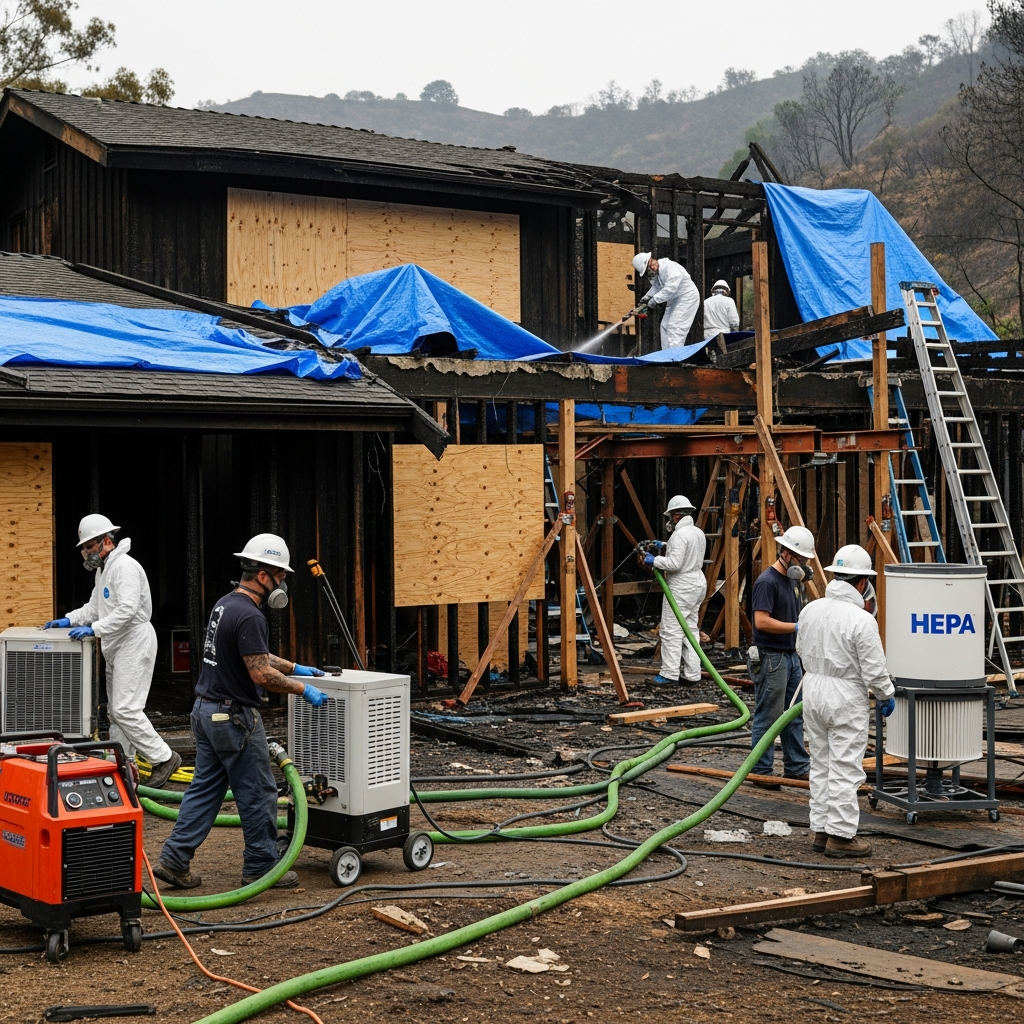
Before any deep cleaning begins, the priority is to make the site safe and stable. This step is not dramatic, but it is critical. Professionals will check electrical panels, cap compromised plumbing, and evaluate structural members for charring or heat stress. Board-up and tarping protect openings from marine layers overnight, which can pull smoky air back inside if left unsealed. If water was used to suppress the fire, drying begins almost immediately to prevent secondary damage like mold or swelling in hardwood floors. In hillside homes with complex footprints, this early stabilization may include shoring and temporary bracing to ensure workers and residents can move safely through the space.
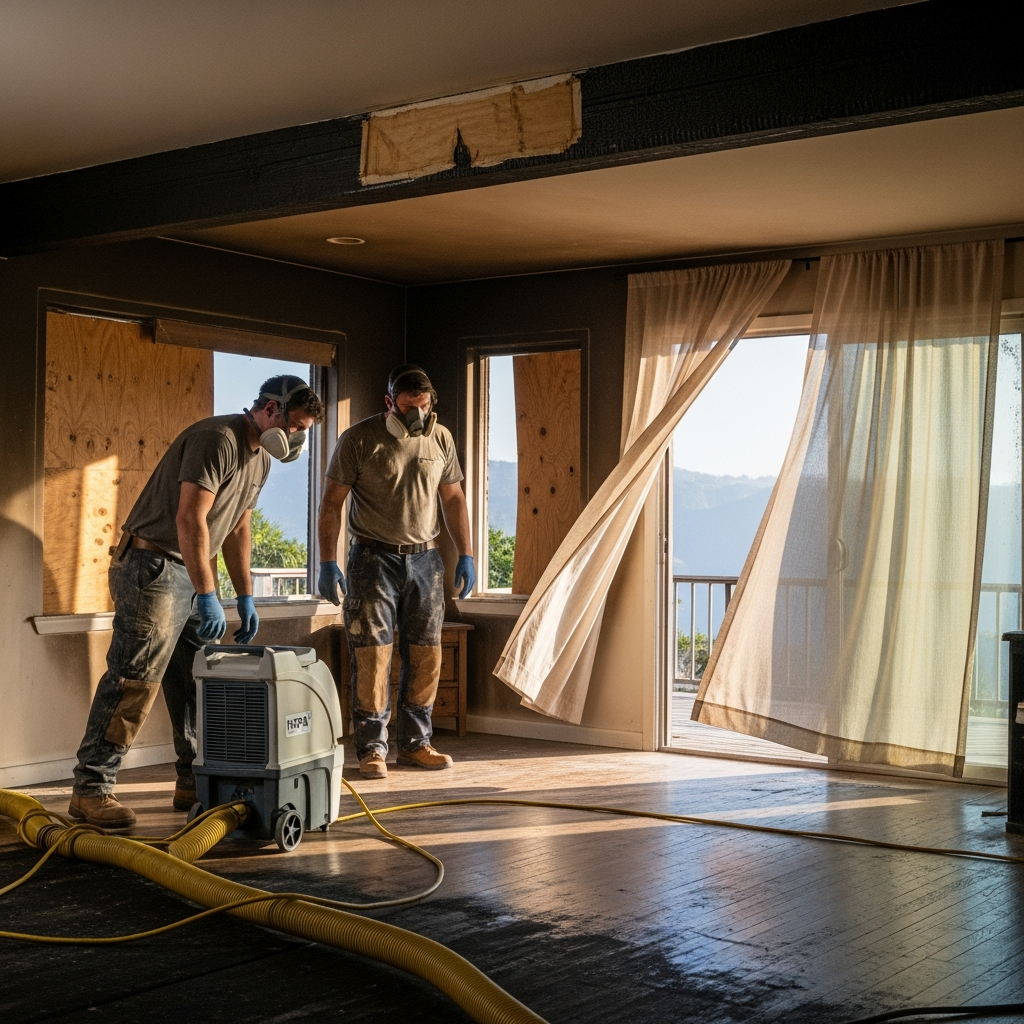
Air quality is another key piece of safety. Negative air machines equipped with HEPA filtration help capture fine particulate and keep it from drifting to unaffected rooms. In homes with elaborate HVAC systems, trusted teams isolate returns, clean ductwork methodically, and install new filters at carefully timed intervals—not too early, or they can become saturated and re-release odor. These steps are not just technical formalities; they are the groundwork for restoration that lasts.
The Role of Documentation and Transparent Communication
Trust often lives in the small moments of communication. A qualified restoration professional documents each room with photos, notes, and itemized findings, speaking clearly about what is salvageable, what must be removed, and how decisions will be made along the way. Malibu homeowners often balance busy schedules and travel, so consistent updates by text, email, or scheduled calls help maintain momentum and reduce stress. When a team is open about both progress and roadblocks, you can plan life around the project instead of the other way around.
That same transparency extends to coordinating with adjusters and other stakeholders. A local restoration partner familiar with Malibu’s permitting rhythms and community expectations can help align timelines and keep conversations productive. Coordinated scheduling between cleaners, remediation specialists, and reconstruction crews minimizes downtime and prevents tasks from being undone by the next trade entering the space.
What the Restoration Process Typically Looks Like
While every project is unique, a trusted path generally follows a steady sequence. After safety and stabilization, the team maps out cleaning strategies, often starting with the least affected areas to create clean zones that reduce cross-contamination. Contents are carefully sorted into categories: cleanable on-site, pack-out for off-site treatment, or non-salvageable items documented for replacement. Fabrics and soft goods may head to an ozone or hydroxyl treatment chamber off-site to neutralize odor molecules before detailed laundering. Meanwhile, interior surfaces are addressed systematically, using dry methods where possible to avoid spreading residue, and wet cleaning where chemistry can safely break bonds without harming finishes.
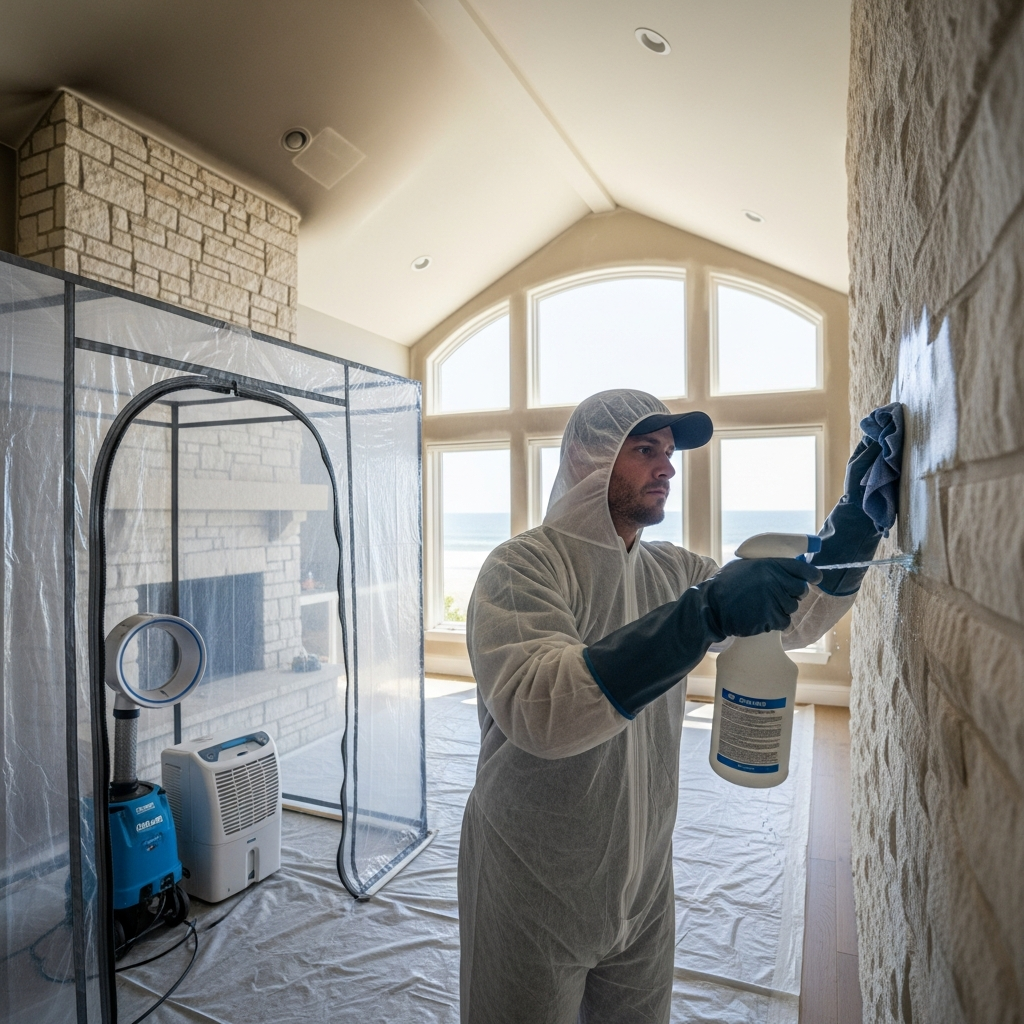
In many Malibu homes, natural stone, custom woodwork, and specialty plaster require a lighter touch. Teams that work here often use micro-abrasion or alkaline rinses specifically calibrated for these materials. They may ask to test a small, hidden area first and show you results before proceeding. Midway through the project, it is common to revisit rooms as odors settle or as new airflow patterns emerge once tarps and temporary barriers are removed. It is at this middle stage—once the initial chaos has given way to measurable progress—that homeowners often feel the most relief, especially when supported by seasoned professional fire damage restoration technicians who can explain exactly why each step matters.
Local Nuances: Canyons, Coast, and Construction
Malibu homes often sit in microclimates that demand nuance. Inland canyons can be hot and dry during the day, then surprisingly cool at night. That swing can push odors in and out of building cavities, making timing important for sealing and deodorization. Near the water, salt in the air may accelerate corrosion on electronics and metal fixtures exposed to smoke. A trusted team will often bring in electronics specialists quickly to assess whether a device can be safely restored or should be isolated to prevent further deterioration.
Construction styles in the area also vary widely, from post-and-beam mid-century homes to modern estates with steel accents and expansive glass. The right restoration approach respects these differences. Smoke may penetrate UV coatings on windows or lodge in crevices along exposed beams. Choosing techniques and products that remove contaminants without dulling finishes is the sign of a professional who has done this work here, not just anywhere.
Collaboration with You and Your Design Vision
Beyond the technical details, trust shows up in how a team honors your vision for the home. Even in a straightforward clean-and-seal scope, subtle choices about color-matched primers, sheen levels, and refinishing methods can make a big difference. A collaborative approach invites your input on what matters most, whether it is preserving a hand-carved mantle, restoring a family piano, or prioritizing a child’s room so they can feel settled sooner. When you are part of the decision-making, the final result reflects your life as much as it does the science of restoration.
Timelines are a frequent question. While speed is important, responsible pacing ensures that each layer—drying, cleaning, sealing, and any build-back—has time to perform. Rushing deodorization or sealing too early can trap odors and create future headaches. Regular check-ins and realistic milestones create a momentum that feels steady and dependable.
What Homeowners Can Do Right Away
Before professionals arrive, there are small steps that help without putting you at risk. Avoid running the HVAC to limit spreading soot. Resist the urge to wipe surfaces; household cloths can grind residues into delicate finishes. If it is safe to do so, open a single window on the leeward side of the home and close doors to heavily affected rooms to prevent migration. Photograph rooms before moving items, not only for records but to help organize the return of belongings during pack-back. These actions complement professional work and keep the restoration predictable.
As the project progresses, your role remains important. Communicate sensitivities to fragrance or cleaning agents so the team can adjust products accordingly. Share your daily routines so scheduling aligns with your needs. When professionals and homeowners operate as one team, the pathway from damage to comfort becomes clearer and faster.
Long-Term Resilience for Malibu Homes
Trusted restoration is more than returning rooms to pre-loss condition; it is an opportunity to strengthen a property for the future. Upgraded vent screens, ember-resistant landscaping choices, and improved compartmentalization can slow smoke spread if a future event occurs. Even small improvements—like sealing bypasses around can lights or adding door sweeps in key locations—can make a difference. A seasoned local professional can point out these options as part of the final walk-through, giving you a roadmap for resilience tailored to Malibu’s terrain and climate.
Odor checks weeks after completion are another hallmark of a trustworthy partner. Scheduling a follow-up ensures that seasonal changes in temperature or humidity do not reveal hidden issues. If anything resurfaces, you should feel confident that the team will respond quickly and stand behind their work.
Frequently Asked Questions
How quickly should I start restoration after a fire?
Stabilization should begin as soon as the site is cleared by authorities. Early actions—securing openings, beginning drying if water was used, and capturing airborne particulates with HEPA filtration—limit secondary damage and make later steps more efficient. Prompt starts are particularly important in Malibu’s variable coastal conditions, where overnight humidity can set soot in place.
Can all smoke odors be removed?
Most odors can be neutralized with a combination of source removal, thorough cleaning, and targeted deodorization like hydroxyl or ozone treatment in controlled conditions. Success depends on locating and addressing the true sources of odor, which may include hidden voids or insulation. The right team will pair chemistry and airflow control with careful inspection to ensure lasting results.
Is it safe to stay in the home during restoration?
It depends on the extent of damage and your tolerance for interruption. Many projects can be phased so that clean zones remain habitable. Your restoration professional should discuss safety, air quality, and practical considerations like noise and equipment before recommending whether to stay or relocate temporarily.
What happens to my belongings during cleaning?
Contents are inventoried, photographed, and categorized. Cleanable items may be treated on-site in a dedicated area, while others are carefully packed and transported for specialized cleaning. Sensitive items—artwork, electronics, musical instruments—often receive targeted care from vetted partners. At pack-back, items are returned to their rooms and placements documented for your approval.
Will my HVAC system need special attention?
Yes. Ducts, returns, and air handlers can harbor fine soot that redistributes odor if not thoroughly addressed. Technicians typically isolate the system early, perform HEPA vacuuming and cleaning, and replace filters at strategic points in the process. This approach prevents recontamination and supports healthy indoor air quality.
How do I know if materials should be removed or restored?
Decisions are based on structural integrity, depth of soot penetration, and the likelihood of achieving odor-free results. Professionals test materials, evaluate charring and porosity, and often provide side-by-side samples showing achievable outcomes. The goal is to preserve where practical and replace only when necessary for safety or long-term performance.
When you are facing the aftermath of a fire, you deserve steady guidance, clear communication, and craftsmanship that respects the character of your home. If you are ready to take the next step, connect with a team that understands the nuances of our coastline and can move swiftly from assessment to action. Reach out today to schedule expert Malibu fire damage restoration and feel confident that every detail—from air quality to finishing touches—will be handled with care.