In Malibu, we learn to read the wind. A cool morning breeze can shift by afternoon, ushering smoke down the canyons or carrying it along the bluffs in a haze that settles into homes, even miles from a flame front. After a fire, many properties wear little to no visible scorch, yet inside the walls and fibers, soot and odor tell another story. Effective smoke damage restoration demands a calm, systematic approach that treats air, surfaces, and belongings as a single ecosystem. It’s not enough to wipe and hope. It’s about understanding how residues form, how they travel, and how to remove them without spreading the problem deeper into your living spaces.
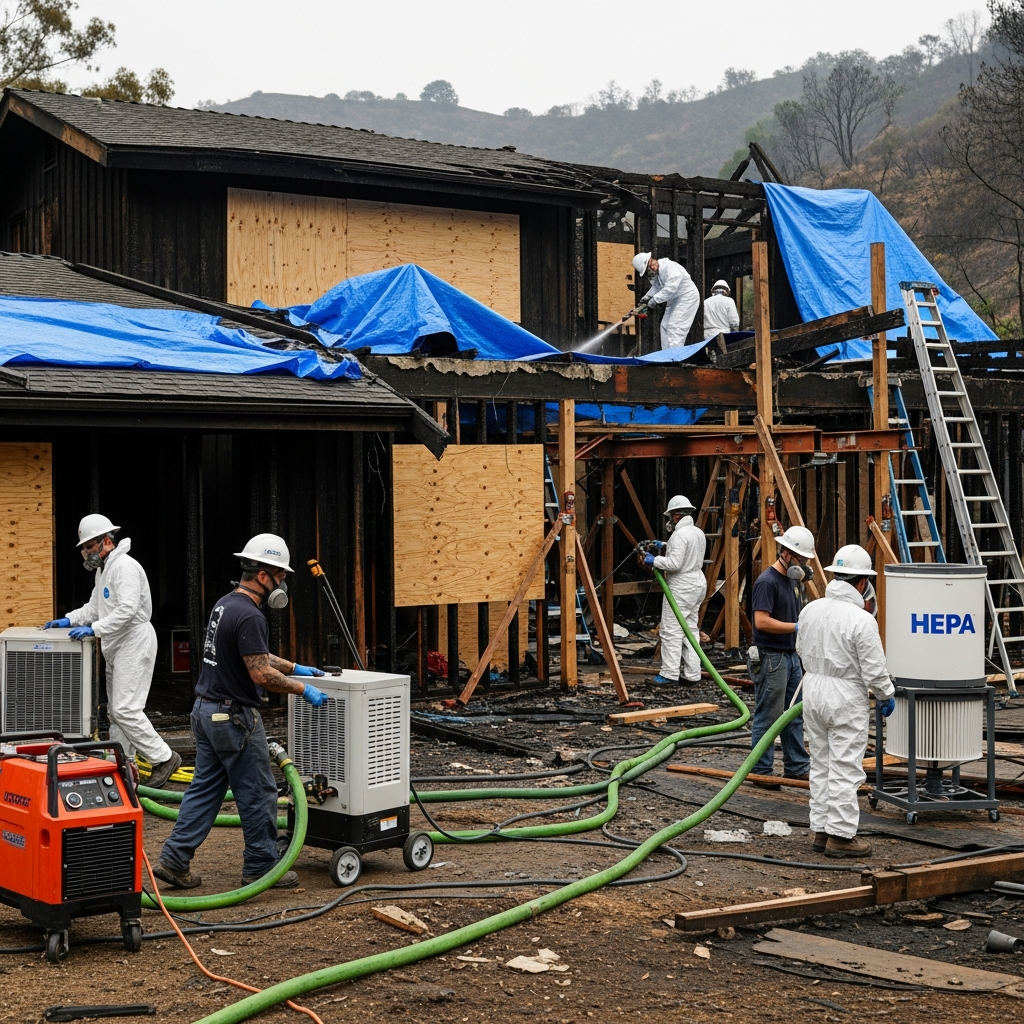
As a local who has surveyed homes from Malibu Colony to the upper reaches of Corral Canyon, I’ve seen countless instances where light gray dust belies complex contamination. The key is to act with intention from the first step. Whether the source was a distant wildfire or a contained room fire, quality fire damage restoration bridges the gap between what looks clean and what actually is clean. That difference shows up in lab swabs, in HVAC returns, in attic insulation, and ultimately in the way your home feels and breathes once the work is complete.
What Makes Smoke and Soot So Persistent
Not all smoke is equal. Slow, smoldering fires create different residues than fast, high-heat burns. Natural vegetation produces a drier soot that can often be lifted with careful dry removal; synthetic materials and protein fires leave stickier, near-invisible films that cling stubbornly to paint, metal, and glass. Malibu homes that blend wood, plaster, tile, and stone require a nuanced plan because each surface responds differently to cleaning agents and pH balances. Odor, too, is a shape-shifter. It hides in the smallest pores and resurfaces when temperature or humidity changes, unless it’s neutralized at the molecular level after source removal.
First Priorities: Stabilize, Protect, and Assess
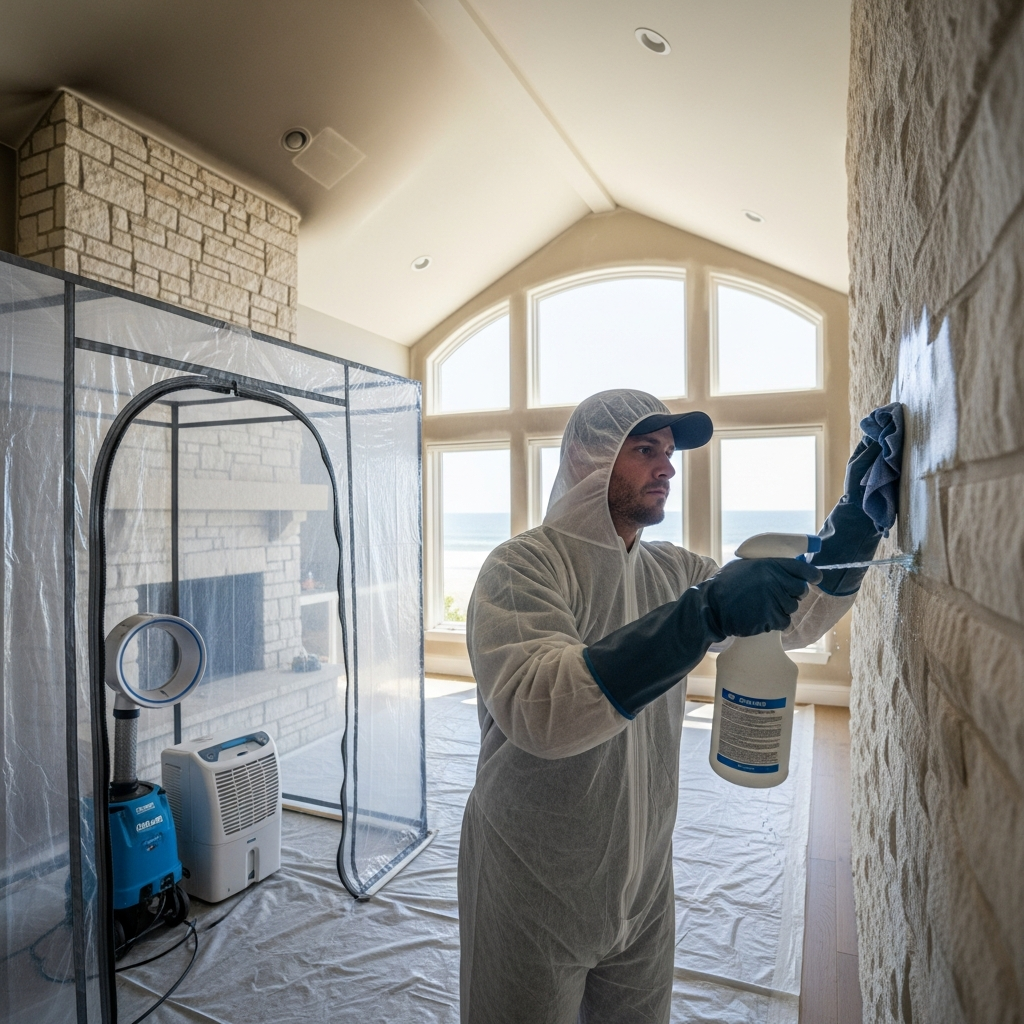
Before a single cloth touches a surface, the property should be stabilized. That means verifying safety, identifying affected zones, and setting containment to prevent cross-contamination. Air filtration begins early with equipment that captures both fine particles and odor-bearing compounds. A detailed walkthrough maps where smoke likely traveled—up stairwells, through attic vents, under door sweeps, and into the folds of drapery. Proper sequencing matters because soot removal is cumulative: every careful pass strengthens the next, while a single careless move can force soils deeper into porous materials.
Dry Removal Before Wet Cleaning
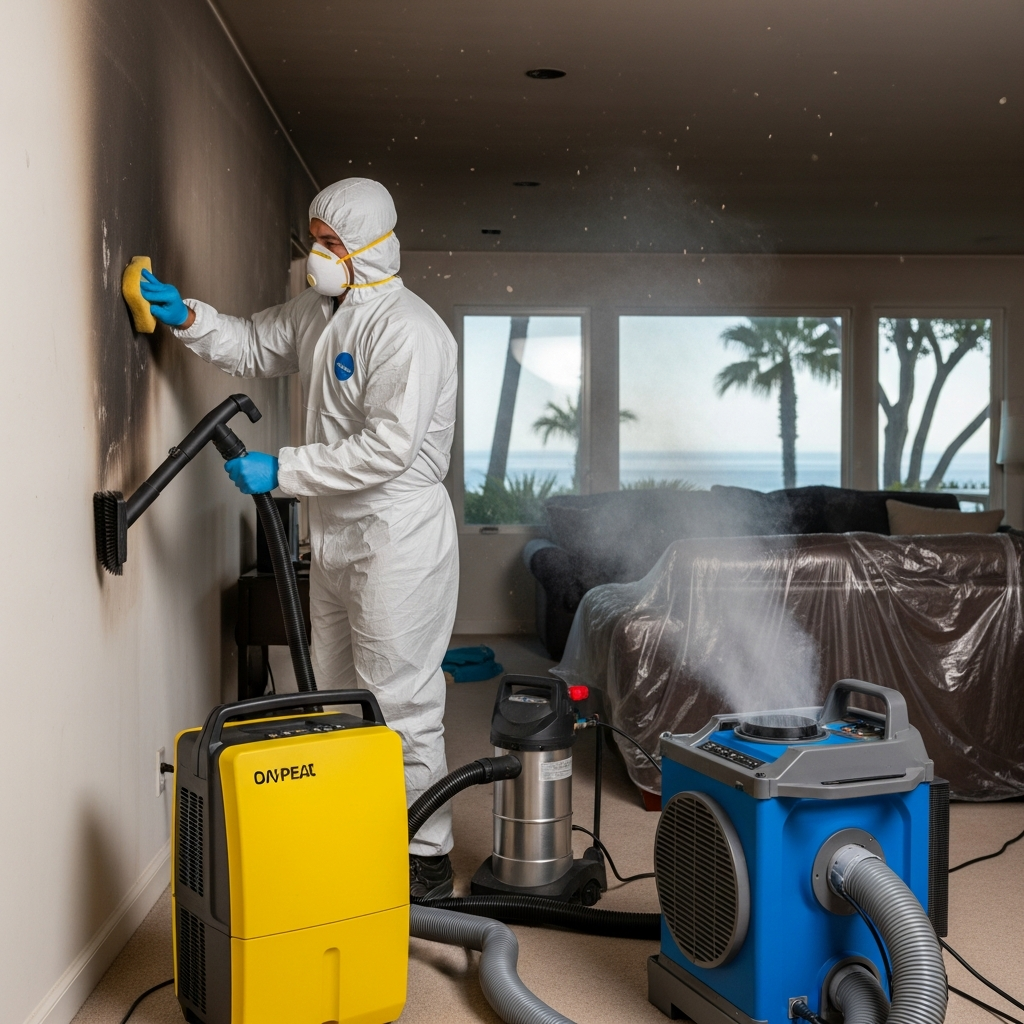
Dry removal is the backbone of smoke cleanup. HEPA vacuuming and specialized sponges collect loose particulates without smearing them across paint or driving them into grout lines. Only after the majority of dry soot is captured do we introduce wet methods tailored to the residue type and surface. In kitchens and baths, surfactants must be selected with care to protect finishes. On natural stone, the wrong cleaner can etch surfaces or lock in odor. Windows and glass, so often streaked post-fire, benefit from a process that removes oily films completely, rather than just redistributing them into a faint haze that returns with the next marine layer.
Odor Neutralization That Lasts
Odor control starts with thorough cleaning. Once primary sources are removed, advanced techniques can be used to neutralize residues that the nose can still detect but the eye cannot. Thermal fogging, targeted oxidizing processes, and time-limited treatments are tools—never substitutes for elbow grease. In Malibu’s climate, days of higher humidity can reawaken trapped smells if cleanup was superficial. The measure of success is not a perfumed room; it’s walking in from a sunset stroll on the beach and smelling nothing but the clean, salt-tinged air that belongs in a coastal home.
HVAC, Attics, and the Hidden Reservoirs of Odor
One of the most overlooked sources of persistent odor is the HVAC system. Ductwork, returns, filters, and coils can all harbor soot and smoke compounds that release every time the system cycles. Attic insulation, especially in vented roofs, can become a permanent reservoir for fine particulates unless properly evaluated and addressed. In multi-level homes, smoke patterns can be deceptive, settling on the leeward side of rooms or gathering in closets and built-ins. Systematic testing and verification ensure that the spaces you can’t easily see are as clean as the ones you can.
Contents: Textiles, Art, and Everyday Items
From handwoven rugs to guitars and surf gear, Malibu homes accumulate a lifetime of treasures. Textiles can trap odor, but with the right processes many fabrics are restorable. Rigid items often come back beautifully with patient cleaning and deodorization. Specialty items—artwork, heirlooms, and sensitive electronics—benefit from early evaluation so the appropriate treatment pathway is chosen. The decision to restore or replace should be based on condition, value, and the scientific likelihood of success, not guesswork or hurry.
Mid-Project Checkpoints and Confidence
Owners feel most confident when progress is visible and measurable. Mid-project verification—surface testing, odor evaluations, and HVAC checks—anchors the work to clear standards. This is also when planning for final finishes comes into focus. Touch-up painting, resealing of stone, and refinishing of lightly heat-tinted wood are contemplated only after the environment passes cleanliness thresholds. These steps are where expert fire damage restoration shines, connecting meticulous cleaning with the finishing touches that make a home feel fully renewed.
Windows, Doors, and the Coastal Factor
Salt air is both friend and foe. It speeds corrosion on unprotected metals exposed during firefighting and can mix with soot to create stubborn films. Windows and sliders facing the ocean often need extra attention. Weatherstripping, hardware, and tracks may require deep cleaning to restore smooth function and prevent corrosion. Doors, especially those with natural wood finishes, respond best to gentle, staged cleaning followed by conditioning that restores luster without trapping odor.
Repainting and Surface Renewal
Even after cleaning, some painted surfaces may show ghosting or stubborn shadowing. Proper preparation is crucial before any repaint: adhesion testing, stain-blocking primers where appropriate, and careful sanding that doesn’t re-aerosolize soot. When done well, the new finish not only looks fresh but also performs long-term without telegraphing past damage through to the surface.
Communication and Documentation
Restoration is a team sport. Homeowners, adjusters, and technicians work best when communication is steady and documentation is thorough. Before-and-after images, scope notes, and testing results create a shared understanding of what has been accomplished and what remains. The process is not merely about cleaning; it’s about confidence that each choice is grounded in evidence and best practice.
FAQ: Soot and Odor Removal in Malibu
Q: My home doesn’t look dirty, but it smells like smoke. Is that normal?
A: Yes. Many smoke compounds are invisible yet potent. Odors can persist in attics, ducts, and porous materials even when surfaces look fine. Targeted cleaning and odor neutralization, confirmed by verification, address what the eye can’t see.
Q: Can I just open the windows and air it out?
A: Ventilation helps, but it rarely resolves embedded contamination. Without source removal and proper filtration, odors typically return with shifts in temperature or humidity. Controlled airflow and staged cleaning are far more reliable.
Q: What’s the difference between dry and wet soot?
A: Dry soot from natural fuels lifts more easily with dry methods. Wet or oily soot, often from synthetic materials, smears and requires tailored chemistry after thorough dry removal. Identifying residue type prevents staining and re-soiling.
Q: How do you know when the HVAC is clean?
A: Verification pairs visual inspection with filter checks and, when needed, particulate or odor assessments at registers. Only when performance aligns with targets should the system be fully returned to service.
Q: Are my rugs and upholstery salvageable?
A: Often, yes. Specialized textile treatments can remove soot and odor without damaging fibers. Early assessment helps determine the right approach and improves the odds of a successful outcome.
Q: Will odors come back months later?
A: If cleanup is thorough and odor neutralization is correctly applied after source removal, long-term recurrence is unlikely. Superficial wipe-downs and perfumes, however, almost guarantee a return of odor when conditions change.
Q: How long does smoke cleanup take?
A: Duration depends on the extent of contamination, access, and material types. A well-sequenced plan sets expectations from the outset and adapts as verification confirms milestones.
When the last window is polished and the first sea breeze slides through your home with nothing but the scent of salt and sun, you’ll know the work was worth it. If you’re ready to evaluate your space, prioritize what matters most, and move forward with a plan that respects both craftsmanship and health, reach out. Let’s walk through each room, trace the pathways smoke followed, and build a clear, evidence-driven strategy. From attic to baseboard, we’ll restore the calm your home deserves with comprehensive fire damage restoration and smoke cleanup that lasts.