Wildfire season in Malibu is as much a state of readiness as it is a time on the calendar. Offshore winds, rugged canyons, and layered vegetation can drive embers over ridgelines and into neighborhoods with astonishing speed. When a fire event touches your property—whether a structure is directly burned or smoke and ash move through open windows—the path to recovery relies on speed, coordination, and a plan built for local realities. Having a go-to partner for fire damage restoration means you are not starting from zero when conditions change; instead, you mobilize a response tuned to Malibu’s topography, climate, and architecture.
During wildfire season, the first challenge is access. Road closures on PCH or canyon routes such as Kanan, Latigo, and Corral can affect how quickly crews and equipment arrive. A seasoned local team anticipates this, staging materials and connecting with authorities to move as soon as zones are cleared. Once on site, safety is paramount. Structures may seem intact but can hide hazards like compromised framing, cracked windows under tension, and sagging roof lines. Before anyone spends meaningful time inside, a safety sweep identifies risks and secures utilities as needed.
The first 24 to 72 hours during wildfire season
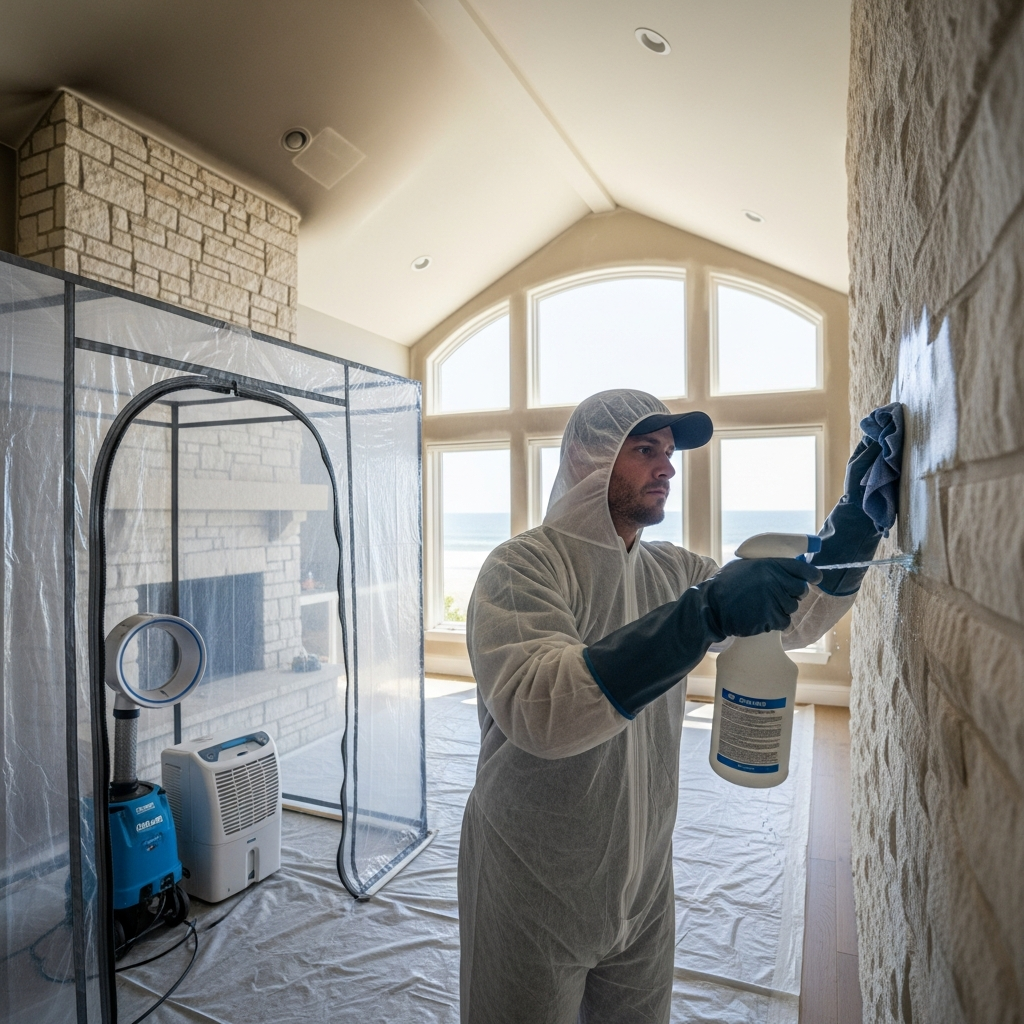
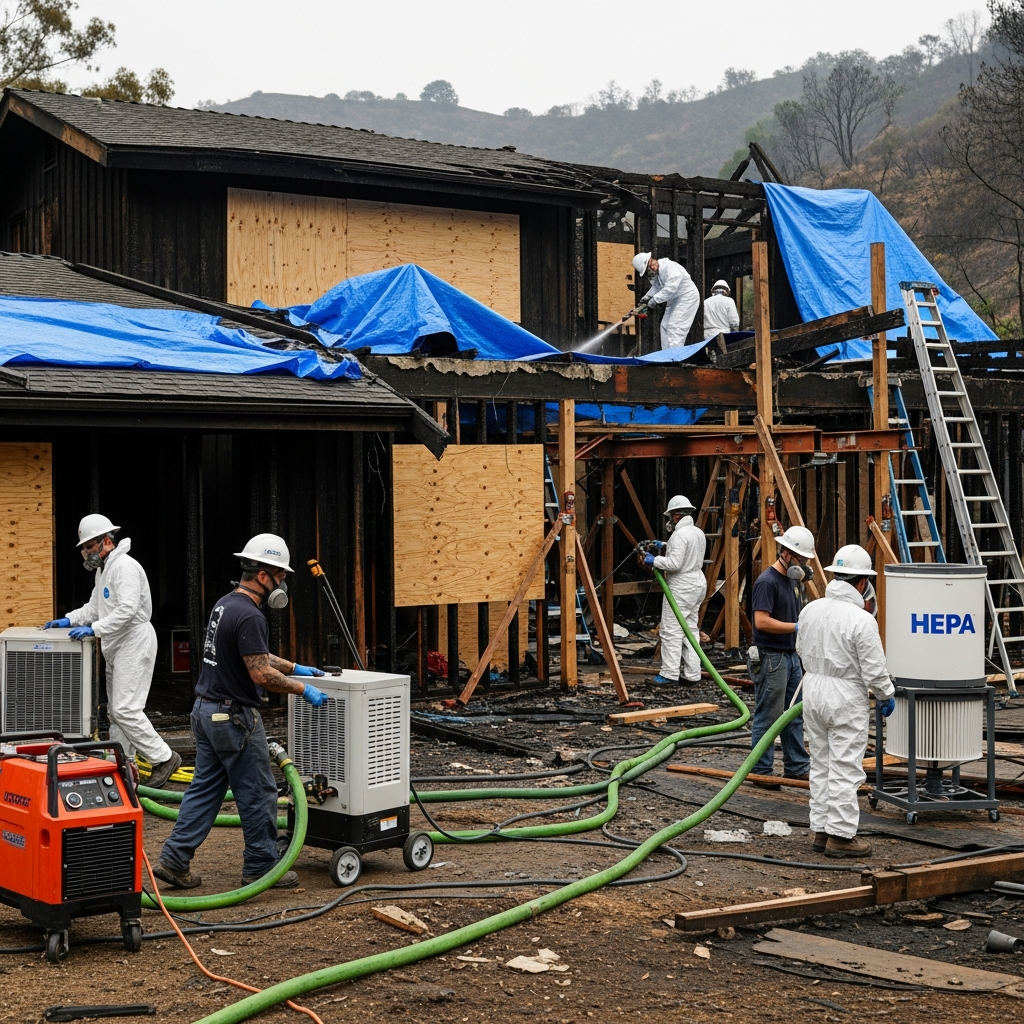
In these crucial days, the race is against secondary damage. Board-up and roof tarps seal openings against wind-driven ash and overnight marine layers, which otherwise can embed soot more deeply. Negative air machines and HEPA air scrubbers start cleaning the indoor environment quickly, especially important when smoke plumes from nearby burns linger for days. Containment separates affected rooms from cleaner areas, preventing cross-contamination when doors open and close.
Water used in firefighting brings its own urgency. Floors can buckle, drywall wicks moisture, and cabinetry can swell. Thorough moisture mapping leads to targeted extraction and drying. Malibu’s humidity and coastal temperature swings make passive drying unreliable; active dehumidification paired with airflow control keeps the project on schedule and protects finishes.
Smoke, ash, and the Malibu coastal effect
Wildfires generate a complex mix of residues. Fine ash settles in nooks and electronics, while oily soot clings to stone and metal. In coastal Malibu, salt air accelerates corrosion, raising the stakes for quick, careful cleaning. Window assemblies, stainless fixtures, and outdoor kitchen components deserve early attention. Indoors, textiles and porous surfaces inhale odors and must be treated with a light, methodical touch. Starting with dry methods preserves finishes; wet cleaning and specialty chemistries follow based on residue testing.
Not all affected properties have burn damage; many experience smoke intrusion alone. Even then, returning a home to comfort requires discipline: sealing HVAC registers, replacing filters, and evaluating ductwork to prevent recirculation. Air quality is dynamic, especially when wildfires continue smoldering nearby. Ongoing monitoring helps adjust filtration and deodorization so that the indoor environment improves day by day rather than merely holding steady.
Contents triage and preservation
Amid the urgency of wildfire response, contents can be overlooked—but they carry the emotional center of the home. A professional inventory catalogs what was affected and what can be saved, with images and barcodes to maintain clarity. Textiles may be deodorized off-site; leather and wood pieces receive gentle, residue-specific cleaning. Electronics should not be powered on until evaluated; soot plus humidity can corrode internal components quickly. For sentimental items and artwork, conservator partnerships help balance thoroughness with preservation.
As mitigation stabilizes, reconstruction planning ramps up. Wildfires can damage exterior elements even when interiors remain structurally sound. Siding, roofing, windows, and sealants may need replacement to restore the building envelope. Malibu’s design language—clean modern lines and indoor-outdoor continuity—requires careful attention to transitions and waterproofing so repaired assemblies perform and look right. Coordinating trades with wildfire-related permitting and inspections helps rebuild momentum while conditions remain fluid.
Living with active wildfire conditions
Unlike isolated house fires, wildfire seasons can stretch for weeks, bringing intermittent smoke and ash even after the initial event. That means restoration plans must be flexible. Crews may re-seal containment between visits, adjust filtration based on outdoor air quality reports, and revisit odor treatment as winds shift. Communication rhythms keep you informed and calm, with predictable updates about what is complete and what is next.
Midway through the process, homeowners often ask whether to continue cleaning or pause until fires are fully out. There is no single answer, but a balanced approach works best: stabilize the home, establish air control, remove residues and sources, and then proceed with detailed cleaning in phases that can be protected if outdoor conditions worsen. This is where experience with fire damage restoration in active wildfire scenarios pays dividends—each step is chosen for durability and adaptability.
Community, neighbors, and discretion
In tight Malibu enclaves, neighborly coordination makes everything smoother. Parking plans, noise awareness, and staging areas keep access clear for residents and first responders. Sensitive scheduling respects early-morning and evening patterns along canyon roads. The best teams pair technical skill with community mindfulness, preserving goodwill during a stressful time for everyone nearby.
Health and well-being throughout recovery
Wildfire smoke affects more than surfaces; it affects people. Families with infants, older adults, or respiratory sensitivities benefit from enhanced air filtration and careful product selection during cleaning. Before re-occupancy, a thorough check of particulate levels, odors, and humidity helps ensure the space feels healthy. Guidance on daily practices—like ventilating at the right times of day or swapping HVAC filters more frequently—extends the benefits once crews step back.
Frequently Asked Questions about Wildfire Season Restoration
Is it safe to start restoration while wildfires are still active?
Yes, with the right precautions. Stabilization, containment, and air filtration can begin as soon as authorities clear access. Work proceeds in protected phases to keep progress intact even if outdoor air quality fluctuates.
What should I avoid doing right after smoke exposure?
Avoid running HVAC systems, opening and closing doors unnecessarily, or wiping surfaces with household cleaners. These steps can drive soot deeper and spread residues. Wait for trained technicians to assess and set up containment.
How do you handle ongoing ash fall?
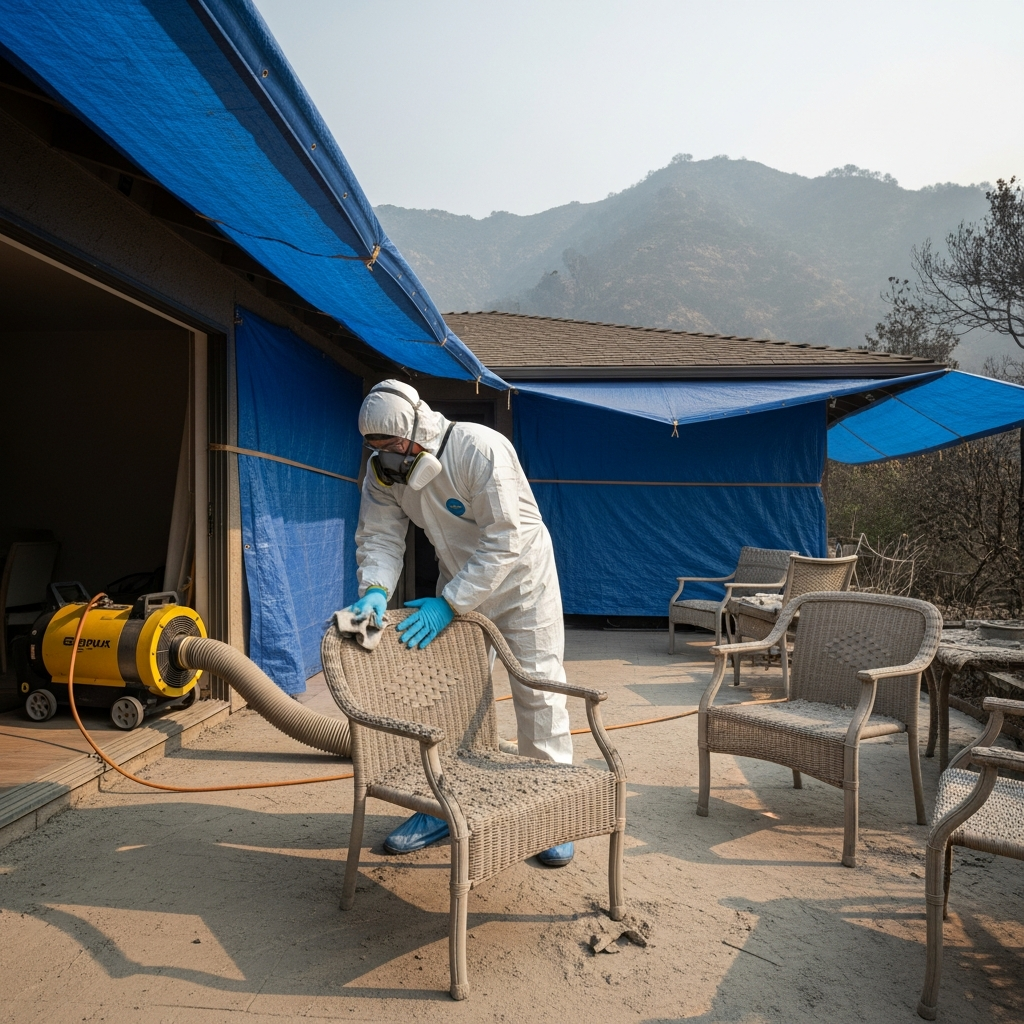
Crews may return for scheduled maintenance cleanings, refresh filters, and reinforce containment. Interior progress focuses on spaces that can be protected; exterior rinses and gentle cleaning are timed to avoid re-soiling.
Can outdoor kitchens and hardscapes be restored?
Often, yes. Stainless and stone surfaces respond well to residue-specific cleaning when addressed promptly. Seals and gaskets may need replacement, and attention to corrosion prevention is key in coastal air.
When can we move back in?
Re-occupancy depends on structural safety, indoor air quality, and completion of critical cleaning. A reliable team will confirm these thresholds and walk you through remaining tasks so you can plan with confidence.
How do Malibu’s winds affect restoration?
Onshore and offshore winds influence indoor pressure and odor movement. Plans that account for these shifts—through containment and filtration—prevent recontamination and support steady progress.
Ready to reclaim comfort during wildfire season?
When smoke and embers test the resilience of your home, choose a partner that understands Malibu’s terrain, timing, and standards. From the first secure board-up to the final indoor air check, move forward with proven fire damage restoration that protects your health, your investment, and your peace of mind.