When homeowners in Malibu begin asking about a fire’s financial impact, they are really asking about scope, sequence, and decisions. The word “breakdown” can sound clinical, but the reality is human: What will it take to make the home feel whole again? What factors shape that journey? A thoughtful look at the drivers behind a restoration plan can replace uncertainty with clarity. From immediate stabilization to final finishes, the path unfolds in phases, each influenced by the fire’s intensity, the home’s construction, and Malibu’s coastal environment. Before getting lost in details, consider partnering early with a team specializing in fire damage restoration so that assessments and priorities are set with experience and local insight.
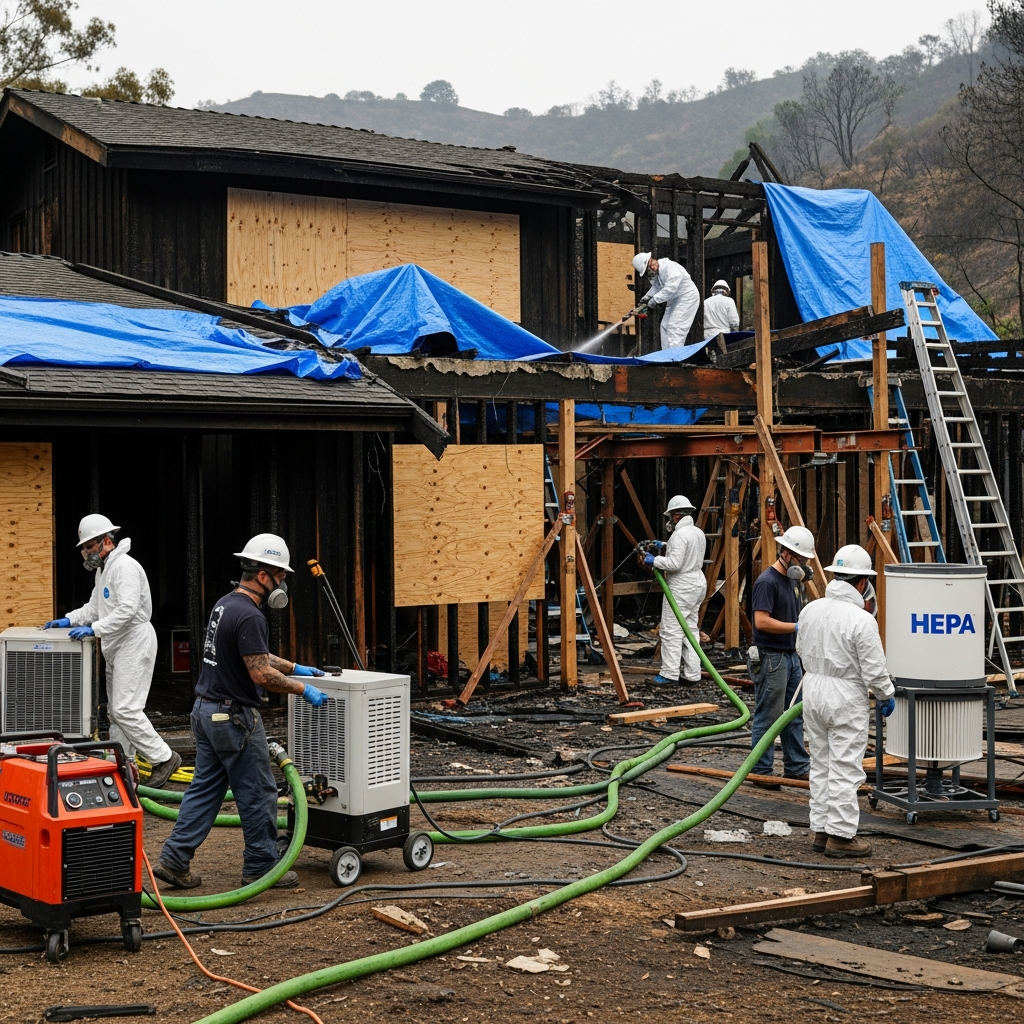
Every situation begins with stabilization. Securing doors and windows, installing temporary roof protection, and shutting off compromised utilities protect the structure from weather and unauthorized entry. In Malibu, where evening fog and marine layers are common, quick board-up reduces moisture intrusion that can magnify soot odors and complicate cleaning. The scope of stabilization depends on how widely building openings were affected and whether structural elements—framing, trusses, or retaining walls—need shoring or evaluation.
Mitigation and moisture management
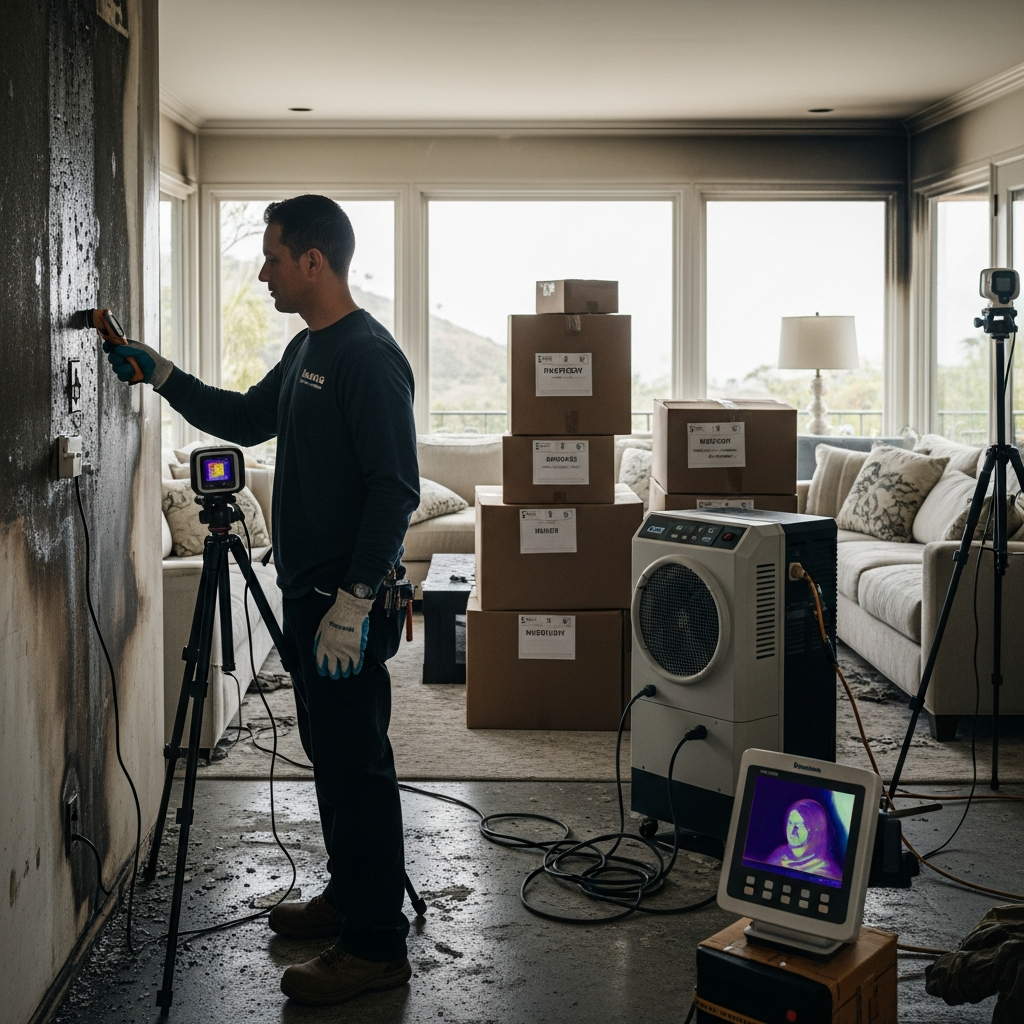
Firefighting introduces water, and sometimes quite a bit of it. Moisture mapping identifies what is wet, what is drying naturally, and what requires intervention. The extent of wet materials influences the duration and intensity of drying efforts, which in turn shapes how the rest of the project unfolds. Homes with thick plaster walls or extensive built-ins may hold moisture longer than drywall assemblies, and Malibu’s coastal humidity can slow passive drying. Proactive humidity control becomes a defining factor in preventing secondary damage.
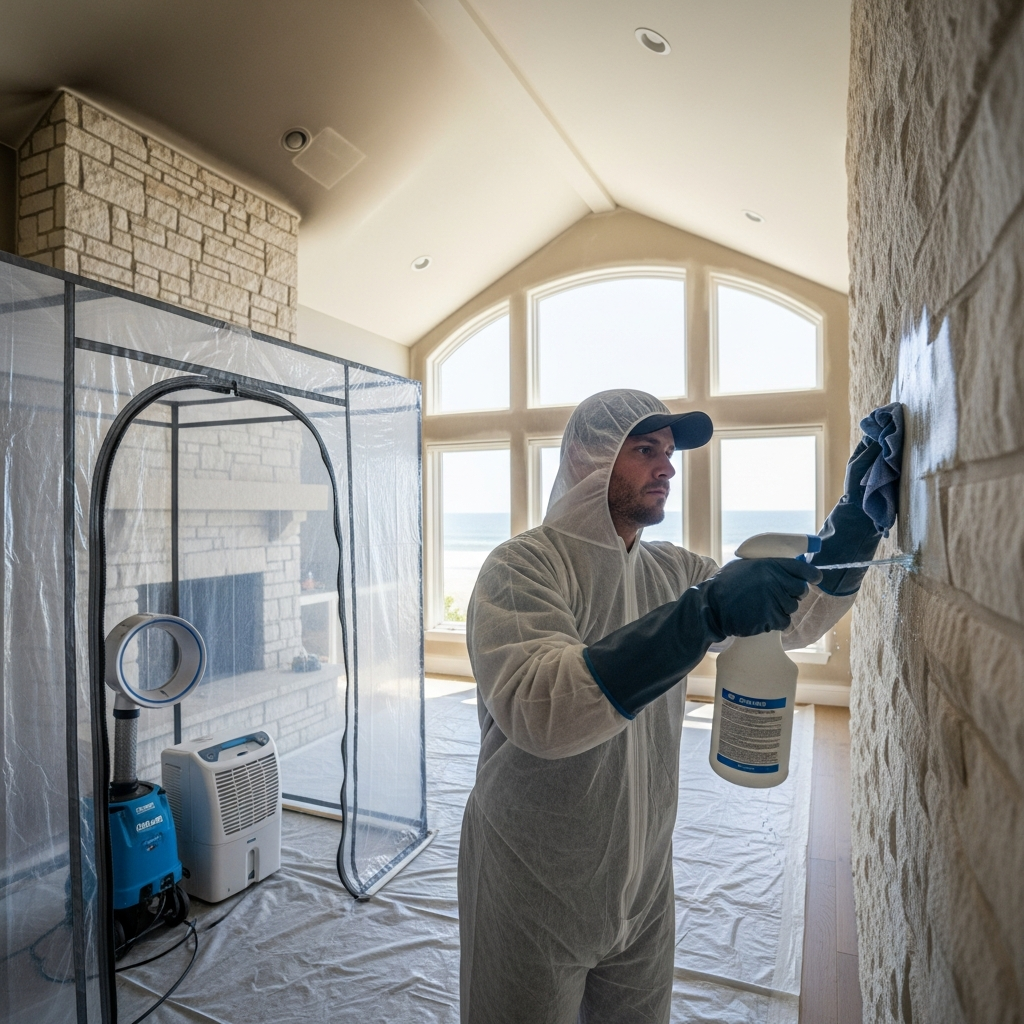
Removal of non-restorable materials is the next lever. Charred assemblies, saturated insulation, and warped finishes must be taken out carefully so that soot is not spread into cleaner zones. Debris handling, containment, and negative air setups stabilize indoor air quality, especially when ocean breezes can otherwise move particles room to room. The volume and type of demolition guide the pace of everything that follows.
Smoke and soot: what drives the work plan
Not all smoke is equal. A protein kitchen fire leaves a thin, stubborn film; a high-heat structural fire can produce dry, powdery soot; plastics and synthetics release oily residues. The mix you have determines cleaning chemistry, dwell times, and techniques. In homes with Venetian plaster, honed stone, or custom lacquer, technicians must work slowly and test each method. That care is not just about appearance—it is also about retaining property value and ensuring surfaces perform as intended when the job is complete.
Odor control likewise depends on multiple variables: how thoroughly sources can be removed, how porous the affected materials are, and how well airflow is managed. Malibu’s microclimates add nuance; for example, canyons that funnel wind into the home require stronger containment and filtration to keep odors from being reintroduced during cleaning.
Contents and specialty items
What the home holds significantly shapes a restoration plan. Artwork, instruments, heirlooms, and luxury textiles demand specialized handling. A detailed inventory with photographs and barcoding supports decisions about what can be restored and how. Textiles may undergo ozone-free deodorization; electronics may be evaluated by third-party specialists. The more complex the contents profile, the more coordination and expertise the project requires.
Midway through mitigation and cleaning, attention turns to build-back. Matching unique finishes and millwork, sourcing compatible materials, and coordinating trades are all influenced by the original design’s complexity. Malibu residences often feature expansive glazing, custom stairs, and outdoor-indoor transitions that call for precise alignment and waterproofing details. The quality of the reconstruction plan determines how seamlessly repaired areas blend with the rest of the home.
Local conditions that influence the plan
Malibu is not a generic market. Salt air encourages corrosion, so metal fixtures and window assemblies may need extra inspection and protective measures. Narrow or steep access routes in canyons can shape staging choices and how equipment is moved. Seasonal winds alter containment strategies, and marine layers affect drying schedules. Understanding these patterns reduces rework and helps establish realistic milestones.
Documentation, communication, and insurance coordination
Clear documentation underpins a well-structured project. Photographs, moisture readings, inventories, and daily logs create a shared record. This record helps your insurer understand the scope and supports approvals for necessary work. Just as important is communication with you—status updates, what has been completed, and what decisions are coming next. Predictability lowers stress and helps you plan around interim living arrangements and milestones like re-occupancy of certain rooms.
A common source of confusion is the relationship between mitigation and reconstruction. Mitigation stops the bleeding; reconstruction restores function and beauty. Aligning these phases prevents gaps where a home sits idle. When your restoration partner provides both, handoffs are smoother, selections are coordinated sooner, and the finished spaces feel cohesive.
Quality control and indoor air comfort
Indoor air quality is an outcome as much as a process. HEPA filtration, detailed cleaning, and validation walks ensure that when containment comes down, rooms are ready for life again. In Malibu’s bright natural light, subtle streaks or residue can stand out; a keen eye and a culture of rework-as-needed preserve the home’s standard. Before final handoff, odor checks and surface inspections confirm that the home looks and feels right, not merely acceptable.
One of the most valuable choices you can make is to involve a qualified team early. Initial site assessments, testing of residues, and moisture diagnostics lay the groundwork for a plan that respects both the structure and your routine. With Malibu-specific experience, a restoration partner anticipates access challenges, optimizes containment for onshore and offshore winds, and chooses materials and methods that stand up to coastal conditions. If you are mapping your recovery, now is the time to align with comprehensive fire damage restoration so the path ahead is clear and coordinated.
Frequently Asked Questions about Fire Restoration Planning in Malibu
What determines the scope of a restoration plan?
Major factors include the intensity and location of the fire, how far smoke traveled, water introduced during firefighting, the types of materials affected, and the home’s design. Local climate and access also influence timing and methods.
How are odors addressed?
Odor removal starts with eliminating sources and cleaning residues, followed by targeted deodorization techniques. Airflow management and ongoing monitoring help ensure that odors do not return as humidity and temperatures shift.
Can high-end finishes be properly restored?
Often, yes. Success depends on surface testing, careful selection of cleaners, and experienced hands. In cases where replacement is necessary, skilled craftspeople can match textures, colors, and profiles so repaired areas blend seamlessly.
What about my belongings?
Contents are inventoried, packed with protection, and treated based on material and contamination level. Specialty partners may handle electronics, artwork, and musical instruments to preserve function and aesthetics.
How do Malibu’s conditions affect restoration?
Salt air raises corrosion risks, canyon winds challenge containment, and marine layers influence drying. Plans that anticipate these realities reduce setbacks and speed the return to comfortable living.
When should I bring in a restoration professional?
As early as possible. Early assessment, stabilization, and moisture control limit secondary damage and inform a coordinated plan for cleaning and build-back.
Looking ahead to a complete recovery
Clarity comes from the right partner, disciplined planning, and respect for Malibu’s unique environment. When you are ready to move from questions to action, begin with expert fire damage restoration that prioritizes safety, craftsmanship, and a smooth return to everyday life.