When a fire strikes in Malibu, the damage unfolds in layers—flames may be the headline, but smoke, soot, water, and structural stress quickly follow. In those first tense hours, the decisions you make ripple through the rest of the recovery. As a local who understands the rhythms of Pacific Coast Highway traffic, the Santa Ana winds that accelerate embers through canyons, and the unique blend of modern architecture and coastal cottages across Malibu’s hillsides, I can tell you that swift, focused action is everything. Emergency response is not just about showing up with tools; it is about stabilizing a home, safeguarding health, and guiding a family through a difficult, disorienting moment. If you find yourself weighing what to do first, consider prioritizing expert-led fire damage restoration that accounts for both immediate hazards and the long tail of smoke and moisture impacts.
The first priority in any Malibu fire scene is safety. Homes perched on slopes or tucked along canyon roads may have compromised retaining walls, weakened decks, or windows and skylights fractured by intense heat. A trained emergency crew begins with a safety walk, gauging structural integrity before anyone spends meaningful time indoors. Utilities come next: electricity and gas must be shut off or verified safe, because fire often damages wiring inside walls or melts gas line components that aren’t visible at a glance. This step is less dramatic than hauling debris, but it’s the cornerstone that allows every other phase to proceed without compounding the damage.
Stabilization and board-up in the first hours
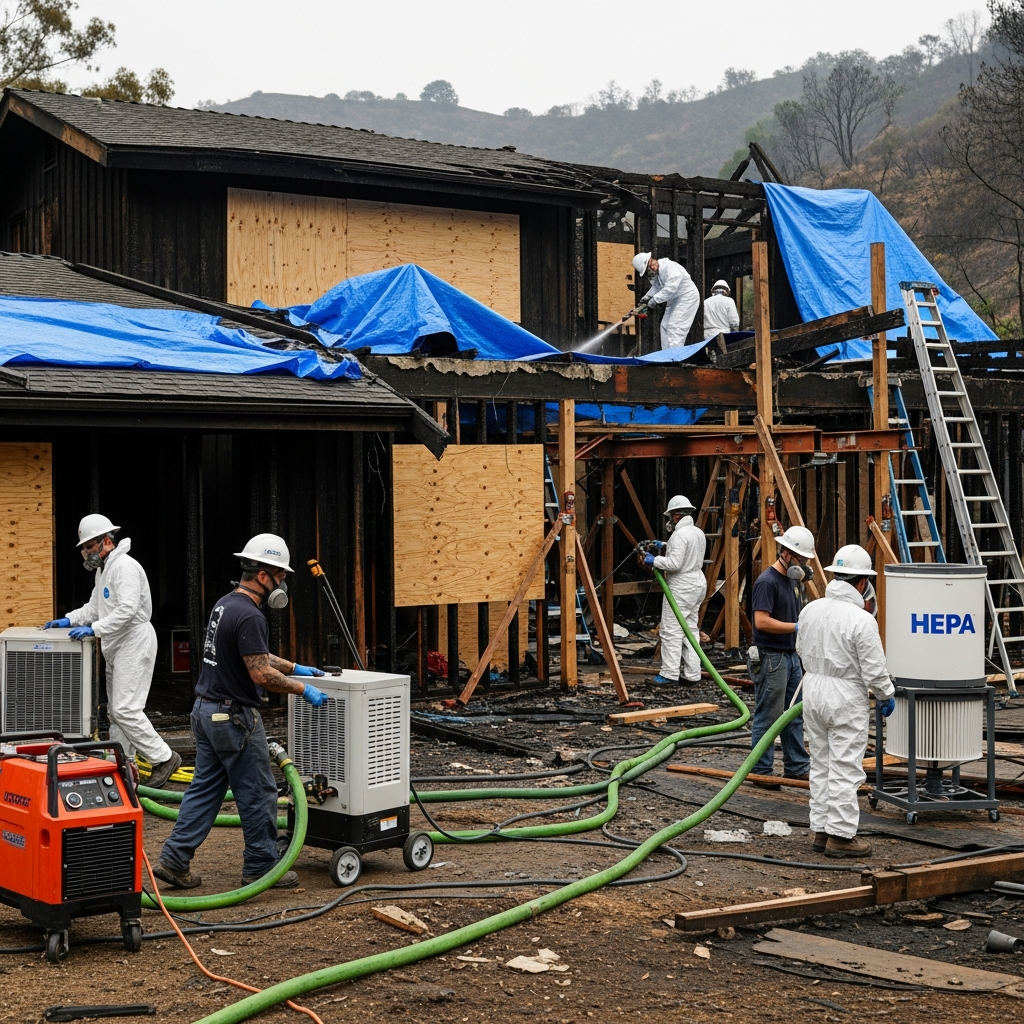
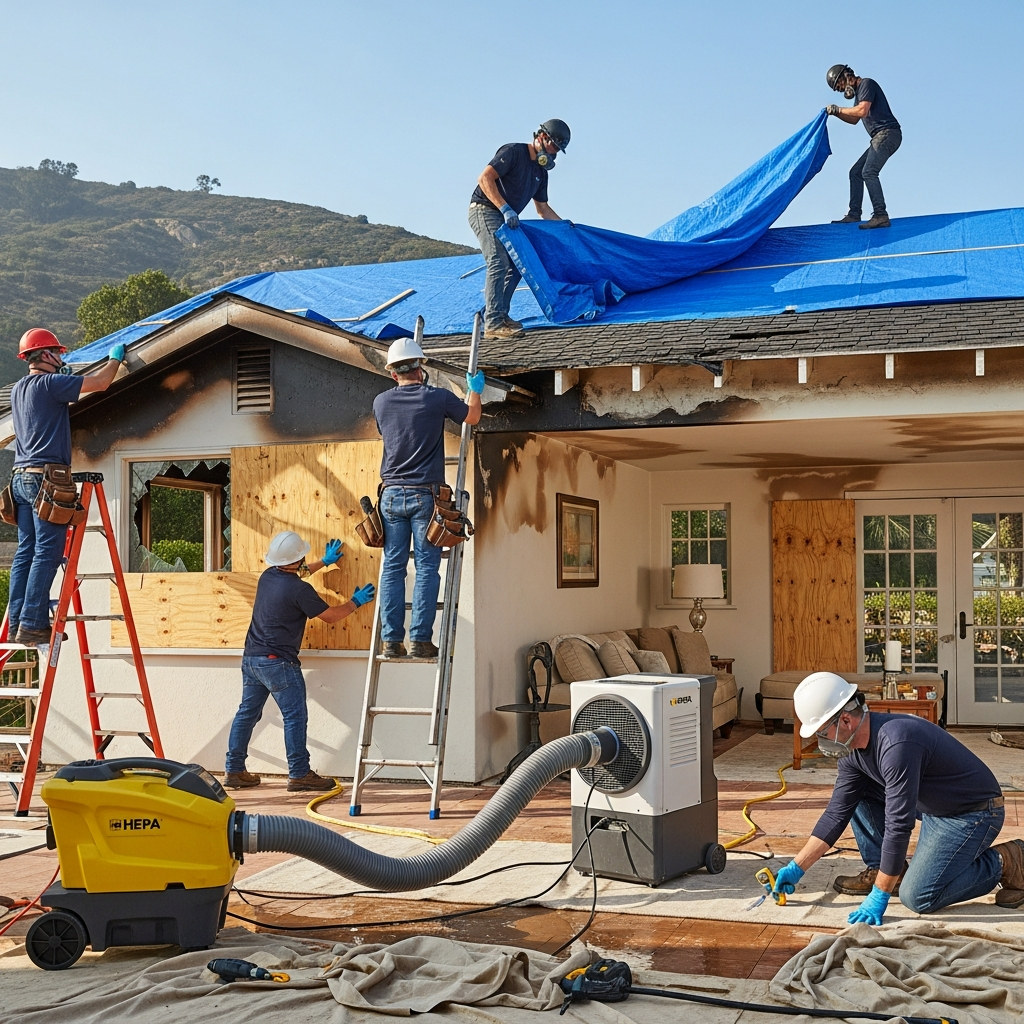
After safety and utilities, stabilization happens fast. Fire opens a building envelope—windows shatter, doors warp, and roofing vents deform—inviting wind, salt air, and opportunistic moisture into a vulnerable structure. Board-up and roof tarping preserve the interior from coastal humidity and overnight marine layers, while also deterring wildlife and preventing unauthorized entry. In Malibu, where evening fog can roll up Carbon Canyon and Kanan Dume carries damp, cool air inland, even a single night without protection can amplify smoke odors as soot particles absorb moisture and sink deeper into porous materials. A meticulous board-up is both a security measure and an odor-control strategy.
At the same time, documentation starts. Thorough photo and video records capture the condition of each space before cleanup changes it. This isn’t only for insurance; it’s for you. When the adrenaline of the first day passes, those images help clarify what was lost, what can be recovered, and how the structure changed. Locally, access and logistics matter too. Narrow canyon drives, closed lanes on PCH, and limited staging areas near the beach require experienced planning so that trucks, dumpsters, and temporary power can be positioned without disrupting neighbors or delaying progress.
Understanding smoke and soot in a coastal climate
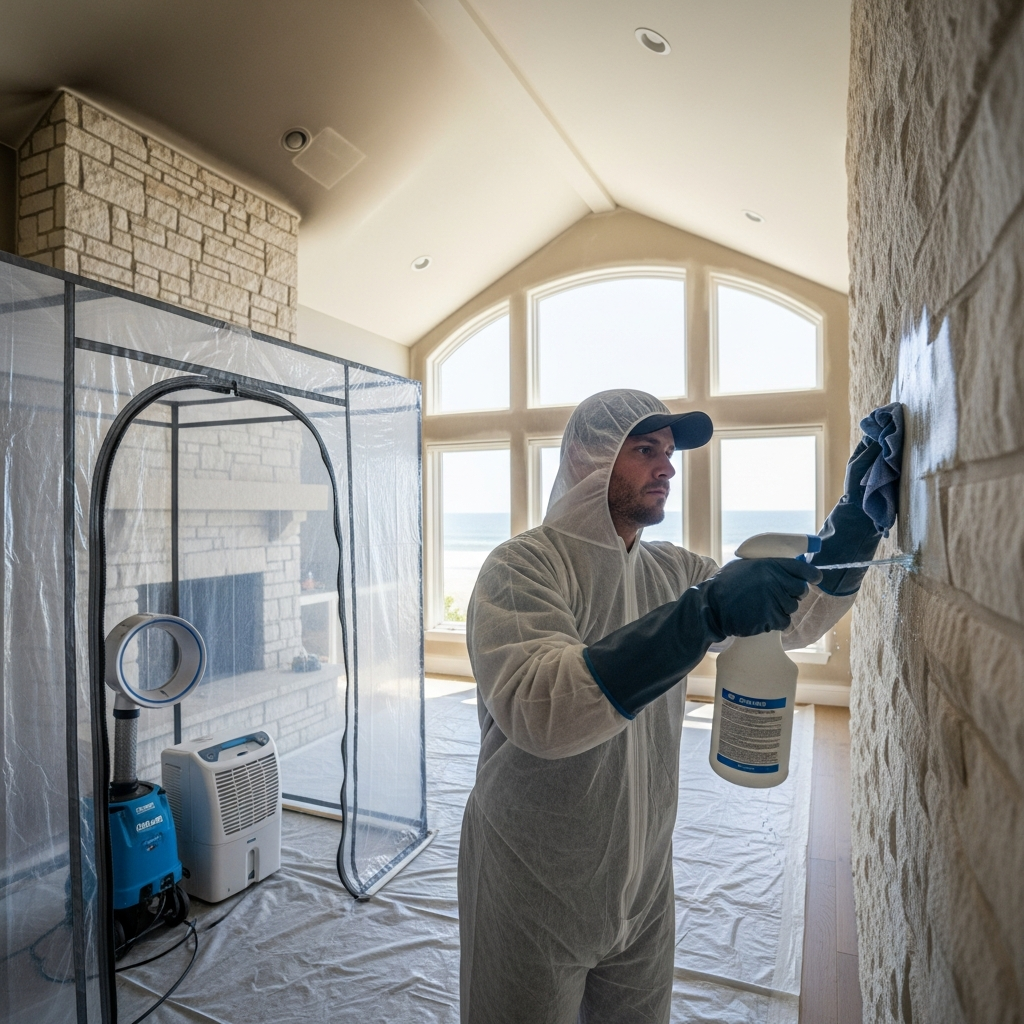
Smoke residue is complex chemistry. During a fire, materials produce dry soot, oily soot, and protein-based residues that behave differently on stone, plaster, glass, hardwood, and fabrics. In Malibu homes, these materials are often premium: hand-troweled Venetian plaster, bespoke cabinetry, imported stone counters, and custom window assemblies. The ocean’s salty air adds another wrinkle by encouraging corrosion on metal fixtures and electronics. Immediate HEPA air filtration and targeted deodorization help trap airborne particles before they settle deeper. Proper containment—plastic sheeting and negative air pressure—keeps cross-contamination from moving soot into rooms that were initially spared.
It is tempting to wipe soot away with ordinary household cleaners, but that can smear residues and etch delicate finishes. Trained technicians test surfaces first, match cleaning methods to the residue type, and start with the least aggressive approach to protect finishes. For example, a dry sponge technique may remove a surprising amount of soot from painted walls, while alkaline cleaners can neutralize oily residues on stone. Even within the same home, two rooms can require different tools, which is why experience in Malibu’s eclectic architectural styles is such an advantage.
Water, humidity, and secondary damage after firefighting
Firefighting saves structures, but the water it introduces must be managed quickly. Flooring swells, subfloors cup, and drywall wicks moisture upward. In our coastal environment, moisture doesn’t just evaporate; it lingers. Professional mitigation tackles standing water, then moves fast into targeted drying with dehumidifiers, air movers, and possibly heat-assisted drying when appropriate. Moisture mapping—scanning walls, ceilings, and built-ins—prevents hidden pockets that would later feed mold or resurrect smoke odors. The aim is not to blast air indiscriminately but to create a controlled drying environment that respects the building’s finish level and any historic or custom elements.
Odor control weaves through every step. True deodorization combines source removal, cleaning, and advanced treatments like thermal fogging or hydroxyl generation when warranted. But it’s not one-and-done. The best results come from layering interventions and verifying the air quality over time. When Malibu’s afternoon winds swing from offshore to onshore, fresh air changes how interiors “breathe,” which is another reason to revisit spaces and calibrate equipment as conditions shift.
Contents, textiles, and cherished belongings
In an emergency, the impulse is to rush toward visible damage, but much of the heartache lives in the things a home holds. A refined contents strategy separates salvageable items from what must be discarded, cataloging everything with photos and barcodes so the status of each item remains clear. Textiles, art, instruments, and electronics each demand specialized handling. Sensitive materials may need controlled ozone-free deodorization to prevent discoloration or damage. Malibu residents often curate collections or heirlooms; collaborating with conservators or specialty cleaners can make the difference between a sentimental loss and a successful restoration.
Midway through the process, as drying stabilizes and detailed cleaning ramps up, homeowners naturally begin thinking about reconstruction—repairs, finishes, and the day they can come home again. This is where a cohesive plan for fire damage restoration helps keep momentum. Scheduling trades, securing permits when structural changes are required, and aligning with design preferences all benefit from a single point of coordination. Malibu’s permitting pathways vary depending on hillside locations, overlays, and the extent of work; working with a team that knows those nuances reduces waiting and guesswork.
Navigating insurance with clarity and confidence
Insurance can feel like its own emergency within the emergency. Clear, timely communication with your adjuster—supported by detailed estimates, moisture readings, and photographic evidence—creates alignment and helps avoid misunderstandings later. While the restoration team focuses on technical scope, you should expect help understanding policy language related to additional living expenses, code upgrades, and debris removal. The goal is transparency, not surprises, so that recovery decisions match both your needs and the policy framework.
Local realities that shape Malibu recoveries
From Big Rock to Point Dume and up through Latigo, Corral, and Decker canyons, access and microclimates strongly influence emergency restoration. Afternoon winds can push odor and fine ash back into a home unless containment is held and air scrubbers run continuously. Salt-laden moisture amplifies corrosion risks for fixtures and appliances, calling for extra attention to stainless hardware, hinges, and window assemblies. Homes with expansive glazing or clerestory windows may require specialized cleaning equipment and safety planning. And properties with guesthouses, pool houses, or separate studios often need parallel workflows to prevent cross-contamination.
Selecting an emergency partner you can trust
Experience matters, but so does fit. You want a team that answers the phone after-hours, shows up quickly, and explains each step in plain terms. You should hear how they manage indoor air quality, how they protect unaffected spaces, and how they document progress for you and your insurer. Ask about contents handling, electronics evaluation, and odor verification before re-occupancy. An emergency partner is not just a vendor; it’s the calm, competent guide that helps you reclaim your space, your routine, and your sense of home.
Frequently Asked Questions about Emergency Fire Restoration in Malibu
What should I do first after a fire is out?
Ensure everyone is safe and wait for clearance from authorities before re-entering. Once it is safe, contact an emergency restoration team that can secure the property, shut off utilities if needed, and begin documentation. Avoid wiping surfaces or running HVAC systems—both can drive soot deeper into materials.
How fast should mitigation begin?
Ideally within hours. Early stabilization, board-up, and moisture control can significantly limit secondary damage, making cleaning and odor removal more effective later. In Malibu’s humid evenings, even a short delay can embed odors and warp finishes.
Can smoke damage spread to rooms that didn’t burn?
Yes. Smoke travels through gaps, ductwork, and pressure differences within the home. Without containment and negative air, fine particles can migrate into closets, drawers, and behind trim. That is why professionals prioritize isolation before cleaning begins.
Will everything smell like smoke forever?
No. Persistent odor is usually a sign that some residues remain trapped in materials. With proper source removal, surface cleaning, and advanced deodorizing methods, most homes can be restored to a neutral, comfortable indoor air quality. Verification should include both instrument readings and a walk-through assessment.
What about my electronics and appliances?
Electronics exposed to soot and moisture can corrode internally even if they appear fine. An evaluation by qualified technicians can determine which items can be safely restored and which require replacement. It is important not to power on electronics until they have been assessed.
How does the coastal environment affect restoration?
Salt air increases corrosion risks and humidity slows unsupervised drying. Restoration plans for Malibu homes add extra protection for metal finishes, tighter humidity control, and careful monitoring of window and door assemblies exposed to marine conditions.
When can I move back in?
Re-occupancy depends on structural safety, air quality, and completion of essential cleaning. A competent team will confirm indoor air quality, remove containment safely, and walk you through remaining repairs so you return to a space that feels—and smells—like home.
When every minute matters in Malibu
If your home has been impacted by fire, you do not have to navigate the aftermath alone. Local expertise, clear communication, and precise action can turn chaos into a step-by-step recovery. For guidance from the first board-up through final odor verification and rebuilding, reach out to a team dedicated to Malibu’s unique needs and start with trusted fire damage restoration that puts safety, clarity, and craftsmanship first.