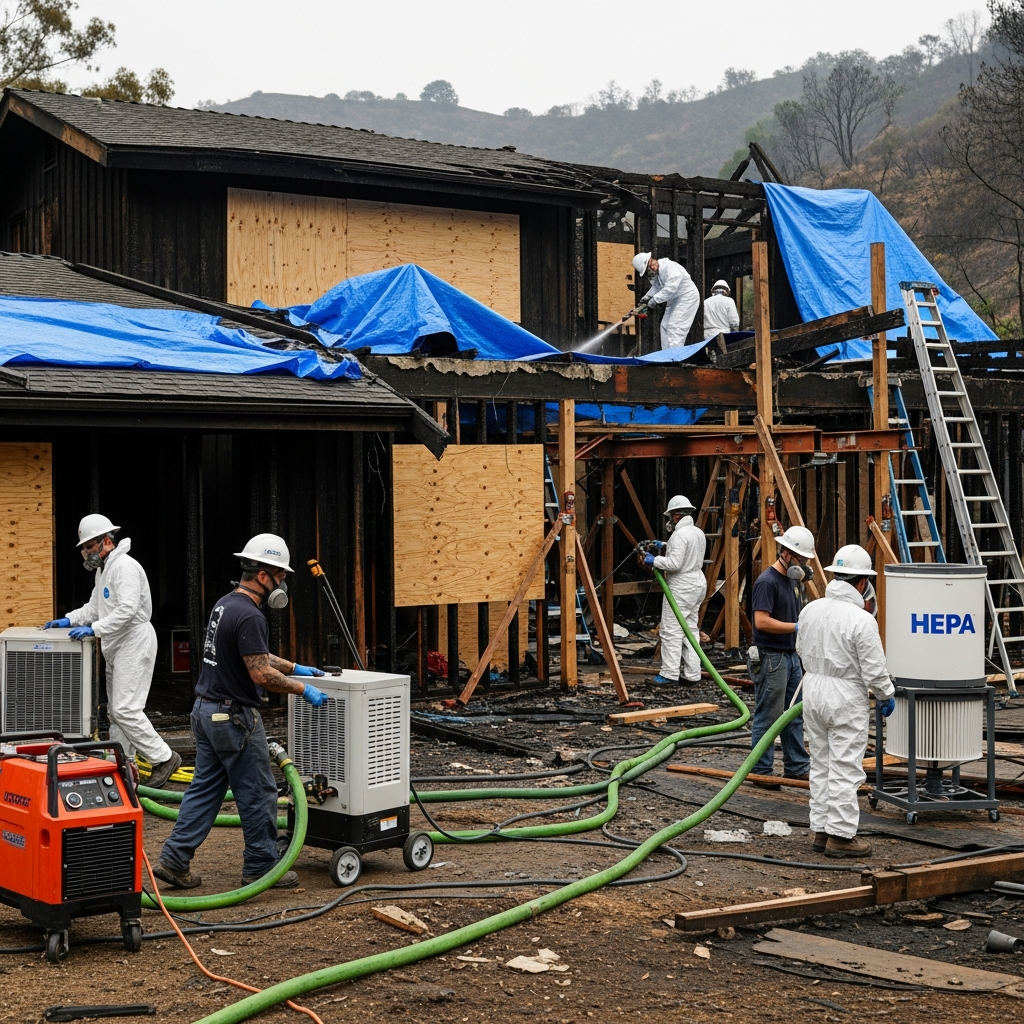
Wildfire leaves a particular fingerprint on Malibu. Ash settles on rooftops from Broad Beach to Corral Canyon, smoke drifts into homes that never saw a flame, and ember storms test vents, eaves, and window assemblies. The recovery is as much about the spaces that look untouched as it is about the ones visibly charred. Fire and smoke damage restoration after a wildfire requires disciplined planning, neighborhood coordination, and sensitivity to Malibu’s varied terrain and weather. If you are beginning that journey now, working with a team experienced in fire damage restoration in Malibu can help you make decisions that matter in the first days and weeks.
Wildfire behavior is shaped by wind, fuel, and topography. In the canyons, smoke concentrates and flows like water, seeking the easiest paths into homes—attic vents, door thresholds, and even tiny gaps at recessed lights. Along the coast, cool air can pull smoke inside at night and trap it in textiles and insulation. Meanwhile, ash and fine particulates blanket outdoor surfaces, collect in gutters, and wash into drains with the first rain. Restoration is about interrupting those pathways and removing contaminants completely, not just moving them around.
Community-Wide Triage and Access
After a wildfire, access routes may be restricted and utilities unstable. We coordinate with local authorities and neighbors to stage equipment and personnel efficiently, reducing congestion on narrow roads and ensuring work zones remain safe. This community-minded approach is essential when many homes require help simultaneously. It keeps projects moving and fosters helpful communication among neighbors dealing with similar challenges.
Exterior Cleaning That Respects Surfaces
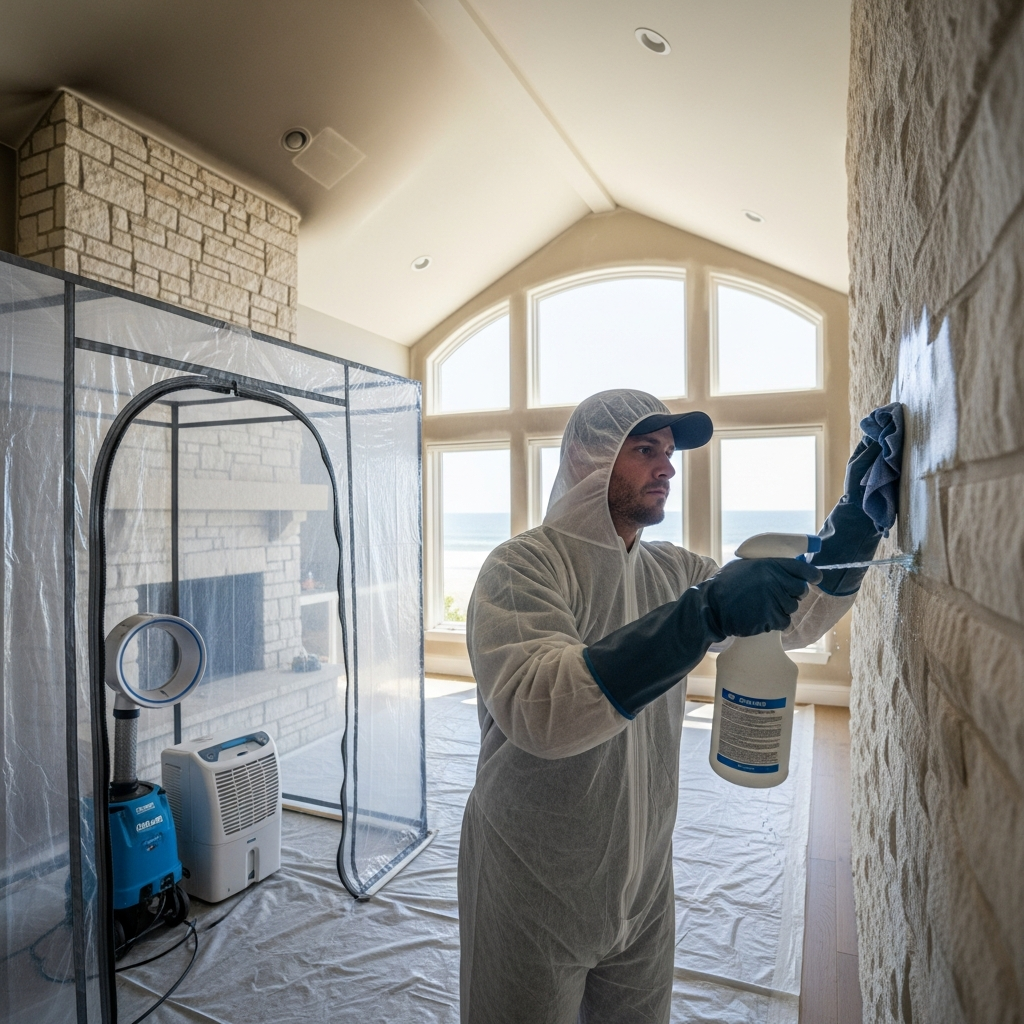
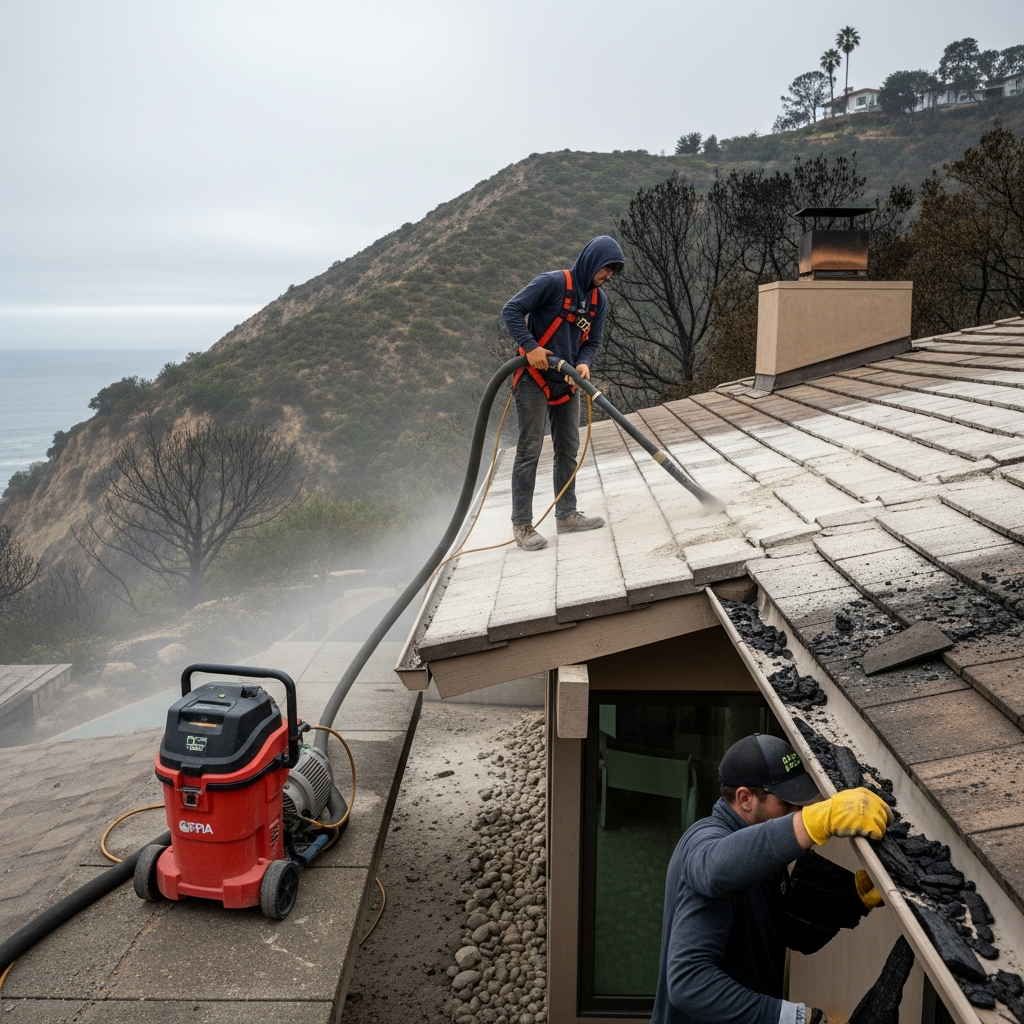
Ash on siding, windows, decks, and hardscapes calls for thoughtful cleaning. High-pressure washing can drive contaminants deeper into porous materials or force water behind cladding where it does not belong. We begin with dry methods—gentle HEPA vacuuming and brushing—then use low-pressure rinsing and appropriate cleaners that lift residues without damaging finishes. Roofing receives special care: valleys, gutters, and downspouts must be cleared to prevent corrosive buildup and stormwater overflow that can infiltrate the eaves.
Interior Assessment: Where Smoke Settled
Inside, we map smoke deposition and identify hidden reservoirs. Attics often require removal of contaminated insulation, followed by cleaning and treatment of the structural members. In living spaces, we address ceilings, walls, and cabinetry with methods tailored to residue type and finish. Soft goods—rugs, upholstery, and bedding—are triaged for specialized cleaning. The aim is to create a sequence that prevents cross-contamination: clean from the top down, from cleanest areas toward the most impacted, and manage airflow so particulates move toward capture, not into other rooms.
HVAC Systems and Air Quality
During and after a wildfire, HVAC systems can circulate smoke particles throughout a home. We inspect returns, supply runs, coils, and air handlers, cleaning or replacing components as necessary. Filter upgrades accompany the work, and we time system cycling to avoid re-depositing soot into freshly cleaned rooms. This attention to the home’s “lungs” is critical to long-term indoor air quality.
Odor Removal With Staying Power
Wildfire smoke odor can be persistent, especially when it binds to fibers and porous materials. After thorough cleaning and source removal, we select deodorization methods suited to the space and occupancy needs—techniques designed to neutralize odor molecules rather than mask them. Verifying success involves both instruments and common sense: if the home smells fresh in the stillness of morning and the warmth of afternoon, the process has addressed both source and secondary reservoirs.
Water and Weather: Timing the Work
Malibu’s weather patterns influence restoration choices. Marine layers can transform dry ash into a sticky film, making morning cleanup trickier if exterior areas are not protected overnight. Conversely, dry wind events can reintroduce particulates. We schedule work around these rhythms, protecting cleaned areas and securing openings so progress sticks. When firefighting or sprinkler systems have introduced water, controlled structural drying runs alongside smoke cleanup to prevent hidden deterioration.
Protecting Belongings and Special Items
Wildfire affects more than structures. We inventory and pack out items requiring specialized attention—art, instruments, heirlooms, and electronics—stabilizing them quickly to improve restoration outcomes. Malibu homes often house unique collections; respectful handling and clear records ensure belongings return in order and in the best condition possible.
Coordination With Insurers and Inspectors
Documentation is the backbone of a smooth recovery. We provide photo evidence, scope narratives, and readings that support a clear claim. When permits are required for repairs, we coordinate with local officials to integrate inspections into the workflow. This avoids starting and stopping, reduces surprises, and keeps attention focused where it belongs: on a safe, healthy home.
Resilience Upgrades During Recovery
Many homeowners use restoration as an opportunity to add protective features. Ember-resistant vents, improved weatherstripping, Class A roofing, and protected soffit assemblies can make a meaningful difference in the next wind-driven event. We weave these choices into the schedule so they supplement, rather than delay, the return to normal.
Neighborhood Sensitivity and Logistics
During a community-wide recovery, consideration for neighbors is essential. Parking plans, quiet hours, and clear communication minimize disruption. On narrow or gated streets, coordinated deliveries and debris removal prevent gridlock. A respectful presence builds goodwill and allows everyone to progress more smoothly through a difficult time.
Project Completion and Confidence
By the end of a well-run restoration, surfaces are truly clean, systems run free of soot, and the home smells naturally neutral. Moisture readings confirm dry, stable assemblies. You receive a record of the steps taken and the materials used. Most importantly, you regain comfort and control in a home that meets the challenges of Malibu’s environment.
Frequently Asked Questions
My home never caught fire, but it smells smoky. Do I still need professional help? Yes, wildfire smoke can infiltrate through vents, windows, and tiny openings. Professional assessment identifies where residues settled—often in attics, ducts, and textiles—and designs a plan to remove them fully.
How soon should cleanup begin after a wildfire? As soon as access is permitted and conditions are safe. Early action prevents ash and soot from embedding deeper and stops corrosion on metals and glass, which accelerates in coastal air.
Can I just air out the house? Ventilation helps, but it does not remove residues already lodged in materials. Cleaning, filtration, and targeted deodorization are needed for lasting results.
What about my HVAC system? It should be inspected and cleaned. Filters must be replaced, and components addressed so the system does not redistribute particulates into cleaned areas.
Will rain wash away the ash problem? Rain can cause ash to concentrate in gutters and drains and can drive contaminants into building joints. Proactive exterior cleaning and protection are safer and more effective.
How long does wildfire restoration take? Timelines depend on exposure level, home size, and access. A thoughtful plan that sequences exterior and interior work, combined with steady communication, keeps the process efficient and predictable.
Begin Your Wildfire Recovery
If your property has been touched by smoke or fire, take the next step toward clarity and comfort. Get in touch for comprehensive fire damage restoration in Malibu, and we will design a clean, orderly path that restores your home and peace of mind.