Continuity, Confidence, and Clean Air for Malibu Businesses
When smoke disrupts a Malibu business—whether a boutique along the highway, a beachfront restaurant, a fitness studio, or a creative office tucked into the canyons—the stakes extend beyond the visible residue on walls. It’s about reassuring staff, protecting inventory, safeguarding brand reputation, and restoring the environment customers remember. The path to that outcome blends precision with discretion. Commercial smoke damage restoration in Malibu succeeds when it respects operational needs, navigates local logistics, and matches methods to the materials and uses of each space.
From Point Dume to Trancas, commercial properties face the same coastal climate rhythms as homes: marine layers in the morning, sun-warmed afternoons, and evening cool that can draw scent from porous materials. But businesses add unique challenges—customer foot traffic, merchandising displays, kitchen operations, storage rooms, and HVAC zones that cycle differently during open hours. A thoughtful restoration plan begins with listening: when are your peak times, what areas matter most to customers, which rooms must remain operational, and where can staging occur without disrupting the flow of work?
Stabilize Fast, Restore Methodically
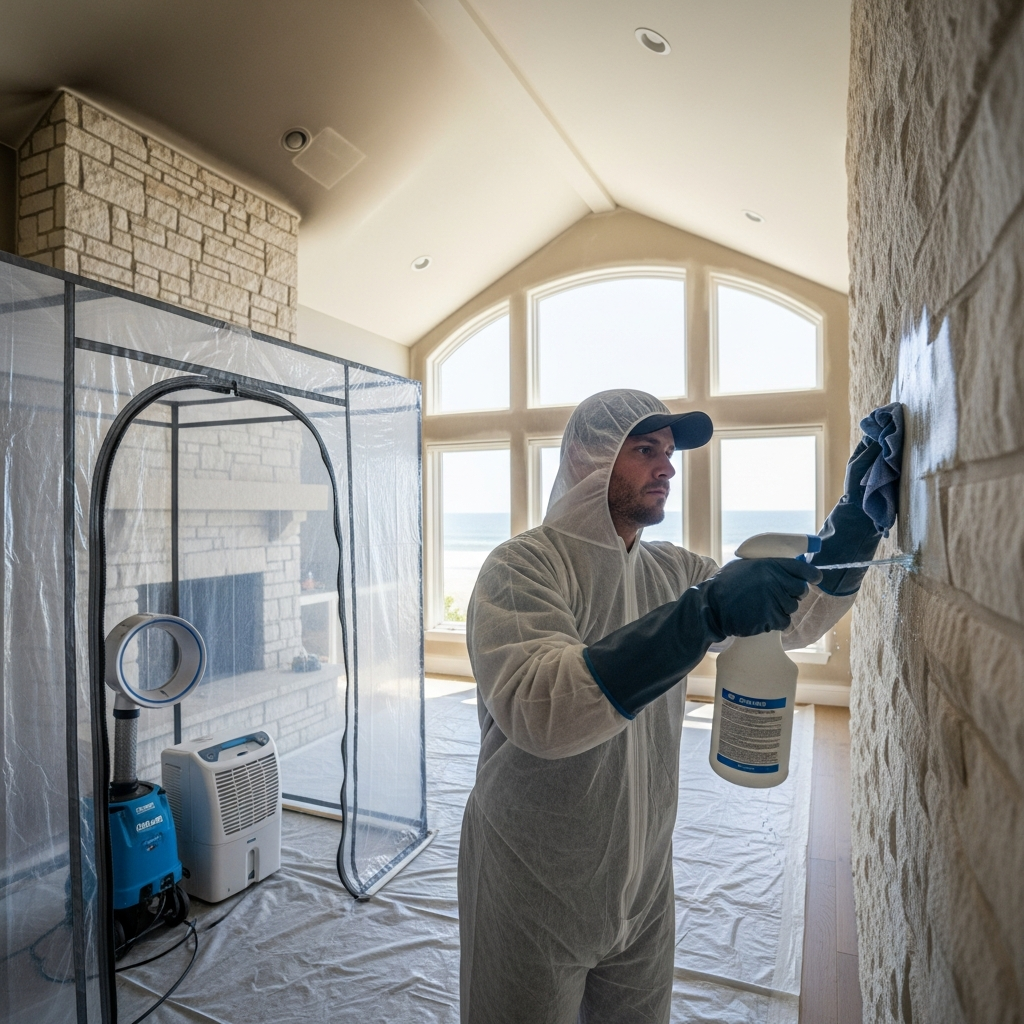
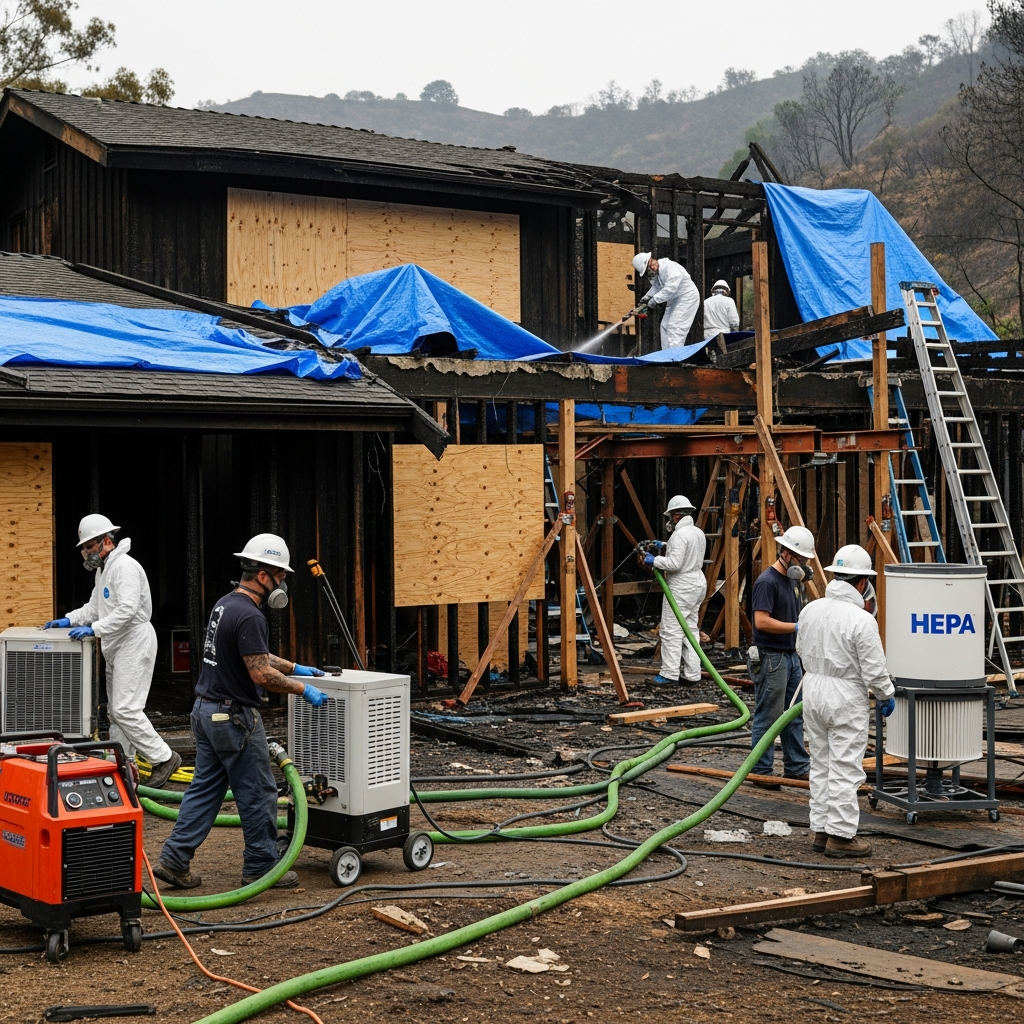
Speed matters in a commercial setting, but speed without strategy risks recontamination and wasted effort. The first steps—containment, protection of high-touch surfaces, and HEPA filtration—create a safe corridor for the rest of the work. In a restaurant, that might mean isolating the front-of-house while addressing kitchen residues specific to cooking incidents. In a retail setting, it could involve shielding displays and setting up a clean staging area for inventory processing. In offices and studios, equipment and documents require careful handling, with attention to how electronics interact with fine soot and coastal moisture.
Clear communication with staff is part of stabilization. Employees should know where to walk, what’s off-limits, and how air handling will be managed during the process. When everyone understands the plan, the environment feels controlled rather than chaotic, and confidence returns quickly—something customers sense immediately.
Residue-Specific Strategies that Respect Materials and Brands
Residues vary depending on what burned. Cooking-related protein residues cling and release odor when reheated; synthetic residues smear if treated too aggressively; fine ash from vegetation can settle invisibly on merchandise and display lighting. Trusted commercial teams match cleaning methods to materials—glass and metals, polished concrete, natural stone, wood fixtures, textiles, and leather seating. Test cleaning protects finishes, and sequencing ensures that areas restored stay that way even as work continues nearby.
Odor control is particularly sensitive in businesses. No one wants to walk into a shop or restaurant that smells of perfume or chemicals. Instead, source-level deodorization and discreet technologies are favored—hydroxyl in occupied zones, sorbent approaches for textiles and display materials, and controlled use of ozone after-hours in unoccupied spaces when appropriate. The aim is a neutral, welcoming environment that feels like your brand, not like a cleaning product.
HVAC, Air Quality, and Customer Confidence
Customers feel air quality before they see spotless shelves. Coordinating with HVAC professionals to protect returns, upgrade filters, and, when needed, clean ductwork helps ensure the system supports restoration. In multi-tenant buildings, cooperation among suites prevents cross-contamination. For spaces with dedicated exhaust—kitchens, salons, fitness areas—balancing ventilation is key so that restored areas aren’t re-exposed as operations resume.
Measurement and verification lend credibility. After cleaning and deodorization, sensory checks under varying conditions and periodic air quality readings can confirm that freshness holds through a foggy morning and a busy afternoon. Sharing that diligence with staff builds pride and consistency in customer experience.
Logistics, Access, and Respect for Neighbors
Malibu businesses often operate in tight quarters with limited parking and shared access. A reliable team coordinates deliveries of equipment, keeps pathways clear, and works with property managers to avoid disrupting neighboring tenants. After-hours or early morning schedules reduce impact on operations and customer flow. When a storefront must open at 10 a.m., a plan that completes night work and leaves the space polished by morning becomes the template for success.
Security matters, too. During ventilation or when doors are propped for staging, attention to entry points and staff oversight protects inventory and equipment. Professional crews manage these details routinely so that owners can focus on staff and customers rather than logistics.
Contents Care: Inventory and Image
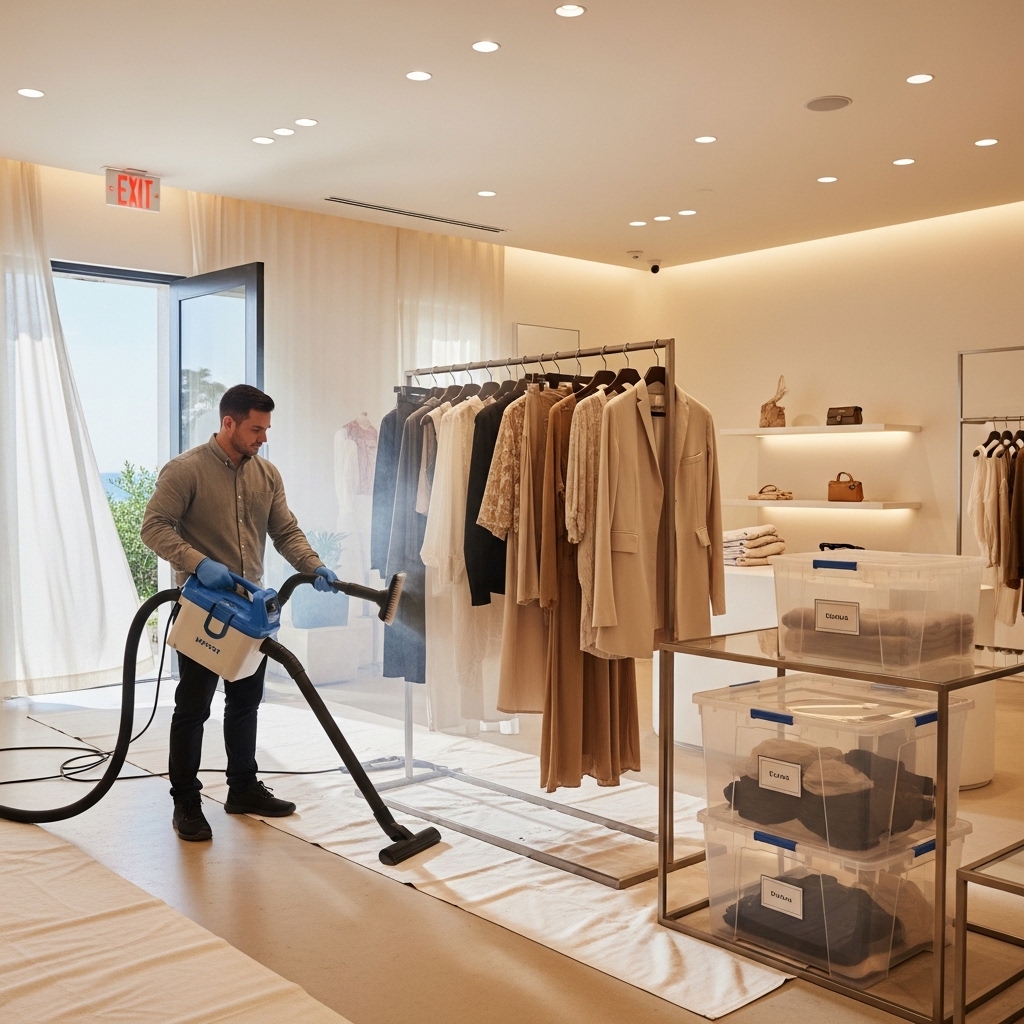
Products and décor define brand identity, and both can carry residues. Whether it’s garments in a boutique, books in a shop, or display pieces in a gallery, contents may need gentle HEPA vacuuming, dry cleaning methods, or controlled deodorization. Accurate labeling, photo documentation, and protective packing make it possible to process items efficiently and return them to display in pristine condition. For back-of-house storage, the same care prevents reintroducing odor when new stock rotates to the floor.
Some spaces feature artwork, musical instruments, or specialty gear. Coordinating with specialists ensures that items are treated according to best practices while maintaining momentum. It’s a collaboration built on shared respect for materials and deadlines.
Case Notes from Malibu’s Commercial Landscape
In a coastal restaurant, a minor kitchen incident led to subtle odors in the dining room that intensified during dinner service. The solution came from sequencing: isolating kitchen work, conducting targeted cleaning of ducts and returns, and treating textiles and seating after-hours with low-impact deodorization. The next evening, guests noticed nothing but the menu.
In a canyon boutique, fine ash settled invisibly on upper shelves and lighting. Staging a clean room for inventory processing, running quiet HEPA filtration overnight, and addressing display materials gently restored the shop without closing its doors. Staff were briefed each morning, and customers never sensed the previous day’s disruption.
Maintaining Momentum Without Compromising Quality
Commercial restoration balances urgency with excellence. Owners need to move quickly, yet cutting corners can sow problems that reappear during peak hours or seasonal changes. The best teams maintain steady progress while protecting what’s already clean, always mindful of airflow and customer perception. They offer clear milestones and flexible scheduling, giving owners confidence that operations will not only resume but do so with a renewed sense of place.
For decision-makers evaluating partners, exploring reputable approaches to smoke damage restoration provides a helpful lens. Look for talk of containment, residue-specific cleaning, careful odor neutralization, coordination with HVAC, and verification under real-world operating conditions. These are the hallmarks of work that lasts.
Frequently Asked Questions
Can we remain open during restoration?
Often, yes. With nighttime work, phased scheduling, and clear containment, many businesses continue operating. Sensitive tasks are timed to minimize impact on customers and staff, and communication keeps everyone aligned.
How do you protect merchandise and décor?
We establish a clean staging area, use protective coverings, label and photograph items, and apply gentle, residue-appropriate methods. The goal is to preserve brand image and return items to display in better-than-before condition.
Will customers notice lingering odors?
They shouldn’t. Source-level deodorization and verification under varied conditions ensure that air remains neutral and pleasant through operating hours, across Malibu’s daily climate changes.
What about multi-tenant buildings?
Coordination is key. We work with property managers and neighbors to manage airflow, protect shared areas, and schedule tasks that could otherwise cause cross-contamination.
How is HVAC handled?
Returns are protected during cleaning, filters upgraded, and ductwork inspected and cleaned as needed. The system is tuned to support, not hinder, restoration—crucial for customer comfort and confidence.
Do you offer after-hours work?
Yes. Nighttime and early morning shifts minimize business disruption and allow spaces to be customer-ready by opening time.
What confirms we’re truly done?
Verification includes sensory checks through different conditions, documentation of cleaned zones, and, when appropriate, air quality readings. The result should hold through busy service, not just the quiet of early morning.
How do you handle sensitive items like art or instruments?
We coordinate with specialists and integrate their care into the schedule so momentum continues without compromising standards.
Bring Your Space Back to Its Best
When reputation, staff well-being, and customer experience are on the line, choose a partner who restores more than surfaces. With careful planning, discreet scheduling, and source-level cleaning, your business can return to form smoothly and confidently. Connect with local experts in smoke damage restoration to map a plan that fits your operations and protects what makes your brand stand out.