A Malibu Perspective on the Financial Side of Recovery
Standing on a bluff above the Pacific, it’s easy to understand why living in Malibu feels like a privilege. Yet when smoke intrudes—whether from a small kitchen flare-up, a nearby brush burn, or drifting wildfire plumes—the aftermath can feel overwhelming. People here love their homes, their art, their surfboards and guitars, the custom cabinetry and the views they curated room by room. In the days that follow a smoky incident, questions surface quickly about what it takes to bring a property back to pre-loss condition, what shapes the scope of work, and how decisions today will influence long-term well-being. As a local who has walked through countless homes from Point Dume to Malibu Canyon, I can tell you that the path forward is best understood by exploring the variables at play, how those variables guide strategy, and where homeowners can gain clarity without guesswork. Many residents begin by reaching out to specialists in smoke damage restoration, not for a one-size-fits-all answer, but for a detailed plan tailored to Malibu’s unique coastal and canyon environment.
The first thing to understand is that smoke is deceptive. It seems like a film you can wipe away, but chemically it’s a complex mix. Soot particles vary in size and composition based on what burned—vegetation, plastics, synthetics, proteins—and how long the exposure lasted. In a Malibu setting, where ocean moisture mixes with inland winds, those particles find surprising places to settle. Cabinets you rarely open, HVAC plenums and runs, behind decorative wall panels, and within fine fabrics can all harbor residues. In the moment, the visible streaks on walls might look like the most urgent problem, but long-term odor and gradual material degradation often begin in those hidden nooks. That is why a thoughtful assessment always looks beyond what’s immediately apparent.
What Shapes the Scope of Work in Malibu Homes
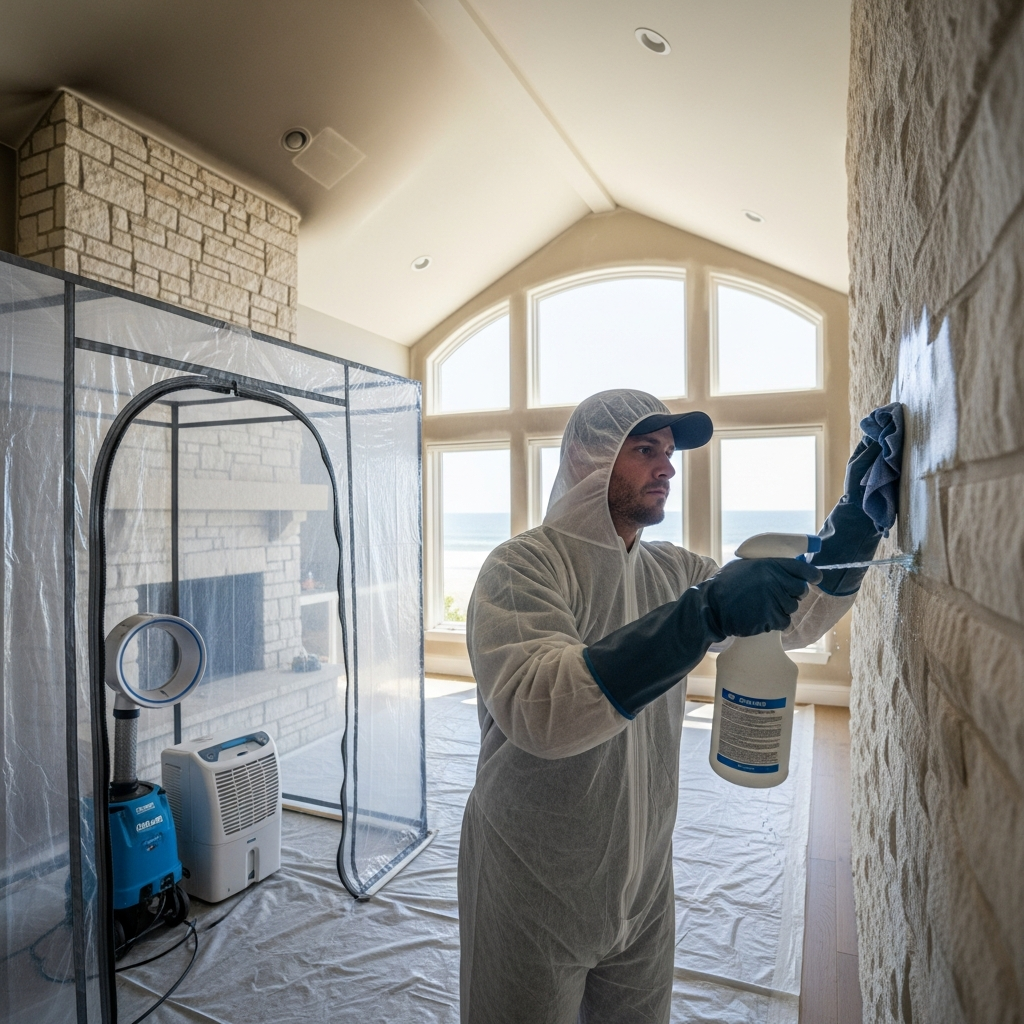
Think of restoration as an orchestra. Each instrument—assessment, containment, cleaning, deodorization, and verification—needs to tune to the environment and the materials in front of you. Malibu’s architecture ranges from mid-century bungalows to modern steel-and-glass builds perched above the surf. The mix of hardwoods, natural stone, custom plaster, leather furniture, and advanced home technology alters how smoke residues behave. Porous limestone will hold onto aromatic compounds differently than sealed quartzite. Open beam ceilings invite deposits high above eye level, while architectural niches and skylight wells can accumulate soot that later migrates downward with humidity changes.
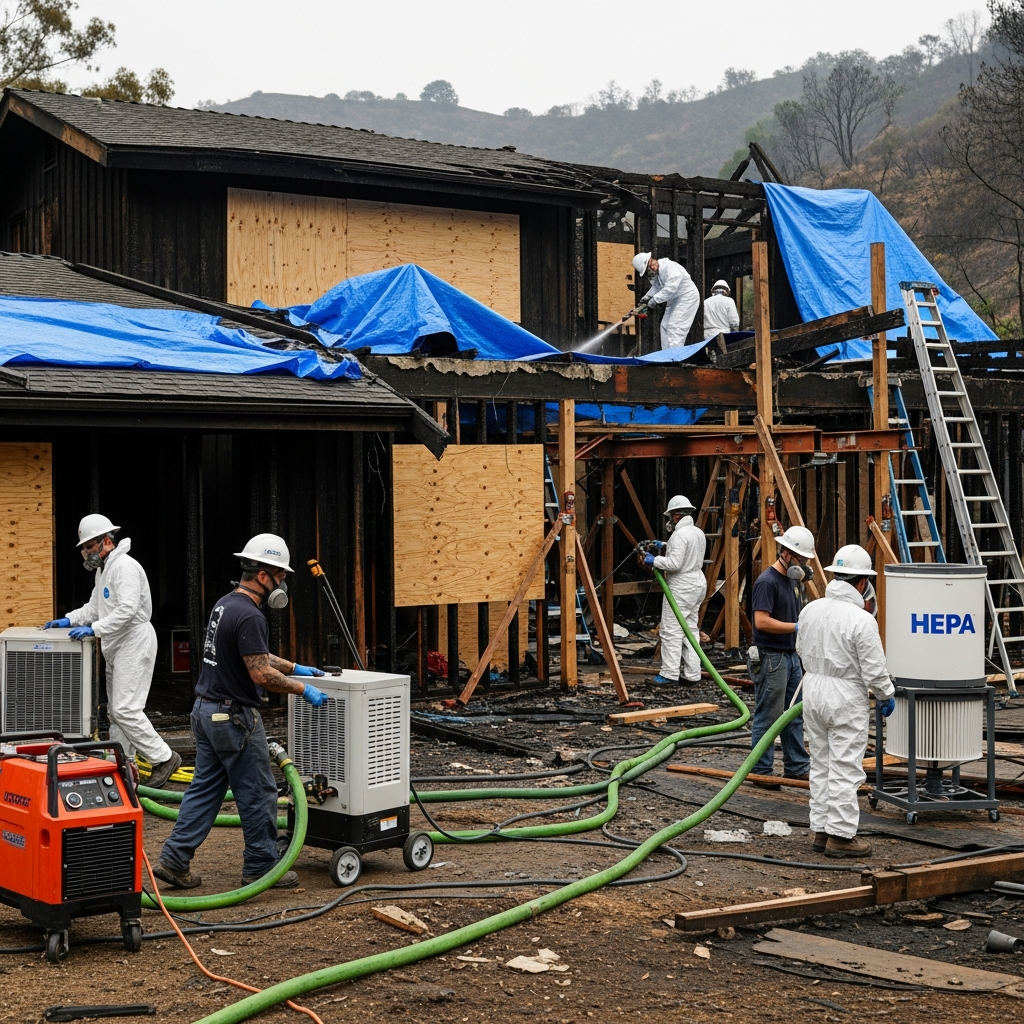
Another factor is how the incident unfolded. Was there active flame suppression with water? Did wind carry smoke through open sliders along the coast? Did the home sit closed up for days, giving residues time to settle, or was there immediate ventilation? Each of these details affects sequencing. For example, aggressive ventilation is helpful early on, but once residues are disturbed, you want proper filtration in place to avoid spreading contamination into clean rooms and the HVAC system. The careful use of negative air and HEPA filtration helps ensure you’re moving contaminants out—not around.
The Hidden Role of Moisture, Salt Air, and Material Sensitivity
Along our coastline, salt air subtly influences how materials age. After a smoky event, that same environment can amplify corrosion on metals, electronics, and delicate finishes if residues aren’t carefully neutralized. It’s not uncommon to see fine pitting beginning on stainless appliances or window hardware where salty moisture and acidic soot interact. That is why protective steps early—covering, isolating, and targeted pre-cleaning—matter so much, particularly when the marine layer lingers. Electronics, from entertainment systems to smart home hubs, require gentle handling and inspection because microscopic conductive residues can create issues months later. The goal is to preserve, not just to clean, and preservation depends on careful attention to the chemistry at hand.
Then there are textiles and soft goods. Malibu homes often feature open, airy spaces that connect indoors and outdoors. Fabrics, from cashmere throws to performance upholstery and handwoven rugs, absorb odors readily. Removing those odor molecules means more than surface cleaning; it includes controlled washing or dry methods, specialized deodorization, and sometimes a temporary pack-out to a controlled environment where items are processed with calibrated equipment. When this is done thoughtfully, beloved items return home refreshed rather than replaced.
Planning, Documentation, and the Power of a Clear Roadmap
Local homeowners rarely want surprises. They want to know what’s being addressed, who is doing it, and how they can monitor progress. A clear plan begins with a detailed inspection that documents findings by area and material. Photos, notes about residue type, test cleans to compare methods, and readings from particulate meters or thermal cameras all support a route forward. Timelines naturally vary with the size and complexity of a property, but the sequence is consistent: stabilize, prevent cross-contamination, methodically remove residues, neutralize odors, and confirm results. Communication throughout this process is the difference between uncertainty and confidence.
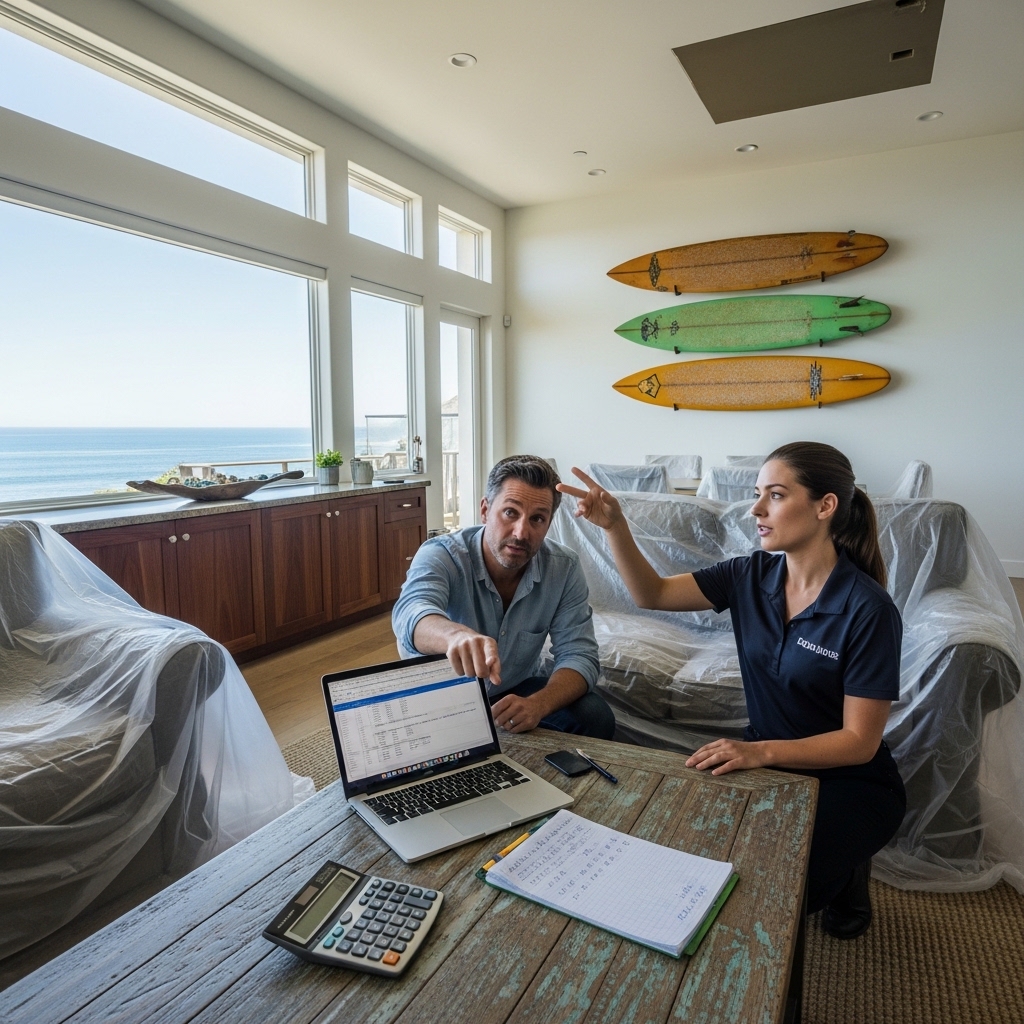
Documentation is especially valuable when insurance is part of the picture. While every policy is different, the right kind of notes—what was affected, how items were protected, what techniques were used—simplify conversations with adjusters. Malibu claims can involve unique elements such as art collections, wine storage, home studios, or specialty finishes. When your team understands those nuances, you avoid back-and-forth delays and keep the project moving in a sane, predictable way.
Why Thorough Cleaning Beats Quick Fixes
It’s tempting to wipe surfaces and move on, especially if the visible soot seems minor. But here’s the challenge: residues you can’t see still carry odor and can slowly etch or discolor materials. Kitchens are especially vulnerable because protein residues from a cooking incident cling stubbornly and release unpleasant smells when reactivated by heat or humidity. Bathrooms, with constant moisture, can re-release odors if surfaces weren’t fully treated. And closets, with low air movement, can trap scent in fibers. A Malibu property that sees both sunny, dry afternoons and cool, moist nights is prone to these rebounds. Thorough cleaning supported by proper deodorization technologies—thermal fogging in select cases, hydroxyl or ozone under controlled conditions, and sorbent-based methods—addresses the issue at its source rather than masking it.
There’s also the matter of HVAC. Ductwork can shelter particles, distributing them later when the system cycles. A careful strategy includes protecting returns during cleaning, using high-efficiency filters, and, when indicated, cleaning ducts and components to prevent recontamination. This aspect often makes the difference between a home that feels fresh long-term and one that seems to rekindle smoky notes unexpectedly.
Local Conditions, Wildfire Season, and Long-Term Well-Being
Malibu residents are no strangers to seasonal wind patterns and the way smoke can carry from a distance. Even if flames never approach your property line, fine particulate can settle on decks, find its way through windows, and collect in your home’s still corners. In hillside neighborhoods with challenging access, parking and logistics can shape how teams stage equipment and protect sensitive zones. Steep driveways and limited turnarounds require planning so equipment arrives in a sequence that avoids delays. These details matter because momentum is everything in restoration. The sooner the space is stabilized, the more straightforward the rest of the work becomes.
Another local reality is the range of finishes in Malibu homes. A modern residence with expansive glass and polished concrete will be approached differently than a classic beach cottage with tongue-and-groove ceilings and original oak floors. The aim is always to preserve the character of the home while eliminating residues. That means test-cleaning in discreet areas, understanding which detergents or solvents are safe for a given finish, and choosing odor control strategies that won’t leave their own signature behind.
How Professionals Build Value into Every Step
When homeowners ask what truly influences the scope of a project, I talk about the combination of expertise and equipment. The right team brings HEPA-filtered air movers and scrubbers to protect clean areas, cleaning solutions matched to residue type, and trained eyes that know where soot likes to hide. They plan for the chain of custody on contents, pay attention to security when doors need to be open for ventilation, and respect neighbors by managing noise and parking. These are the subtle elements that turn a chaotic event into a measured, respectful process.
Consider the value of post-clean verification. Using sensory checks, particulate monitoring, and sometimes third-party assessments, teams confirm that the environment is truly restored. That matters not only for comfort but also for peace of mind when entertaining guests, returning items to display, or resuming normal HVAC schedules. In Malibu, where homes often serve as sanctuaries, that peace of mind is part of the outcome you’re seeking, right alongside a beautiful, clean space.
Middle-Mile Decisions That Make or Break an Outcome
Between the first assessment and the final walk-through, there are dozens of decisions to make. Do you keep certain windows closed to maintain negative air pressure? Which rooms become clean staging zones to protect contents? When is it best to pack out delicate items for off-site treatment versus handling them in place? A practiced team will talk you through these choices, explain the why behind each recommendation, and keep an eye on the big picture: preventing recontamination and preserving the integrity of finishes and furnishings. If you’re researching methods or evaluating options, it helps to read up on proven approaches to smoke damage restoration, particularly those tailored to coastal homes with mixed materials and open plans.
Just as important is the human side. Homes are deeply personal, and the process can stir up anxiety. Crews that show up on time, protect flooring before stepping in, label boxes clearly, and communicate daily do more than clean—they restore a sense of normalcy. It’s not simply about getting rid of odor; it’s about feeling good in your space again.
Case Reflections from the Coast
Over the years, I’ve seen homes where the visible soot was light, yet hidden residues caused lingering issues until we traced them to attic recesses and behind wall-mounted art. I’ve seen kitchen incidents with minimal flame that nonetheless saturated upper cabinets with protein residues, requiring careful removal of door hardware and hinges so that no micro-reservoirs were left behind. And I’ve seen hillside residences where wind drove ash beneath door thresholds, seeding fine particles under rugs that released scent with every footstep until those layers were addressed. In each case, patience and methodical work won out over quick fixes. The takeaway is that diligence early on pays off later, giving you a home that remains fresh through seasonal changes.
Malibu also has many properties with extensive outdoor living spaces—covered patios, outdoor kitchens, and poolside lounges. Smoke doesn’t respect boundaries; cushions, umbrellas, and teak furnishings can absorb odor even outdoors. Including those areas in the plan ensures that a fresh interior isn’t undermined when you open a slider or bring outdoor pillows inside. Attention to the whole lifestyle of the home is the hallmark of a well-run project.
Protecting Health and Comfort
The conversation around smoke often centers on visible mess and odor, but comfort and well-being are equally important. Proper containment and filtration reduce exposure during cleaning. Preference-sensitive approaches—choosing lower-scent cleaning agents where possible and ventilating thoughtfully—make the process easier for families. For households with infants, elders, or sensitive individuals, scheduling and staging work with their routines in mind can make a world of difference. Malibu living is about ease and light; restoration should honor that by making the journey as smooth as the destination.
Frequently Asked Questions
How soon should I begin addressing smoke residues after an incident?
As soon as it’s safe to enter, stabilization is helpful. Ventilation, gentle protection of high-touch surfaces, and prompt assessment limit the spread of residues and prevent secondary effects on finishes and electronics. Early action lays the groundwork for an efficient, thorough recovery.
What makes Malibu homes uniquely challenging for smoke recovery?
Coastal moisture, salt in the air, and a mix of architectural styles and materials demand tailored methods. Large openings to the outdoors, open beam ceilings, and high-end finishes require test cleaning, precise containment, and odor control suited to the specific residue types involved.
Can I handle smoke cleanup myself?
Light surface cleaning can help, but hidden residues and HVAC considerations often require specialized tools and experience. Without proper containment and filtration, it’s easy to move contaminants from one area to another, making later steps more complex.
Will my items need to be packed out?
Sometimes. Delicate textiles, artwork, and electronics may benefit from off-site treatment in a controlled environment. A pack-out is planned carefully with inventory, labeling, and protective materials so that everything returns in order, restored and ready to place.
What about lingering odor months after an event?
Persistent odor usually means residue remains in porous materials or hidden cavities. A targeted inspection focusing on HVAC, attics, closets, and under furniture often identifies the source. Addressing those areas with appropriate cleaning and deodorization resolves the issue rather than masking it.
How is my HVAC system managed during restoration?
Returns and supplies may be protected during cleaning, filters upgraded, and, where indicated, ductwork inspected and cleaned. The aim is to prevent recontamination and ensure the system circulates clean, fresh air once work is complete.
How long does a thorough restoration typically take?
Timeframes vary with property size, materials, and the extent of residues. What matters most is a clear plan with milestones and communication so you know what’s happening each day and what comes next.
Is it possible to preserve specialty finishes and keepsakes?
Yes. With careful assessment and gentle, residue-specific methods, most finishes and many cherished items can be preserved. Test cleaning helps confirm the safest approach before full treatment begins.
Final Steps to a Fresh, Peaceful Home
When you’re ready to reclaim your space, choose a team that understands Malibu’s coastal realities and respects the character of your home. Thoughtful planning, careful containment, and attentive cleaning bring back the airiness and calm you love. If you’d like a knowledgeable guide from first inspection to final verification, reach out to local experts in smoke damage restoration who can tailor a plan to your property, your lifestyle, and your peace of mind. Your home by the sea deserves nothing less.