Fire emergencies rarely wait for daylight. In Malibu, overnight winds can tighten and shift, fog can drift in off the water, and quiet canyon roads can complicate access just when you need help most. That is why 24-hour fire damage restoration matters. Round-the-clock readiness is not only about answering a phone after hours—it’s about safe mobilization, careful setup under challenging conditions, and keeping progress steady so the new day starts with a clear plan instead of lingering uncertainty.
At any hour, the priorities remain the same: safety, stabilization, and protection from secondary damage. The difference at 2 a.m. is how you execute. Lighting, noise considerations for neighbors, and the logistics of working around closed services or limited suppliers all come into play. With a local, night-capable team, you can move from disruption to direction quickly, beginning professional fire damage restoration without waiting for business hours.
After-Hours Arrival and Assessment
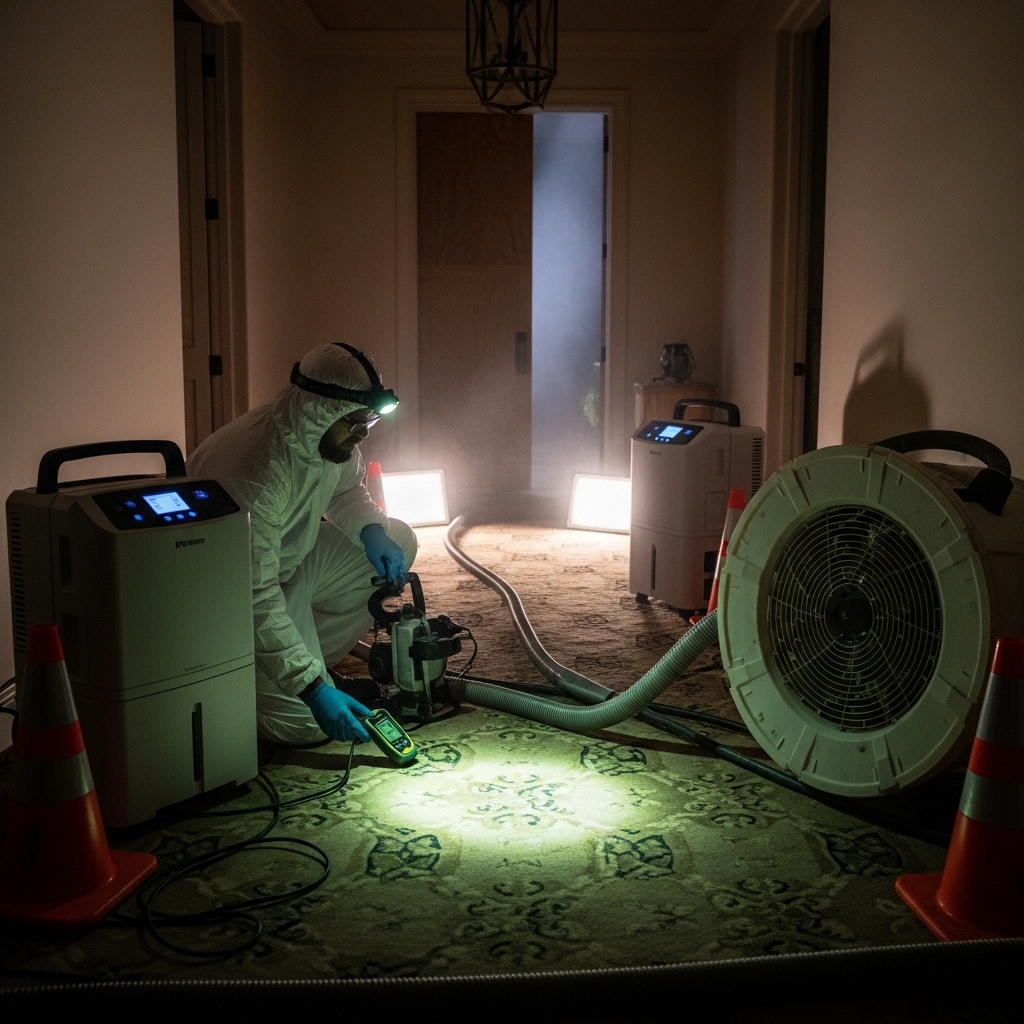
When crews arrive overnight, they start with a safety sweep that respects darkness and visibility limits. Temporary lighting allows careful inspection without missing hazards. Power may remain off while electricians evaluate circuits, and gas lines are checked before work begins. Communication with first responders and neighbors helps set expectations and reduces confusion while crews stage equipment and plan access routes along narrow canyon drives.
Quiet, Efficient Board-Up and Tarping
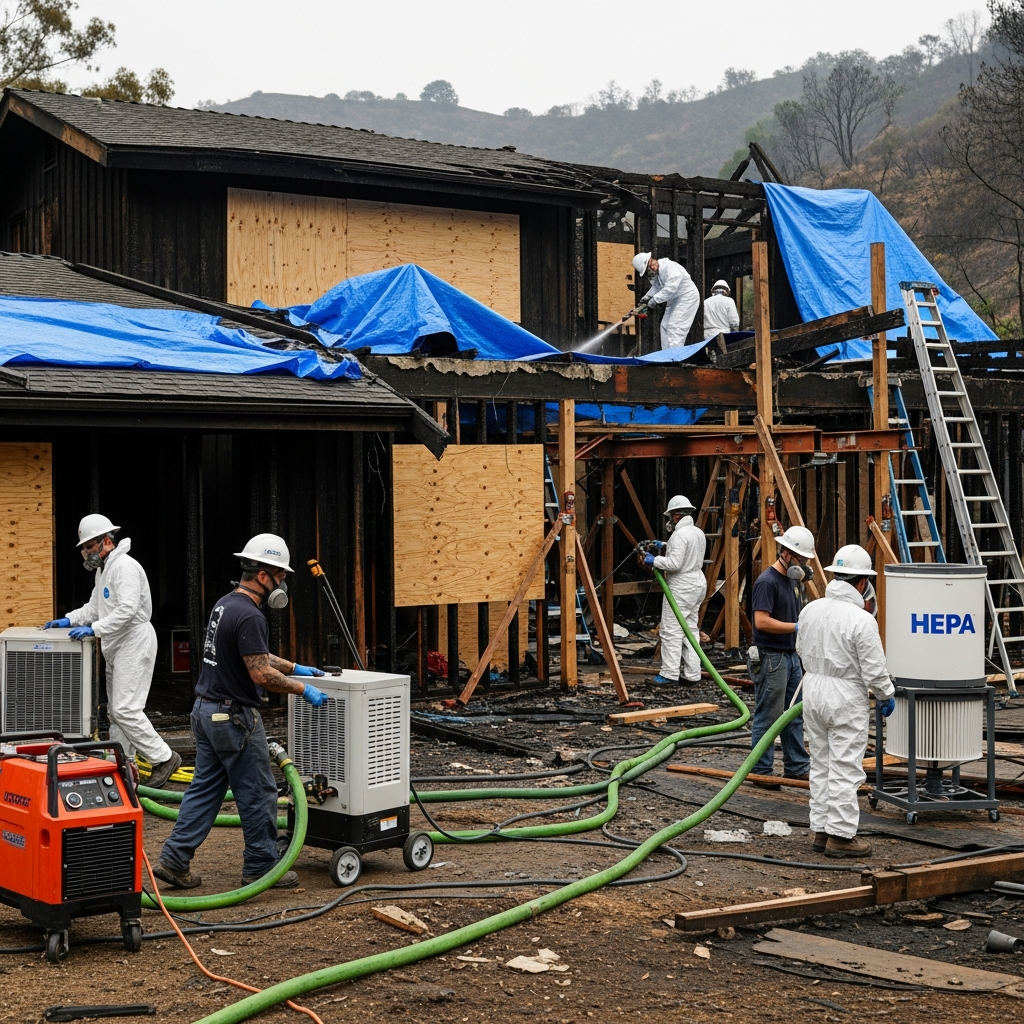
Night work calls for quiet efficiency. Board-ups and roof tarps are secured with minimal noise and maximum stability to keep moisture and debris out. Documentation happens in real time with photos that capture the initial condition and every protective measure, supporting insurance needs and next-day planning. By dawn, you should see a secure, weather-protected structure ready for the next steps.
Water Extraction and Controlled Drying
If sprinklers or firefighting efforts were involved, water management begins immediately. Overnight temperatures and humidity along the coast can change how drying proceeds, so teams monitor conditions closely. Dehumidifiers and air movers are placed with attention to sound and safety, and moisture mapping starts right away so wall cavities and subfloors are identified for early intervention. Early extraction shortens timelines and reduces odor and microbial risk.
Soot Mitigation That Respects Materials
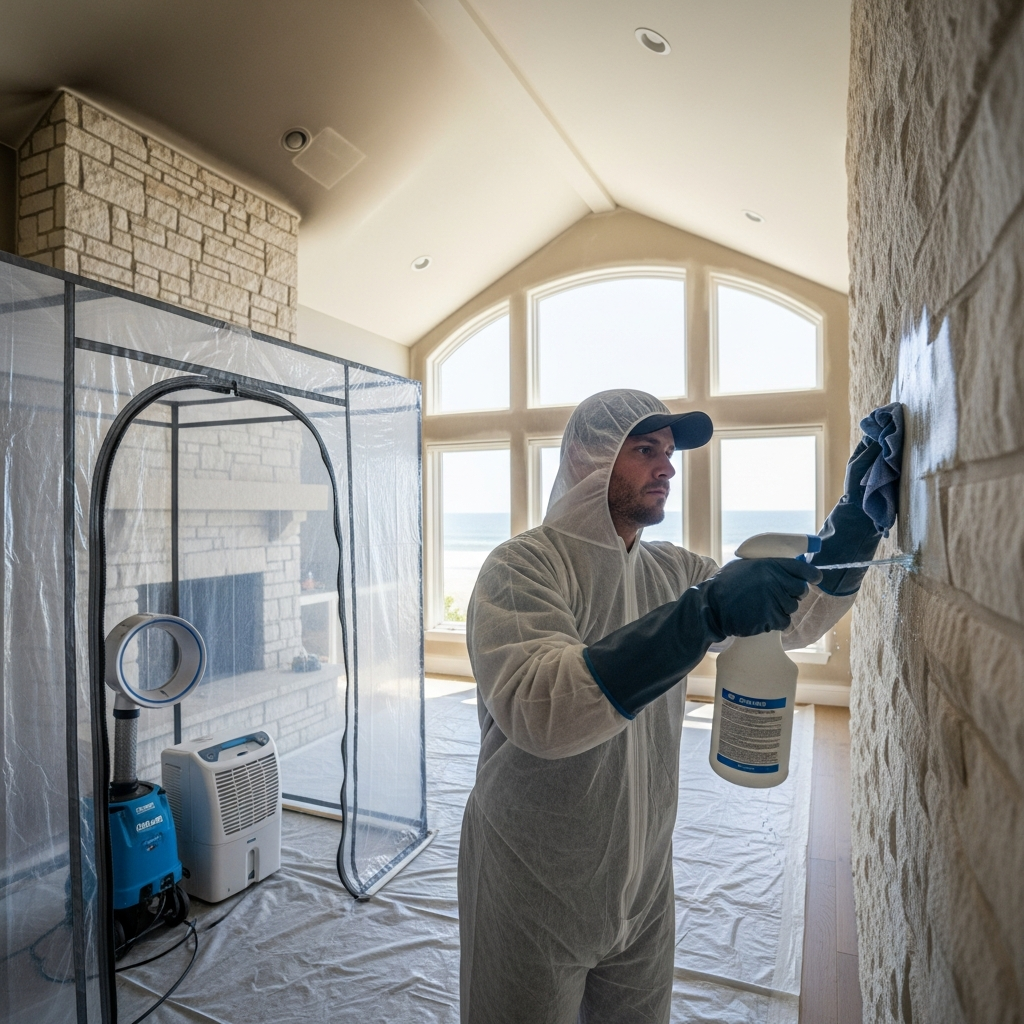
Even in the middle of the night, soot demands attention. HEPA vacuuming and dry sponging remove loose residues before deeper cleaning. Sensitive areas—kitchens, bathrooms with stone finishes, and rooms with electronics—are stabilized first to stop ongoing deterioration. Where odors are strong, portable HEPA and carbon filtration help keep the air breathable for everyone on site.
Coordination for the Day Ahead
One advantage of 24-hour service is that by morning, the emergency phase is already underway or complete. With stabilization in place, the day shift can focus on detailed cleaning, contents decisions, and planning for repairs. Communication carries through with updated scopes, moisture readings, and a list of priorities. This continuity reduces downtime and keeps the project aligned with your schedule and the realities of Malibu’s weather.
Mid-Project Night Checks
On longer jobs, night checks maintain momentum. Teams may return after hours to adjust drying equipment, change filters, or reinforce containment when winds pick up. These small interventions prevent backsliding and protect the progress you have already made. This is also a good point to revisit the essentials of effective fire damage restoration so everyone stays clear on goals, sequencing, and safety.
Respecting the Neighborhood
Malibu’s neighborhoods value quiet nights and safety on narrow streets. Night crews operate with courtesy—managing light spill, staging vehicles without blocking driveways, and keeping noise as low as possible while still working efficiently. Good neighbors make good projects, and smooth communication preserves goodwill during a stressful time for everyone nearby.
From Nightfall to New Morning
By sunrise, the difference is palpable: secure openings, drying underway, soot contained, and a visible plan. You can meet with your insurer, walk the property in daylight, and make informed decisions with confidence. The work feels manageable because the first, most urgent steps are already behind you, handled safely and with care for your home and community.
FAQs
Will crews really arrive in the middle of the night?
Yes. True 24-hour readiness means mobilizing whenever authorities release the site. That immediate response reduces risk and puts you on a faster path to recovery.
Is night work safe?
With proper lighting, protective gear, and a careful plan, night operations are safe and can be highly effective. Safety briefings and slow, deliberate setup are part of responsible after-hours work.
How do you control noise during after-hours work?
Crews choose quieter tools when possible, stage equipment away from bedrooms and neighboring homes, and keep communication clear and calm. The aim is to work efficiently with minimal disruption.
Will the HVAC run overnight?
Typically, the system stays off until inspected. Portable HEPA filtration maintains air quality during the night phase, with the HVAC brought online later once it is clean and safe.
Does night work cost more time later?
No—if anything, it saves time. By stabilizing early, you prevent secondary damage and start the next day ready for focused, detailed cleaning and repairs.
What should I have ready before crews arrive?
If you know help is on the way, secure pets, gather essentials, and avoid moving through heavily sooted areas. Leave lights on in accessible rooms if power is safe, and wait for guidance on entering impacted spaces.
Call Any Time
When fire upends your plans, you do not have to wait until morning. Choose a Malibu-ready team that treats after-hours response with the same care and craftsmanship as daytime work. For immediate help, coordinated planning, and a calmer tomorrow, contact professionals for 24-hour fire damage restoration and take the first confident step toward recovery.