Smoke, Soot, and the Malibu Home
In Malibu, the view and the breeze are part of why we live here—but those same winds can carry smoke and soot into every pocket of a home when fire strikes. What looks like a thin film on a counter can be a complex mosaic of residues, each responding differently to cleaning methods and chemistry. The difference between a home that feels “like new” and one that holds onto a ghost of the event lies in understanding how smoke moves, how soot behaves, and how Malibu’s coastal microclimate affects both. The goal is not just to clean what you see but to restore indoor air quality, protect finishes, and confirm results with careful verification. When you begin, choose local fire damage restoration in Malibu that treats your home’s materials with the respect and patience they deserve.
Smoke particles are incredibly small, and soot composition varies with the fuels that burned and the heat of the fire. Dry soot from natural materials can be powdery; residues from synthetic materials may be oily and smear if handled incorrectly; protein smoke from a kitchen event can be nearly invisible yet remarkably pungent. Malibu’s open floor plans, vaulted ceilings, and ocean breezes can spread these residues far from the source, which is why containment and methodical cleaning are so important from the start.
Following the Path of Smoke
Smoke follows physics: it rides heat currents, pressurizes into closed spaces, and sinks as it cools. It is drawn to cooler surfaces and textured materials, which is why you see shadowing around studs, nail heads, and HVAC registers. In coastal homes, negative pressure from wind patterns can pull smoke deep into attics and wall cavities. Understanding these pathways allows restoration teams to target cleaning where it counts, not just where soot is most visible. This prevents the all-too-common experience of rooms smelling fine for a week, then seeming to re-odor as temperatures and humidity shift.
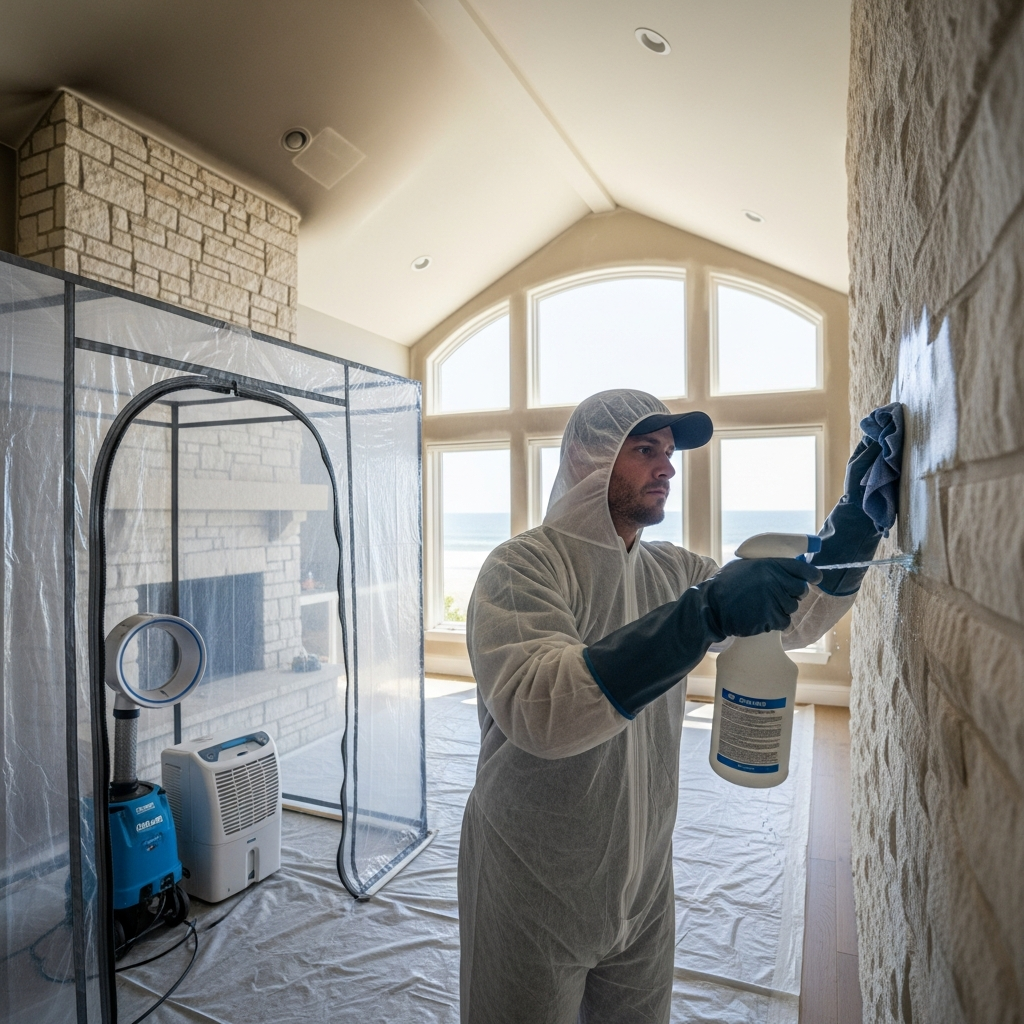
Proper containment—zipped barriers, negative air, and HEPA filtration—reduces cross-contamination during cleaning. In Malibu’s tight hillside neighborhoods, this also keeps work efficient and respectful of shared air. The sooner containment is installed, the more of your home stays truly unaffected.
Dry Before Wet: Cleaning With the Right Sequence
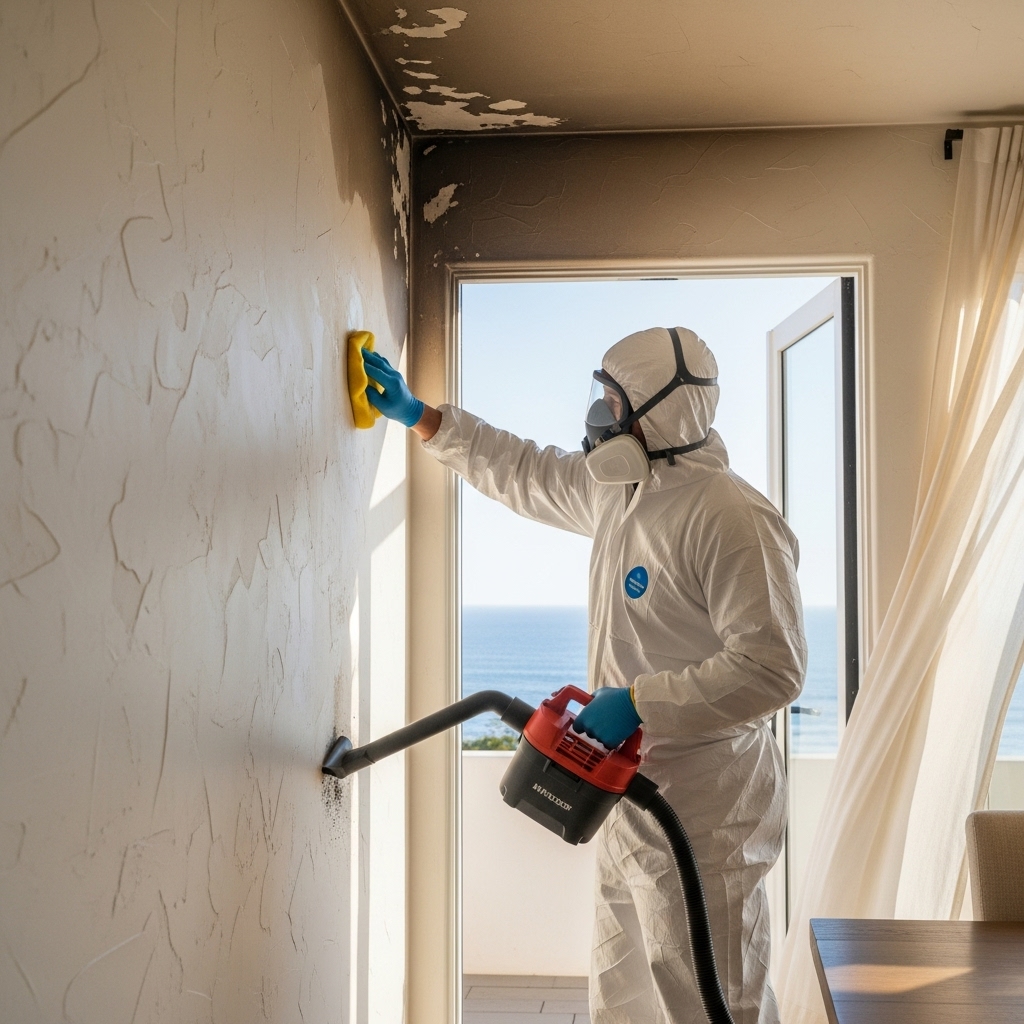
One of the central principles of soot cleanup is to remove dry particles before introducing moisture. Dry removal with specialized sponges, brushes, and vacuums lifts soot without driving it deeper into pores. Only after this step do professionals select wet cleaning agents matched to the residue type and the surface. This order matters. When a well-meaning wipe spreads soot across a countertop or wall, it takes more time and chemistry to unwind the mistake. Licensed teams also test in discreet areas, especially on unique Malibu finishes like hand-troweled plaster, limestone, or waxed woods, to ensure the chosen method preserves texture and sheen.
Textiles demand their own care. Drapery, rugs, and upholstery can hold odors long after surfaces look clean. Early separation and specialized processing preserve color and structure while addressing odor at the fiber level. A thoughtful contents plan is central to a truly restored home, not an afterthought.
Odor Control: Removing, Not Masking
Odor is storytelling you can smell. It tells you residues remain or that air pathways are still contaminated. Effective odor control pairs source removal with targeted neutralization, guided by real-world checks that confirm improvements. In Malibu, marine humidity and salt can heighten odor perception and accelerate corrosion on metals exposed by heat and water. This makes early stabilization of hardware and electronics critical, alongside methodical cleaning. HVAC systems are assessed carefully—filters replaced, returns examined, and ducts addressed when warranted—because recirculation is a common culprit in odor that resurfaces.
When interior finishes are porous, sealing may be appropriate after cleaning to lock in any residual odor molecules. The key is sequence: clean thoroughly first, then seal when tests confirm the surface is ready. Doing this backward can trap odors and complicate future work.
Water, Ash, and the Coastal Factor
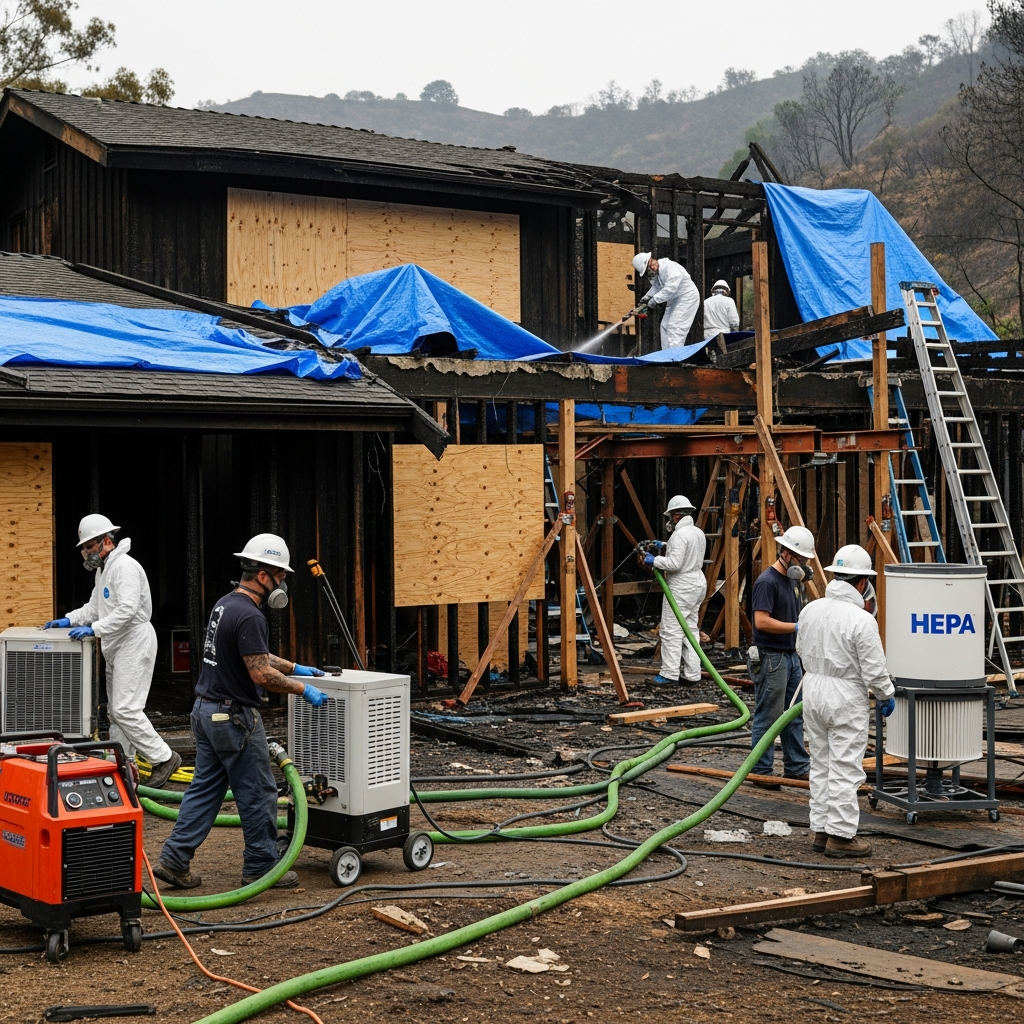
Water used to extinguish the fire is both friend and foe. It saves structures but introduces moisture that must be managed immediately. In Malibu’s coastal conditions, drying plans account for ambient humidity and potential power shutoffs. Dehumidification, air movement, and targeted demolition of unsalvageable materials prevent hidden problems from developing. Ash and fine soot can mingle with moisture to form acidic films, so early dry removal followed by surface-appropriate wet cleaning is the safer path.
Exterior spaces need attention too. Decks, railings, and outdoor kitchens accumulate residues that can be tracked inside or degrade finishes if overlooked. Balancing indoor and outdoor cleanup keeps the whole property on the same trajectory back to normal.
Protecting Malibu’s Custom Finishes
From reclaimed wood beams to stone counters, custom finishes are part of Malibu’s aesthetic. They also demand patience and knowledge. For instance, natural stone may discolor with the wrong alkaline or acidic cleaner; plaster surfaces require gentle methods to avoid burnishing or texture loss; and hardwood finishes differ in how they tolerate moisture and solvents. Professional teams operate with a “test, verify, proceed” mindset, documenting results and keeping homeowners involved in choices that affect look and feel. This is how a house regains its identity rather than just its function.
Electronics and metal fixtures deserve special care, too. Corrosion can begin quickly when salt air and combustion byproducts combine. Stabilization steps include controlled drying, careful cleaning, and, when needed, third-party evaluation for sensitive equipment. These measures prevent slow-motion losses that only become obvious weeks later.
Documentation and Peace of Mind
Progress you can see is reassuring; progress you can verify builds lasting confidence. From the first day, professionals photograph conditions, log readings, and explain the plan in plain language. Malibu projects benefit from this structure because homes here often involve multiple stakeholders—insurers, designers, and sometimes architects for repair phases. Clear evidence keeps everyone aligned and maintains momentum. Your home should feel healthier week by week, with air that smells cleaner, surfaces that stay clean, and rooms coming back online in a sensible order.
Midway through a project, ask to review before-and-after images and notes. If you found your team while exploring trusted fire damage restoration in Malibu resources, this is the moment to confirm that promises are turning into measurable results. Seeing the plan and the progress side by side reduces stress and affirms that the approach is working.
From Cleanup to Resilience
Once soot and smoke are addressed, consider steps that improve resilience. Upgraded filtration, sealed attic penetrations, and refined ventilation strategies can reduce the impact of future smoke events—important in a region where wildfires and regional smoke are seasonal realities. Exterior housekeeping matters, too: maintaining defensible space and keeping vents and gaps protected limits smoke intrusion. While no measure can eliminate risk entirely, these improvements make a meaningful difference in comfort and recovery time.
Just as important is the rhythm of your home’s return. The best restoration projects bring rooms back in the order you live, restoring kitchens and bedrooms as early as feasible, then tackling less essential areas. This is not merely a convenience; it is part of the psychology of recovery, restoring normal routines that anchor daily life.
Frequently Asked Questions
Q: Why does soot keep appearing after I wipe surfaces? A: Soot can be redistributed without proper dry removal and containment. Professional methods lift particles and prevent cross-contamination that causes recurring films.
Q: How do I know if my HVAC system needs cleaning? A: Signs include dusting that returns quickly, odors when the system runs, and visible residue near registers. An assessment determines whether filtration upgrades suffice or duct cleaning is necessary.
Q: Can I occupy the home during cleanup? A: Often, yes, with containment and filtration protecting living areas. Your team will define safe zones and advise on best practices.
Q: What about clothing, rugs, and soft goods? A: Textiles capture odors and require specialized cleaning to truly feel fresh again. Early handling preserves color and structure.
Q: How long does smoke odor removal take? A: Timelines vary with residue type, material porosity, and HVAC involvement. You should notice steady improvement as source removal and filtration progress.
Q: Are some surfaces not salvageable after smoke exposure? A: In certain cases—severely heat-damaged materials or finishes permanently etched—replacement is the prudent choice. Testing and experience guide these decisions.
If you are ready to breathe easy again and bring your home back to its full comfort and character, reach out to a local team that pairs science with care. Start now with proven fire damage restoration in Malibu that restores what you see, what you smell, and how your home feels day to day.