Fire recovery in Malibu is about more than returning a home to pre-loss condition. It’s an opportunity to rebuild smarter, cleaner, and more resiliently in a place where ocean air, hillside winds, and seasonal hazards are part of daily life. Over years of working from Encino to the shoreline, I’ve seen how sustainable choices in cleanup and reconstruction improve indoor air quality, reduce environmental impact, and enhance long-term durability. When you frame your project around environmentally mindful practices led by experienced fire damage restoration professionals, you protect your family today while investing in a healthier home for tomorrow.
Sustainability begins with the first decisions made on site. The way we contain and filter air, capture and dispose of debris, and manage water during cleaning all shape the footprint of the work. In Malibu’s delicate ecosystems and steep terrain, small choices add up. The best projects combine rigorous health and safety standards with methods that conserve resources and avoid introducing unnecessary chemicals into your living spaces.
Clean Air Practices With a Lighter Footprint
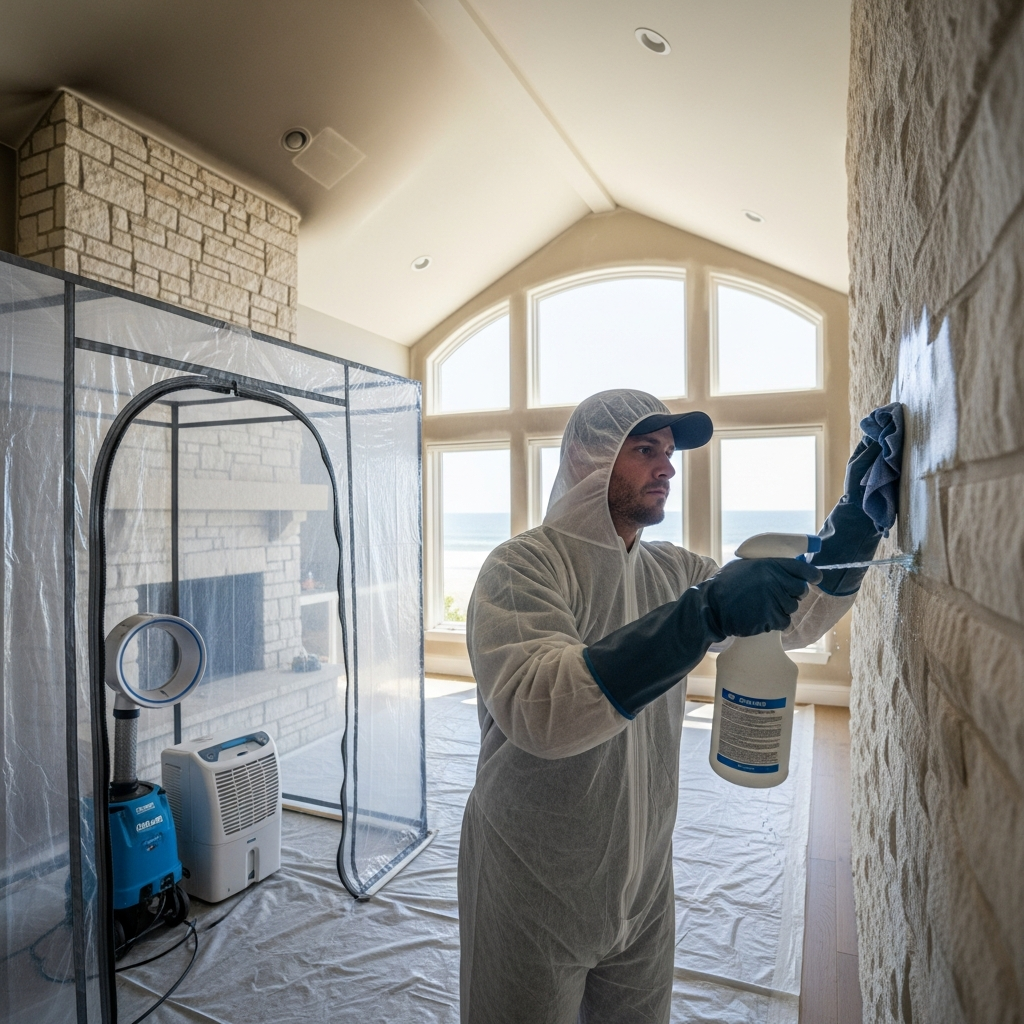
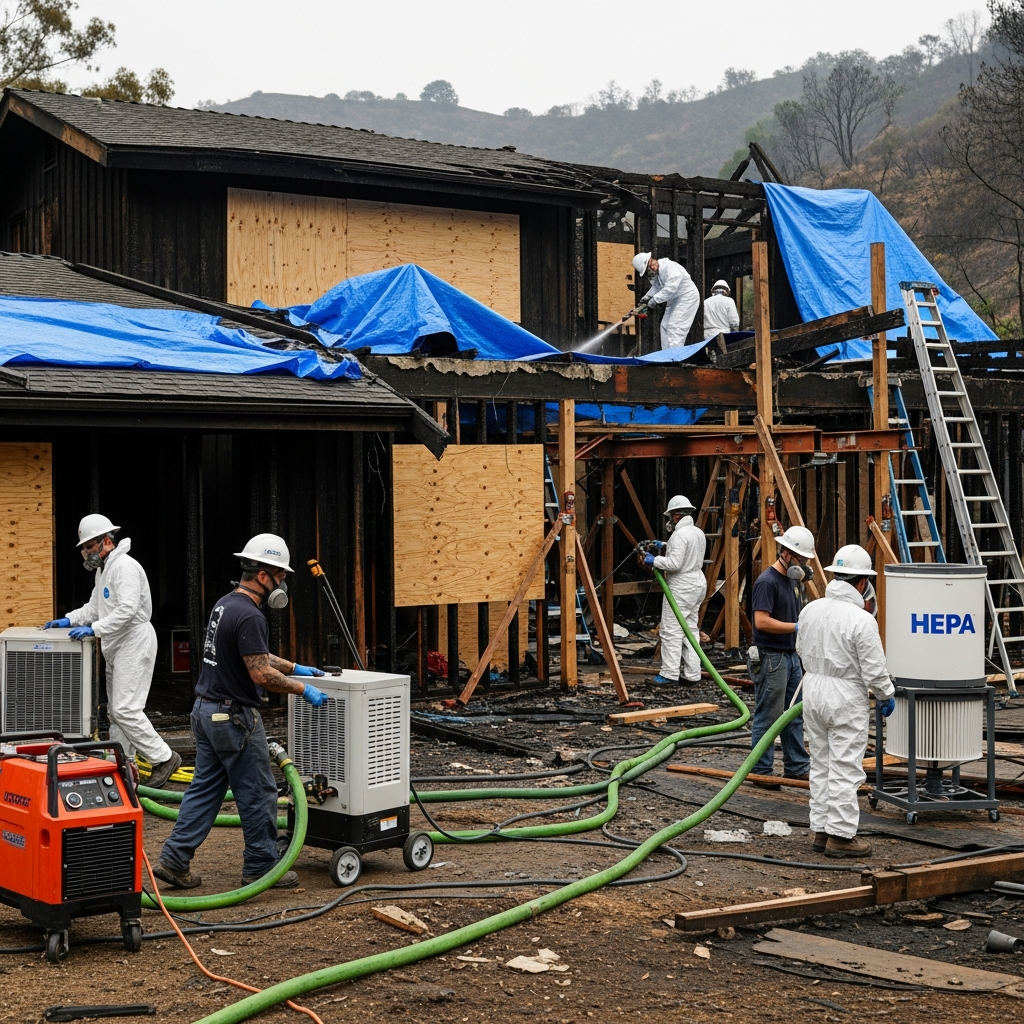
Restoration requires strong dust and odor control, but it doesn’t have to rely on heavy chemical loads. Advanced HEPA filtration and negative air containment reduce airborne particulates effectively, while targeted deodorization focuses on source removal first. Where sealing is appropriate, low-VOC encapsulants protect indoor air without leaving a lingering scent. These choices are better for occupants and for the crews working in your home, and they perform well in Malibu’s climate.
Water-Wise Cleaning and Drying
Water is essential for certain cleaning tasks, yet wasteful methods can burden both your property and the environment. A sustainable plan uses measured application, efficient extraction, and controlled drying guided by moisture readings rather than guesswork. Dehumidifiers and air movers are staged to achieve goals with minimal energy. In a coastal setting where humidity fluctuates, precise drying not only saves resources but also prevents secondary damage that would otherwise demand additional materials and labor.
Selective Demolition and Material Salvage
Not everything that smells like smoke must be torn out. Careful inspection and sample cleaning can reveal which materials can be saved. Salvaging trim, doors, fixtures, and structural members when safe reduces landfill waste and preserves the character of Malibu homes. Where removal is necessary, deconstruction techniques allow components to be separated for recycling instead of tossed into a mixed debris bin.
Smart Material Choices for Rebuild
When it’s time to rebuild, sustainable doesn’t mean compromising aesthetics. Low-VOC paints and finishes, formaldehyde-free composite products, and responsibly sourced wood improve indoor air quality while delivering beautiful results. In kitchens and baths, choosing corrosion-resistant fixtures makes sense in a salty environment and reduces the need for premature replacement. Over a home’s lifespan, these choices quietly save resources and money by lasting longer and performing better.
Energy Efficiency as a Form of Resilience
Think of energy improvements as sustainability you can feel every day. Tight air sealing, appropriate insulation levels, and upgraded windows reduce infiltration of smoke during future events while keeping conditioned air where it belongs. Mechanical ventilation with smart controls can provide fresh air without opening windows during smoke days. These upgrades complement the restoration and make your home more comfortable through Malibu’s warm afternoons and cool evenings.
Ember-Resistant Details Without the Industrial Look
Sustainable fire resilience doesn’t mean turning your home into a bunker. Thoughtful details like ember-resistant vents, boxed-in eaves, and noncombustible cladding in strategic locations reduce vulnerability without altering the design language you love. In decks and exterior stairs, fire-rated materials that still look like wood provide both beauty and performance. These measures reduce the likelihood of future fire damage and the resource-intensive restorations that follow.
Landscaping That Works With the Land
Malibu’s native plant palette offers a guide to sustainable landscaping that supports a defensible space without resorting to gravel yards. Selecting plants with lower fuel loads, spacing them thoughtfully, and maintaining them throughout the year reduces ember pathways. Drip irrigation targeted to root zones conserves water, and mulches chosen for fire-wise performance reduce maintenance. The landscape becomes a partner in resilience rather than a passive bystander.
Responsible Debris Handling and Recycling
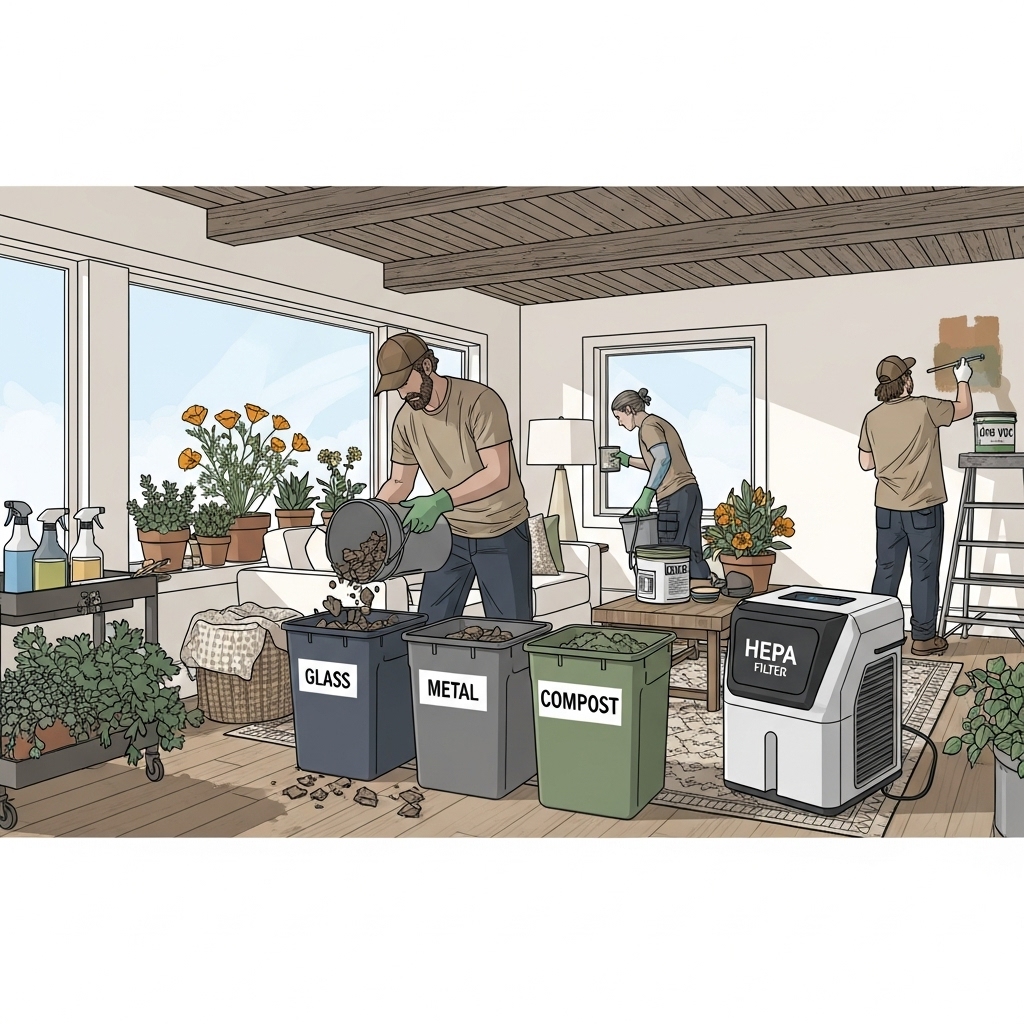
Debris from a fire restoration can include a mix of metals, wood, glass, and inert materials. Coordinated sorting and recycling divert a significant portion from landfills. Appliances and electronics require special attention to ensure any hazardous components are properly handled. Working with an Encino-based team familiar with regional recycling options makes this process smoother and more effective.
Healthy Home, Healthy Occupants
Sustainability is also about how a home feels to live in. Low-VOC materials, carefully chosen cleaning agents, and thorough source removal create indoor spaces where you can breathe easy. For families sensitive to fragrances or chemical residues, a sustainable restoration strategy is not a luxury—it’s essential. Malibu’s frequent breeze cycles can carry outdoor irritants; an indoor environment that starts clean helps buffer those fluctuations.
Transparency and Documentation
Clear documentation is part of sustainable practice. Material data sheets, ventilation plans, and waste diversion reports build confidence and inform maintenance decisions. When you know what went into your home—and what was kept out—you can steward the property with fewer mysteries and better long-term outcomes.
Local Expertise, Global Principles
Encino teams working in Malibu bring a practical blend of local logistics and broader sustainability principles. They understand canyon access, coastal moisture, and the way winds move soot through hillside homes. That local intelligence shapes choices that are both environmentally responsible and operationally sound, keeping schedules on track while delivering healthier results.
Mid-Project Course Corrections
Sustainability isn’t rigid. Midway through a project, we often revisit choices in light of new findings—a hidden moisture pocket, a salvageable finish, or a chance to swap a product for a lower-VOC alternative with equal performance. This flexibility is the hallmark of sustainable practice, ensuring the plan adapts to your home rather than forcing your home to fit a plan.
Frequently Asked Questions
Are green cleaning products strong enough for fire residue?
When combined with source removal, HEPA filtration, and the right techniques, many low-toxicity products perform excellently. The key is matching chemistry to the residue type and using tests to confirm results before scaling up.
Will low-VOC paints and sealers hold up in coastal conditions?
Yes—top-tier low-VOC coatings are engineered for durability, including resistance to salt air. Proper surface prep and product selection are essential for long-term performance.
Does selective demolition slow the project down?
Not when guided by a thorough inspection. Salvaging what can be saved often speeds the overall timeline by reducing the amount of rebuild work and simplifying detailing.
Can energy upgrades be incorporated during restoration?
Absolutely. Air sealing, insulation improvements, and ventilation upgrades integrate naturally with reconstruction and offer daily comfort benefits along with better smoke resistance.
How do I know what was recycled or diverted from landfill?
Ask for a waste tracking summary. Responsible teams document debris handling, note recycling facilities used, and provide records that reflect the project’s environmental performance.
If you want your recovery to leave your home cleaner, stronger, and kinder to the environment, choose a partner who treats sustainability as a core value, not an afterthought. From air quality and materials to energy and waste, every decision can work a little harder for your health and this coastline we all cherish. Begin with experienced, eco-minded fire damage restoration that aligns with Malibu’s landscape and your goals for a home that’s ready for the future.