From First Look to Full Recovery: How Inspection Drives Restoration in Malibu
Every successful restoration begins with a precise inspection. In Malibu, the inspection phase is more than a checklist; it’s an informed conversation with a home shaped by wind, salt, light, and topography. A house above PCH catches smoke differently than a cottage near the lagoon, and a canyon property can hide residues in attic runs and rafters even when living spaces seem spared. After years of walking job sites from Las Flores to Point Dume, I’ve learned that the difference between a home that merely smells better and one that truly returns to itself is the rigor of the initial smoke damage inspection—and the way findings are translated into an actionable plan for smoke damage restoration.
Think of inspection as a story unfolding scene by scene. Where did the smoke enter? Which routes did it travel? What did it touch, and where did it rest? By answering these questions with evidence, not guesses, we can select the right cleaning media, the correct containment strategy, and a deodorization approach that neutralizes rather than masks. Good inspections reduce project length, protect finishes, and give you confidence at every step.
What a Thorough Malibu Inspection Includes
The exterior tells the first chapter. Inspectors scan soffits, vents, and rooflines for signs of soot deposition and ember pathways. Window frames and door thresholds receive special attention because gaps here often govern how smoke infiltrated. Salt-laden air can leave pre-existing films that interact with soot; noting those conditions helps avoid misreads. Landscaping and outbuildings also matter: a smoky garage or pool house can re-seed your main living areas if not addressed.
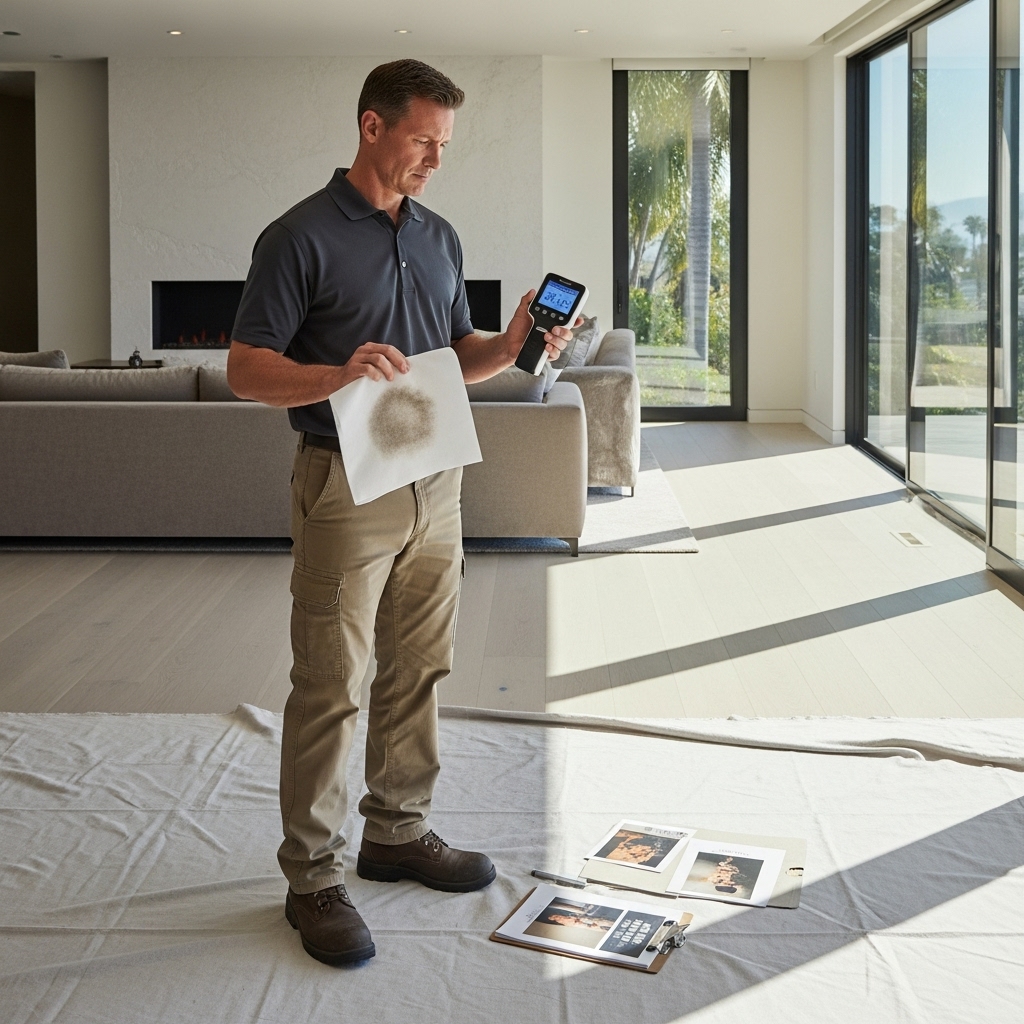
Inside, the assessment expands room by room. Dry-chem sponges test walls and ceilings, while white cloth wipe tests reveal films on horizontal surfaces. Airflow clues—like dust patterns on return grilles—hint at whether the HVAC distributed particulates. Inspectors open cabinets and closets because these enclosed spaces can concentrate odors. Soft goods get a separate pass to determine on-site versus off-site treatment. A meticulous inspection captures photos under consistent lighting so progress is measurable later.
Instruments That Clarify, Not Complicate
Tools support the senses. Particle counters establish a baseline and track progress as filtration and cleaning proceed. Thermal imaging can expose hidden cavities where residues collected, especially in insulated walls along windward facades. Borescopes help inspect ductwork and attics without destructive openings. Moisture meters, while more common in water losses, still matter here; high humidity can change how residues behave and how certain deodorization techniques perform. The aim isn’t to drown you in readings, but to select and explain the few metrics that truly guide decisions in your home.
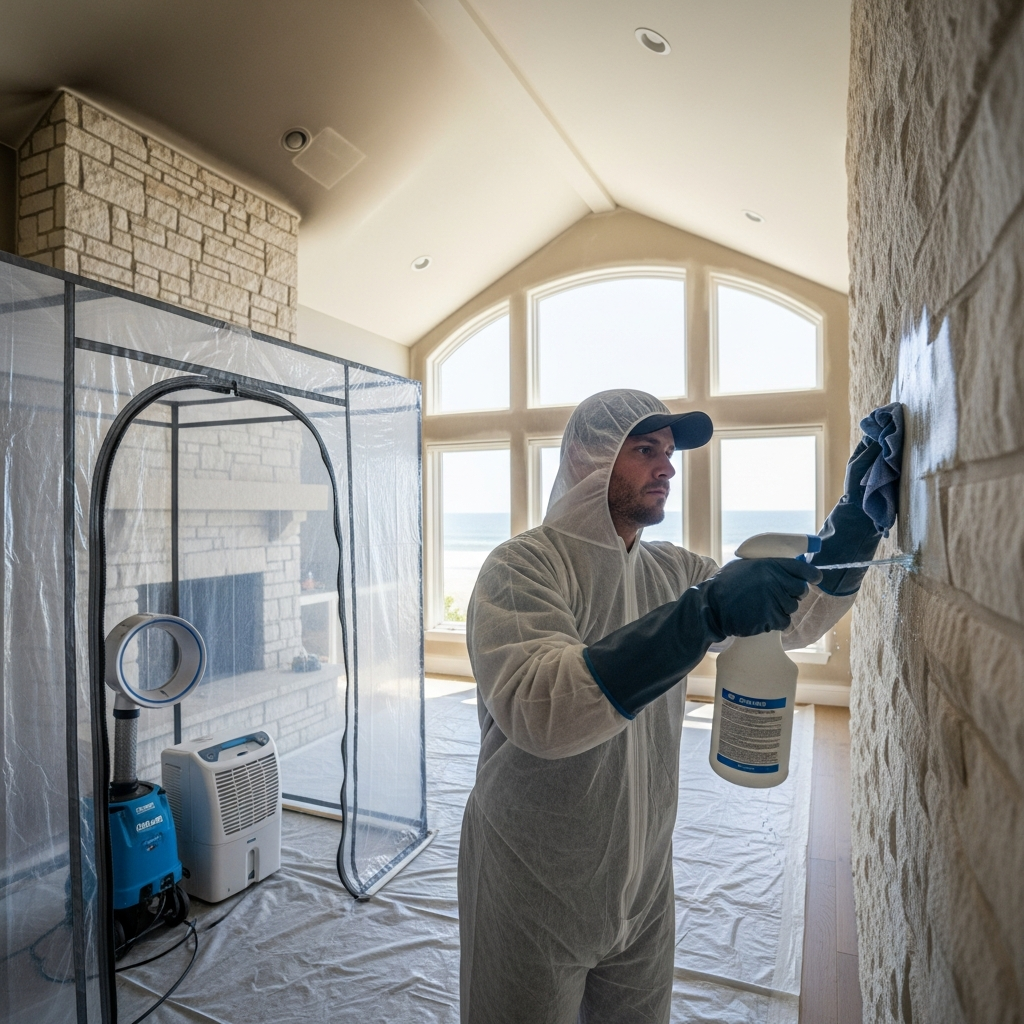
For Malibu’s varied materials—venetian plaster, live-edge wood, natural stone—inspection includes small, reversible tests to ensure cleaners won’t dull or etch surfaces. Documenting the chemistry of your finishes up front prevents missteps that turn a smoke job into a refinishing project, saving time and preserving value.
Turning Findings Into a Plan
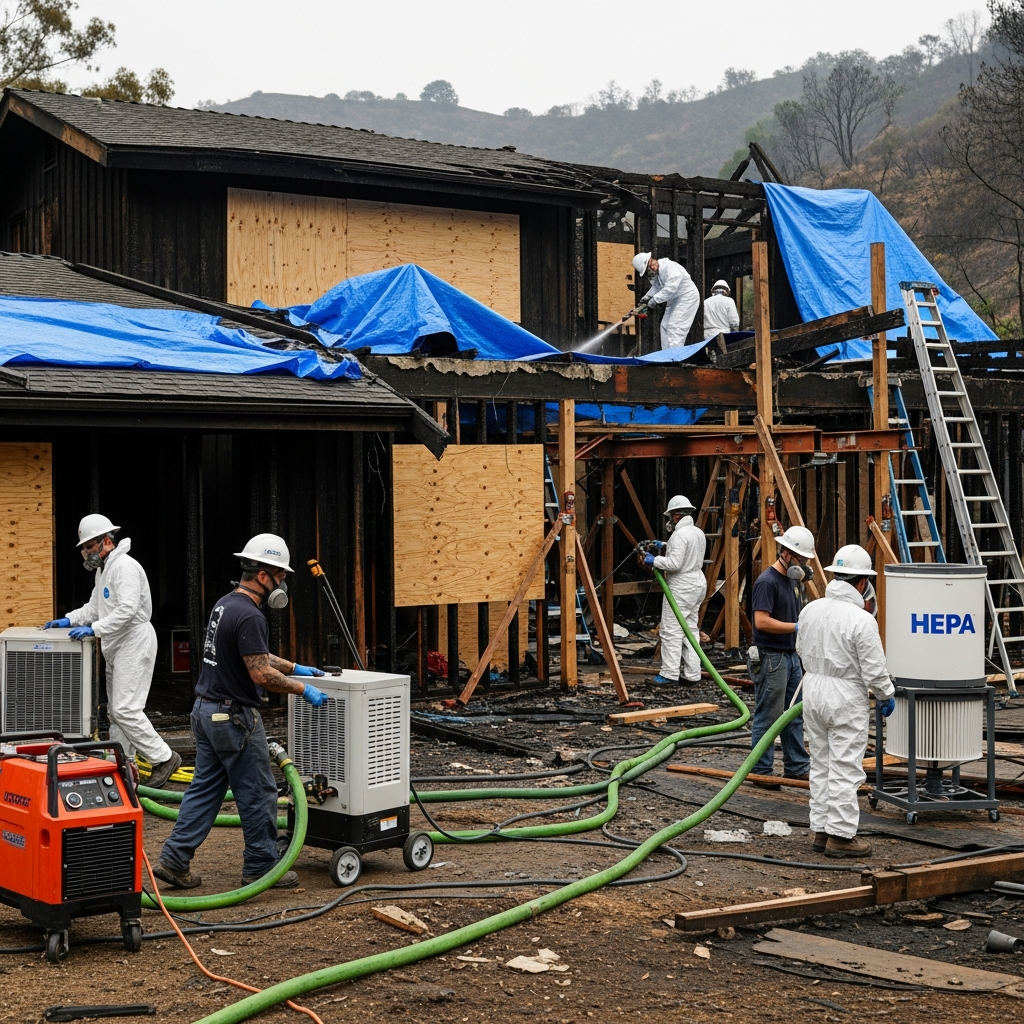
Once the smoke map is clear, the plan follows a logical order: stabilize the environment with containment and HEPA filtration, remove loose residues with dry methods, perform targeted wet cleaning, and then deploy deodorization where it will be most effective. In open-plan Malibu homes, inspectors often design containment to protect a clean core—bedrooms and an essential bath—so you retain a normal routine while work unfolds elsewhere. The plan also sets expectations for HVAC handling, including filter changes and run cycles that assist rather than hinder cleanup.
Timelines are proposed in ranges, because conditions evolve as hidden pockets of odor are discovered and eliminated. A strong plan includes checkpoints—moments when you, the homeowner, can step in and experience a space under controlled conditions to confirm that progress matches the data. This transparency is an anchor during a stressful time.
Why Malibu Microclimates Matter During Inspection
Inspection isn’t static; it dances with the day’s weather. Morning marine layers highlight films in slanting light, while dry Santa Ana conditions can move odors differently through stairwells and atriums. Inspectors schedule parts of their walkthrough to take advantage of light and airflow that reveal what mid-day glare can hide. They also anticipate how upcoming weather will influence the restoration plan, selecting windowing strategies for ventilation that won’t reintroduce outside smoke or excessive humidity.
Neighborhood context matters too. Homes near Pepperdine’s hillside or tucked into canyons often pull air through attics or crawlspaces, while oceanfront properties experience stack effects along glass walls that behave like chimneys under certain conditions. A local inspector reads these patterns and writes a plan that respects them, rather than fighting the house’s natural behavior.
Contents and Vulnerable Materials
Inspection encompasses your belongings as much as your walls and floors. High-value items—artwork, instruments, electronics—receive triage first so decisions about on-site treatment or off-site specialty care happen early. Upholstery, wool rugs, and draperies are evaluated for fiber type and construction so cleaning methods align with material realities. Malibu homes often contain a mix of coastal casual and museum-grade pieces; inspection sorts them into pathways that produce the best outcomes with the least risk.
Where sentimental value is high, documentation is especially important. Condition photos and short notes about pre-existing wear build trust and help set realistic expectations. If an item needs extended treatment, you know why and what to expect at return.
Validation: The Bookend to Inspection
A professional inspection sets the stage for equally professional validation at the end. The same tools and tests used at the start reappear to confirm success. Particle counts should return to normal background levels, wipe tests should come back clean, and your senses should agree—rooms should feel fresh in the morning after an overnight seal, not just right after machines have been running. A final walkthrough under Malibu’s revealing afternoon light is a tradition for a reason: it shows everything that daylight can show.
Validation is also the moment to discuss aftercare—filter changes, any lingering sensitivities, and small home improvements like weatherstripping or attic hatch gaskets that improve resilience against future smoke events. These suggestions aren’t upsells; they’re practical steps informed by what the inspection revealed about how your home breathes.
Common Surprises Inspection Uncovers
Even well-built homes hide quirks. Detached garages sometimes act as odor reservoirs because they were lightly sealed and shared airflow with the house through unsealed door frames or utility chases. Built-in bookcases can trap residues behind backing panels. Kitchen range hoods, especially recirculating models, can hold onto smells that return whenever you cook. Inspection shines a light on these sources early so the plan neutralizes them before they undermine the rest of the project.
HVAC returns in closets or hallways frequently reveal how smoke moved during the event. If you find a heavily impacted filter, it’s a clue that airborne cleanup, not just surface cleaning, needs to be robust. A thoughtful plan sequences these steps so you aren’t chasing odor from room to room.
Working With a Team That Explains, Not Just Assures
Clarity builds trust. Expect your inspector to narrate what they see, show you quick tests as they go, and discuss options along with their trade-offs. Malibu homeowners appreciate straight talk—what’s certain, what’s likely, and what remains to be discovered. When you understand the reasoning, you can make decisions with less stress, whether that means green-lighting a specific deodorization method or choosing off-site cleaning for certain textiles.
Good communication also includes acknowledging your daily life. If you’re hosting family soon or working from a home office, the plan can phase around those priorities, establishing clean zones that support your routine while the work continues elsewhere. The inspection is the moment to set these priorities; a good team welcomes the conversation.
Frequently Asked Questions
How long does a professional smoke inspection take?
Most Malibu homes can be thoroughly inspected in a few hours, though larger or more complex properties may take longer. The goal is to gather enough detail to write a targeted plan without delaying stabilization steps like containment and HEPA filtration, which often begin the same day.
Do I need testing beyond visual and wipe checks?
Simple tests are often sufficient to guide cleaning. Particle counts and targeted sampling add clarity when conditions are ambiguous or the home contains especially sensitive materials. Your inspector should explain why each test is used and how the result affects decisions.
Will inspection damage finishes?
No. Professional inspection uses non-destructive methods and small, reversible tests in inconspicuous areas to confirm cleaner compatibility. The aim is to prevent damage by choosing the right methods before full-scale work begins.
What about the HVAC system?
Inspection includes your HVAC. Expect filter checks, grille and register assessments, and recommendations on whether to run the system to assist with air exchanges or keep it off until cleaning is complete. A clear HVAC plan is essential for preventing re-contamination.
How do I know the plan is right for my home?
The plan should reference your home’s layout, materials, and how smoke traveled through your spaces. It should include sequencing, containment zones, and validation steps. If you can see your home in the plan—its details and its daily life—it’s probably the right plan.
If you’re ready to transform a careful inspection into a confident recovery, connect with a team that treats your home’s story with precision. Schedule an expert assessment now and move forward with a tailored plan for complete smoke damage restoration that respects Malibu’s climate, your materials, and your peace of mind.