Living and working in Malibu teaches you to read the wind and the light in a way that only a coastal canyon town can. On some afternoons the air runs clean and salty across the bluffs, and on others a dry gust sweeps down from the Santa Monica Mountains and carries the faint, acrid memory of a burn miles away. In that rhythm, homeowners learn quickly that what you can’t see inside your walls and ductwork often matters as much as what you can. That is where the real, measurable benefits of smoke damage restoration begin, because smoke is not only an odor you notice after you open the front door; it is a complex mix of microscopic particles, oily residues, and corrosive compounds that will keep reacting with your home long after the flames are out unless it is removed methodically.
In Malibu, where stucco facades meet steel fixtures, where reclaimed wood beams share space with modern glass sliders, and where HVAC systems labor between cool evenings and warm, dry afternoons, those residues settle into every material differently. A thorough restoration protects your home’s finishes from permanent staining, preserves indoor air quality, and safeguards electronics and mechanical systems that are easy to overlook in the first days after a fire or windblown smoke event. When we walk a home in Point Dume or Malibu Park, we are not only tracing soot on walls; we are thinking about the way smoke has moved through vent chases, returned through negative pressure when a door slammed, and adhered to the salt film that naturally rides the sea breeze.
Protecting the Health of Your Household
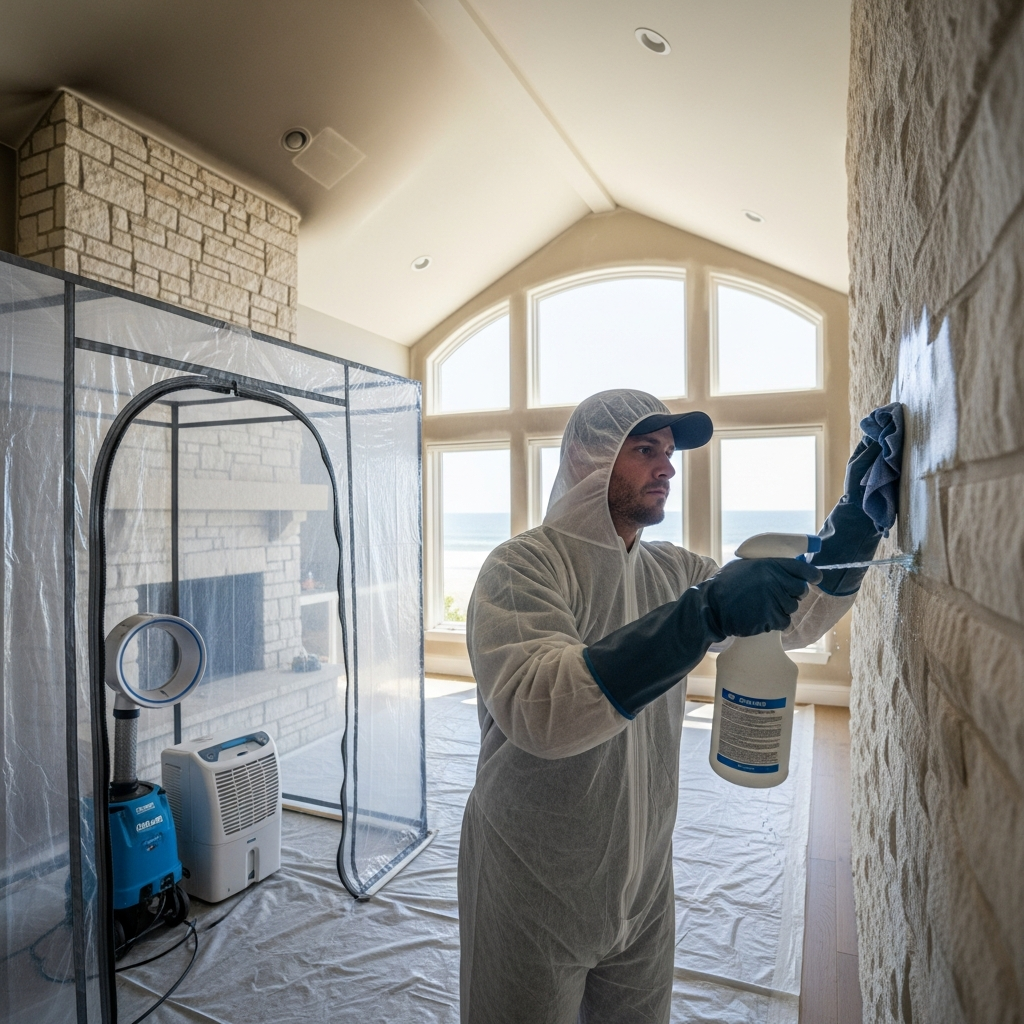
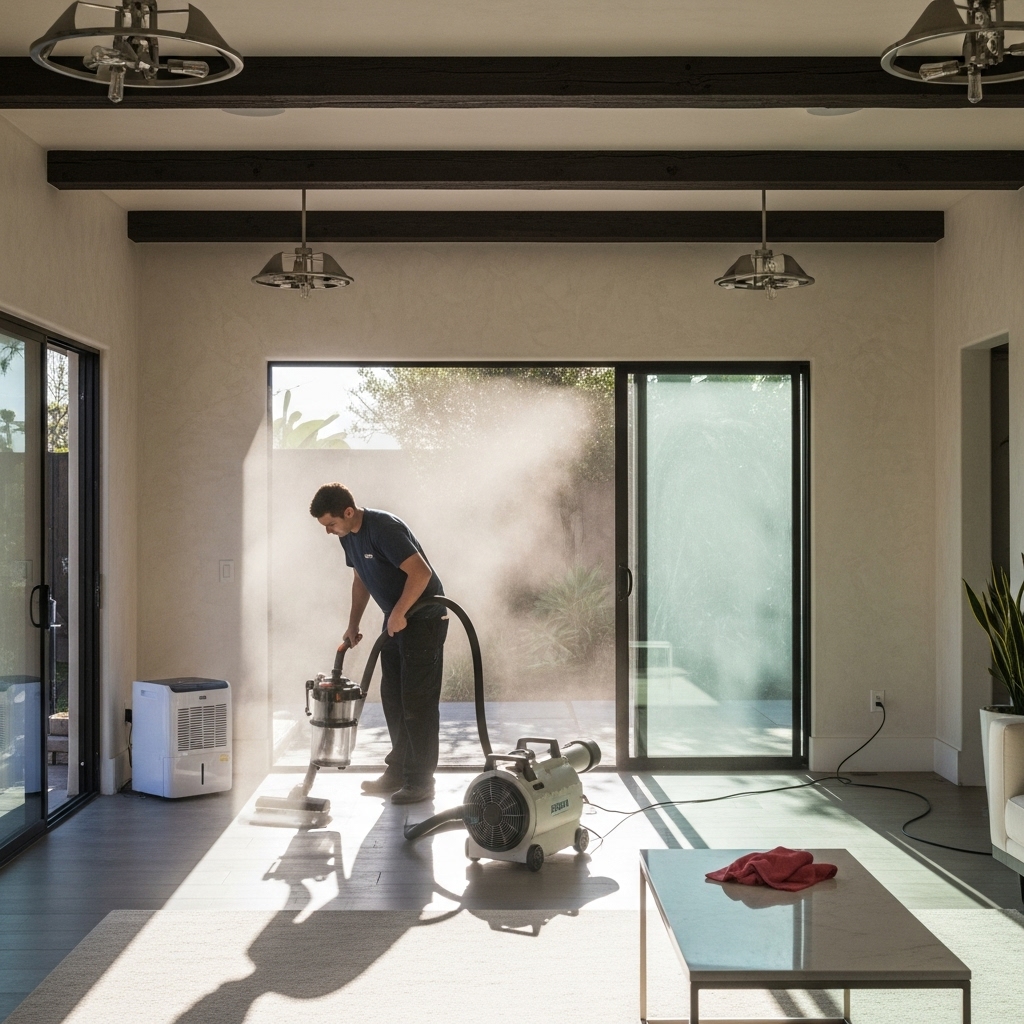
One of the earliest benefits is the simplest to explain and the most important to families: cleaner air. Smoke particles can be ultrafine, and that means they can stay airborne or settle deep in upholstery and carpet where footsteps reintroduce them for weeks. In homes where kids play on the floor with a dog that just ran along the beach, or where elderly parents spend more time indoors, that persistence matters. Comprehensive restoration combines HEPA-filtered vacuuming, controlled negative air pressure to prevent cross-contamination, and targeted cleaning that removes residue rather than just moving it around. The immediate result is fewer irritants and a reduced potential for lingering respiratory discomfort. In a coastal climate, where windows are often open to catch an evening breeze, proper sealing and filtration during restoration also prevents new intrusions while the work is underway.
Odor is not just a nuisance; it is a proxy for chemicals still off-gassing from porous materials. When you address the source residues correctly, the odor dissipates naturally without relying solely on cover-up products. That’s why expert-level cleaning is paired with odor neutralization techniques that interact at a molecular level with soot compounds. The benefit to your family is a home that smells like your home again—not like a scented candle masking a problem.
Preserving Finishes, Fixtures, and Electronics
We often see Malibu homes where bespoke finishes define the space: Venetian plaster walls, hand-oiled hardwood, artisanal tile, and high-end appliances with brushed metal faces. Smoke affects each of these differently. Acidity in soot can etch glass and metal if left in place, leaving a dull haze on window panes that no amount of regular cleaning can fully remove. Oily soot can blotch paint and discolor grout. The benefit of quick, professional restoration is that it halts those processes before they set. Technicians identify material types and use matching chemistry—alkaline cleaners to neutralize acidity, dry sponges to lift soot from delicate surfaces, and carefully selected detergents that won’t drive residue deeper into porous stone or wood.
Electronics are another subtle casualty. Even if a device powers on, microscopic conductive particles can bridge fine circuits and begin a slow corrosion that reduces lifespan. An experienced team will isolate and clean electronics, maintain climate control to minimize humidity swings, and advise on safe power-up protocols. In communities like Malibu Colony where home automation and security systems are common, that attention can be the difference between a system that continues to safeguard your home and one that quietly fails months later.
The Malibu Microclimate Advantage
Restoration done with a local mindset yields outsized benefits here. Coastal humidity and salt air form a thin film on exterior hardware and even interior glass when windows are opened daily. Smoke residues cling to that film and become more stubborn to remove. The same Santa Ana winds that dry out canyon brush can drive smoke into soffit vents and eaves, planting soot above your ceilings. A technician who knows the way smoke drafts along PCH-facing windows at sunset or curls into hillside homes when thermal layers shift will inspect the right places the first time. The benefit shows up not only in better results, but in faster timelines and fewer return visits, which reduces disruption to your life.
From Big Rock to Broad Beach, construction details vary widely. Older beach cottages might have tongue-and-groove ceilings and vintage insulation that behave very differently than modern, tight-envelope builds in the canyons. Local expertise means we tailor the cleaning approach, ventilation strategy, and clearance testing to the way your specific home exchanges air with the outdoors. When you combine that with the right equipment, you get an indoor environment that truly resets, rather than one that feels temporarily improved.
Protecting Property Value and Peace of Mind
Malibu properties are as much about feeling as square footage. Buyers notice when a space smells off or when the afternoon light reveals faint shadows above a doorway where soot once clung. Proper smoke damage restoration doesn’t just fix a problem; it preserves a home’s story for the next chapter. Documentation of the work matters here as well. A full record of inspection findings, cleaning protocols, and post-restoration air quality testing provides proof that the issue was addressed properly, which can be reassuring for future appraisals or disclosures. The benefit is a smoother path if you refinance, renovate, or eventually sell.
Perhaps less obvious is the way restoration intersects with insurance and long-term resilience. Thoughtful professionals help you map out what was affected, what was restored, and what preventive measures are worth considering. Sealing attic penetrations, upgrading filtration, adding ember-resistant vents, and adjusting landscaping for defensible space all reduce the odds that the next windy week brings a repeat. While those improvements extend beyond cleaning, they are natural conversations during a comprehensive project and they generate benefits that last well beyond the immediate event.
The Process That Unlocks These Benefits
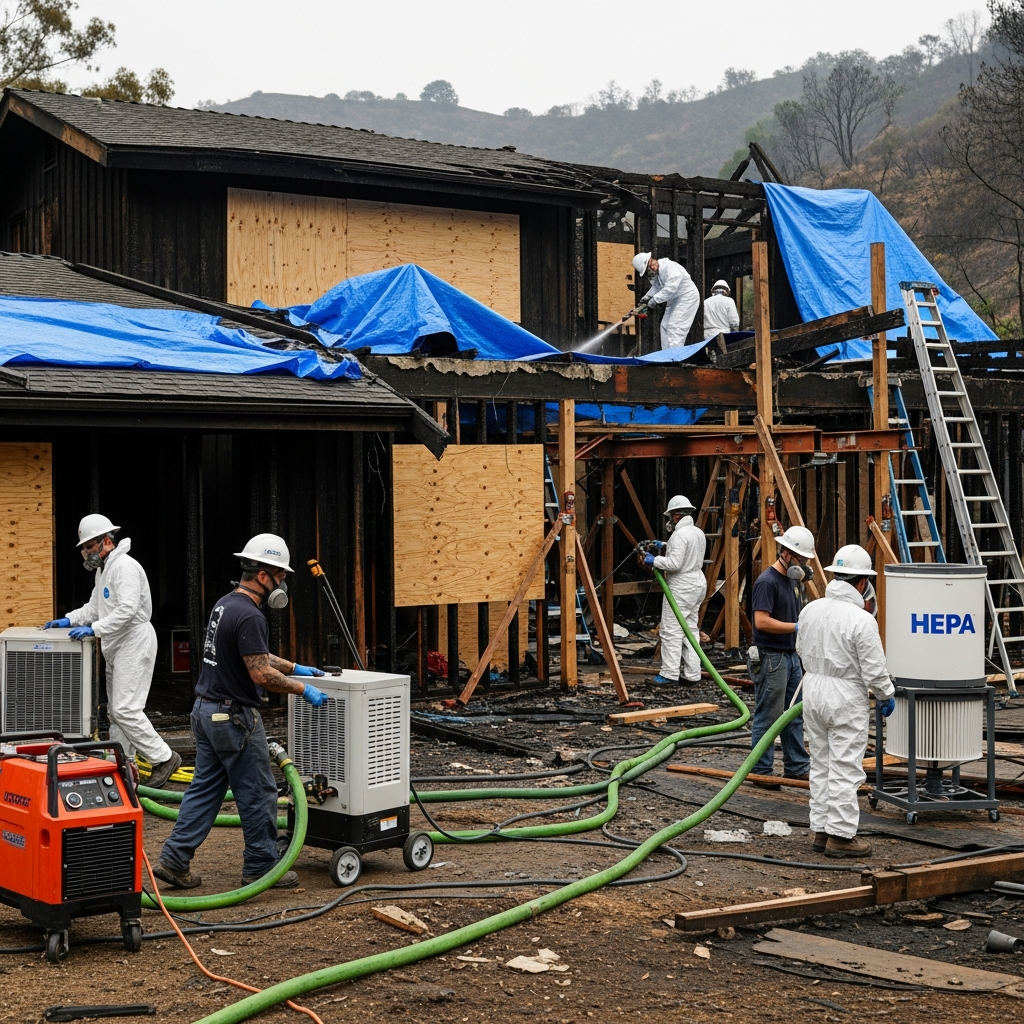
People often ask what makes restoration different from a deep clean. The answer is containment, sequence, and verification. We begin by stabilizing the environment: setting up negative air machines, choosing appropriate filters, and isolating clean rooms from dirty ones so we don’t chase our tail. Then we address dry soot first, removing it mechanically with HEPA vacuums and specialized sponges, before introducing wet cleaning where appropriate. That order matters; wetting soot too soon can smear it and lock it into porous surfaces. Odor control comes next, paired with ventilation strategies that accommodate coastal humidity. Finally, we verify with visual inspections and, when needed, particle or VOC testing to confirm the house is truly ready to live in comfortably again.
In the middle of the project, homeowners can feel the turning point. The moment the air smells neutral, the way morning sun looks crisp through cleaned windows, and the quiet satisfaction of running a hand across a once-smudged banister without picking up residue—those are tangible markers of progress. Those markers arrive faster and last longer when the team is equipped specifically for smoke damage restoration rather than general cleaning, because the chemistry, equipment, and sequencing are all tailored to the problem at hand.
Restoring Kitchens, Bedrooms, and Hidden Voids
Kitchens collect oily residues even on the calmest weeks, so after a smoke event they can become aromatic hotspots. Cabinet boxes can trap odor, and the cavity above upper cabinets can hide a surprising amount of soot. Bedrooms, by contrast, are often where sensitive fabrics live—draperies, bedding, and rugs that love to hold onto particles. We approach each of these with a specific eye: removing cabinet doors when needed, cleaning and sealing the tops of cabinets, laundering or treating fabrics with methods that neutralize odor without harsh residues, and addressing closets where the smallest lingering smell can remind you of the event at the worst time, like when you pack for a trip and discover a suitcase has absorbed it.
Then there are the hidden voids: attic spaces, chases for bathtub drains, recessed light cans, and even the undersides of stair treads in older homes. Smoke is opportunistic. It rides pressure differences from one level to another and lodges in places you would never imagine. By inspecting and, where appropriate, opening and sealing these paths, you remove reservoirs that would otherwise re-odorize living spaces when humidity spikes or heaters cycle on in the evening.
Community, Timing, and Cooperation
Another benefit of comprehensive restoration is how it simplifies coordination during stressful moments. Malibu’s narrow roads and gated drives make logistics as important as technique. An organized plan reduces the number of vehicles and visits, respects neighbors dealing with the same conditions, and gets your home back to normal faster. Timing matters too. The sooner we begin after smoke exposure, the less time residues have to etch and oxidize. But even if weeks have passed, careful methods can still reverse a surprising amount of damage and restore a sense of calm to your daily routines.
Frequently Asked Questions
How quickly should I start smoke damage restoration after exposure?
As soon as it is safe to access the property, beginning restoration provides the most benefit. Early action prevents etching on glass and metal, reduces the chance of odors setting into porous materials, and limits cross-contamination through your HVAC system. If access is delayed, a structured plan still recovers most surfaces, but expect more detailed work on windows, fixtures, and fabrics.
Will professional cleaning really remove the odor, or will it just cover it up?
When handled properly, odor abates because the residues that cause it are removed or neutralized, not disguised. If you still smell smoke after completion, it usually means a reservoir source remains, such as insulation, cabinet cavities, or HVAC components. A thorough inspection and targeted treatment of those areas solves the issue.
Is my HVAC system at risk after a smoke event?
Yes. Ductwork, filters, and mechanical components can collect soot and reintroduce particles into living spaces, especially when seasonal temperature changes prompt more use. Part of the benefit of professional restoration is coordinated HVAC cleaning and filtration upgrades to capture remaining contaminants and prevent re-circulation.
Can I handle smoke cleanup myself with standard household products?
Light surface dusting is fine, but comprehensive cleanup requires methods that avoid pushing soot deeper or causing chemical reactions that stain. Without HEPA filtration, negative air control, and the right cleaning sequence, DIY efforts often spread contamination. For prized surfaces and electronics, professional handling protects value and function.
How will I know when my home is truly clear and safe to occupy?
Beyond the noticeable absence of odor and visible soot, professionals verify with white-glove checks on horizontal surfaces, careful review of common reservoirs, and, when appropriate, air quality measurements. Clear documentation of the process and results provides confidence that your home is genuinely reset.
When the winds settle and you are ready to breathe easy at home again, reach out to a team that treats your house like a neighbor’s, works efficiently around Malibu’s rhythms, and delivers results that last. If you are thinking about next steps, consider a consultation focused on smoke damage restoration that respects your finishes, your routines, and the coastline we all share.