If you have lived in Malibu long enough, you know that fire recovery is not a single, predictable script. Each incident is shaped by wind, terrain, building materials, and the way smoke travels through spaces that blend indoors and outdoors. In recent years, the field of restoration has evolved rapidly, influenced by new technology, greater environmental awareness, and lessons learned from large wildfire events across the region. Homeowners now benefit from tools and methods that deliver more precision, less disruption, and stronger outcomes. Engaging experts in fire damage restoration in Malibu means tapping into these emerging trends at exactly the moment they can help most.
Trends are not about novelty for its own sake; they are about solving familiar problems more effectively. Malibu’s unique conditions—salt air, canyon winds, hillside access, and an eclectic mix of architectural styles—reward approaches that are adaptable and verifiable. The modern restoration playbook emphasizes measurement, documentation, and health-centered practices that return homes to their best condition while making the process easier to navigate.
Data-Driven Assessments
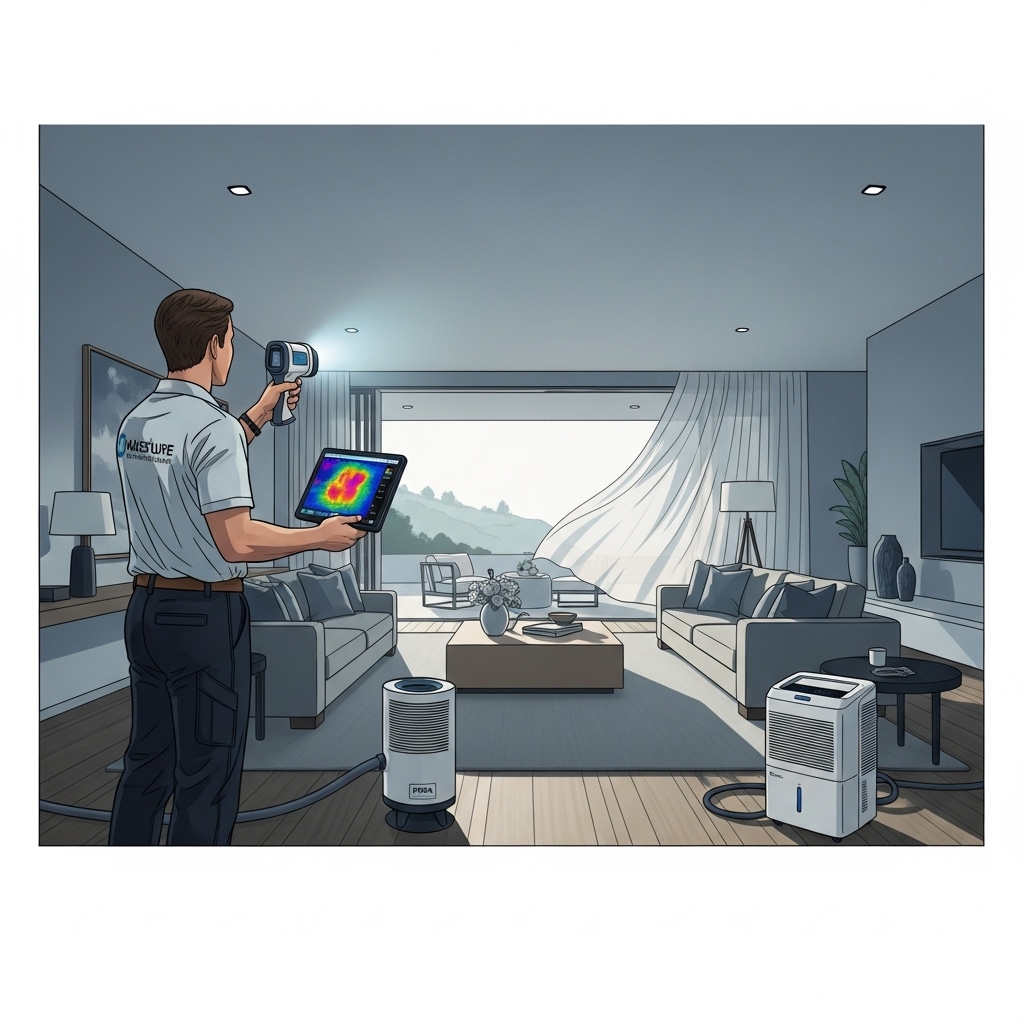
One of the most significant shifts is the reliance on measurable data during every phase. Moisture mapping with non-invasive meters and thermal imaging helps identify damp insulation, saturated subfloors, and hidden pockets of moisture left by firefighting efforts. Air quality instruments track particulate loads before, during, and after cleaning, proving that conditions have improved rather than leaving you to rely on your nose. This quantitative approach supports better decisions—for example, whether to remove or restore a material—and creates a clear record for insurance and future reference.
In Malibu, where microclimates swing from marine layer mornings to sunbaked afternoons, data also guides equipment settings. Dehumidification targets shift with temperature and relative humidity, and technicians can calibrate in real time. The result is faster drying, less material removal, and fewer surprises down the line.
Advanced Air Management
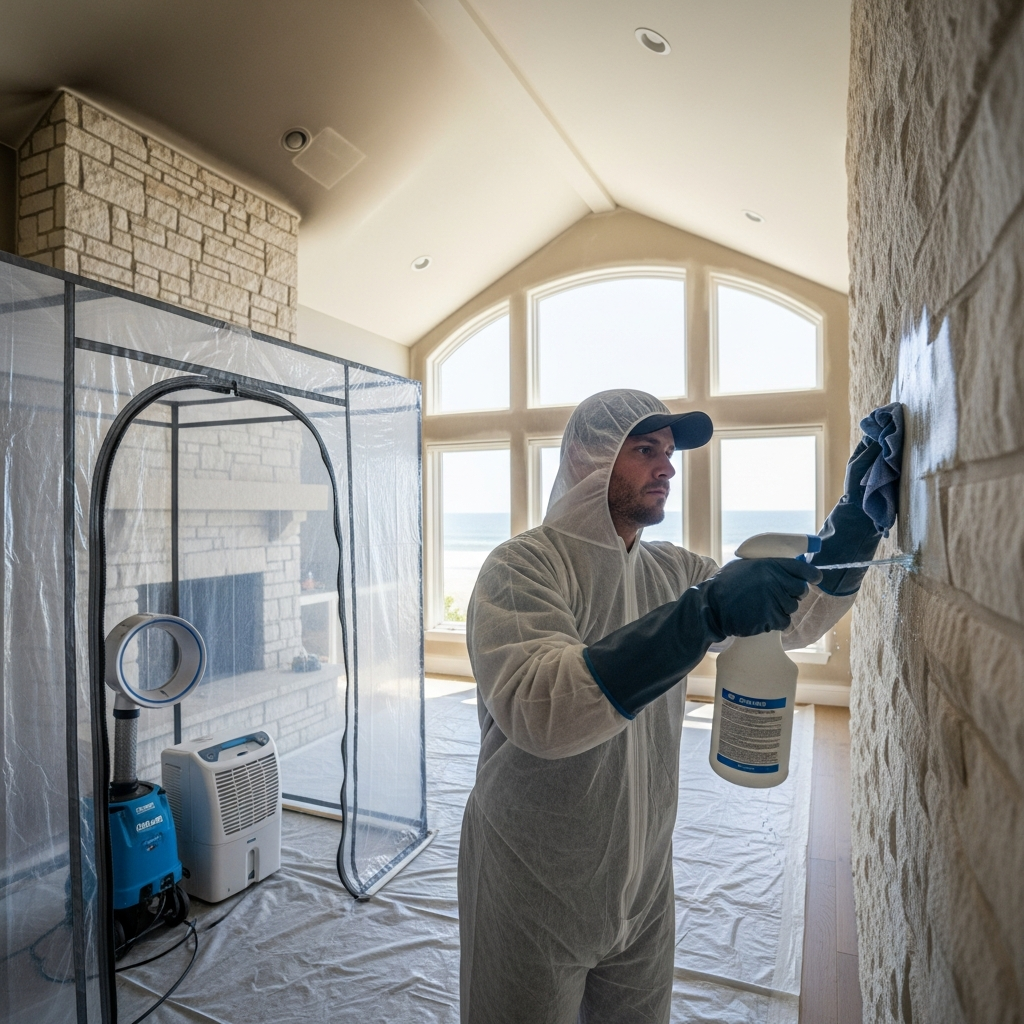
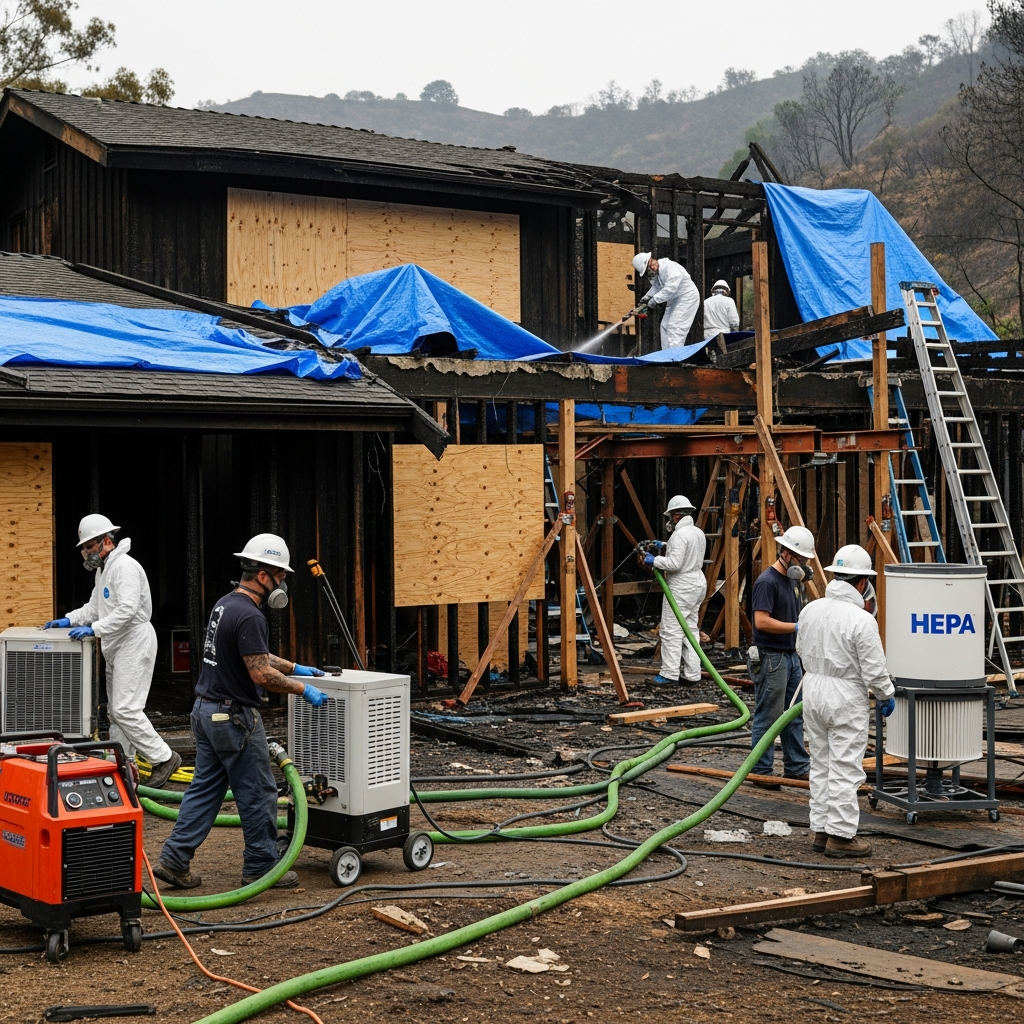
Airborne particles are the hidden challenge of fire cleanup. Emerging practice involves more robust engineering controls: negative air containment to prevent cross-contamination, HEPA air scrubbers with smart monitoring, and filtration strategies that account for how smoke behaves in high-ceiling rooms or open-plan designs. Some teams integrate real-time particulate sensors so homeowners can see progress on a dashboard, transforming an invisible process into something tangible and reassuring.
These practices matter in homes that open to patios and decks, where breezes can help or hinder. Proper containment ensures that when doors roll open to the ocean, contaminants are not simply traded from one room to the next. When the job is complete, clearance readings confirm the air you breathe is genuinely cleaner.
Targeted Odor Neutralization
Odor control has grown more sophisticated. Instead of relying on heavy fragrances or one-size-fits-all treatments, modern protocols pair residue identification with specific neutralization methods. Hydroxyl technology, refined ozone strategies in controlled conditions, and plant-based neutralizers are used thoughtfully and verified with follow-up readings. The trend is toward source removal first, then targeted neutralization that avoids over-treating areas that do not need it.
Just as important is HVAC strategy. Duct cleaning now often includes coil and cabinet attention, filter upgrades, and resealing of penetrations. This detail keeps residual odor sources from reintroducing themselves during the first heat wave of summer or a cool, damp winter morning.
Selective Demolition and Material Preservation
Another emerging trend is surgical removal instead of wholesale demolition. With better diagnostics, restoration pros can preserve more finishes and assemblies. For example, instead of removing an entire wall, technicians may remove baseboards, ventilate cavities, and dry from strategic access points. Not only is this less disruptive, it is more sustainable and frequently faster because it reduces downstream reconstruction. In Malibu’s custom homes, saving hand-finished components and hard-to-match materials is a major win.
Health-Focused Cleaning Protocols
Cleaning has always been central to restoration, but the mindset has shifted toward health outcomes. HEPA vacuuming, wet cleaning with residue-specific detergents, and clearances based on particulate levels all contribute to indoor environments that feel as good as they look. Increasingly, restoration plans address sensitive occupants with fragrance-free options and phased re-occupancy, so families can return to part of the home sooner without compromising safety.
Eco-Conscious Methods and Materials
Environmental stewardship is a growing priority. Newer cleaning agents balance efficacy with lower toxicity, and waste handling protocols ensure contaminated debris is sorted and disposed of responsibly. Drying strategies also emphasize energy efficiency—using the right amount of equipment for the conditions, not simply maxing out machines. These choices align with Malibu’s broader ethos of caring for land and sea, and they complement homeowners’ preferences for sustainable practices.
Digital Documentation and Transparency
Documentation has gone digital. Cloud-based project logs, photo timelines, and shared moisture maps make it easy for homeowners, adjusters, and contractors to stay aligned. You no longer have to wonder what happened yesterday or whether readings are trending the right way; the information is there, updated in real time. This transparency reduces stress and keeps decisions grounded in facts rather than assumptions.
Integration with Resilience Upgrades
Restoration is increasingly linked with resilience improvements. As materials are repaired or replaced, homeowners are adopting ember-resistant vents, ignition-resistant siding, and Class A roofing products. Attic insulation upgrades often incorporate tighter air sealing, which not only improves energy performance but also limits smoke migration if a future event occurs. This integration recognizes that recovery and preparedness can go hand in hand, saving time and disruption later.
Smart Home Synergy
Modern restoration teams are comfortable working alongside smart home systems. They protect sensors and wiring during demolition, restore network equipment thoughtfully, and sometimes leverage existing environmental sensors to monitor conditions during drying. The trend is collaborative: using the home’s technology to inform the process and returning those systems to full function as part of the final handoff.
Streamlined Permitting and Local Coordination
Another practical trend is better coordination with local requirements. In Malibu, coastal considerations and hillside access mean staging and permitting can be complicated. Restoration providers now plan for these constraints from the outset, arranging debris removal responsibly and communicating with neighbors to minimize impact. The smoother the logistics, the faster life returns to normal.
What These Trends Mean for You
For homeowners, the impact is direct: less demolition, clearer communication, and healthier spaces. Fast, data-backed decisions preserve more of your home’s character, reduce downtime, and protect your investment. And because these practices are verifiable, you can be confident the results will hold up long after the crews are gone.
Choosing a Team That Embraces Progress
Not every provider follows the same playbook. When selecting help, ask how air quality is verified, what documentation you will receive, and how odor sources are identified and eliminated. Explore whether they integrate resilience upgrades where appropriate. If you prefer a modern, measured approach, look for specialists who focus on fire damage restoration in Malibu. Their familiarity with local challenges and emerging methods translates into a smoother, more dependable recovery.
The Human Benefit Behind the Technology
Behind every tool and protocol is a simple goal: to give you your home back sooner and in better condition. When cleaning is thorough, air is verified clean, and materials are preserved, you can settle into daily routines without the nagging worry that something was missed. Technology is not the star; your peace of mind is. The trends that matter most are the ones you feel as comfort, confidence, and calm.
Frequently Asked Questions
How do new technologies change the timeline of restoration?
Better diagnostics speed up decisions and reduce unnecessary demolition, which often shortens overall timelines. Real-time monitoring also helps teams fine-tune drying and deodorization more efficiently.
Are eco-friendly cleaning agents as effective as traditional ones?
Yes, when matched correctly to the residue. Modern, lower-toxicity products can be highly effective and are often supported by mechanical removal methods like HEPA vacuuming and careful rinsing.
Will digital documentation help with my insurance claim?
Detailed, shared documentation strengthens claims by aligning everyone around the same verified facts. Photos, readings, and logs reduce disputes and make approvals faster.
Can selective demolition really save money and time?
In many cases, yes. Preserving unaffected materials reduces reconstruction scope and maintains design continuity, which can shorten project duration and minimize disruption.
Do I need resilience upgrades during restoration?
They are not mandatory, but it is efficient to incorporate them when assemblies are already open. Upgrades like ember-resistant vents can increase safety and may improve comfort year-round.
What about odors that return on hot days?
With proper source removal and targeted neutralization, recurring odors are far less likely. Verification through air quality metrics provides added assurance that the odor has been truly resolved.
Ready to Move Forward with Confidence
If you want a recovery process that is cleaner, clearer, and more resilient, partner with a team that embraces the latest methods. Start by speaking with specialists in fire damage restoration in Malibu and take the next step toward a healthier home and a faster return to normal life.