When water intrudes in a Malibu home, the first priority is always safety and stabilization—stopping the source, protecting your family, and beginning the drying process. Soon after, a practical question arises: what should you expect as restoration unfolds, and how do professionals structure the work so that scope and budget stay transparent from start to finish? While every home and every incident is unique, there are consistent themes in Malibu that shape how restoration is planned, documented, and communicated. Rather than focusing on numbers, it is more helpful to understand the drivers behind them and what a clear, comprehensive plan for water damage restoration looks like in our coastal environment.
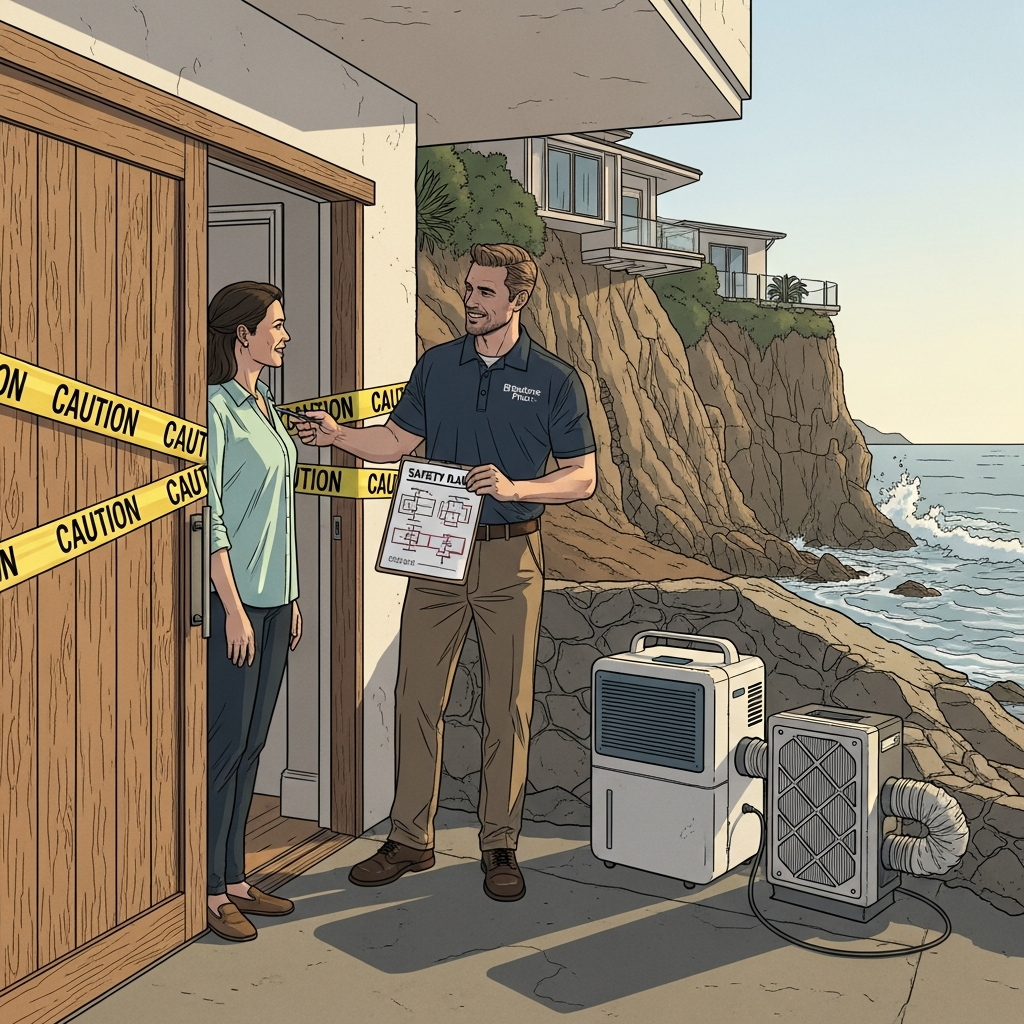
Think of the process in stages: emergency response, controlled drying, verification, and transition to repairs. At each stage, the factors that influence effort and timeline become clearer. The source and category of water set the initial tone. Clean water from a supply line break behaves differently than storm-driven intrusion or water that has crossed soil and landscaping. Materials also matter. Plaster over lath, hardwoods, and custom cabinetry require more nuanced approaches than commodity drywall or laminate. Access can add complexity too—tight canyon roads, steep drives, and limited parking near the beach shape crew size and equipment choices.
What Shapes the Scope of Work
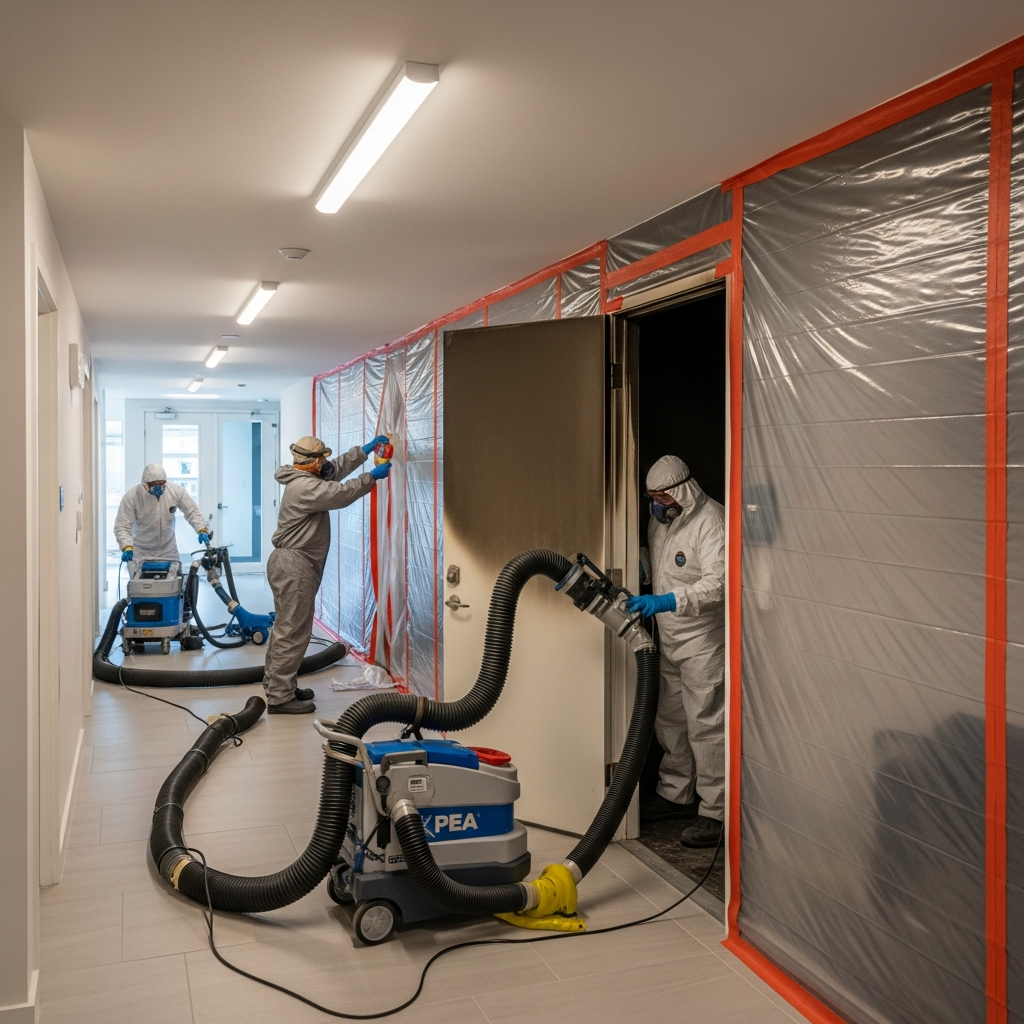
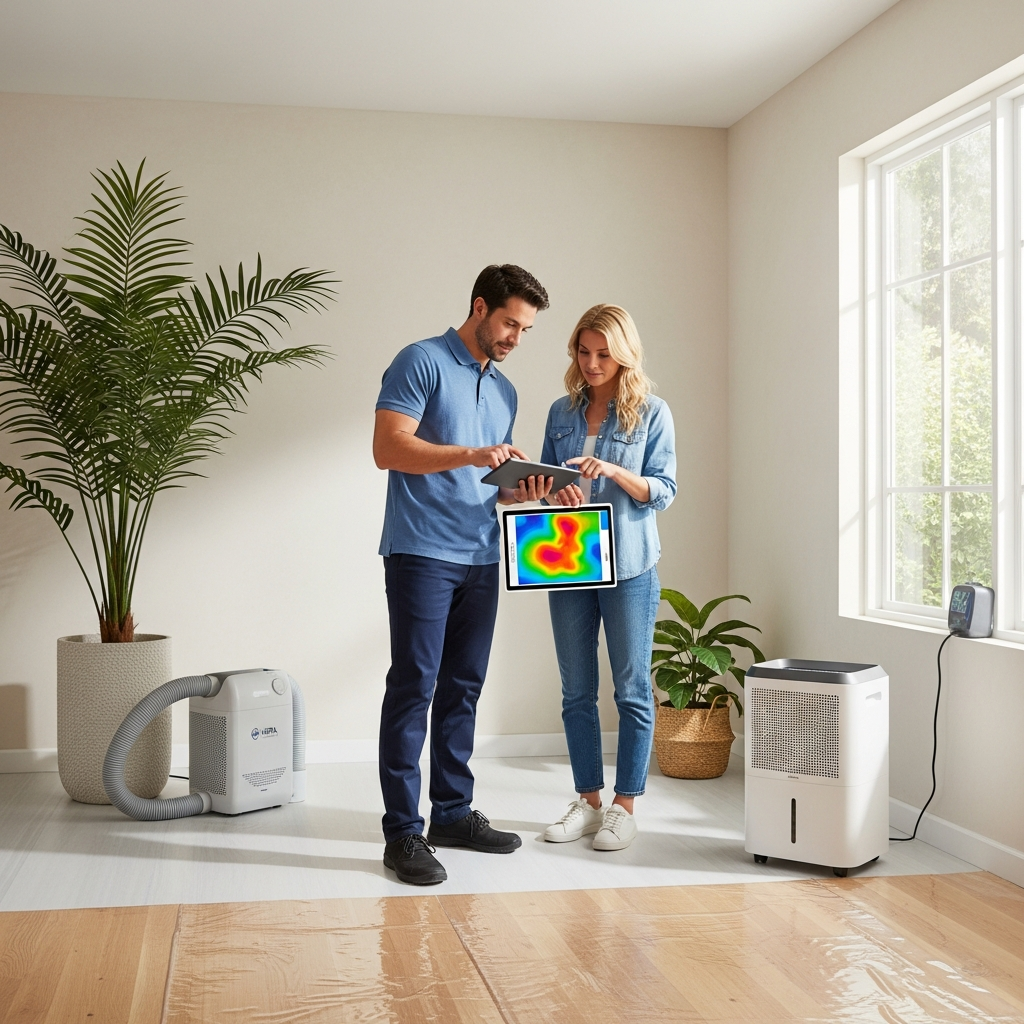
Scope emerges from facts on the ground. During the first visit, technicians document affected rooms, assemblies, and finishes, gathering moisture readings and photographs. That information builds a clear map of what needs to happen and why. The more thoroughly this is done, the fewer surprises later. In Malibu homes, common scope elements include extraction, selective removal of saturated insulation and baseboards, drying of cavities through weep holes or flood cuts, tenting of hardwood floors, operation of dehumidification and HEPA filtration, and daily monitoring with adjustments based on results. Contents handling shows up early as well, particularly for artwork, textiles, and electronics that need prompt attention.
Contamination is another driver. Water that has crossed soil or hardscape carries particulates and organic matter that demand enhanced cleaning before drying proceeds at full speed. If rooms have been wet long enough for microbial growth to begin, containment and filtration strategies expand to protect indoor air quality while necessary removal occurs. Malibu’s coastal humidity adds a final twist, sometimes nudging teams toward different dehumidification technologies and more refined containment to maintain effective conditions.
Documentation and Transparency
Clear documentation is the backbone of a transparent project. You should expect initial condition photos, moisture maps, and a written plan that explains the approach in straightforward language. As work proceeds, daily notes and updated readings confirm progress. When decisions change—opening an additional wall cavity, for example—the reasons should be logged and shared. This paper trail is not just for insurers; it is your roadmap to understanding how the project evolves and where effort is being invested.
Many Malibu homeowners involve insurance at some point. A good restoration partner translates technical details into the format adjusters expect while advocating for the work necessary to return your home to a healthy, pre-loss condition. They will explain what falls under emergency mitigation, what transitions to repairs, and how coordination between the two avoids gaps or redundancies.
Expectations Around Timeline
Timelines are tied to materials, ambient conditions, and the initial extent of damage. Swift extraction followed by well-managed drying often stabilizes a home within a few days. Specialized materials and assemblies may require longer periods under equipment with close monitoring to avoid over-drying or secondary damage. Verification visits confirm that target moisture levels are reached and sustained before equipment is removed. Planning for repairs begins as soon as conditions allow, so there is no idle period once drying concludes.
In coastal Malibu, the calendar occasionally bends around weather and access. High tides, fog, and PCH traffic can shape scheduling, and experienced teams plan for these variables without letting them derail progress. Communication is the constant: you should always know what is happening today, what is planned for tomorrow, and how that aligns with your family’s routines.
How Professionals Build Estimates
Estimates are built from line items that mirror the scope: setup and protection, extraction, removal where needed, drying equipment and monitoring, cleaning and filtration, and documentation. Contents handling may appear as its own section. Each line tells part of the story, from how many containment barriers are expected to how many days of dehumidification make sense given the materials and ambient conditions. When the picture changes—for example, when opening a wall reveals unexpected saturation behind built-ins—a supplemental line explains the discovery and the added work it requires.
For Malibu’s varied home styles, estimates also consider protection of finishes. That means time for floor and stair protection, careful removal and reinstallation of baseboards or trim, and coordination with specialists for stone or millwork where needed. These are not extras; they are core to returning a home to its pre-loss appearance and function.
Managing Uncertainty Without Drama
Water damage projects often begin with incomplete information. Moisture hides in cavities, and readings evolve as drying progresses. The right team embraces this reality with a plan that includes checkpoints. Mid-project reviews compare current conditions to the initial map, allowing estimates and schedules to be refined based on facts, not guesses. You should be part of those conversations, with options presented clearly so you can weigh speed, preservation of finishes, and the sequencing of repairs.
Because Malibu homes commonly feature high-value finishes and unique builds, a conservative approach to demolition is typical at first. As data accumulates, the plan pivots if needed. This measured path keeps surprises from becoming setbacks and helps align expectations among you, your restorer, and your insurer.
Insurance Collaboration and Your Role
Good collaboration starts with candor. Share what you know about the home’s history—past leaks, remodels, or areas where access is tricky. Provide any documents you have, such as as-built plans or past inspection reports. This context helps your restoration team spot patterns and anticipate challenges, improving both the estimate and the outcome. Your role also includes quick decisions when choices arise, like prioritizing certain rooms or contents, which keeps momentum and prevents avoidable delays.
On the administrative side, your team should furnish timely reports curated for adjusters without burying you in jargon. Think one-page summaries backed by detailed logs available on request. When everyone has the information they need, approvals happen faster and work stays focused on what matters—drying the home thoroughly and preparing for seamless repairs.
Preparing for Repairs and Resilience
As mitigation wraps up, the conversation shifts to making your home whole and possibly stronger. Repair scopes outline drywall, paint, flooring refinishing, cabinetry adjustments, and any specialty trades. Where resilience upgrades make sense—smarter leak detection, improved flashing, or subtle changes to door thresholds—they can be incorporated at this stage for minimal disruption. Sequencing matters: finishing trades follow once dry standards are verified, and contents return to protect them from dust and dings.
For homeowners who travel or manage multiple properties, scheduling can be synchronized with your calendar. Walkthroughs can happen in person or virtually, and punch lists are kept short by keeping quality control front and center throughout.
What “Value” Looks Like Without Quoting Numbers
Value in restoration is not the lowest figure on a page; it is the combination of protection, preservation, clarity, and pace. Protection means safeguarding health with sound containment and filtration. Preservation means saving materials and finishes where it is wise, avoiding unnecessary demolition. Clarity shows up in documentation and communication that allow smart decisions. Pace is the steady progress that avoids both rushing into mistakes and lingering without purpose. When you evaluate proposals through this lens, the right choice often becomes obvious.
Midway through many projects, homeowners appreciate a simple recap: what has been accomplished, what remains, and what might change. This is an excellent juncture to reconfirm that your water damage restoration priorities are being met, that contents are being handled to your standards, and that the repair plan reflects any design preferences you have firmed up since work began.
Frequently Asked Questions
How are estimates created without seeing inside walls?
Initial estimates rely on visible evidence, moisture readings, and experience with similar assemblies. They include allowances for common discoveries. As drying reveals the full picture, updates refine the scope so the plan stays aligned with reality.
Why do equipment days vary so much between projects?
Material type, initial saturation, ambient humidity, and temperature all influence how fast assemblies release moisture. Equipment is not a fixed recipe; it is tuned daily to conditions to achieve target moisture levels efficiently and safely.
Can I prioritize certain rooms to finish first?
Absolutely. With careful containment and sequencing, living spaces can often be turned over in phases so daily routines resume sooner. Share your priorities early so the plan reflects them from the start.
What documentation will I receive?
Expect condition photos, moisture logs, daily progress notes, and a final verification report confirming dry standards. These materials support insurance needs and give you a clear record for your files.
How do resilience upgrades fit into the plan?
Upgrades are easiest to integrate during repairs, once drying is verified. Your team can propose options—from leak detection to improved flashing—that align with your home’s design and your appetite for future risk reduction.
Ready to Move From Questions to Confidence?
If you want a clear, well-documented path from emergency to full restoration, partner with a local team that treats your home and time with respect. Begin the conversation today and set the bar high for communication, craftsmanship, and steady progress with trusted water damage restoration designed for Malibu homes.