Life in a Malibu condominium combines panoramic views with shared walls, stacked plumbing, and building rules that add layers to any restoration project. When water appears—whether from a neighbor’s supply line, a wind-driven rain event at an oceanfront slider, or a slow leak beneath a laundry in a stacked unit—the path back to normal requires coordination as much as craftsmanship. The most successful condo projects move quickly to stabilize conditions, communicate clearly with building management and neighbors, and protect finishes that are as individual as the owners themselves. Many residents begin by calling local experts in water damage restoration who are comfortable working within HOA guidelines and the unique rhythms of Malibu’s coastal buildings.
Condominium construction concentrates utilities. Vertical risers carry water and waste through stacked units; chase spaces hide essential lines behind finishes; and mechanical rooms, often tucked into compact areas, are the hearts of the system. When something goes wrong, effects can cascade from one floor to the next. A visible stain in your ceiling may trace back to a unit two levels above, and the best teams know how to trace that path without opening more than necessary. Thermal imaging, non-invasive moisture meters, and focused inspection points allow accurate mapping so demolition can be surgical and respectful.
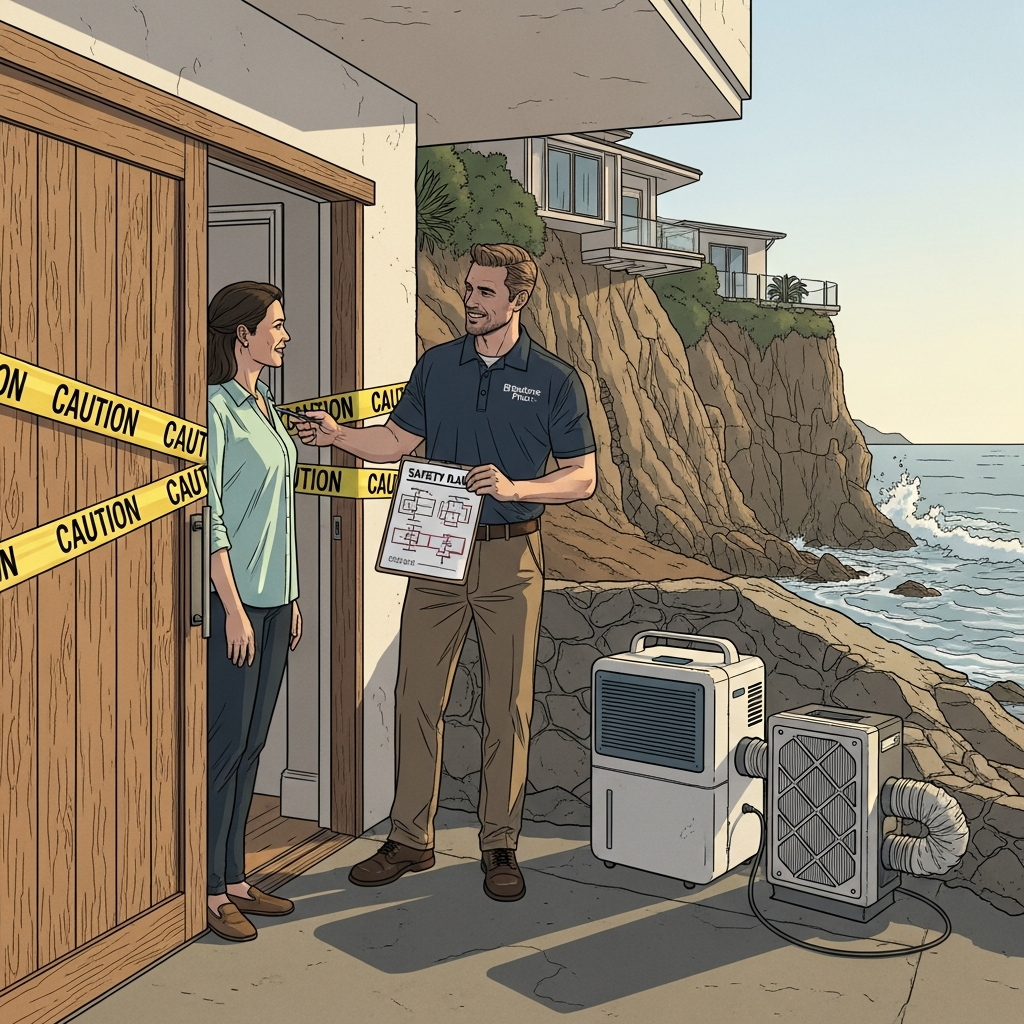
HOA rules shape the playbook. Work hours, noise limitations, access routes, parking, and elevator use all influence how crews stage and sequence tasks. Seasoned condo restoration professionals plan around these realities, protecting common areas with floor coverings and corner guards, and coordinating schedules so equipment moves cause minimal disruption. When spaces are tight, they choose low-profile air movers and carefully balance airflow to keep drying effective without creating drafts in hallways or neighboring units.
Stabilize, then communicate
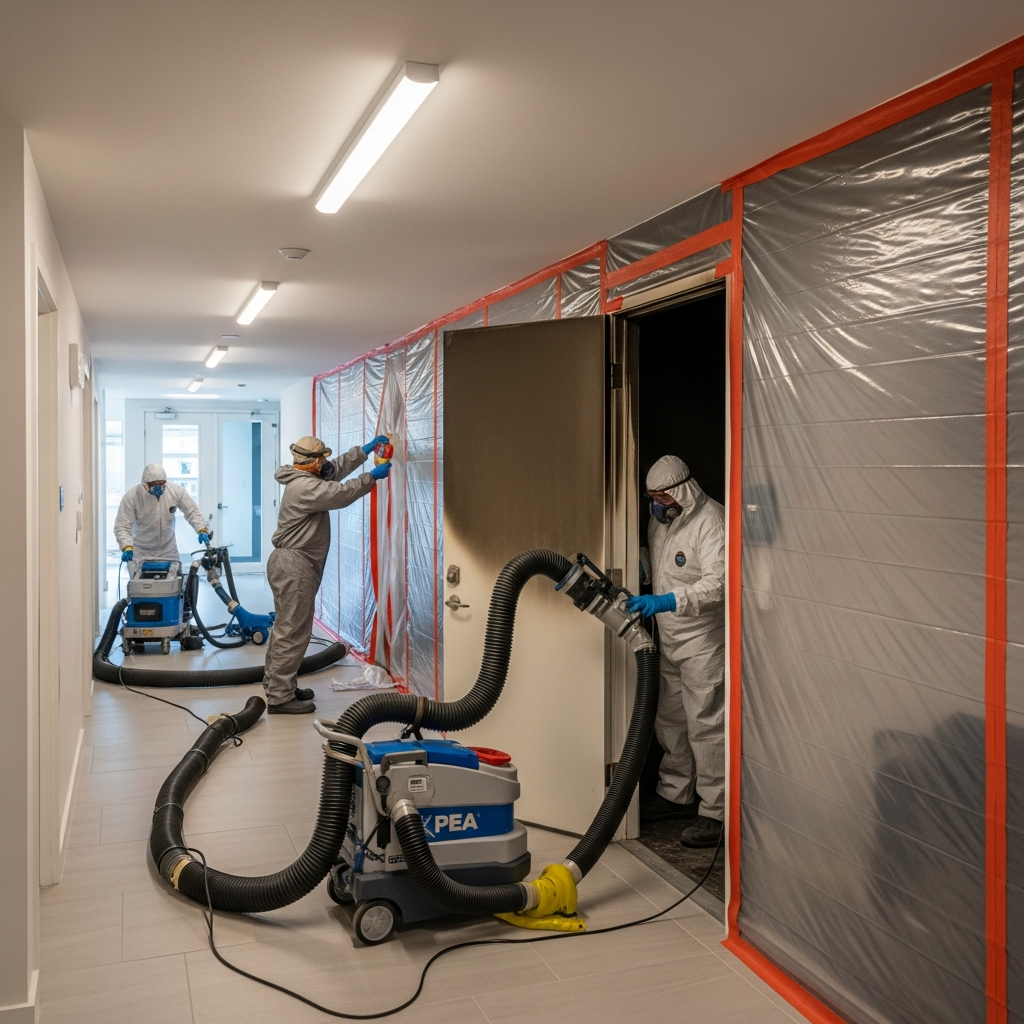
Stopping the source and establishing containment come first. In condo settings, containment is as much about courtesy as it is about science. Zoning separates the work from living areas, controls dust, and prevents odors from traveling to shared corridors. Negative pressure helps ensure that air only moves inward toward the work zone, safeguarding neighbors while allowing your household to function. Once the environment is stable, clear updates can go to the HOA and any affected neighbors, building trust and preventing confusion about timelines and responsibilities.
Documentation is the thread that ties it together. Photos, moisture readings, and notes support approvals and clarify what belongs to the unit owner versus the association. Malibu condominiums often feature high-end finishes—stone counters, custom cabinetry, and wide-plank floors—that deserve both protection and precise replication. Early cataloging of materials and patterns ensures that repairs, when they come, feel like restoration rather than replacement.
Coastal realities inside a shared building
Oceanfront condos see a specific set of intrusions. Wind-driven rain can find its way through door assemblies or along thresholds exposed to spray. Salt air accelerates corrosion in fasteners and frames, which can contribute to leaks that only show themselves during strong storms. Inland, canyon-facing buildings may deal with temperature swings that challenge ventilation and create condensation in certain mechanical areas. Local teams anticipate these behaviors and adjust drying strategies to match ambient conditions, often favoring controlled microclimates inside containment over open-air ventilation.
Shared walls and floors complicate moisture migration. Water can travel under base plates and through underlayment, popping up where you least expect it. A careful approach uses access holes at baseboards or under toe-kicks to introduce dry air into cavities, avoiding broad cuts wherever possible. When finishes must be removed, cuts land at logical transitions so the final repair blends seamlessly.
Mold concerns in multi-unit properties
Time frames lengthen when multiple parties are involved, which can allow dampness to persist longer than ideal. That reality makes mold prevention and remediation an essential part of condo restoration. Establishing containment early protects neighbors, while HEPA filtration captures particulates in the work zone. If growth is discovered, teams integrate cleaning and removal with ongoing drying, always communicating scope to the HOA and adjacent units so expectations remain aligned.
Because shared systems are involved, returning to dry standards is a building-level goal, not just a unit-level one. Moisture readings from neighboring units or common areas help confirm that water did not migrate beyond the initial footprint. This broader perspective prevents surprises later and demonstrates diligence to the community.
Respect for finishes and daily life
Condo living concentrates life into elegant spaces. Protecting those spaces begins with small choices—pads under equipment, secured cord runs, and quiet operation during rest hours. In kitchens and baths where storage is tight, thoughtful pack-out keeps essentials accessible. In living areas where wide glass brings the ocean inside, crews shield frames and tracks as they work so that drying does not introduce abrasion or wear.
Repairs in condos benefit from precision. Matching a cabinet door profile or a stain formula means documenting it on day one. Coordinating with building-approved contractors keeps momentum and ensures that when the last piece of baseboard returns, it looks as though it never left. The outcome should feel like continuity, not patchwork.
Frequently asked questions
Who is responsible for damage in a condo—me or the HOA?
Responsibility depends on governing documents and the source of water. Generally, owners handle their own interiors while the association manages common elements, but specific scenarios vary. Clear documentation and early communication help everyone understand their roles.
Can restoration happen while I stay in the unit?
Often yes. With well-designed containment and thoughtful scheduling, many owners remain at home. Your team will advise based on air quality, noise, and the areas affected.
How do you prevent issues from spreading to neighboring units?
Containment and negative pressure inside the work zone, combined with quick stabilization and monitoring of adjacent spaces, keep problems from traveling. If moisture is detected next door, the team coordinates with that owner and the HOA to address it quickly.
What if the source of water is above or below my unit?
Technicians trace the path vertically using inspection points and readings, minimizing openings while ensuring nothing is missed. Coordination with neighbors and management is key to accessing spaces and solving the issue efficiently.
Will my finishes match after repairs?
They should, when documented and handled correctly. Early photos, pattern mapping, and sample saves allow rebuilding that blends with existing work, preserving the design continuity you love.
How quickly should I notify my HOA and neighbors?
Immediately. Early notice speeds access approvals, reduces misunderstandings, and protects adjacent units. Many associations also have preferred communication channels that help streamline coordination.
When water or mold complicates life in your Malibu condo, you deserve a process that is swift, considerate, and exact. Choose a team that understands HOA coordination, respects your neighbors, and treats your finishes with care. If you need help now, connect with local experts in water damage restoration who can guide you from first call to final handoff with the discretion condo living demands.