When you live in Malibu, you learn that sunshine and sea air come with their own set of home maintenance surprises. From sudden winter storms rolling in off the Pacific to pinhole leaks that go unnoticed behind handsome plaster finishes, moisture can find its way into even the most carefully maintained properties. That is why choosing the right partner for water damage restoration is as much about local knowledge as it is about technical skill. As a long-time Malibu neighbor who has watched the tides rise at Broad Beach and the fog creep through the canyons on late summer nights, I can tell you that picking a restoration company here is about fit, trust, and an understanding of how coastal living shapes every decision, from the first moisture reading to the final coat of fresh paint.
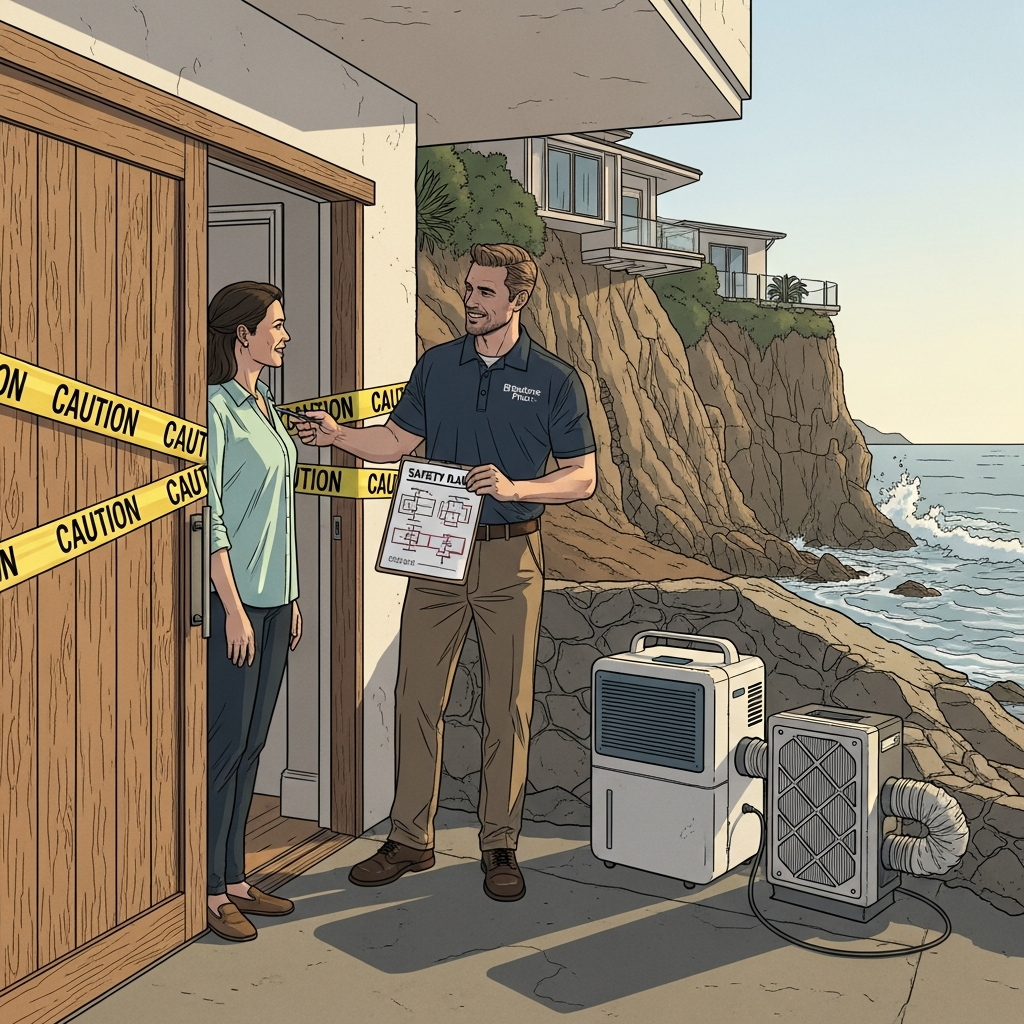
Before you dive into names and numbers, it helps to understand what makes Malibu different. The coastal microclimate means elevated humidity even on blue-sky days, and salt-laden breezes accelerate corrosion on fasteners and mechanical systems. Homes are tucked into hillsides, suspended above the sand on pilings, or set behind privacy gates off winding canyon drives. All of that affects access, equipment choices, and drying strategies. A company that restores homes inland might be excellent, but here they must integrate those strengths with the realities of Pacific Coast Highway traffic, tide schedules, and HOA or city requirements that can influence when and how crews set up drying equipment or containment barriers.
Begin With Credentials, But Look Beyond the Basics
Certifications and training are your foundation. You want a team that adheres to nationally recognized standards for water mitigation and structural drying, and who follows protocols designed to protect your family’s health. Credentials reflect a commitment to best practices, but the real test is how those standards are applied in the field. Ask how a company tests for hidden moisture in plaster over lath, a common Malibu construction detail that behaves differently than modern drywall. Inquire about their approach to hardwood floors when ocean humidity complicates cupping and crowning. Skilled technicians will explain why they choose desiccant or refrigerant dehumidifiers, how they balance air movement with controlled drying to protect finishes, and what steps they take to prevent secondary damage like mold growth.
Equally important is documentation. In Malibu, where many properties have high-end finishes and custom work, you want precise moisture maps, detailed photos, and clear daily notes. Insurers often ask for evidence-based decision making, and you will appreciate having a record you can reference later. A trustworthy firm welcomes these questions and outlines how they will track every step of the job, from initial extraction to final verification that materials have returned to target moisture levels.
Local Knowledge Makes a Tangible Difference
There is a rhythm to how restoration unfolds here. On stormy days when swells are up and tides run high, crews may time deliveries around PCH closures or beach access restrictions. In neighborhoods like Point Dume or along Malibu Road, parking for large trucks can be limited, and coordinating with neighbors matters. Hillside homes in Latigo and Corral Canyon often have steep driveways that require smaller, more agile equipment. A company that works in Malibu regularly will bring the right mix of pumps, vacuums, and drying gear to match those constraints without delaying progress.
Then there are the design details that are second nature to local teams. Many older homes combine stucco, plaster, and hand-troweled finishes with custom millwork and imported stone. Newer properties might blend steel and glass with engineered hardwoods and low-perm membranes. Each material has its own drying profile. An experienced Malibu restorer can tell you when to remove baseboards to relieve pressure, when to create a flood cut to ventilate a wall cavity, and when to leave assemblies intact and dry them in place under negative pressure. That judgement protects the character of your home and means fewer surprises during reconstruction.
Rapid Response Balanced With Thoughtful Planning
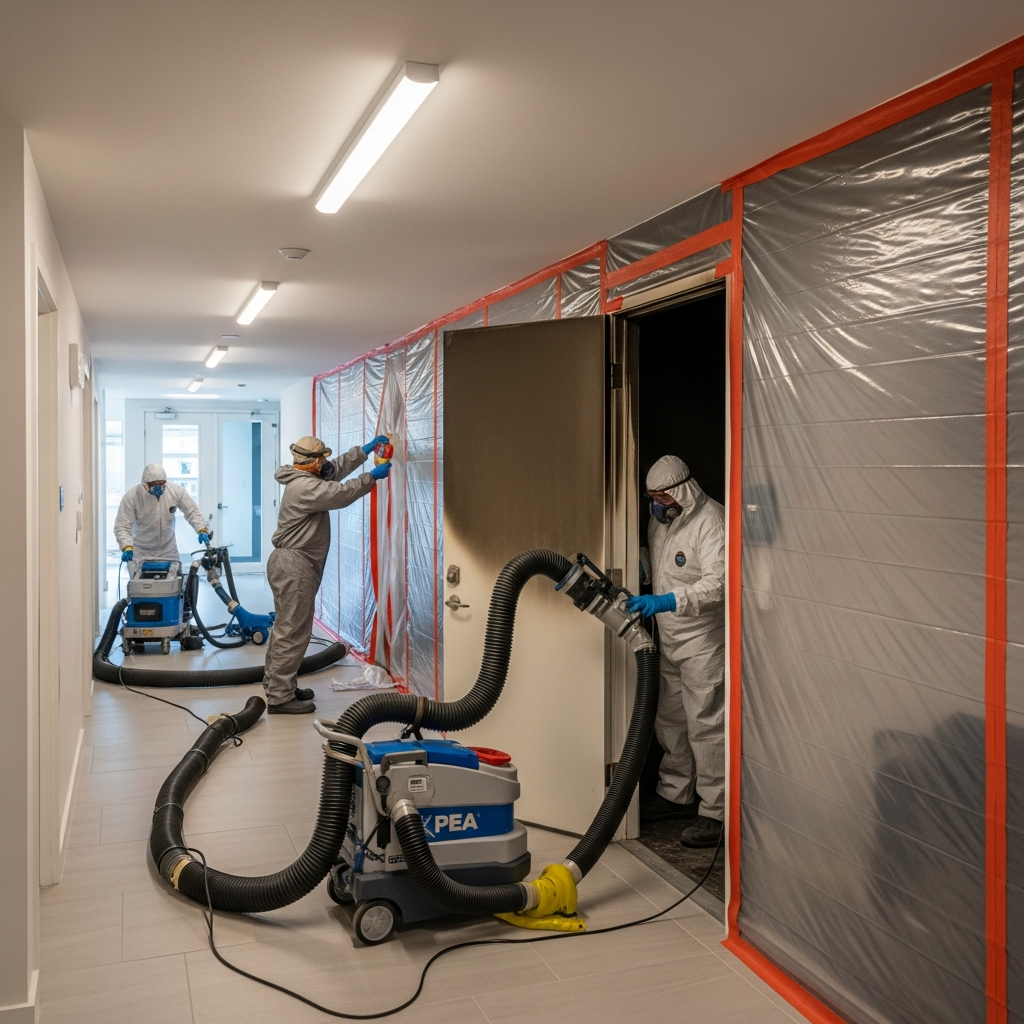
Speed matters, but so does sequencing. The best restoration teams arrive quickly, isolate hazards, and stabilize the loss without rushing into unnecessary demolition. They shut down affected circuits if there is electrical risk, set up containment to keep unaffected rooms clean, and immediately begin extraction and dehumidification. But they also pause long enough to understand the water source, the path moisture has taken, and the materials involved. That thoughtful approach minimizes disruption while protecting the health of your household.
Communication is part of that speed. You should know who your point of contact is, what is happening next, and why. Clear expectations—when technicians will arrive, what noise to expect, how to secure pets, and who will manage keys or gate codes—go a long way toward reducing stress. Look for a company that sets this tone from the first call and keeps it up until the final walkthrough.
Health, Safety, and Indoor Air Quality
In the wake of water damage, air quality can change quickly. Fine aerosols from forced-air systems, microbial amplification in damp cavities, and dust from necessary demolition can challenge even healthy occupants, and they are particularly concerning for anyone with sensitivities. A diligent restorer deploys HEPA air filtration, uses antimicrobial measures appropriately, and avoids over-application of chemicals that can create their own indoor air concerns. They will also recommend when to bring in hygienists for independent testing if conditions suggest it, and they will coordinate to integrate clearance criteria into the drying plan.
Do not be shy about asking how a team protects belongings as well. Contents handling can range from careful in-place cleaning to a full pack-out for secure storage and restoration. In Malibu, where artwork, musical instruments, and one-of-a-kind furnishings are common, you want a partner who understands climate-controlled storage, soft-goods decontamination where needed, and meticulous inventory systems.
Technology, Tools, and When They Matter Most
Thermal imaging cameras, pin and pinless moisture meters, borescopes, and remote monitoring sensors each have a role. Used together, they build a picture of what you cannot see. A qualified company will show you what the instruments reveal and explain their plan in plain language. If your home has radiant floor heat, for example, mapping those loops before intrusive work protects systems and prevents costly mishaps. In coastal zones, where subterranean water tables can rise after heavy rains, slab-on-grade homes may show elevated readings that need interpretation rather than immediate demolition. Skilled technicians separate signal from noise and choose the least invasive route that still achieves full drying.
Halfway through many projects, homeowners ask how progress is measured. This is a good moment for another check-in about goals and expectations. A professional will share updated moisture logs and let you know if the strategy needs adjusting. It is also a natural place to revisit priorities around schedule, finishes, and how to coordinate with any upcoming trades. That midpoint is also an ideal time to confirm the progress of water damage restoration with fresh photos and a simple summary you can pass to your insurer or property manager.
Insurance Coordination Without the Headache
Most Malibu homeowners will involve insurance at some stage. A restoration company that understands how to speak with adjusters and third-party administrators can be invaluable. The administrative side should never overshadow the work itself, but it should support it by providing timely reports, clear scopes, and appropriate documentation. Ask how the company handles supplements if new damage is discovered, how they communicate changes, and how they keep you in the loop. That collaboration prevents delays and ensures mitigation stays aligned with coverage requirements.
There is also the matter of code upgrades and local compliance. Malibu’s planning environment can be complex, and while mitigation typically falls under emergency work, reconstruction may trigger reviews. A company with established relationships and a practical understanding of what the city expects will help you navigate the transition from drying to rebuild without losing momentum.
Respect for Homes, Schedules, and Privacy
Restoration happens where you live. Crews should arrive in clean uniforms, protect flooring and pathways, and treat your home like the sanctuary it is. In gated communities and along narrow drives, that professionalism includes simple courtesies like parking thoughtfully and keeping noise to a minimum during early and late hours. If you work from home or have young children or pets, your restorer should collaborate with you on scheduling, set clear windows for equipment maintenance checks, and arrange daily updates so you never feel out of the loop.
Equally important, your team should respect the story of your home. Whether you live steps from the sand or look out over the canyon under sycamore shade, the details matter—matching trims, preserving artisan plaster, and protecting custom cabinetry during containment. The right company notices these things and builds their plan around them.
From Emergency to Restoration, a Path Forward
Once the immediate crisis is stabilized, attention turns to making the space whole again. Good mitigation lays the groundwork for a smooth rebuild by keeping demolition tidy and surgical. When it is time to hand off to reconstruction, you want a clean job site, clear scopes, and an organized set of materials and finish notes. Some restoration companies manage both mitigation and rebuild; others collaborate with trusted contractors. Either way, continuity matters, and the best partners introduce you to the next team, share documentation, and stay available for questions.
For many Malibu homeowners, this is also a moment to make resilience upgrades—better drainage at the downhill side of a lot, improved flashing, smart leak detection on supply lines, or refinements to HVAC that reduce humidity risks. A thoughtful restorer will surface these opportunities without pressure, simply as part of helping you protect your home tomorrow.
What to Ask Before You Choose
By the time you invite someone into your home to assess damage, you should feel comfortable asking direct questions. Who will be on-site, and who supervises the work? How will you communicate day to day? What is the plan for protecting finishes and contents? How will air quality be managed? What will success look like, and how will we verify it? Listen not just for the answers, but for the tone. The right company speaks with clarity and calm, translates technical detail into everyday terms, and makes you feel like a partner rather than a bystander.
Trust your instincts, too. If a crew treats your entry hall like a jobsite before they have even explained the plan, that says something. If they put on boot covers unprompted and take a careful tour before unpacking a single tool, that says something else. The details reveal the culture, and culture predicts how the next days and weeks will feel.
Frequently Asked Questions
How fast should a restoration company arrive after I call?
Faster is better, but speed must come with a clear plan. Immediate actions typically include stopping the source, addressing safety hazards, and beginning extraction. The first visit should also include initial moisture mapping so equipment choices fit the specific conditions in your Malibu home.
Will all wet materials be removed right away?
Not necessarily. Skilled teams balance drying in place with strategic removal. Plaster, hardwood, and high-end cabinetry may be saved with controlled drying, while saturated insulation or delaminated materials are usually removed promptly to prevent secondary damage.
How will my family’s health be protected during the process?
Look for HEPA air filtration, sensible containment, and thoughtful chemical use. Technicians should explain when antimicrobial treatments are appropriate, how they will control dust during demolition, and when independent air or surface testing makes sense.
What should I do about my belongings?
Discuss contents early. Many items can be protected and cleaned in place, while others benefit from a documented pack-out and climate-controlled storage. Fragile or unique pieces often require specialized handling, which your restorer should arrange and supervise.
How will I know the structure is truly dry?
You should receive moisture readings tied to specific materials and locations, with daily updates that show progress toward target levels. A final verification visit documents dry standards before equipment is removed, giving you confidence before reconstruction begins.
Ready to Move Forward With Confidence?
If you are choosing a partner for your Malibu home, you deserve a steady hand, clear communication, and craftsmanship that respects the character of your space. Reach out to a local team that blends technical expertise with coastal know-how, and start with a conversation about your goals, your schedule, and the unique features of your property. When you are ready to restore what matters most, take the first step with trusted water damage restoration and feel the difference that attentive, neighborhood-minded service can make.