Ask ten Malibu homeowners what worries them most after a water incident, and you’ll hear the same theme: uncertainty. Not knowing what’s wet, how long it will take to dry, and what the overall scope will require creates anxiety. While specific figures depend on project details and policies, you can understand the key drivers that influence the total effort and resources required. From the category of water to the construction of the home and the logistics of access, each factor shapes the restoration plan. After years working on everything from beachfront bungalows to hillside estates, I’ve seen how clarity about these variables helps homeowners make smart decisions and engage the right water damage restoration support.
When you break it down, “cost” in practical terms reflects the time, equipment, materials, and coordination the project demands. You don’t control the storm or the surprise broken line, but you can control how quickly you respond and how well the process is documented. That response—prompt, organized, and matched to Malibu’s environment—does more than any single line item to streamline the path to normal.
Source and Category of Water
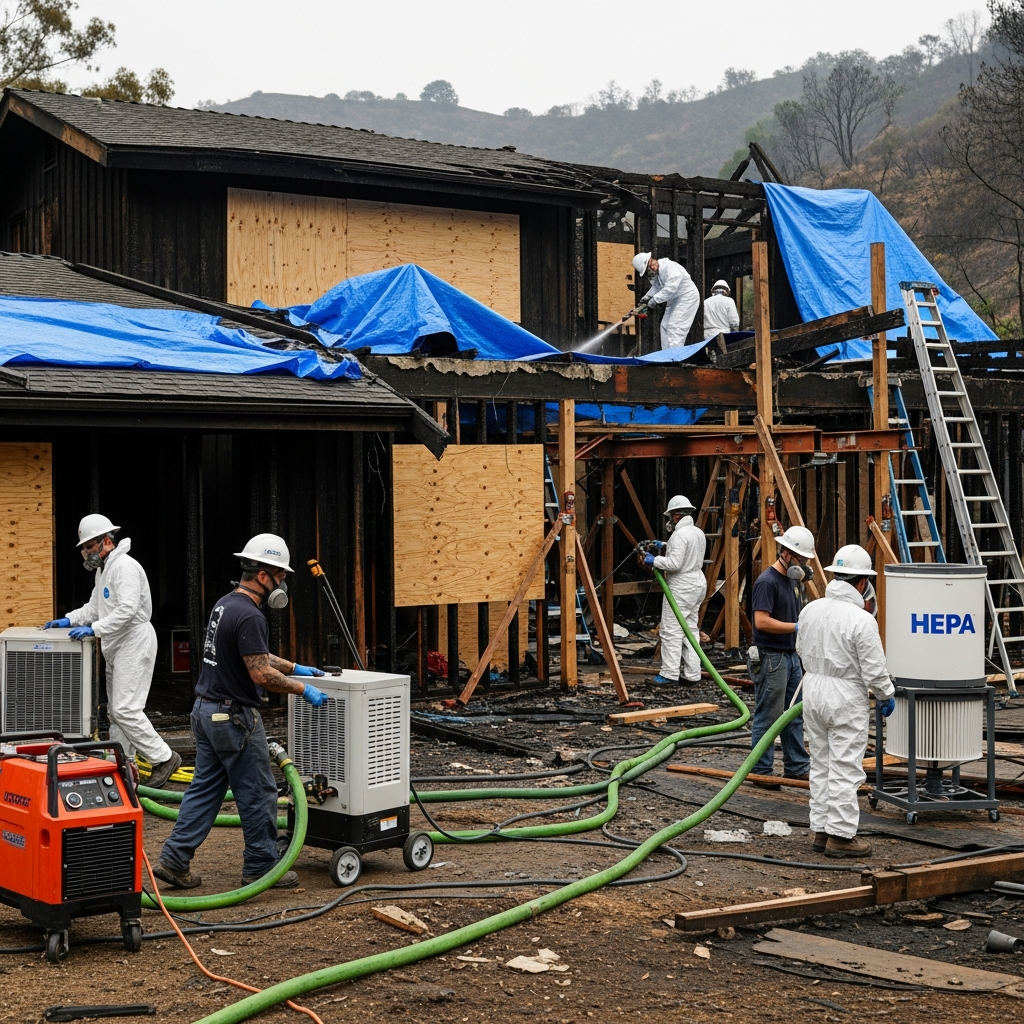
The source of water sets the tone for the entire project. Clean water from a supply line requires a different approach than stormwater that has picked up silt and organics, or wastewater from an overwhelmed drain. The more contaminated the water, the more rigorous the sanitation and the more selective the salvage decisions. That shifts the scope, influencing how much material is removed, how intensive cleaning must be, and how the drying plan is staged. Recognizing the category early, and documenting it, keeps decisions consistent and efficient.
Extent of Affected Area
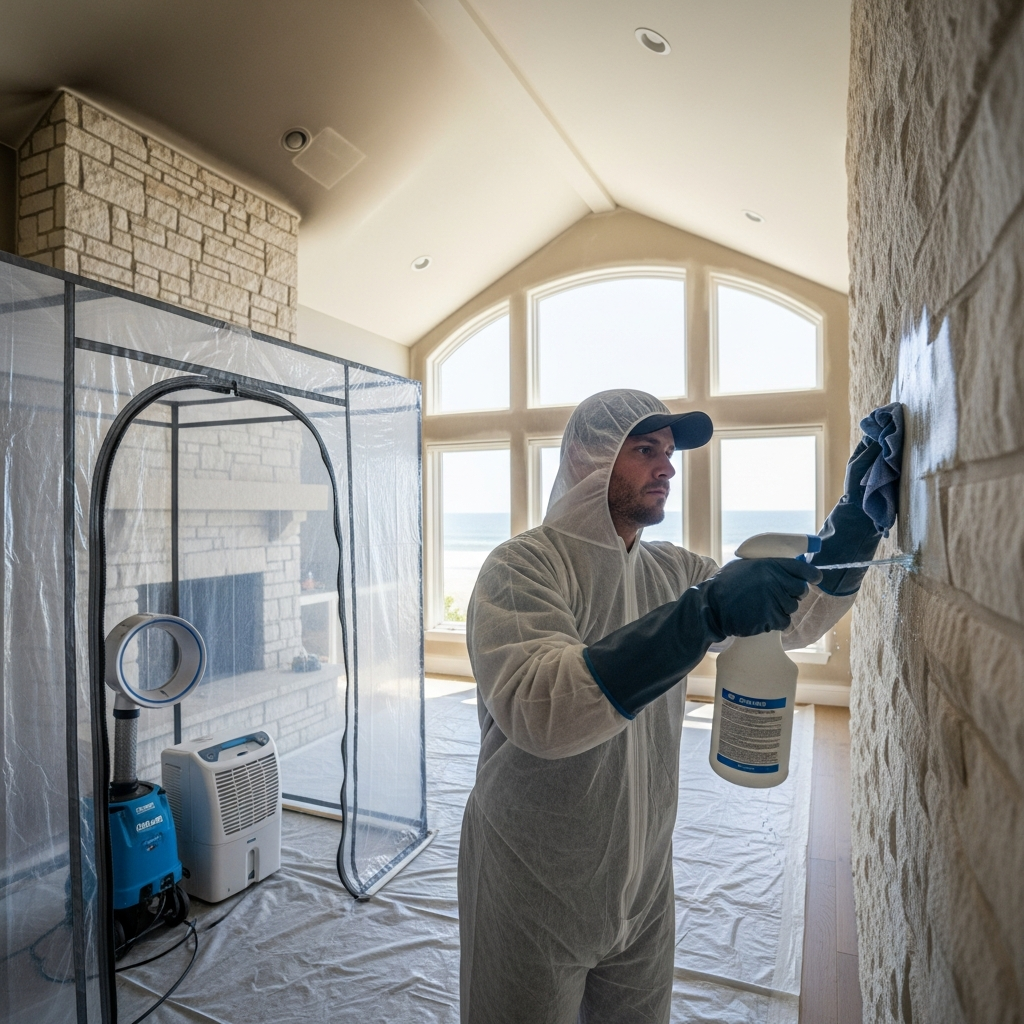
A refrigerator line leak caught within an hour might affect a single room corner; a storm that sends water down hallways can involve multiple levels. The square footage of wet materials, the number of rooms, and whether ceilings, walls, and floors are all involved shape how many crews and how much equipment is necessary. Multi-room projects also involve more protection of unaffected areas and more careful containment to keep the rest of the home livable during work.
Material Types and Assemblies
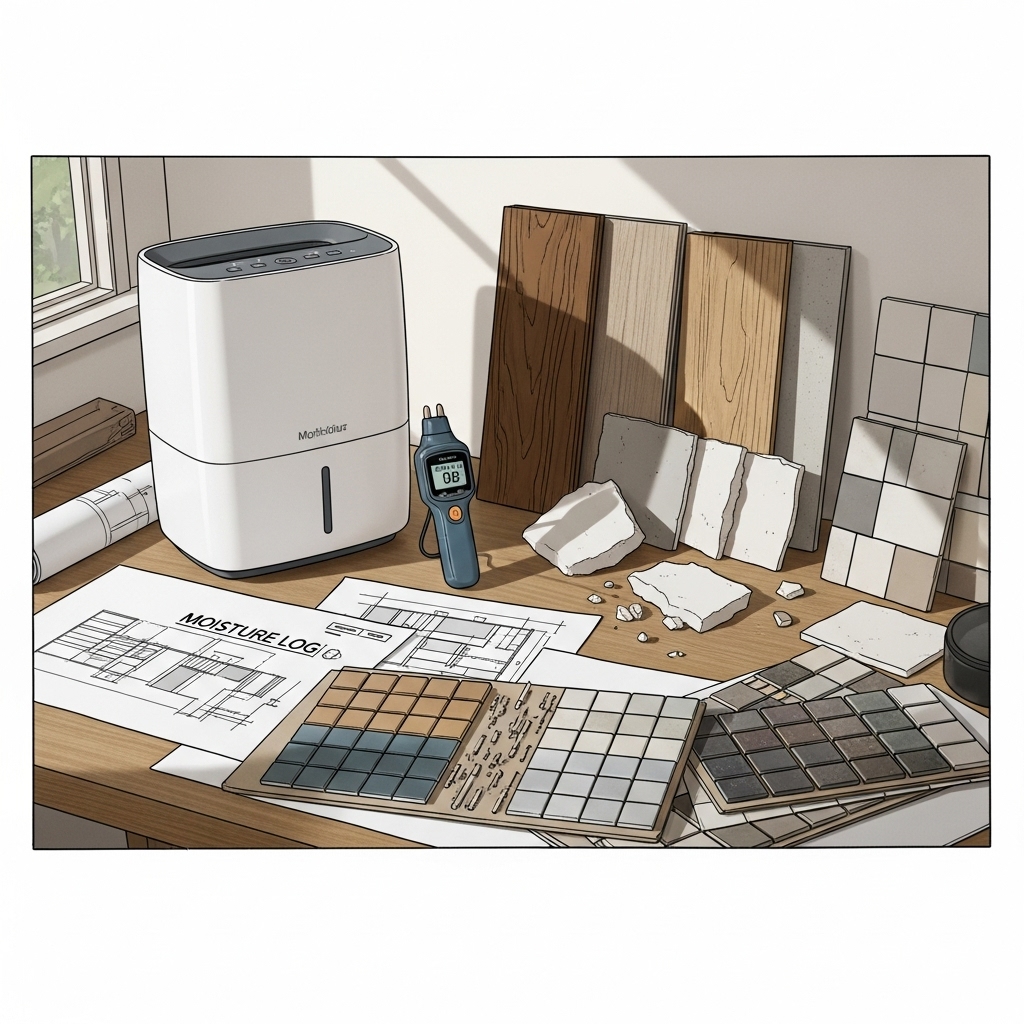
Malibu homes feature a rich blend of materials. Large-format tile over mortar beds holds moisture differently from drywall over studs, which behaves differently again from plaster over lath or engineered wood over underlayment. Dense assemblies release moisture slowly and call for sustained dehumidification. Engineered wood may look stable initially but can cup as moisture moves. Plaster resists mold better than paper-faced drywall but requires measured drying to preserve its finish. Knowing the assembly under each surface guides the plan: what can be dried in place, what needs selective removal, and where targeted airflow or wall-cavity drying will pay off.
Access and Logistics
Oceanfront or hillside, Malibu can be tricky to navigate. Tight driveways, limited street parking, and strict HOA or neighborhood rules can influence how equipment arrives and where it can be staged. Multi-level homes require careful routing to move water out and bring dry air in without crossing clean spaces. When power is interrupted, generator support becomes part of the plan. Each logistical constraint adds coordination steps that shape the timeline.
Speed of Response
Time is the multiplier. Extraction that begins quickly reduces migration into wall cavities and subfloors, which in turn reduces the length and intensity of drying. Early containment shortens the window for cross-contamination. Prompt documentation speeds approvals. Everything is easier when you start early. That’s why local teams stress the first call and the first hours—they compress what would otherwise expand into a longer, more complex project.
Environmental Conditions
Coastal humidity, cool mornings, and the occasional dry Santa Ana wind each influence drying strategy. On damp days, dehumidification does the heavy lifting. On warm, dry days, controlled ventilation can help. The point is to measure conditions and adapt, not to follow a single script. Projects that respond to real-time conditions reach drying goals efficiently while protecting materials.
Category Upgrades and Secondary Damage
A clean-water leak can become a different problem if left to sit. As materials degrade and microbial activity begins, the handling requirements change. Secondary damage—cupped floors, swelling cabinetry, corrosion—adds steps to the plan. Preventing those cascades by acting promptly and monitoring closely is both safer and more efficient than trying to unwind them later.
Demolition Scope
Selective removal can accelerate drying and preserve finishes, but it must be smart. Pulling baseboards and making targeted openings for wall-cavity drying might save large surfaces from full replacement. Conversely, ignoring trapped moisture sets up problems that reveal themselves weeks later. The right demolition is minimal but sufficient. It opens pathways for airflow, removes materials that can’t be cleaned effectively, and prepares the space for a smooth rebuild.
Contents Handling
Contents add a layer of complexity. Wet area rugs, upholstered furniture, and personal items require triage: what is safely cleanable, what needs specialized care, and what should be discarded. Safe handling includes staging in clean areas, HEPA vacuuming where appropriate, and moving items out of the drying path. Art and delicate pieces benefit from conservator input. Contents work travels alongside structural mitigation, and coordinating the two keeps momentum.
Documentation and Communication
Clear records shorten delays. Moisture maps, daily logs, and photographs show what was wet and how it responded to intervention. These documents guide decisions among the homeowner, restoration team, and insurers or consultants. When everyone can see progress, approvals happen faster and projects move steadily forward. It also provides a durable record in case questions arise later.
Coastal Specifics: Salt and Sand
Oceanfront homes carry extra considerations. Salt residues attract moisture and encourage corrosion; sand can infiltrate tracks and thresholds, making gaps that invite water in the next storm. Neutralizing salt and cleaning hidden hardware prevent recurring issues. Exterior details like weep holes, deck slopes, and sealant conditions matter more on the coast and, when tuned, reduce the risk of future intrusions.
Insurance Interactions
Policies vary in how they treat different kinds of water events and what documentation they require. While coverage details are unique to each homeowner, the constant is that thorough, timely documentation and communication help keep decisions aligned with the facts on the ground. A restoration team familiar with local practices can speak the language of adjusters and provide the information they need without slowing the work.
Contractor Expertise and Crew Size
The experience of the team influences efficiency. Crews who know Malibu’s buildings and climate can anticipate hidden pathways, place equipment where it counts, and avoid common mistakes like blasting humid air through a damp home on a foggy morning. Right-sizing the crew means steady progress without bottlenecks, and regular checkpoints keep the plan tuned to what readings actually show.
Mid-Project Adjustments
Projects evolve. Moisture that seemed concentrated may turn out to be widespread under a floating floor, or a cavity may dry faster than expected. Mid-project assessments ensure that equipment is positioned effectively and that demolition decisions are still appropriate. It’s also a chance to address small preventive tasks—cleaning slider tracks, checking weep systems, and confirming that exterior drainage is clear—so the finished work holds up.
Repair Phase Considerations
Once drying goals are met, repairs begin. Matching finishes, scheduling trades, and coordinating with design teams add their own timeline. Homes in Malibu often include custom details that deserve careful attention. Planning that repair phase in parallel with mitigation, rather than as an afterthought, makes the transition smoother and reduces downtime between phases.
Homeowner Involvement and Decision-Making
Informed homeowners accelerate good outcomes. Simple steps—moving fragile items out of harm’s way, approving access areas promptly, and staying engaged with daily updates—keep the project on pace. Asking questions about the drying goals and how they’re measured helps align expectations and ensures that milestones are clear.
Resilience and Future Risk Reduction
Every project offers lessons that can reduce future risk. On the coast, that might mean retuning thresholds and weep systems, maintaining sealants, or installing leak detection on supply lines. In hillside homes, verifying sump performance and drainage paths before the rainy season is time well spent. These steps don’t eliminate risk, but they tilt the odds in your favor and reduce the scope of any future event.
Case Reflections From Around Malibu
Consider a beachfront home where wind-driven rain entered a barely noticeable gap between a deck and the interior floor. The visible wet area was small, but moisture mapping revealed a wider field under the floating floor. By opening a discreet section and using directed airflow, we preserved the majority of the finish while drying the underlayment thoroughly. In another case, a canyon property saw brown water wash across a lower level during a storm. The category of water led to selective demolition and careful sanitation, followed by measured drying. In both cases, prompt action and thoughtful scope selection kept the work focused and the homes on track.
Frequently Asked Questions
What determines how extensive the restoration effort will be?
The water source, the amount of area affected, and how quickly the response begins are the biggest drivers. Material types and building assemblies also matter, since they influence how readily moisture moves and how long drying takes.
Can I reduce the scope by acting quickly?
Yes. Prompt extraction and containment limit migration, reduce secondary damage, and shorten the drying timeline. Early documentation also streamlines approvals and keeps the project moving.
How do coastal conditions change the plan?
Salt and sand introduce corrosion and residue concerns that require additional cleaning and maintenance of hardware and thresholds. High ambient humidity at times means indoor drying must be carefully controlled rather than relying on open-air ventilation.
Will everything that got wet need to be removed?
Not necessarily. Many materials can be dried in place if the water is clean and the response is timely. Contaminated water or prolonged saturation changes the equation. Decisions are guided by exposure time, water category, and moisture readings.
How important is documentation?
It’s essential. Moisture maps, photo logs, and daily readings tell the story of the loss and the recovery. They support clear decisions among homeowners, restoration teams, and insurers or consultants and help avoid delays.
What can I do to prepare for the next event?
Maintain drainage and sealants, tune weatherstripping and weep systems, consider leak detection on plumbing, and verify sump performance where applicable. These steps reduce the chance of a surprise and minimize the footprint of any incident.
Final Thoughts and Next Steps
Uncertainty after a water event fades when you understand the drivers behind the work ahead. With the right plan and the right team, restoration becomes a clear sequence of actions rather than a guessing game. If you want a steady hand to guide assessment, drying, and repairs, reach out for experienced water damage restoration support in Malibu. Starting early and staying informed are the twin keys to getting your home back to the comfort and calm you expect.