In Malibu, water has its own ideas about where it wants to go. When a supply line fails at 3 a.m., when a winter storm turns the canyon into a shallow river, or when surf hammers the shoreline and forces its way under sliders, the result is the same: standing water finding every low spot in a home. In those moments, the clock matters, and nothing saves time and materials like decisive emergency extraction. As someone who has walked countless properties before dawn and after dark, I’ve seen how a well-executed extraction sets the tone for a successful project, and how experienced water damage restoration teams make the hardest hours feel manageable.
Emergency extraction is more than plugging in a pump. It’s a coordinated effort that respects safety, the category of water, the home’s construction, and the physics of how moisture moves. It begins with stabilization: verifying that electricity is safe to use, identifying slip and trip hazards, and confirming that ceilings and built-ins are structurally sound. While one technician assesses utilities and documents conditions, another deploys the right extraction tools for the surface and the volume at hand. In Malibu, surfaces range from antique oak and hand-made tile to polished concrete and high-pile rugs. Each requires a different approach, and knowing which to apply without delay is the hallmark of a seasoned crew.
Choosing the Right Extraction Method
Standing water over a broad area calls for high-volume pumps that evacuate quickly without stressing drains. Submersible pumps handle deep pooling in basements and mechanical rooms, while low-profile sump wands squeegee thin layers across large slabs. Once we transition from inches of water to soaked surfaces, the focus shifts to specialized extractors: weighted tools that press moisture out of carpet and pad, wands designed for grout lines and uneven stone, and squeegee attachments that leave a floor nearly dry to the touch. It’s not just about what comes up; it’s also about not pushing water into hidden recesses. A light hand around thresholds and cabinetry prevents forcing moisture into places that are harder to dry later.
Truck-mounted units deliver powerful lift and heat for large homes with multiple affected rooms. In tight-access hillside properties or during power interruptions, high-performance portables and generator support keep the process moving. One of the subtle arts in extraction is sequencing—choosing which rooms to pull from first so that airflow and dehumidification can start where they’ll make the most difference. Hallways that connect several rooms are prime targets; clear those pathways and you can move air effectively throughout the space.
Why Speed Matters, and What “Fast” Really Means
Every hour that water sits, it migrates. It creeps under baseboards, runs into wall cavities, and saturates subfloors. Quick extraction shortens the window for damage to escalate and reduces the total drying load. “Fast” doesn’t mean reckless, though. A fast job is one where safety checks are immediate, categories of water are identified and respected, and the right equipment is deployed without guesswork. The difference between starting dehumidifiers now or three hours from now can be the difference between salvaging a run of engineered flooring and replacing it.
Malibu Materials and How They Respond
Our building materials shape the extraction plan. On the coast, many homes feature large-format tile over thick mortar beds. Water tends to settle in the mortar and telegraph moisture upward to the tile surface slowly. That doesn’t mean the tile is dry just because it doesn’t squish underfoot. Extraction focuses on grout lines and edges where water enters and exits the system. In hillside homes with hardwood and area rugs, the rugs act like sponges while the wood beneath may be beginning to cup. Careful, weighted extraction of rugs, followed by immediate removal to a staging area for controlled drying, protects the floor below while preserving what is salvageable above. Underpinning it all is the subfloor—plywood or concrete—that often holds water longer than anything you see on the surface.
Blackwater Considerations During Storm Events
When storms overwhelm drainage, the water inside may be contaminated. Extraction in these scenarios is paired with strict sanitation protocols. Wastewater is collected and disposed of in accordance with environmental regulations, and porous materials with prolonged exposure are typically removed. It’s uncomfortable to face, but it is the safe path. Balanced against that is the knowledge that not everything needs to go; solid surfaces can be cleaned and disinfected, and structural materials can often be dried once the source is removed.
Airflow, Dehumidification, and the Hand-Off From Extraction
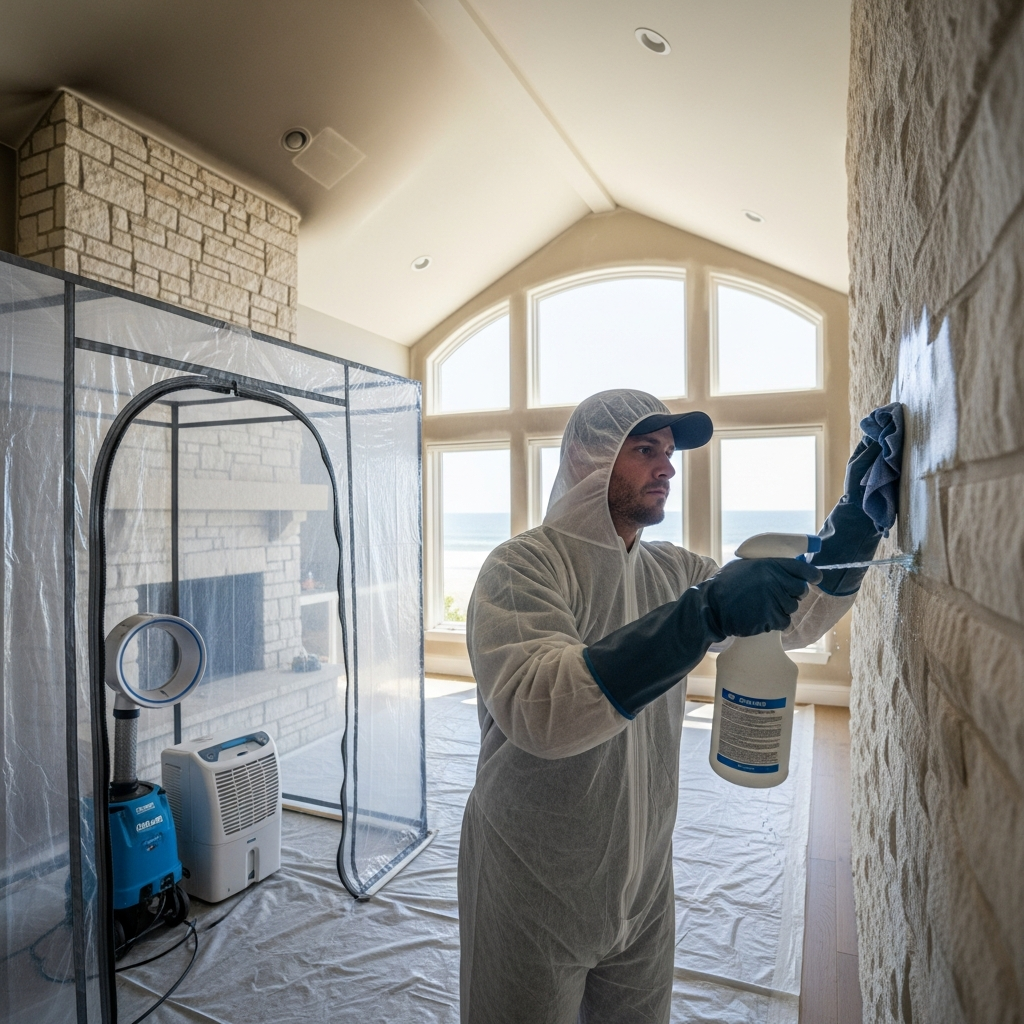
Extraction and drying are two halves of the same process. As soon as surfaces are no longer releasing water under the extractor, it’s time to control the air. Dehumidifiers keep the environment from re-wetting materials, while air movers promote evaporation from wet surfaces. In Malibu’s coastal climate, outdoor air is not always helpful; sometimes it’s so saturated that opening windows raises the indoor humidity. Smart crews measure before they ventilate. The aim is to create a stable, low-humidity bubble around the affected areas so moisture moves in one direction: out of the building.
Finding Hidden Water
Extraction begins where water is obvious, but it must end where water is hiding. That might be behind a baseboard, in a wall cavity, under an island cabinet, or pooled inside a stair tread. Thermal imaging cameras reveal temperature differences that hint at hidden moisture, and pinless meters scan surfaces without leaving marks. Strategic openings—small holes behind baseboards or in discrete areas—allow air to move into cavities where it’s needed. This approach prevents the all-too-common cycle of mold appearing weeks later in spaces that seemed untouched.
Case Example: Overnight Supply Line Break
Take a late-night call from a home off Carbon Canyon: a supply line to a wet bar let go while the owners were out to dinner. By the time they returned, water had moved through a third of the main floor and into a lower-level guest suite. We arrived to find standing water on tile and a slow seep into a plank floor beyond. Within minutes, cords were managed, circuits verified, and pumps running. Weighted extraction on the carpeted guest suite pulled gallons from the pad, while a wand focused on the grout lines in the main living area prevented seepage into the new cabinetry. As equipment was set, one technician mapped moisture on the stair risers—an unexpected catch that led to a targeted opening underneath the staircase. That single step prevented an odor problem from emerging weeks later.
Oceanfront Dynamics: Surge Meets Structure
On the beachfront, surge water brings salt and sand, and the extraction plan includes rinsing residues from thresholds, tracks, and hardware. Sand can bind in slider rails and act like sandpaper against seals; removing it early extends the life of the door systems. Salt draws moisture back to metal; neutralizing it during the extraction phase reduces corrosion later. Oceanfront homes also face elevated humidity from wind-driven spray; even areas that didn’t take on standing water can read high on meters. Working room by room, we keep an eye on both direct and indirect impacts.
Communication and Coordination
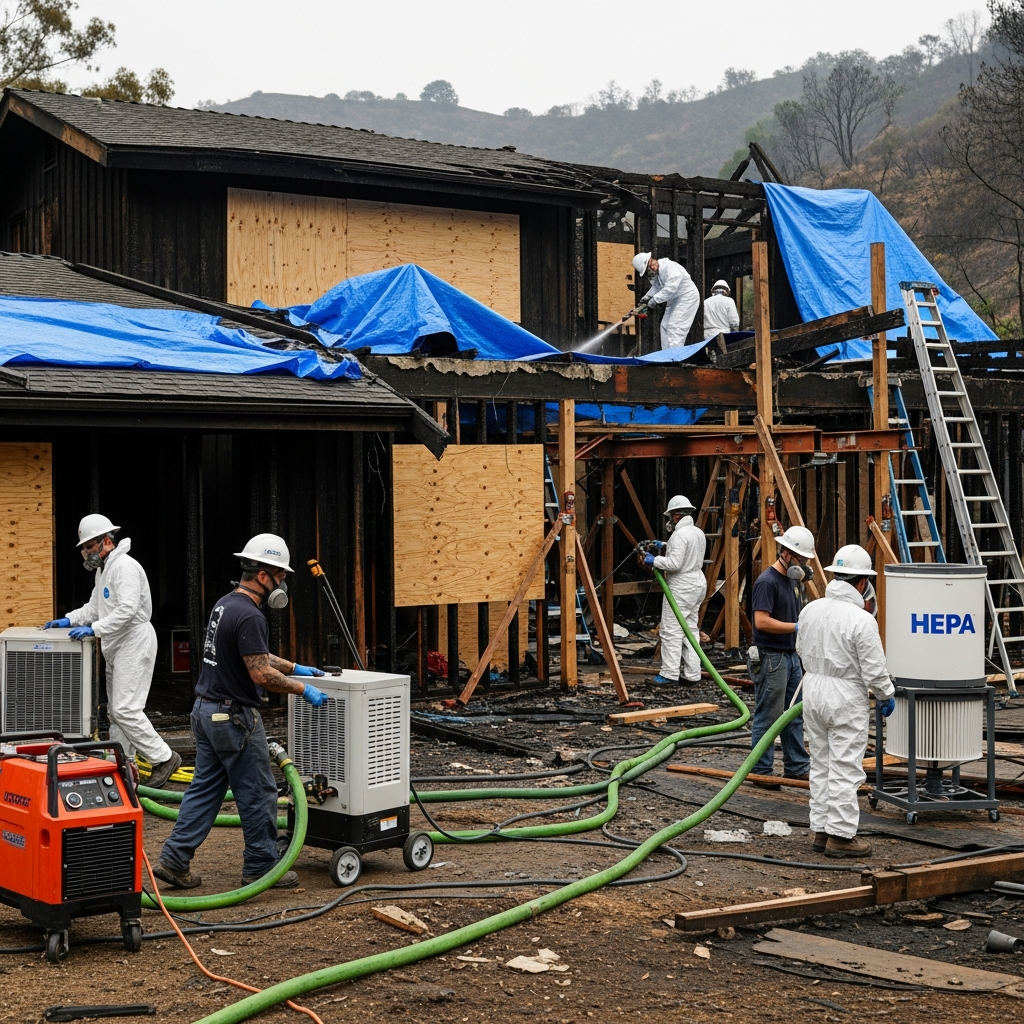
During an emergency, communication is its own form of mitigation. Homeowners want to know what’s wet, what’s being done, and what the next hours will look like. Good crews provide a clear sequence: extraction, stabilization, drying, and monitoring. Photographs of readings and progress notes become part of the record. If insurance is involved, having that documentation from minute one makes approvals smoother. In community-wide events, access and logistics matter too—coordinating generator placement, staging for hoses, and preserving clear paths through the home all keep things safe and efficient.
Mid-Project Adjustments
No plan survives first contact with the real world unchanged. As materials release water, pockets become apparent that weren’t obvious an hour earlier. That’s the moment for a mid-project check: verify readings, relocate air movers, and ensure dehumidifiers are sized for the actual load. It’s also a good time to address the fine points that make a home feel “whole” again, like cleaning under toe-kicks, pulling thresholds where moisture has tracked, and inspecting the margins of built-ins. Each small step helps avoid surprises later and keeps the entire water damage restoration process on a steady arc toward normal.
Prevention With an Eye to Malibu’s Climate
After the water is out and the drying is underway, many homeowners ask how to lower the odds of a repeat. Malibu’s mix of salt air, sun, and seasonal storms rewards preventive maintenance. Replace aging supply lines with braided stainless, install leak detection on appliances, and ensure that exterior drainage is clear before the rainy season. On the coast, inspect sliders and exterior doors for intact seals and unobstructed weep holes. In hillside areas, verify that sump systems work under load and that generator backups are tested. These measures don’t eliminate risk, but they give you time to respond if something does go wrong.
From Crisis to Control
There’s a transformation that happens once extraction is complete. The chaos of a flooded room becomes a controlled environment with a plan, a timeline, and visible progress. Floors are no longer slick; the air feels drier; the thrum of equipment is purposeful. That change isn’t just technical; it’s emotional. Knowing what comes next—daily monitoring, moisture targets, and a pathway to repairs—turns a long night into something you can navigate with confidence.
Frequently Asked Questions
How fast should emergency extraction begin?
As soon as the area is safe. Early extraction limits migration into walls and subfloors and lowers the total drying burden. A prompt start preserves more materials and reduces the likelihood of secondary issues.
Do I need to move furniture before extraction?
If it’s safe, moving items off wet surfaces helps. Crews typically handle heavier pieces and will block or pad furniture to prevent staining and allow airflow underneath. The priority is always safety and preventing further damage.
What if I smell sewage or see cloudy water?
Stop and treat the situation as contaminated water. Crews will extract with containment and dispose of wastewater properly, then sanitize thoroughly. Porous materials exposed to blackwater for extended periods are often removed for safety.
Can carpets and pads be saved?
It depends on the water category and how quickly extraction begins. Clean-water events caught early sometimes allow for pad salvage with aggressive extraction and drying. Contaminated water typically calls for pad disposal and focused sanitation of the subfloor.
Should windows be opened during drying?
Only if outdoor conditions are favorable. In coastal humidity, opening windows can raise indoor moisture and slow drying. Professionals measure conditions and decide when ventilation helps or hinders progress.
What happens after extraction?
Dehumidification and targeted airflow take over. Daily monitoring tracks moisture levels until drying goals are met. Once verified dry, repairs begin. Good documentation ties each step together for a clear, efficient project.
Final Notes and Next Steps
If you’re facing standing water, the right help at the right moment makes all the difference. From pumps to precision tools and a plan that protects your finishes, emergency extraction is the first step back to normal. When you want that process handled with local know-how and clear communication, reach out for trusted water damage restoration. Acting quickly turns a long night into a manageable recovery.