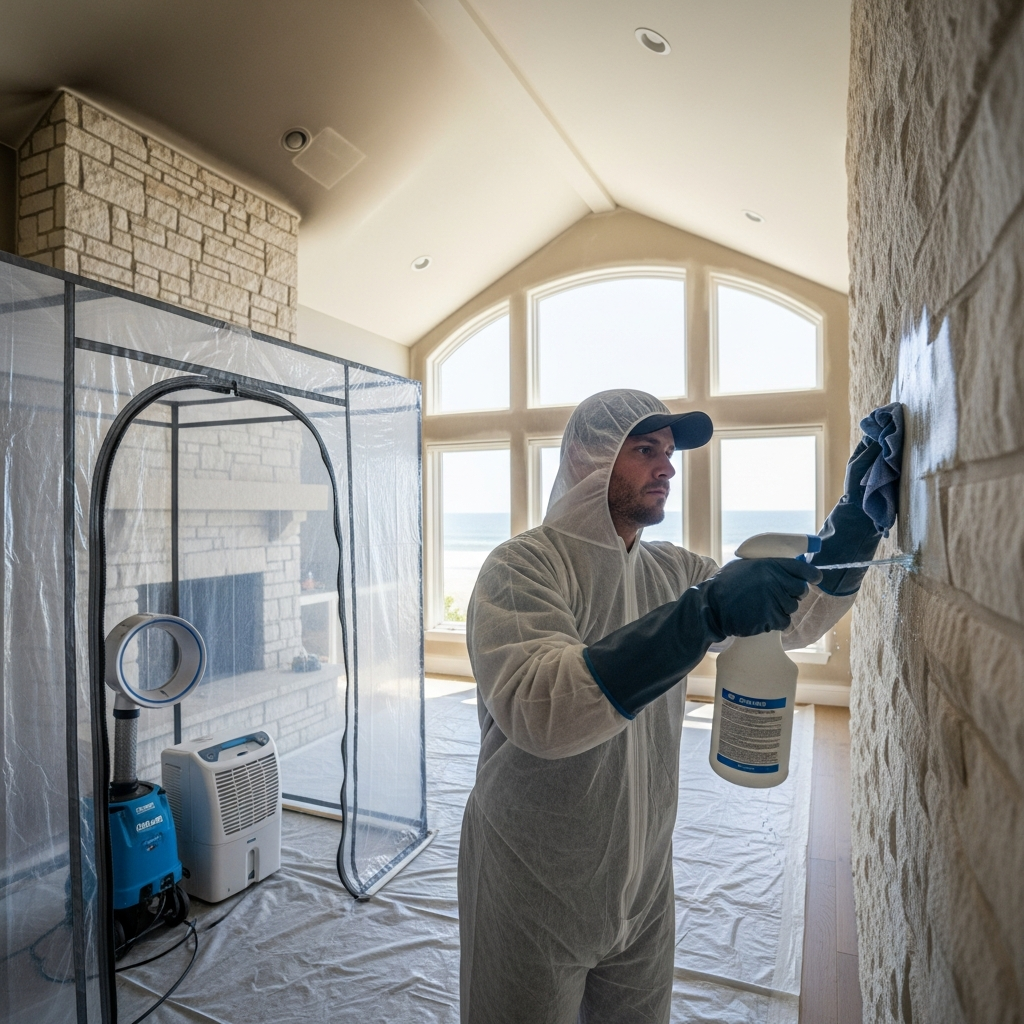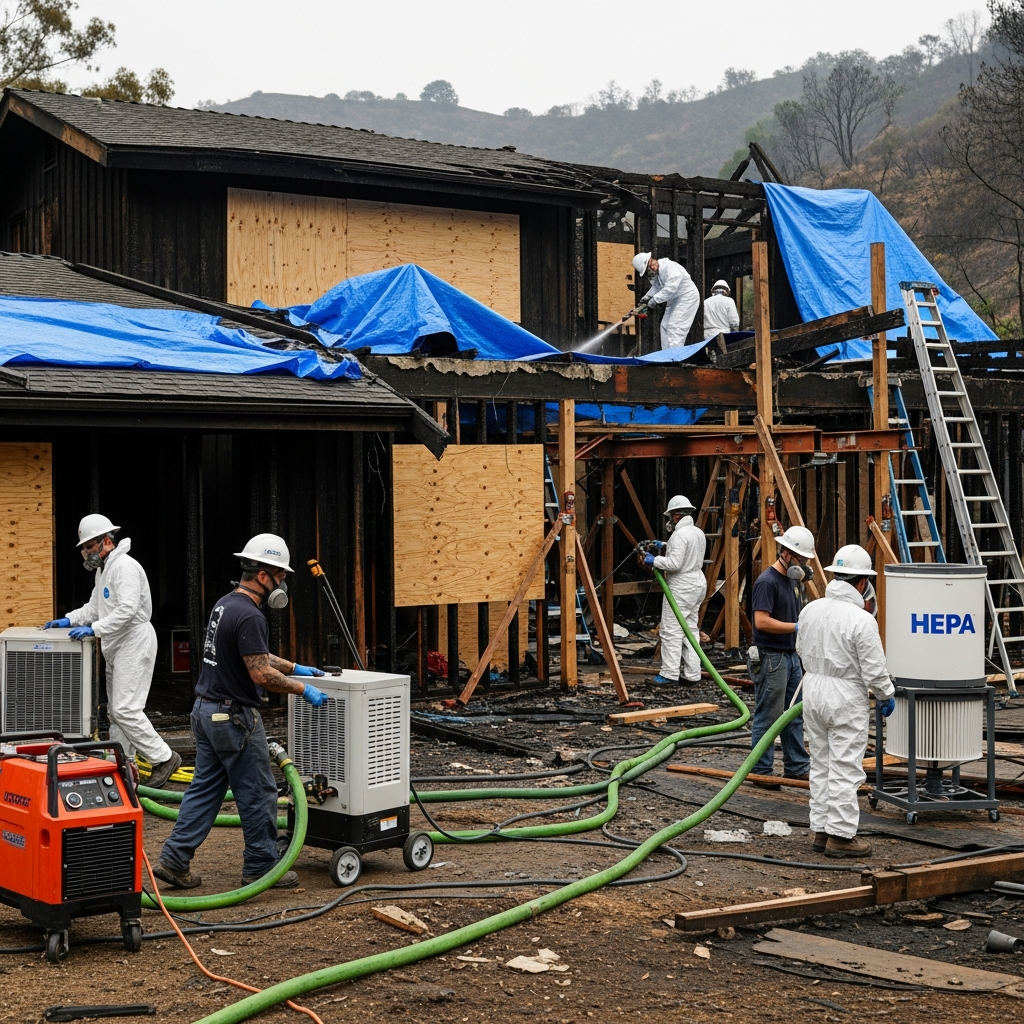
Once the equipment is gone and your home feels like itself again, the question becomes: what next? In Malibu, where moisture is as much a part of the landscape as sandstone cliffs and kelp forests, maintenance after restoration is not just a checklist—it’s a mindset. The goal is to keep indoor humidity in a healthy range, protect vulnerable details, and be ready for the next surprise nature or plumbing might send your way. With a little foresight and a few smart habits, you can preserve the gains of a good restoration and sidestep repeat issues.
Think of this as your local guide to post-restoration care. It’s tailored to Malibu’s microclimates, from beach-adjacent neighborhoods where morning fog lingers to canyon homes where runoff and shade keep ground moisture elevated. If you’re just getting started or you want a quick refresher after a recent project, connecting with pros who specialize in water damage restoration is an efficient way to turn good intentions into a practical plan.
Reestablishing a Healthy Moisture Baseline
During restoration, technicians measure moisture levels and show you data as materials dry. Use those final readings as a reference. Keep a simple hygrometer in living spaces to watch relative humidity; in Malibu, interior RH often fluctuates with the marine layer. Aim for a comfortable middle ground where condensation on windows is uncommon and wood feels stable underfoot. If you notice persistent RH above ideal ranges, a small dehumidifier or adjustments to HVAC settings can make a big difference, especially in rooms with large expanses of glass or limited sun exposure.
After a stormy week, take a slow walk through the house. Touch baseboards near exterior walls, look closely at window sills, and sniff for musty odors in closets and under sinks. These simple rituals catch small problems early, when they’re easiest to address.
Seasonal Roof and Exterior Care
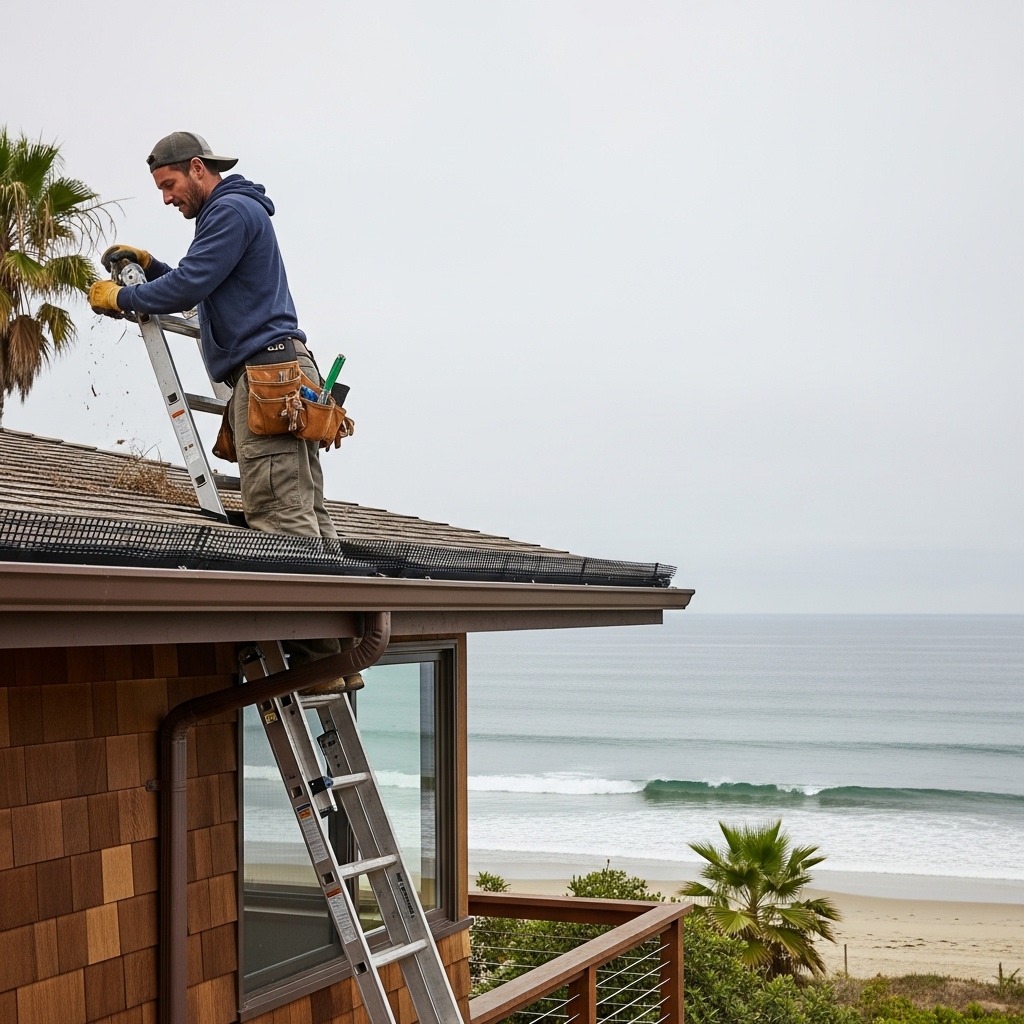
Before the winter rains, schedule a roof inspection. Look at flashings, valleys, and penetrations where salt air can speed corrosion. Clean gutters and confirm downspouts direct water away from the foundation. If you have a flat roof or parapet, make sure scuppers and drains are clear. After heavy winds, a quick visual check from the ground—using binoculars if needed—can spot a lifted shingle or displaced tile that deserves attention.
Decks and balconies need periodic attention too. Check door thresholds, sealants, and edges where water might migrate under finishes. A subtle gap today can be a leak path tomorrow. Addressing these details keeps interior walls and ceilings dry when the next squall hits.
Plumbing Vigilance
Many Malibu water events begin with plumbing. Even in newer homes, fittings can loosen and hoses can age. Make it a habit to inspect under sinks, behind the washer, and around the water heater. If you have a recirculating hot-water system, listen for changes in pump noise that might signal wear. Consider smart leak sensors and auto-shutoff valves for high-risk locations; these tools provide peace of mind for second homes and busy households alike.
Water pressure deserves a mention. Excessive pressure stresses pipes and fixtures, increasing the risk of leaks. A simple gauge can tell you where you stand, and a pressure-reducing valve can keep the system in a safer range. While this is a small tweak, it can prevent the kind of pinhole leaks that stay hidden for too long.
Crawlspace and Drainage Awareness
Hillside properties often rely on a network of drains and swales to move water away from foundations. After major rains, walk the perimeter. Look for signs of erosion, clogged area drains, or damp spots near stem walls. If you have a crawlspace, periodic checks for elevated humidity, standing water, or damaged vapor barriers will protect framing and subflooring. Addressing exterior issues early reduces the load on interior systems and preserves the gains of your recent restoration.
Landscaping choices can help. Mulch should sit below sill plates, and irrigation should avoid direct spray against the house. Smart controllers that adapt watering schedules to weather conditions are a worthwhile upgrade in Malibu’s variable climate.
Protecting Interior Finishes
After restoration, wood floors and custom millwork deserve special care as they reach equilibrium. Avoid sudden swings in indoor humidity and temperature; steady conditions reduce the risk of cupping or gaps. When cleaning, use products appropriate for your finishes and avoid saturating surfaces. Around windows, watch for seasonal condensation and address it promptly with gentle drying and airflow.
Kitchens and baths benefit from routine checks. Open the sink bases occasionally to ensure there’s no dampness or odor. Reseal stone counters and shower grout as recommended by manufacturers, and keep exhaust fans clean and effective. These small tasks add up to real protection.
Documentation and Communication
Keep your restoration records in a safe, accessible place—moisture maps, final readings, and photographs. These documents become a baseline for future inspections and a reassurance if you ever decide to sell. If you notice something concerning, share those records with the professionals you call; it speeds diagnosis and helps them focus on what changed.
For second homes or frequent travelers, a trusted local contact can keep an eye on things after storms. A quick text and a few photos can make the difference between an early intervention and a larger project later.
Signs That Deserve Immediate Attention
While routine vigilance is helpful, some signs call for swift action: a ceiling stain that darkens after rain, a warm spot on a slab floor, a musty odor that lingers despite cleaning, or wood that feels soft underfoot. In those moments, you’ve already done the most important maintenance step by being aware. The next step is to call a professional who can locate the source, stabilize the environment, and guide repairs before damage escalates.
Midyear Checkups
Set calendar reminders for twice-annual checkups—one before the wet season and one before the dry, windy season. Review your roof, drainage, exterior seals, and interior plumbing. If you have sensors, test them. If you rely on exhaust fans in baths or laundry spaces, confirm they’re moving air effectively. These checkups take less time than a morning surf and can spare you from a stressful surprise.
Turning Restoration Into Resilience
The best maintenance plans are simple and repeatable. They aren’t about perfection; they’re about catching small changes early and keeping your home in a healthy balance with the environment around it. If your restoration introduced you to tools like moisture meters, dehumidifiers, or air purifiers, keep using them as needed. The knowledge you gained during the project is an asset—apply it season by season.
Frequently Asked Questions
Do I need a dehumidifier year-round?
Not necessarily. Many Malibu homes do fine with seasonal use—especially during long stretches of marine layer or after storms. A hygrometer tells you when conditions call for extra drying power.
How often should I check my roof?
Twice a year is a good rhythm: before the rainy season and after major wind events. Quick visual checks between inspections help catch lifted tiles or clogged drains early.
What can I do about window condensation?
Keep indoor humidity moderate, use exhaust fans during showers and cooking, and encourage gentle airflow around windows. If condensation persists, discuss options like improved ventilation or glazing with a professional.
Are leak sensors worth installing?
Yes. They’re inexpensive, easy to place in high-risk spots, and can alert you to a problem before it spreads. Pairing sensors with automatic shutoff valves offers an extra layer of protection.
How do I know if a smell indicates a moisture problem?
A persistent musty odor, especially in a closet, under a sink, or near a window, often points to hidden dampness. If cleaning doesn’t resolve it, have the area checked with moisture meters and thermal imaging.
When should I call a professional again?
Call when you notice new staining, soft or warped materials, recurring odors, or if humidity stays high despite ventilation. Early intervention limits damage and keeps repairs simple.
Keep Your Home Ready
Maintenance after restoration is about staying one step ahead. With Malibu’s coastal conditions, a little attention goes a long way. If you want a personalized maintenance plan—or you’ve spotted something that needs a closer look—reach out to trusted local specialists. Start the conversation today and keep your home dry, healthy, and comfortable with proactive water damage restoration guidance tailored to Malibu living.