Ask anyone who has owned a home in Malibu for long enough, and you’ll hear a story about water. Sometimes it’s a dramatic tale after a winter storm; other times it’s the quiet saga of a slow drip that left a musty smell for months. Our community’s setting—wedged between mountains and sea—creates unique pathways for moisture to enter and linger in buildings. Understanding the most common water damage issues here helps you move faster, avoid missteps, and protect your home’s structure and indoor air.
Whether you live along Broad Beach, above Carbon Canyon, or tucked in the canyons inland, recognizing the patterns is half the battle. With the right response, including timely water damage restoration, you can turn a stressful situation into a manageable project with a clear endpoint.
Roof Trouble: Wind-Driven Rain and Salt Air
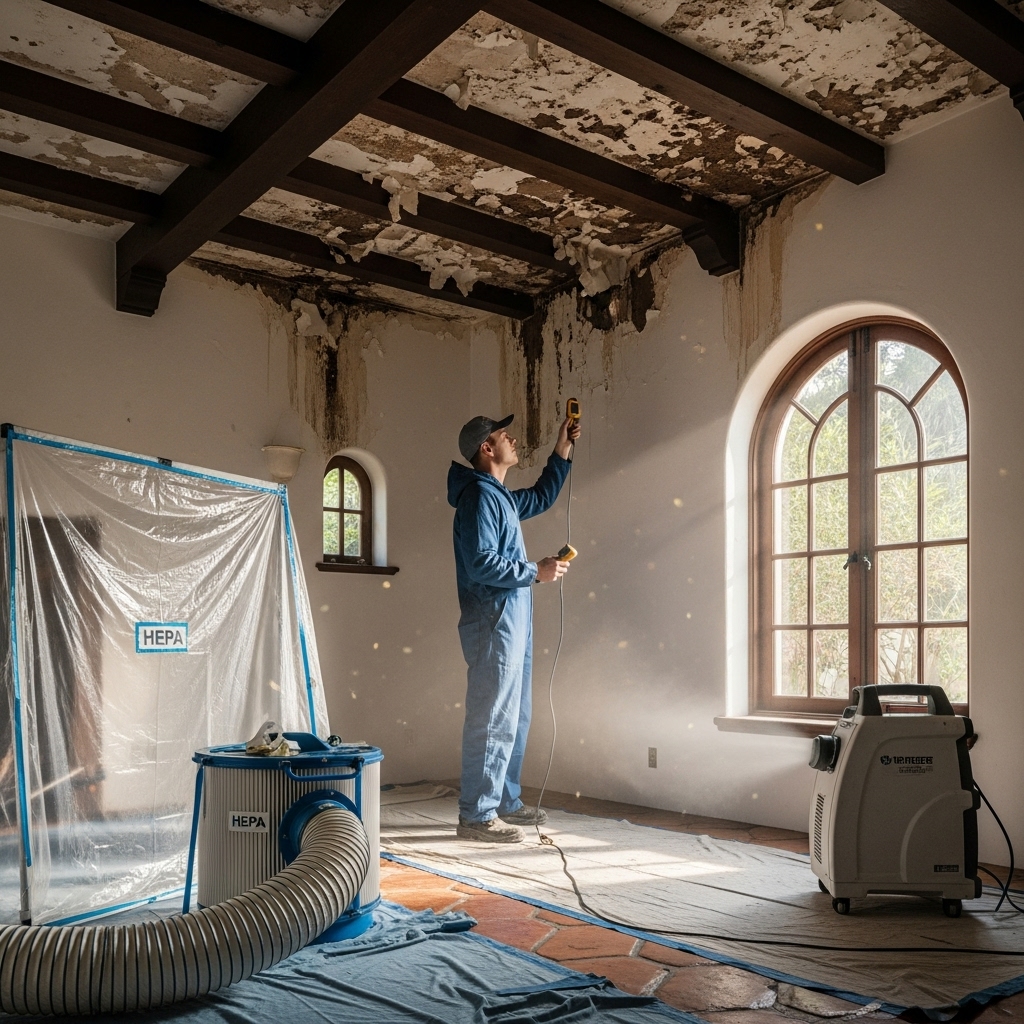
Roofs in Malibu work hard. Salt air corrodes metal elements, wind-driven rain sneaks under lifted shingles or tile, and parapet roofs can pond water if drains clog with debris. The first visible sign might be a faint ceiling stain that darkens after storms. Restoration teams trace these intrusions with moisture meters and thermal imaging, then coordinate with roofers to address the source. Inside, drying often requires opening limited sections of ceiling to ventilate cavities, combined with dehumidification to prevent mold growth.
Tile roofs, common in Spanish-style homes, present their own quirks. Water can travel beneath tile along underlayment and emerge feet away from the entry point. Precision matters in these cases—remove too much ceiling and you create needless repairs; remove too little and pockets of moisture remain.
Window Condensation and Sill Damage
Malibu’s marine layer is a quiet culprit. On cool mornings, condensation can form on interior window surfaces, trickle onto sills, and slowly degrade wood or paint. Over time, you may notice peeling, swollen trim, or a persistent smell near windows. The restoration solution is twofold: dry and repair the affected materials, then improve conditions that cause condensation—often a blend of ventilation adjustments and managing indoor humidity with dehumidifiers during certain seasons.
Deck and Balcony Intrusions
Modern homes with large decks or balconies are vulnerable at the details—edge flashing, door thresholds, and scuppers. When membranes fail or drains clog, water can migrate under flooring or into adjacent walls. Restoration typically involves targeted removal of finishes to access saturated layers, followed by careful drying to protect structural members. After the immediate crisis, it’s smart to evaluate cap flashings and waterproofing transitions; fixing these weak points pays dividends with the next storm.
Slab Leaks and Hidden Plumbing Issues
Across Malibu, older copper lines can develop pinhole leaks, sometimes exacerbated by water chemistry and the steady pressure of daily use. In slab-on-grade homes, leaks may telegraph as warm spots on floors, unexplained water bills, or the subtle sound of running water. Restoration begins with leak detection, then moves to drying and repairs. Flooring assemblies—especially engineered wood over concrete—need careful handling to prevent warping or secondary damage. A good team will also recommend sensible prevention, such as monitoring water pressure and adding leak detection devices at strategic points.
Bathroom and Laundry Failures
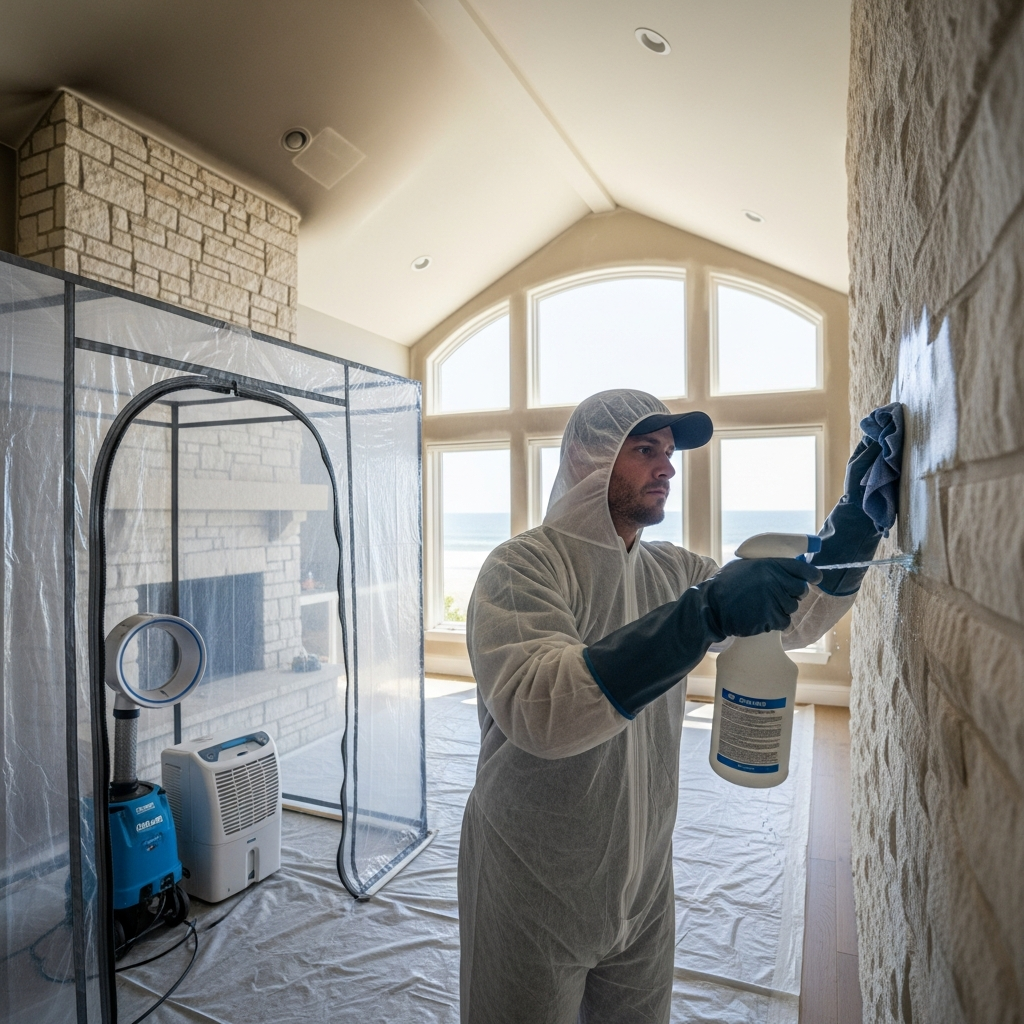
Showers, tubs, and laundry rooms are frequent sources of water problems. Failed shower pans, mis-sealed niches, or overflowing washers can send water into adjacent rooms or down to lower levels. Because these spaces are often surrounded by cabinetry and finishes that impede airflow, restorers use targeted demolition and cavity drying to move moisture out quickly. Antimicrobial cleaning and HEPA filtration protect air quality, especially when materials have stayed wet long enough for microbial growth to begin.
In Malibu’s multi-story homes, a leak on an upper level can create a stacked set of wet areas below. Crews use moisture mapping to trace the path, open only where necessary, and stage equipment to dry multiple zones efficiently. The key is methodical work: address the source, control the environment, and monitor until materials return to target levels.
Crawlspace Humidity and Hillside Drainage
Hillside homes with crawlspaces face a different set of challenges. Poor ventilation, ground moisture, and seasonal runoff can elevate humidity beneath the structure. Over time, that moisture may migrate upward, warping floors or encouraging mold on the underside of subflooring. Restoration here focuses on improving drainage around the foundation, drying the crawlspace, and sometimes adding vapor barriers or controlled ventilation. In heavy rain events, area drains and swales must be clear and functional to move water away from the house, not toward it.
Kitchen Leaks: Slow, Sneaky, and Smelly
Kitchens hide a surprising number of leak points—ice maker lines, dishwasher connections, sink traps, and RO systems. A slow drip inside a cabinet can soak toe-kicks and wick into adjacent drywall before you notice. Professional restoration limits demolition to what cannot be saved, then uses focused airflow and dehumidification to drive out moisture. Because kitchens are the heart of the home, careful containment keeps dust at bay while you continue using unaffected areas.
Odors That Linger
One of the most frustrating issues after water damage is a smell that just won’t leave. If moisture remained for any length of time, microbial activity may have started on or behind surfaces. Odors can also come from materials that absorbed dirty water. True restoration addresses the cause, not just the symptom: dry thoroughly, clean with appropriate agents, filter the air with HEPA units, and confirm dryness before sealing up. Quick fixes like perfumes or over-cleaning without drying can make matters worse.
Mid-Project Course Corrections
In the middle of a restoration, it’s not unusual to discover a hidden pocket of moisture behind a baseboard or inside an interior wall. Local teams expect this in Malibu’s varied construction styles. They’ll adjust equipment, open small access points, or re-route airflow to ensure complete drying. This willingness to refine the plan is part of professional water damage restoration—a commitment to the result, not just the checklist.
Documentation and Peace of Mind
Clear records don’t just satisfy insurers—they give homeowners confidence. Moisture readings, photographs, and daily notes build a story of what happened and how the home was restored. Later, if you renovate or sell, that story matters. Buyers and inspectors appreciate evidence that the home wasn’t just patched but truly returned to healthy conditions.
Frequently Asked Questions
How can I tell if a stain is active or old?
Restoration pros use moisture meters and thermal imaging to differentiate active moisture from a historical stain. If readings are dry, you may only need cosmetic repairs; if damp, further investigation and drying are warranted.
Is all wet drywall unsalvageable?
No. If drywall hasn’t lost structural integrity and the source is fixed, controlled drying can save sections. Heavily saturated or deteriorated materials should be removed to protect air quality and speed the process.
What about my hardwood floors?
Hardwood can often be saved with timely, specialized drying. The outcome depends on the duration of saturation and the type of installation. Monitoring prevents over-drying and helps decide if refinishing is appropriate.
Do I need to worry about the crawlspace after a leak?
If your home sits over a crawlspace, yes. Water from interior leaks can travel down, and high crawlspace humidity can affect the living space. Inspection and drying beneath the home are often part of a complete solution.
Should I call a roofer or a restorer first after a storm?
If water has reached interior materials, call a restorer first to stabilize conditions and document the damage. They’ll coordinate with a roofer to fix the source while drying proceeds indoors.
What if I’m not home when a leak happens?
Smart sensors and shutoff devices can limit damage by alerting you early and stopping the flow. Even if the leak runs for a while, professional restoration can still return your home to safe, healthy conditions with a clear plan.
Take Action With Confidence
Water issues in Malibu are common, but they don’t have to be disruptive for long. With a quick call and a steady plan, you can protect your home’s structure, finishes, and indoor air. If you’re facing damp drywall, a suspicious odor, or signs of a leak, reach out to trusted local experts. Start today, regain control, and rely on proven water damage restoration to bring your home back to calm, clean, and dry.