In Malibu, the story of a home is inseparable from the ocean. We orient rooms to the horizon, welcome the marine layer each morning, and build spaces that breathe in the salt air. But the same coastal character that makes Malibu so desirable also makes our homes more vulnerable to water-related problems. Between winter storms, wind-driven rain, high humidity, and corrosion from salt, even a small leak can escalate quickly. That is why professional water damage restoration isn’t optional here—it’s critical. It’s the difference between a short interruption and a lingering issue that affects both structure and indoor air quality. When the goal is to protect a property’s value and your family’s comfort, expert help early on is the best move you can make.
If you’re just beginning to deal with a suspicious stain, a damp baseboard, or an odor you can’t quite place, the smartest step is to seek out experienced water damage restoration before the situation grows. Acting quickly doesn’t just limit visible damage; it curbs the spread of moisture into hidden areas where it can be harder to remove and more likely to cause mold.
Coastal Climate Pressures
Malibu doesn’t follow a typical weather script. Our winters can swing from months of gentle drizzle to back-to-back atmospheric rivers, and summers often bring foggy mornings that keep surfaces cool and damp. Add in salt-laden breezes that accelerate corrosion, and you have a recipe for vulnerable building envelopes. Roof hardware, flashing, and fasteners can weaken sooner than expected. Window assemblies, parapet caps, and deck membranes might fail at points you’d never suspect. When water sneaks in, it rarely declares itself with dramatic flooding; more often, it trickles, wicks, and lingers.
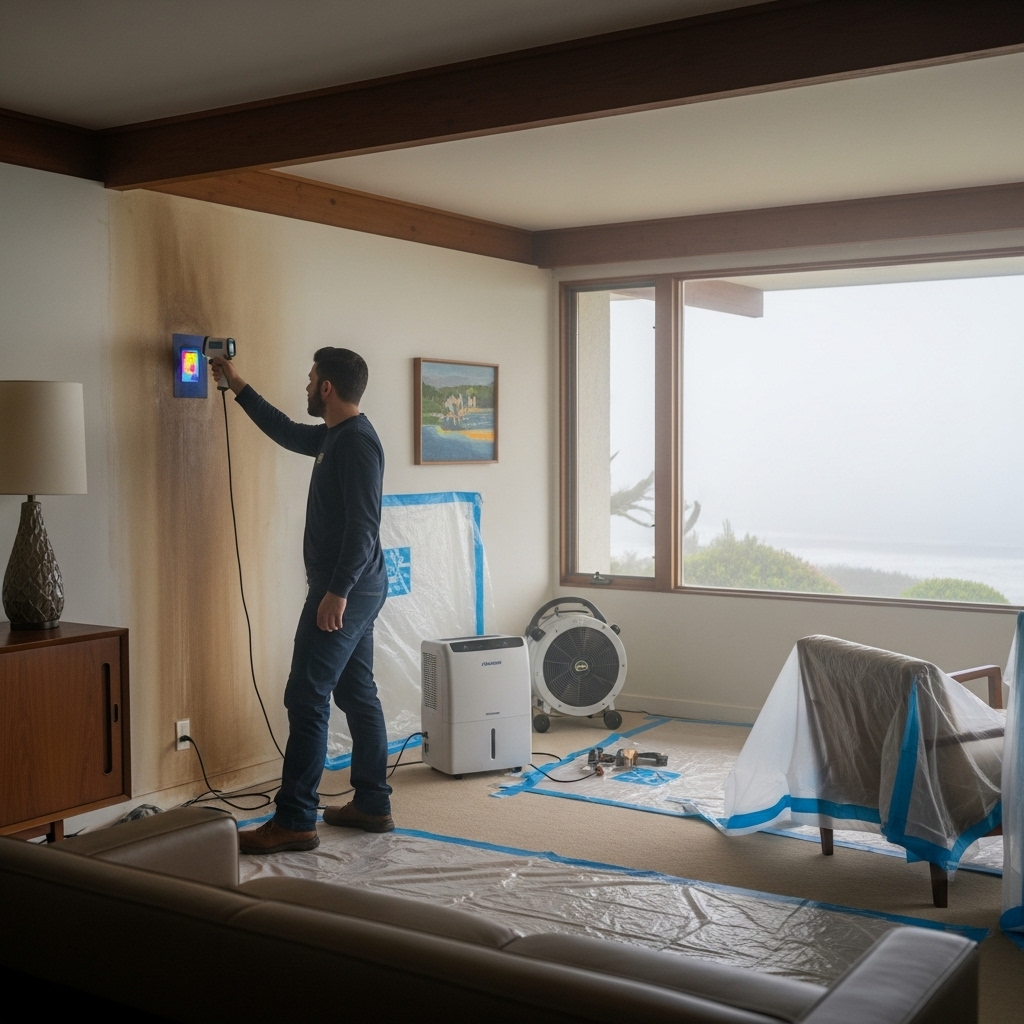
That’s where professional restoration earns its keep. With thermal imaging and moisture meters, technicians can read walls and floors like a map. They distinguish between surface dampness and deeper saturation, and they decide whether dehumidification, cavity drying, or selective material removal is the right approach. Because moisture behaves differently in plaster versus drywall, or oak versus engineered flooring, Malibu homes require an eye for detail and a respect for the materials that define them.
Why Speed Matters
Moisture trapped inside structural cavities is the quiet enemy of healthy homes. Within 24–48 hours, microbial activity can begin on wet surfaces, especially in Malibu’s temperate environment. Early intervention halts that timeline. Extraction tools remove bulk water; focused air movement and balanced dehumidification pull moisture from saturated materials; and antimicrobial treatments help keep microorganisms in check. The faster this cycle begins, the stronger the outcome—shorter drying times, fewer materials replaced, and less disruption to daily life.
Speed also matters for your sense of control. The longer unknowns linger, the more stressful a situation becomes. A clear plan for stabilization, drying, and verification replaces worry with progress. Restorers who work locally know how to set expectations around noise levels, equipment placement, and daily check-ins, so you always know where things stand.
Hidden Damage and Air Quality
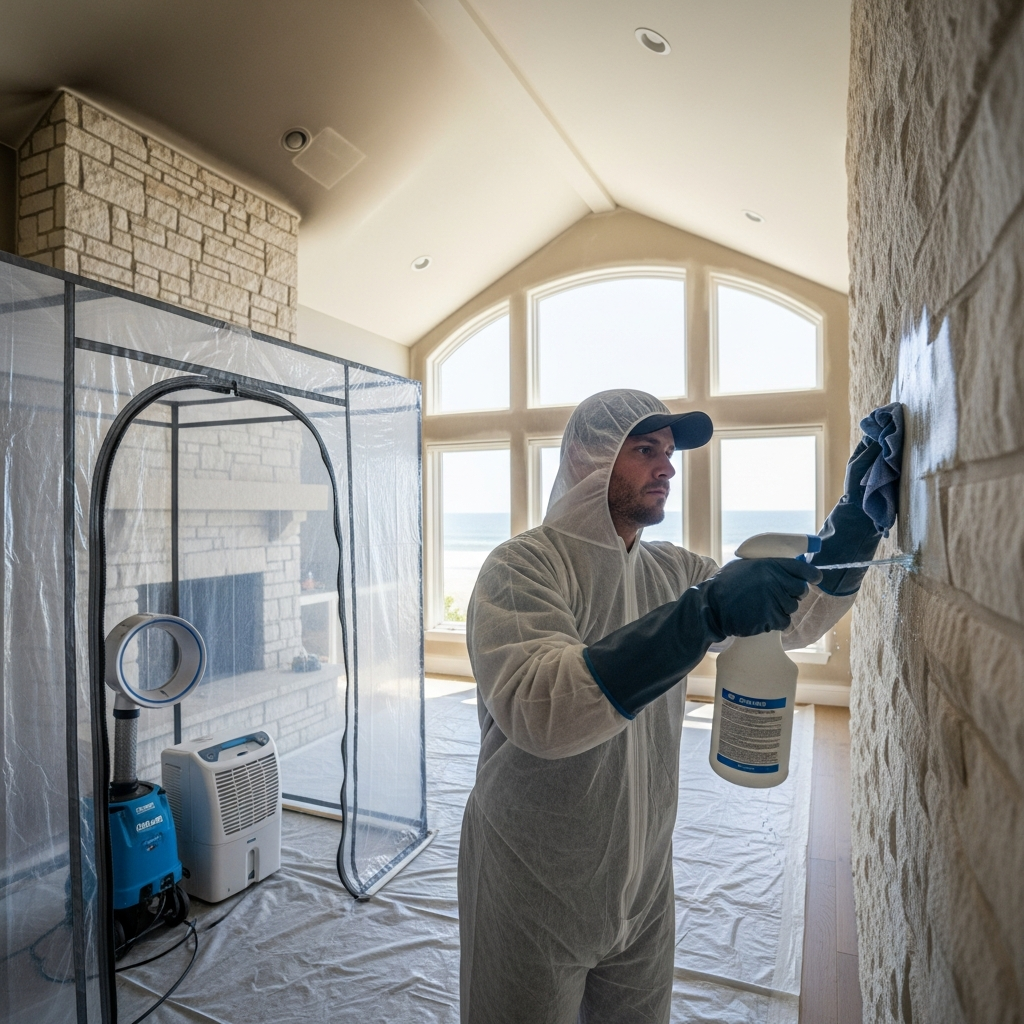
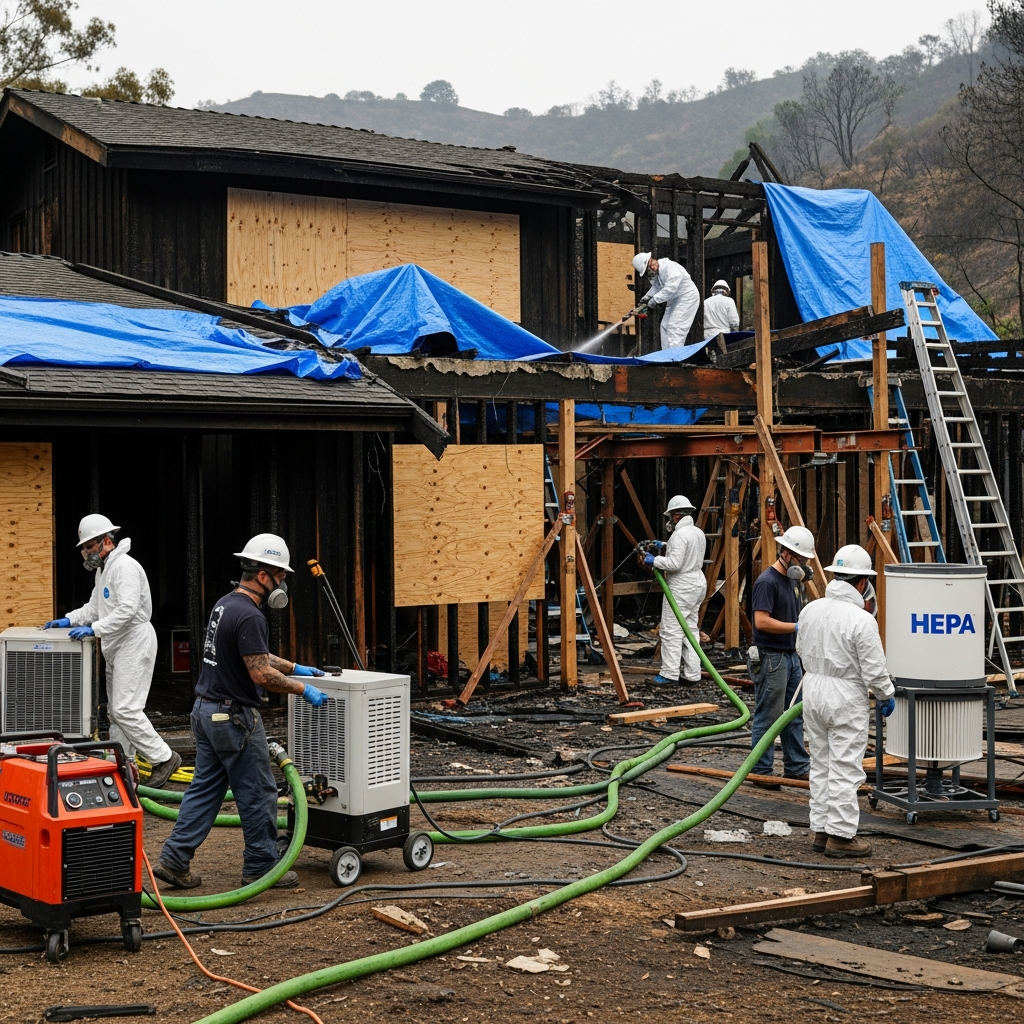
One of the most critical reasons to prioritize restoration is the impact on indoor air. A home may look clean after a mop-up, while moisture remains trapped beneath baseplates or behind cabinets. Over time, that hidden dampness can degrade air quality and cause odors that feel impossible to eliminate. HEPA filtration, negative air containment, and targeted cleaning techniques do more than tidy up—they restore the air you breathe. For households with sensitive individuals, that attention to air quality is often the most important part of the process.
Because Malibu homes often rely on natural ventilation—open doors, sliding walls, and large operable windows—airflow pathways can spread dust and spores far beyond the initial wet area. Proper containment, pressure management, and filtration keep the rest of the home protected while work is underway.
Local Construction Nuances
Not all water intrusions are created equal, and not all homes respond the same way. Stucco exteriors can mask trapped moisture; tongue-and-groove ceilings can hold dampness above living areas; and slab-on-grade homes near the beach face different drying challenges than hillside homes with crawlspaces. A local team knows to check parapet details on flat roofs, to test shower pans that may be failing after years of use, and to look closely at window sills that repeatedly collect condensation in the marine layer.
Even the landscaping around a Malibu home plays a role. Irrigation overspray, clogged area drains, and grading that slopes even slightly toward the house can invite water inside. Restoration professionals help identify these issues as part of their assessment, so you’re preventing the next problem while fixing the current one.
Documentation That Protects You
When restoration is handled professionally, you get more than dry walls. You receive clear documentation that supports your records and communication with insurers. Moisture maps, daily logs, and photographs tell a precise story of what happened and how it was resolved. If you later renovate, refinance, or sell, that story proves that the home was cared for correctly and returned to healthy conditions. In a market where buyers are discerning and inspections are thorough, that can make a real difference.
Prevention as a Byproduct of Restoration
One overlooked benefit of engaging pros is the insight you gain into prevention. Perhaps a small change in a downspout’s path, a new drain screen, or a smart sensor beneath a sink can avert a future incident. Because restoration technicians see patterns across Malibu—from Big Rock to Broad Beach—they know which trouble spots pop up again and again. Their suggestions are practical, informed, and tailored to our microclimates. Smart prevention transforms a stressful event into a learning moment that strengthens your home’s resilience.
Mid-Project Reassurance
As equipment hums and readings improve, the middle of a restoration project is where reassurance sets in. You see moisture numbers drop, odors lift, and materials stabilize. If additional investigation reveals a hidden pocket of dampness, a good team will explain the findings and adjust the plan. That steady communication, rooted in experience with Malibu’s coastal challenges, turns uncertainty into momentum—and ultimately into successful water damage restoration.
What You Can Expect Day to Day
Expect order from the very first visit. Safety comes first—securing power, avoiding slip hazards, and establishing containment if demolition is necessary. Extraction removes visible water, then dehumidifiers and air movers are staged strategically to promote even drying without damaging sensitive finishes. Technicians return daily to test, reposition equipment, and confirm progress. You’ll receive updates that explain what the numbers mean and when target moisture levels are likely to be reached.
Once drying is complete, repair plans move forward—patching, painting, reinstalling trim, and refinishing floors where needed. The goal is to restore both function and feeling: the comfort of stepping onto a floor that sits flat and steady, the relief of a wall that paints smoothly, the quiet of a home without equipment, and the fresh scent of air that feels truly clean.
Frequently Asked Questions
Why is Malibu especially vulnerable to water damage?
Our coastal climate brings salt air, humidity, and intense seasonal storms. Those conditions stress building materials and allow moisture to linger in hidden places. Restoration tailored to these realities is essential.
Can I dry things out with fans and open windows?
Fans and ventilation help, but they rarely reach hidden moisture in wall cavities, under flooring, or behind cabinets. Without proper dehumidification and verification, you may leave dampness where it can cause long-term issues.
How long does restoration take?
Most projects dry in several days to a week, depending on materials, saturation, and access. Complex assemblies—plaster, stone, or dense subfloors—can take longer. Daily measurements guide decisions and confirm completion.
Do I need mold testing?
Testing can be helpful in certain situations, especially after prolonged moisture exposure. A professional will assess conditions, recommend containment when appropriate, and use HEPA filtration to protect air quality during work.
Will there be odors?
Odors are common at the start but diminish as moisture is removed and materials are cleaned. Filtration and antimicrobial cleaning further neutralize lingering smells.
Should I stay home during the process?
Many homeowners do, especially for small, contained areas. For large projects or for sensitive individuals, a temporary stay elsewhere may be more comfortable. Clear communication helps you decide what’s best.
Your Next Step
Protecting a Malibu home means responding quickly and thoughtfully when water appears where it shouldn’t. If you’re facing damp materials or unexplained odors now, or you want guidance before the next storm, get expert help on your timeline. Start a conversation with local professionals who understand this coast and can deliver proven water damage restoration. Your home—and your peace of mind—will be stronger for it.