When you live in Malibu, you quickly learn that water has a way of writing its own story across the coast. It’s in the morning marine layer that drifts over the canyons, in the salt mist that settles on windows along PCH, and in the winter storms that can turn quiet creeks into rushing streams. As a local, I’ve seen how even a small leak can become a serious issue when salty air, humidity, and sudden weather changes get involved. That’s why the benefits of professional water damage restoration aren’t abstract here—they’re practical, everyday protections for the homes we love, from the beachside bungalows near Malibu Colony to the hillside sanctuaries above Latigo and Point Dume. If you’ve ever dealt with damp drywall, swollen hardwood, or a stubborn musty odor, you already know what’s at stake and why timely action matters.
In Malibu, the smartest first step after discovering water intrusion is to connect with experienced pros who understand the coast’s unique challenges and can tailor a plan for your property’s materials and microclimate. There’s a world of difference between simple cleanup and comprehensive water damage restoration that addresses the source, the structure, and the air you breathe. The benefits cascade from day one: faster drying, safer indoor air, better documentation, and a smoother path back to normal life.
Protecting Health and Indoor Air Quality
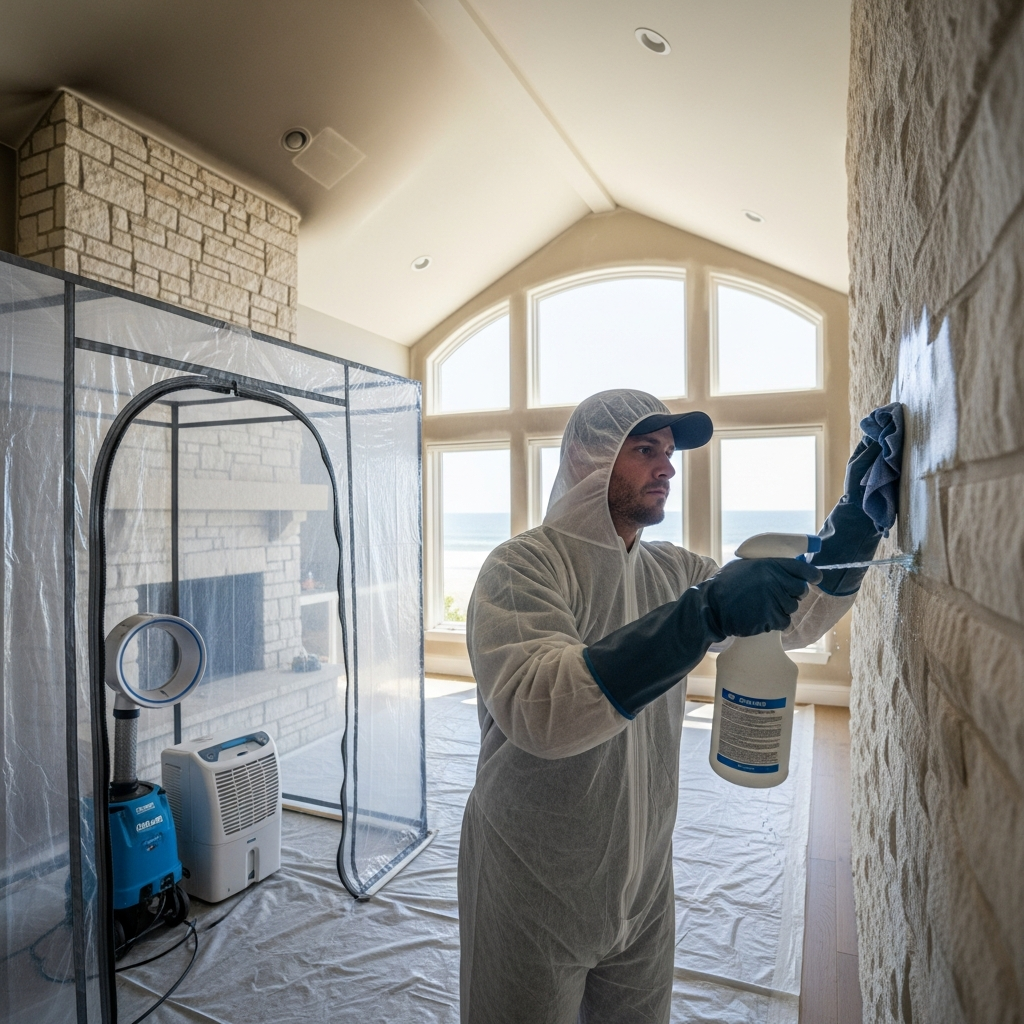
Malibu’s mix of warmth and humidity can turn a minor leak into a persistent air quality problem. When moisture lingers in wall cavities, beneath stone flooring, or within insulation, microscopic life quickly follows. Mold spores can multiply in as little as 24–48 hours, and those colonies can settle behind tile, under baseboards, or inside cabinets. Professional restoration teams bring industrial dehumidifiers, HEPA air filtration, and antimicrobial strategies that specifically target these hidden risks. The result isn’t just a dry room; it’s an indoor environment that feels fresh again—where you can breathe deeply without worrying what’s floating in the air.
People often notice the difference immediately after a thorough remediation. That stubborn basement odor or the faint mustiness in a guest room that seemed impossible to pinpoint is gone. In homes with young children, older adults, or anyone with allergies or asthma, this health-focused approach is more than a benefit—it’s essential. The best teams keep a tight chain of containment when they remove damaged materials so spores and dust don’t spread through ductwork or open spaces. In a city where we embrace ocean breezes and open windows, you still want positive control over the air moving through your home during a restoration.
Preserving Structure and Finishes
Malibu homes run the full design spectrum: classic Spanish Revival with plaster walls and red tile roofs, mid-century gems with tongue-and-groove ceilings, and contemporary spaces finished with imported stone and wide-plank hardwood. Each material absorbs, retains, and releases moisture differently, which is why a one-size-fits-all drying plan can cause more harm than good. The benefit of professional restoration is precision: mapping the moisture, understanding how it moved, and choosing techniques that preserve structure and finishes rather than simply blasting every room with heat and airflow.
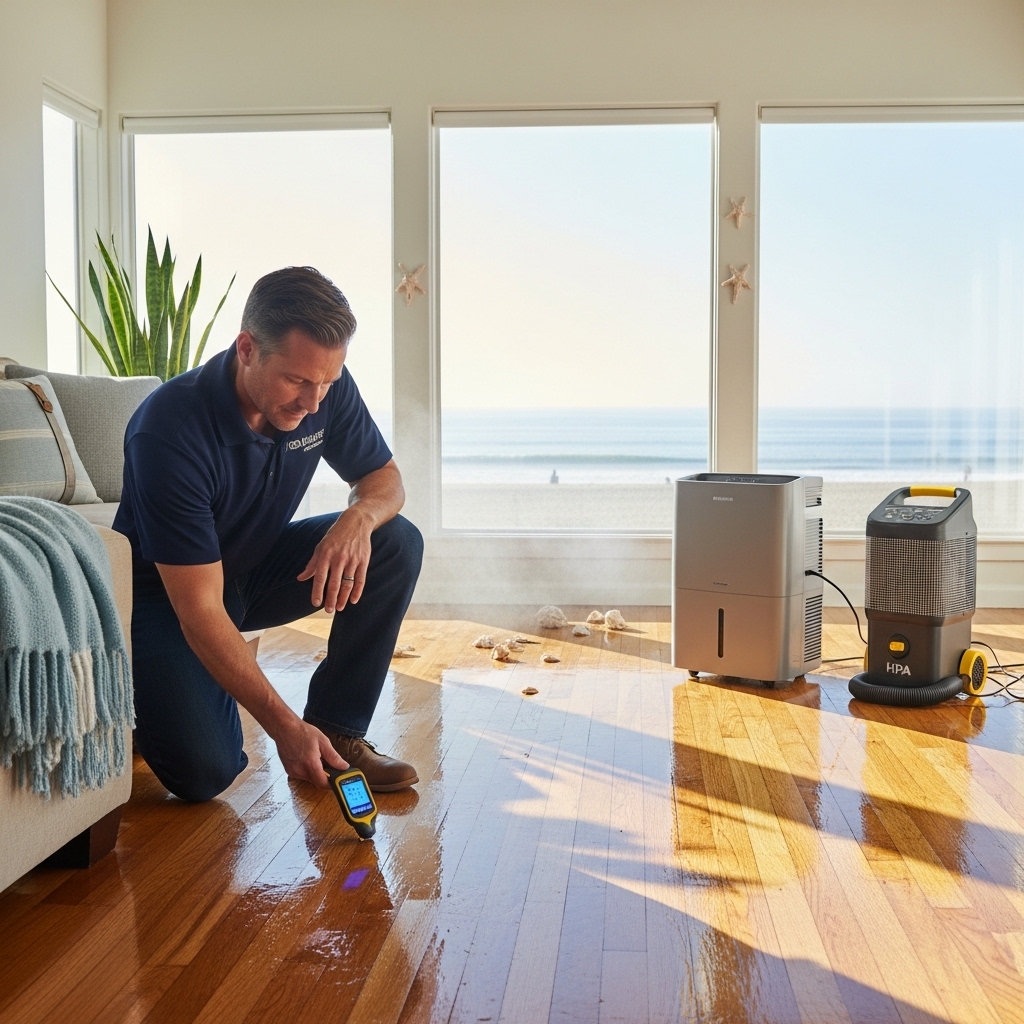
Take hardwood floors as an example. Swelling and cupping can sometimes be corrected if negative pressure drying mats and balanced dehumidification are deployed early enough. Plaster walls might be salvageable with careful drilling and cavity drying—especially important in homes where historic details matter. Even engineered wood, built-ins, and custom cabinetry often respond well when the drying process is matched to the material’s tolerances. That attention to detail isn’t just about aesthetics; it safeguards the long-term stability of the home, avoiding secondary damage like nail pop, paint failure, and warped framing.
Speed Matters—And So Does Documentation
Every Malibuite knows that when a storm rolls in off the Pacific, conditions can shift in minutes. The same urgency applies to drying a home. The faster you remove standing water and reduce humidity, the less time moisture has to wick into porous materials. Professional teams arrive with extraction tools, thermal cameras, and calibrated moisture meters to create a complete snapshot of the situation. That documentation has immediate benefits for your insurance claim and long-term value for the home’s maintenance record. Detailed moisture maps, daily drying logs, and photographic evidence create a clear narrative of what was affected, what was removed, and how the property was brought back to pre-loss condition.
This level of transparency reduces friction at a stressful time. Instead of wrestling with uncertain timelines or partial fixes, you’ll know exactly what’s happening and why. Effective documentation also helps during any future renovation or sale, when buyers and inspectors may ask, “Has this home ever had water damage?” Being able to show a professional, well-documented restoration is a powerful reassurance.
Stopping Problems at the Source
Restoration is not just about drying—it’s about solving. In Malibu, water can come from many directions: a roof membrane compromised by salt air, a hillside drain overwhelmed by an atmospheric river, a pinhole copper leak accelerated by corrosion, or a misrouted HVAC condensate line. A key benefit of professional restoration is a methodical source investigation so you fix what caused the issue in the first place. Teams coordinate with roofers, plumbers, and building inspectors when needed, and they advise on preventive upgrades like shutoff sensors, backflow valves, or improved exterior grading.
On sloped lots across Malibu Canyon and Encinal, runoff behaves in ways that surprise even seasoned builders. The right expert will read the site like a map—looking at downspout terminations, sub-drains, and retaining walls—to recommend adjustments that keep water moving away from the envelope. That kind of guidance can save you from the heartache of a repeat event months down the line.
Local Knowledge, Local Materials
There’s a rhythm to homes along the coast that an inland contractor might miss. Salt air accelerates metal corrosion; stucco traps moisture differently than painted siding; and older windows can pull humid air across cool glass, causing condensation that damages sills over time. Local restoration pros are fluent in these details. They know which adhesives fail in damp conditions, which baseboard profiles allow better airflow during drying, and how to protect sensitive finishes while equipment is in place. The benefit is a restoration that fits Malibu’s climate, not generic conditions somewhere else.
This local fluency extends to communication and courtesy. Professional crews accustomed to working in Malibu understand how to preserve privacy in close-knit neighborhoods, how to maintain low noise levels, and how to keep project areas tidy even during intensive work. In the middle of a stressful event, that professionalism has a soothing effect. It also means you can trust their recommendations, whether they suggest targeted demo in a laundry room or meticulous surface drying to save a custom cabinet run. When combined with proven methods, this experience elevates routine cleanup into true water damage restoration that respects your home and your routines.
Protecting Value and Peace of Mind
Many Malibu homeowners invest deeply in their properties—time, attention, and heart. Restoration protects that investment by preventing the slow, compounding damage moisture can cause behind the scenes. It also protects your peace of mind. Each day you walk past a stain or smell something off, worry grows. Bringing in experts shrinks that stress. They set a plan, explain the steps, and show you progress as moisture readings drop. You regain control of your home and your calendar.
There’s also the benefit of resilience. Thoughtful restoration leaves a home better prepared for the next season. Maybe that means improved attic ventilation to manage coastal humidity, a sensor under the refrigerator, or a cleanout plan for a finicky French drain. Incremental upgrades add up, and the best restorers will point out opportunities as they work, so you leave the experience stronger than before.
What the Process Looks Like
From the first phone call, you should expect calm confidence. A trained team will ask targeted questions about the source, the rooms involved, and any visible discoloration or odors. Upon arrival, they’ll focus on safety—power, slip hazards, and containment—then move quickly to extract standing water. Equipment comes next: dehumidifiers to pull moisture from the air, air movers to accelerate evaporation, and meters to guide every decision. If materials must be removed, it’s done with care, keeping dust to a minimum and separating clean spaces from work zones.
Each day, technicians measure progress, adjust equipment, and keep you informed. When target moisture levels are reached, they remove gear and leave a clear path for repairs—whether that’s patching drywall, replacing baseboards, or refinishing floors. The part you’ll remember most is the feeling of your home returning to normal—the quiet after the hum of equipment, the return of familiar scents, the ease of drifting off to sleep without worrying about hidden moisture.
Preparing for the Seasons Ahead
In Malibu, seasons are subtle, but they matter. Before winter rains, check roof flashings, clean gutters, and ensure downspouts move water away from foundations. Before summer, confirm that condensate lines are clear and that dehumidifiers or smart sensors are positioned where they can do the most good. A restoration professional can help prioritize these steps. Their insights turn routine maintenance into a tailored plan that aligns with your property’s location—oceanfront, canyon, or ridge—and with the unique architecture under your roof.
Frequently Asked Questions
How quickly should I act after discovering water damage?
As quickly as safely possible. Early action prevents moisture from spreading to hidden cavities and reduces the chance of mold growth. Even small delays can extend drying timelines. Call a professional when you notice wet materials, staining, buckling floors, or musty odors, and shut off the water if a plumbing issue is suspected.
Can wet hardwood floors be saved?
Often, yes. If the source is addressed and drying begins quickly, specialty equipment can remove moisture from below and between boards. Success depends on how long the wood was saturated and whether moisture has compromised the subfloor. A professional will test and monitor before recommending refinishing or replacement.
Will there be a lot of demolition?
Not necessarily. Modern restoration favors targeted opening of walls or ceilings to ventilate and dry hidden spaces. The goal is to remove only what cannot be safely saved. With precise moisture mapping, selective demo can protect finishes and speed up the return to normal.
Is mold always present after a leak?
Not always, but mold can begin growing quickly in Malibu’s climate. If materials stayed wet for more than a day or two, assessment and containment are important. Air filtration and antimicrobial cleaning, combined with controlled drying, reduce risk and improve air quality.
Do I need to leave my home during restoration?
It depends on the scope. For small, contained areas, many homeowners stay. For larger projects with containment barriers, equipment noise, or sensitive individuals in the household, a temporary stay elsewhere can be more comfortable. A trustworthy team will explain options clearly.
How long does drying usually take?
Most projects take a few days to a week, depending on materials, access, and the initial moisture load. Dense materials like plaster and stone take longer than drywall. Daily measurements confirm when targets are reached.
Final Thoughts and Next Steps
If there’s a thread running through all of this, it’s that water damage restoration pays dividends far beyond the immediate cleanup. It protects your health, your investment, and your peace of mind in a coastal community where moisture is a constant companion. If you’re dealing with dampness now—or want guidance before the next storm—reach out to a reputable local team. Start the conversation today and set your home on a sure path back to comfort with expert water damage restoration. Your home deserves the kind of care that respects Malibu’s unique climate and your unique space.