Talking about the cost of restoring a Malibu home after water damage is really a conversation about context. No two properties are the same here, and the ocean’s proximity, the complexity of hillside construction, and the caliber of finishes all shape what it takes to return a space to its best self. Homeowners often begin by asking for a number, but the most useful first step is understanding what drives the overall investment and how smart decisions early on can limit scope later. With the right team and a plan tailored to our local conditions, the path from disruption to normal can be both efficient and respectful. Many residents start their journey by consulting experienced professionals in water damage restoration who can translate building science into clear choices.
Malibu’s microclimates are not just weather trivia; they are determinants of effort and duration. Onshore flow brings higher humidity, which slows evaporation and changes how dehumidification is deployed. In cool conditions, a desiccant approach may outperform a refrigerant system, while in warmer rooms the reverse may be true. That choice influences how long equipment runs, how much containment is needed, and how crews stage work to keep unaffected areas comfortable.
The origin of water is another major driver. Clean water from a supply line is less complicated than wind-driven rain that flashes into wall assemblies or a drain line incident that exposes surfaces to contaminants. The more complex the source and the longer the exposure, the more steps are required to restore a safe, dry environment. That can mean moving from drying-only to a combined plan of removal, cleaning, and targeted rebuilding, with appropriate protections and clearances along the way.
Materials and architectural details matter
Malibu homes rarely follow a single template. Wide-plank hardwood over radiant heat, hand-troweled plaster, book-matched stone slabs, and custom millwork each respond to moisture differently. Some materials can be dried in place with careful monitoring; others may need to be removed and reinstalled to protect their integrity. Matching custom finishes later depends on documentation at the outset—cataloging patterns, pigments, and profiles while the work is fresh in everyone’s mind. When restored thoughtfully, the result is indistinguishable from pre-loss, even in the most curated rooms.
Access is both a practical and a financial consideration. Narrow roads, limited parking, and multi-level layouts require planning. Efficient staging minimizes time spent moving equipment and maximizes time spent solving the problem. In canyon residences, carrying gear up stairs or across steep lots can extend setup, while oceanfront properties may present wind and salt exposure that changes how equipment is used and protected.
Scope grows or shrinks with time
Water follows physics, not schedules. A small leak that runs for days can migrate under floors, wick behind baseboards, and collect in cavities where evaporation is slow. The earlier the stabilization, the more contained the footprint tends to be. Acting quickly can keep demolition surgical—think baseboard removals and targeted openings rather than broad wall cuts—and that, in turn, preserves finishes and shortens the repair arc. Waiting, by contrast, often means chasing moisture farther and integrating remediation for microbial growth that took advantage of the delay.
Another variable is the season. During a cool, damp stretch, crews may rely more on containment and dehumidification to control the environment, while in hotter spells they carefully add heat to accelerate evaporation without stressing materials. These choices are not cosmetic; they affect how long equipment remains in place and how many site visits are required to monitor progress and adjust strategy.
Documentation: the thread that holds it together
Clear records are essential—photos, moisture maps, readings, and notes that track decisions. Documentation guides approvals and smooths collaboration with insurance representatives, designers, and contractors. It also prevents rework. When everyone can see exactly what was opened, what was preserved, and why, downstream trades move faster and align their efforts with the original plan.
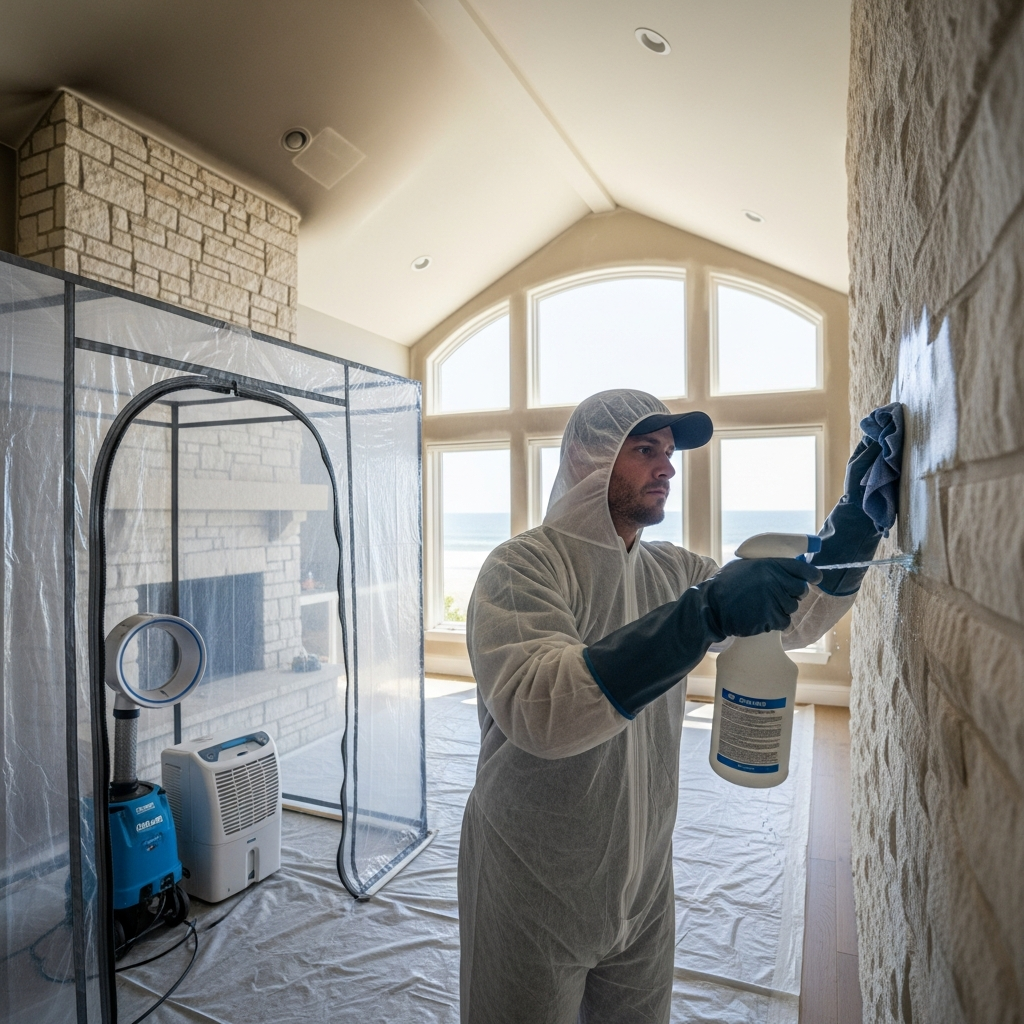
There is a human dimension too. Protecting cherished items and minimizing disruption are part of the calculus. Thoughtful pack-out, careful labeling, and clean containment can make living through the process manageable, whether you remain in place or decamp for a few days. A team that respects your routines helps you feel in control even while the house is being carefully deconstructed and dried.
Malibu-specific factors that influence overall expense
Oceanfront properties contend with salt-laden air that accelerates corrosion, sometimes revealing hidden vulnerabilities when water intrudes. Window assemblies and fasteners may need special attention, and large format glass areas influence how wind-driven rain behaves. Canyon homes, meanwhile, bring steep approaches and varied construction vintages; a 1960s ranch remodel will not respond the same way as a recent modern build. Local traffic patterns and the occasional PCH interruption affect scheduling and staging, particularly during storms. Teams familiar with our rhythms predict these variables and plan around them.
Finishes are a point of pride in Malibu, and restoration respects that. Stone showers require careful dismantling to maintain match lines. Custom-stained floors demand deliberate moisture balancing to avoid cupping or crowning. Even the choice of temporary protection—ram board, felt, or specialized mats—reflects the home’s particular surfaces and how best to shield them while work proceeds.
Aligning expectations with your insurer
Most claims processes are smoother when communication is proactive and transparent. Early summaries that explain the source, the affected areas, and the rationale for containment and removal steps give adjusters what they need to move forward. Your restoration partner acts as a translator, mapping field conditions to policy language and aligning scope with standards. That collaboration shortens timelines and avoids misunderstandings.
Mid-project check-ins are a smart habit. As materials dry and areas open, the picture becomes clearer. Teams can confirm that the original plan still fits or adjust it thoughtfully, especially if additional moisture is found in adjacent rooms or under floor transitions. This kind of agility is part of what makes a local specialist valuable; they anticipate where to look and what choices preserve the most while protecting the home’s health.
Prevention and resilience
No one invites water damage, but you can reduce exposure. Regularly checking supply lines to appliances, inspecting roof penetrations before storm season, and verifying door and window seals along the beach can help. In hillside homes, attention to drainage around foundations and path lighting that makes night inspections safe goes a long way. When something does happen, however, the emphasis returns to decisive, informed action.
Some homeowners choose to incorporate resilience upgrades during repairs—improved flashing at tricky transitions, better ventilation in risk-prone rooms, or added monitoring in mechanical spaces. Because Malibu homes are often custom, small design adjustments can produce outsized benefits in comfort and protection.
Frequently asked questions
Below are insights that homeowners often seek when weighing the effort involved and the variables they can control.
What drives the overall cost more: materials or time?
Both matter, and they influence each other. High-end materials may demand more careful removal and reinstallation, which adds steps, while longer drying periods increase site visits and monitoring. The quickest way to keep both in check is rapid stabilization and a plan tailored to your home’s specific assemblies.
Does oceanfront location change the approach?
Yes. Salt air and wind-driven rain behave differently than inland moisture events. Restoration teams adjust containment, drying equipment, and protective measures for finishes and metals exposed to saline conditions.
How does a slow leak affect the process?
Slow leaks tend to spread quietly and create pockets of moisture behind finishes. Addressing them often involves opening select areas for inspection and drying, and in some cases integrating remediation if conditions were conducive to microbial growth.
Can I remain in the home during restoration?
Often you can, especially when containment is well planned and noise is managed. Your team will advise based on air quality, safety, and the extent of work in living areas.
What should I document as the homeowner?
Take photos as you find the issue, note when you discovered it, and keep records of communications. Your restoration team will build a comprehensive file, but your perspective adds valuable context.
How do I choose the right partner in Malibu?
Look for local experience, clear communication, and a balanced approach that respects building science and craftsmanship. Ask how they plan to protect your finishes and verify dryness before repairs begin.
When the question is what it will take to make your home whole again, clarity beats guesswork. A knowledgeable, locally grounded team can explain the variables, set expectations, and move decisively from assessment to restoration. If you want a clear path forward now, reach out to a trusted provider of water damage restoration and take the first step toward putting your Malibu home right.