In Malibu, where homes span from beachfront bungalows to hillside retreats, water issues can arrive with a storm squall, a supply line failure, or a subtle leak that takes time to reveal itself. When that happens, homeowners sometimes consider renting equipment to stabilize a situation quickly. Done thoughtfully, rental can be a helpful bridge between discovery and full restoration, especially when the incident is small and contained. Understanding what the machines do, how to position them, and how to measure progress is the difference between a successful DIY stabilization and a fix that misses hidden moisture. Before you pick up a dehumidifier or an air mover, it helps to think like a local pro and to recognize when it is smarter to call in comprehensive water damage restoration.
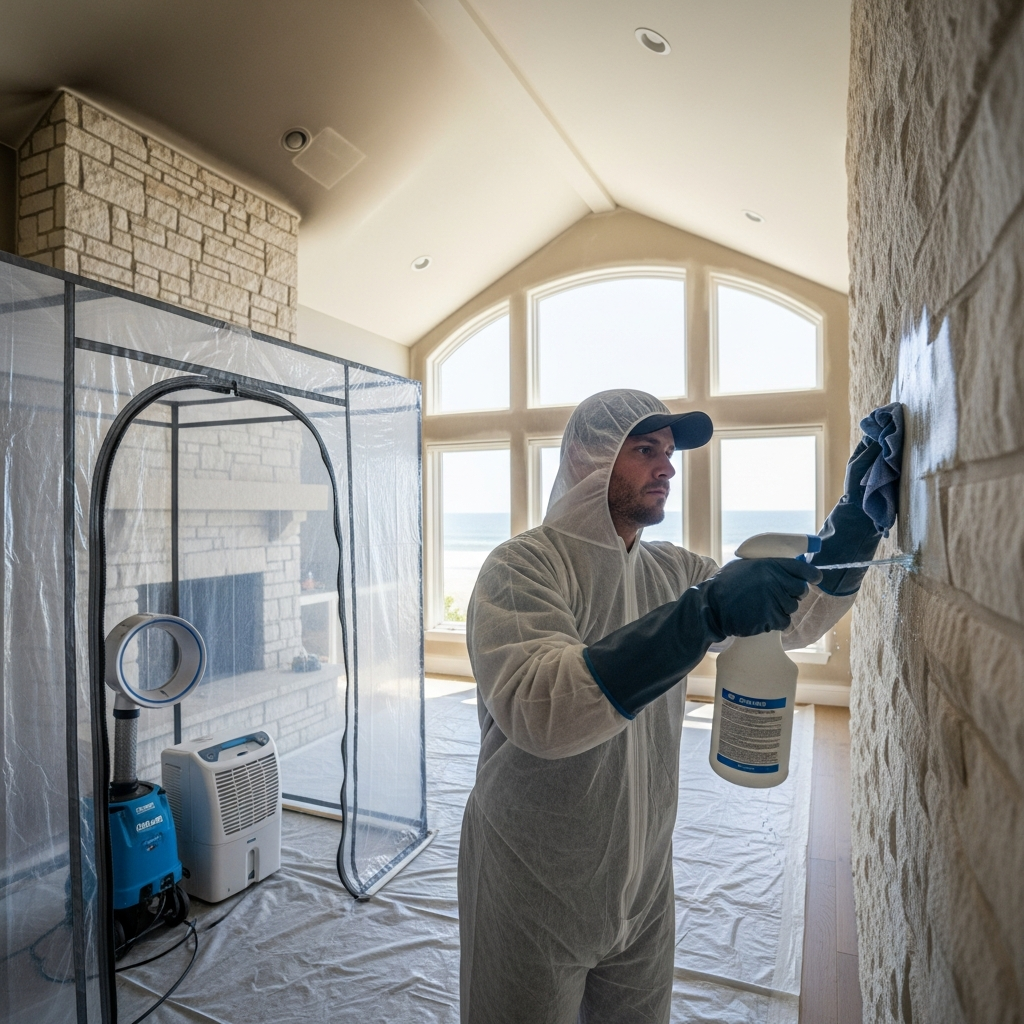
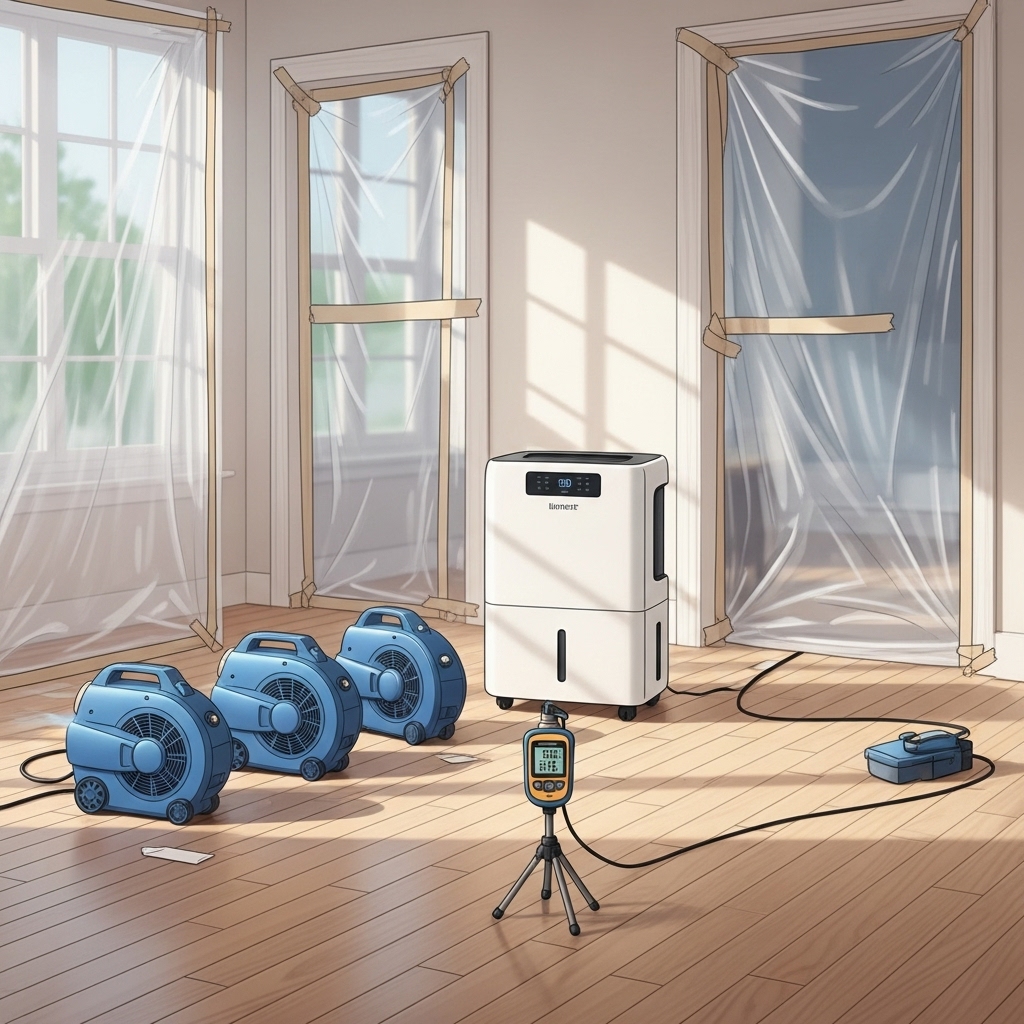
Malibu’s environment influences drying more than many people realize. The marine layer raises ambient humidity along the coast, which can make household dehumidifiers feel underpowered. In canyons, cool air in the mornings slows evaporation, while hillside properties may have crawl spaces that trap dampness out of sight. If you rent equipment, be ready to control the environment as much as possible. Close windows to prevent humid air from entering, use containment to limit the size of the drying chamber, and keep doors to unaffected rooms shut. These simple steps improve the performance of any rental unit.
Understanding the core equipment
Air movers and dehumidifiers do different jobs. Air movers push dry air across wet surfaces, encouraging moisture to leave materials. Dehumidifiers pull moisture out of the air so that air movers have somewhere to send it. Without the latter, the room can become a humid bubble that stalls drying. In Malibu, where ambient humidity can be high, a dehumidifier with adequate capacity is crucial. Pay attention to power requirements and heat load; some units add warmth to the space, which can be a benefit for drying but uncomfortable in an occupied room. Monitor temperature and humidity so you can adjust as needed.
Extraction equipment is equally important. The less standing water you leave in place, the shorter the overall drying curve. Wet vacuums help but have limited pull compared to professional extractors. If flooring is saturated, consider whether the water migrated into underlayment or subflooring, where surface tools cannot reach. Mats that pull moisture from hardwoods exist, but they require careful setup and monitoring to be effective. Without measurement tools, it is easy to think a surface is dry when deeper layers remain wet.
Measuring and verifying progress
The most common mistake in DIY drying is closing up too soon. A wall can feel dry to the touch while moisture lingers behind baseboards or cabinets. That is why moisture meters matter. Non-invasive meters give a quick read, while pin-type meters provide more precise information in specific materials. Keeping a simple log of readings each day helps you see whether your setup is actually working. If numbers plateau, you may need more dehumidification, tighter containment, or targeted demolition to expose wet areas. In a coastal environment, patience and data are your allies.
Noise and logistics also deserve consideration. Air movers create constant sound, and dehumidifiers vent warm air. In occupied homes, think about sleep and work schedules as you position equipment. Protect floors, corners, and finishes with runners and guards so that hoses and cords do not scuff or dent surfaces. If you share walls with neighbors or live in a building with quiet hours, plan around those windows and communicate so expectations are aligned.
Safety and building considerations
Before demolition of any kind, understand what you are opening. Malibu includes homes of many vintages, and certain materials may require testing before disturbance depending on age and scope. Always cut power to areas where you will be working near outlets or fixtures that may have been wet. Be mindful of GFCI protection when operating equipment in damp spaces. If you are dealing with water from outside or from a source that may carry contaminants, personal protective measures and containment become even more important. Err on the side of caution, especially where children or immunocompromised family members are present.
In garages and utility rooms, ventilation can help, but it is not a substitute for dehumidification. Simply opening windows to the sea breeze rarely delivers the controlled environment you need, because the air may carry as much or more moisture than what you are trying to remove. The temptation to rely on fresh air is strong in Malibu, but the physics of drying favor closed systems and measured control. If you rent, choose equipment with the capacity to change the air conditions in the room, not just move it around.
When rental is enough and when to call a pro
Small, clean-water incidents caught quickly are the best candidates for rental. Think of a laundry overflow discovered right away on tile, or a minor sink leak that dampened a small section of baseboard. If, however, water has tracked into walls, ceilings, or built-in cabinetry, or if you are unsure how long it has been present, a professional assessment is wise. Hidden moisture in a coastal climate can linger and cause problems later. A local technician can map the full footprint, advise on whether your plan is sufficient, and step in if more extensive measures are needed.
At the midpoint of many DIY projects, homeowners realize they need help with a stubborn area or with documentation for insurance. There is no shame in calling for backup. An experienced company can integrate with what you have already done, verify readings, and take over complex sections. If you want a sanity check from a team that lives and works in Malibu, consider a consultation rooted in full-scale water damage restoration to ensure your efforts are on the right track.
Planning ahead and preventing future issues
Once you have navigated a water incident, a short debrief goes a long way. Identify the source, review how quickly you responded, and note what tools or access would have helped. Leak detection on critical lines, improved sealing at vulnerable doors, and routine inspection of roof and drainage details all contribute to resilience. In beach homes, clean weep holes and inspect thresholds before the rainy season. In canyons, check crawl spaces after the first heavy rain. These habits reduce the odds that you will need rental equipment again soon.
Frequently Asked Questions about Equipment Rental
What size dehumidifier should I rent for a Malibu room?
Capacity depends on room size, saturation level, and ambient humidity. In coastal conditions, choose a unit with sufficient moisture removal to control the space, and pair it with containment so it is not trying to dry the entire home. Monitoring humidity and adjusting is essential.
Can I dry hardwood floors myself?
Sometimes. If the exposure was brief and water did not penetrate deeply, mats and dehumidification can help. Success depends on quick action, proper sealing of the drying area, and daily measurements. When readings stall or if the floor shows significant movement, consult a specialist.
How long should rental equipment run?
Only as long as necessary to reach dry standards, which you verify with consistent readings over consecutive days. Shutting down too soon risks trapping moisture; running without purpose wastes energy. Let measurements guide you.
Is fresh sea air enough to dry my space?
Not reliably. The marine layer often carries substantial moisture, which slows drying. Controlled dehumidification in a contained zone is far more effective than relying on open windows near the ocean.
What if I discover dampness behind cabinets or in a crawl space?
Hidden areas require strategy. Access may be needed to allow air movement and measurement, and safety considerations apply. If you cannot verify conditions, bring in a professional for assessment before closing up.
If you are weighing whether to rent or to bring in a full team, consider your timeline, tolerance for disruption, and the complexity of what you are seeing. When you want certainty and a faster path to normal, a local crew can step in with proven methods and the right gear. Reach out for responsive, expert water damage restoration support that fits Malibu’s climate and your home’s unique character.