Home in Malibu is a mix of ocean air, canyon breezes, and architecture that celebrates light and landscape. When water intrudes, that harmony can feel suddenly fragile. Whether it is a supply line under a kitchen sink, a roof leak after the season’s first big storm, or an unexpected appliance overflow while guests are in town, the response needs to be swift and thoughtful. Local homeowners value privacy, craftsmanship, and minimal disruption to family life, which shapes the way restoration should be handled here. The goal is to stabilize quickly, protect what matters, and return the house to a healthy, beautiful state. That begins with experienced water damage restoration tuned to Malibu’s climate, finishes, and rhythms.
Every home tells a story, and so does every incident. In canyon neighborhoods, morning fog can linger and slow evaporation, making dehumidification more important. On the bluffs and right along the beach, salt air subtly influences materials and hardware, calling for an extra measure of cleaning and protection. Hilltop properties may include long runs of plumbing and multiple levels, so a leak on an upper floor quickly touches spaces below. Understanding these variables shapes decisions in the first hours after discovery. Where is the source, what materials are affected, how long has the water been present, and how will we isolate the area to protect family routines.
First priorities in a Malibu home
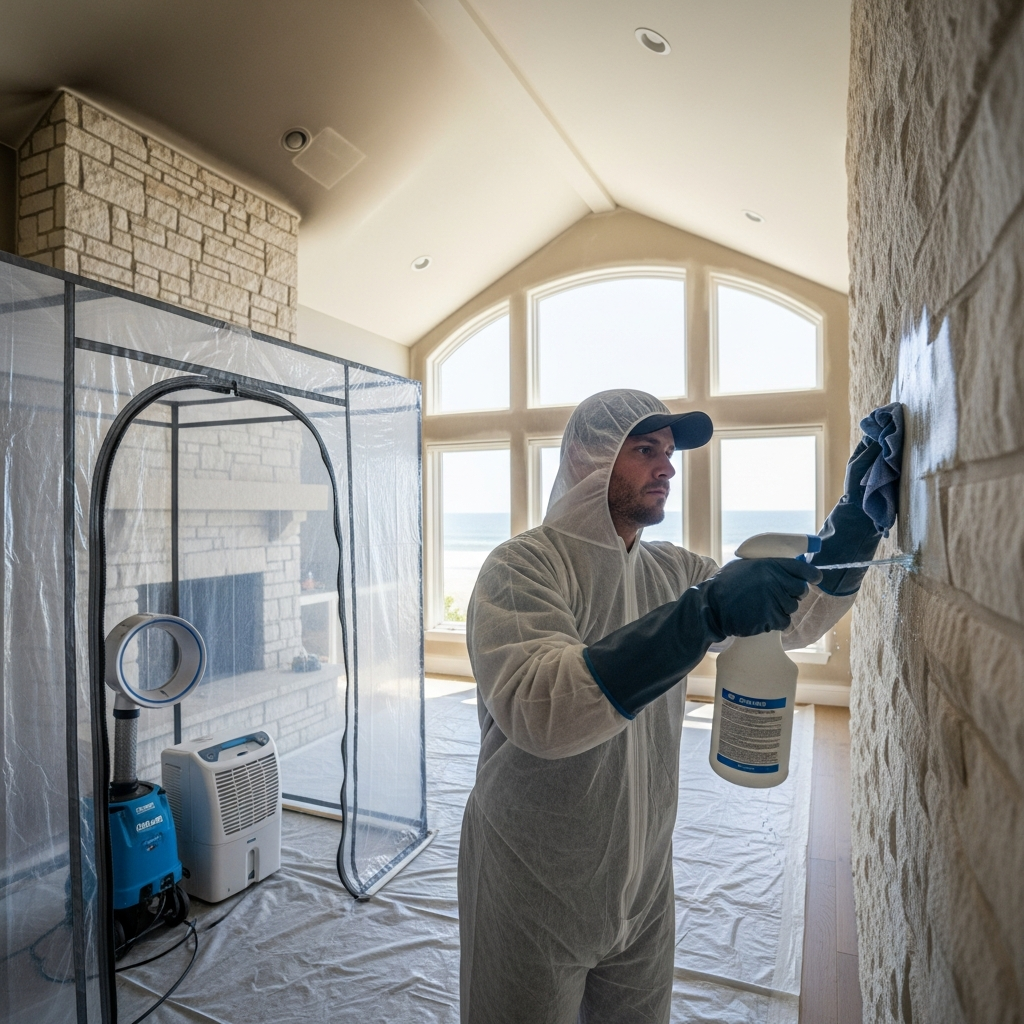
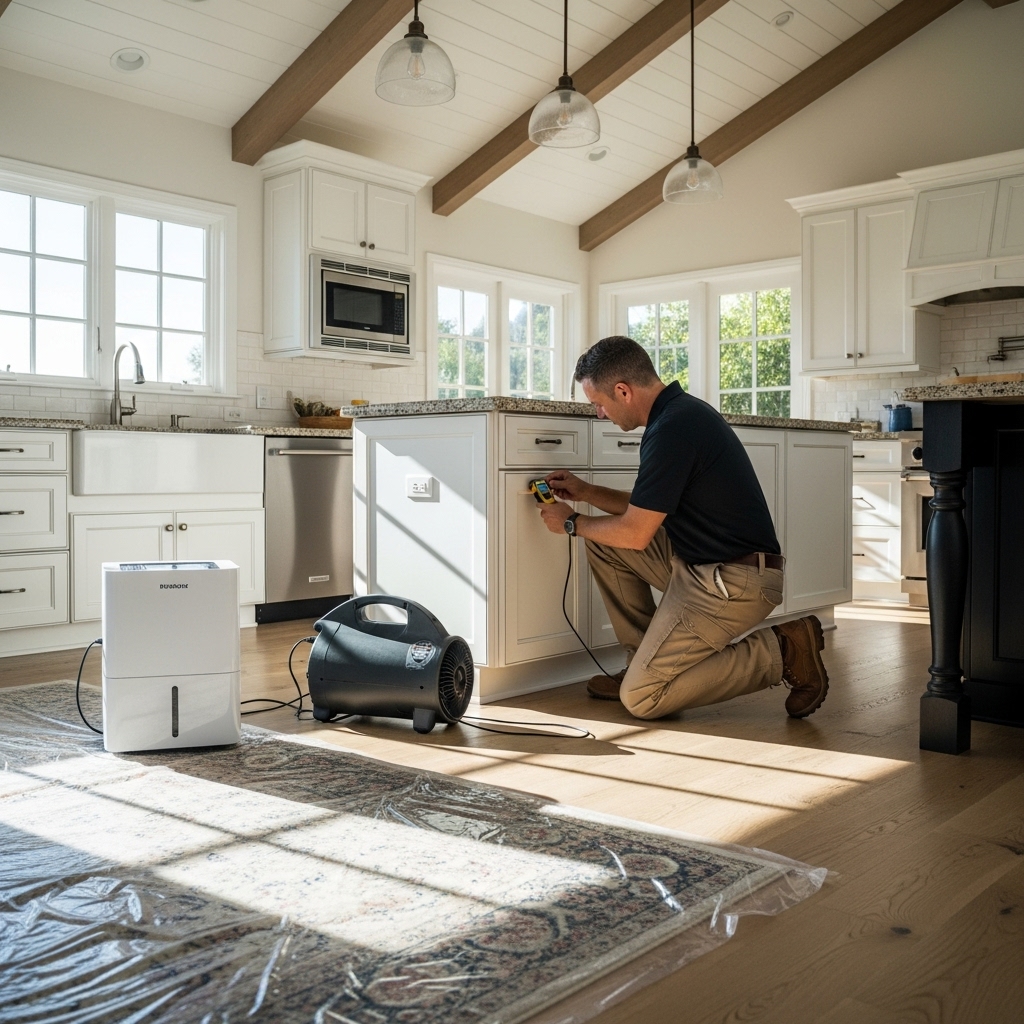
Safety is first, always. Electrical checks, slip hazards, and structural integrity are assessed before anything else. Once the area is safe, bulk water is extracted and materials are evaluated. Plaster walls common in Malibu can sometimes be dried and patched; in other cases, removal is the right call. Hardwood floors may be candidates for mat-based extraction if the exposure was brief; longer events may require board replacement and refinishing. Custom cabinetry and millwork are treated carefully, with toe-kick removal and targeted airflow to reach hidden damp spots. Throughout, protection of unaffected spaces is paramount—clean runners, corner guards, and dust control respect your home and your schedule.
Communication with the household sets expectations. Families with children and pets need clear plans for access and quiet hours. Where possible, equipment is positioned to maintain normal life in unaffected areas. Bedrooms may be prioritized for rapid return to use, while living areas receive more extended treatment. Daily updates and moisture readings provide visibility so that homeowners know what progress looks like and when transitions will occur.
Materials, finishes, and the Malibu aesthetic
Malibu homes often feature natural stone, smooth plaster, wide-plank hardwoods, and expansive glazing. These finishes respond differently to water. Stone can hold moisture deeply and requires controlled drying to avoid surface changes. Plaster can be resilient but may need repair if water has tracked behind it. Wood responds quickly to humidity and benefits from early stabilization to prevent cupping. For rugs, upholstery, and textiles, early cleaning and drying help preserve color and texture. The right approach combines technical accuracy with respect for the home’s design language so that repairs blend seamlessly.
Outdoor-indoor transitions are a special focus. Sliders that open to decks or patios can admit wind-driven rain, especially during winter storms. Checking thresholds, weep holes, and flashing details during repairs helps reduce future risk. In hillside homes with crawl spaces, post-event inspections ensure that hidden pockets of moisture do not linger. The marine layer adds another dimension, making dehumidifier selection and zoning important for efficient drying without overwhelming living areas.
The restoration journey from disruption to renewal
After stabilization, the quiet, measured work begins. Containment keeps conditioned air where it does the most good, and dehumidification lowers humidity so that materials release moisture. Air movers are adjusted daily based on readings, nudging the environment toward dry standards. This phase can feel uneventful, but it is where discipline matters most. Proper documentation—photos, moisture maps, and daily notes—provides a clear narrative of progress and supports any discussions with insurers.
When dry standards are met, attention turns to rebuilding. Malibu homeowners rightly expect craftsmanship in repairs. Matching plaster sheen, weaving in new boards to hardwoods, and blending paint so that light reads consistently across surfaces all require care. If finishes are discontinued or hard to source, alternatives are proposed that maintain the home’s character. The aim is a result that feels whole, not patched, and that allows family life to resume without reminders of the incident.
Insurance and planning
Many water events intersect with homeowners insurance, and clear documentation helps. A transparent scope describing what was removed and why, along with photographs and moisture readings, supports efficient conversations. Homeowners benefit from a contractor who can explain technical steps in plain language and who understands the pacing of claims reviews, inspections, and approvals. The smoother that coordination, the quicker the home returns to normal.
Decisions during planning often include whether to introduce resilience upgrades. Leak detection on critical supply lines, improved sealing at vulnerable entries, and thoughtful selection of moisture-tolerant materials in lower levels can all reduce the odds of a repeat incident. None of these changes has to alter the home’s look; they simply strengthen its performance in a coastal climate.
Life logistics during restoration
Restoration touches daily life, so logistics matter. For families juggling school, work, and social commitments, clear windows of quiet time, reliable arrival schedules, and neat job sites make a difference. Pets are considered in access plans, and protective barriers keep curious hands and paws away from equipment. Where repairs involve multiple trades, sequencing is coordinated to compress timelines and minimize repeated mobilizations. This attention to the human side of restoration keeps stress down and momentum up.
Seasonal patterns in Malibu homes
Those of us who live and work here notice patterns. The first real rain often reveals roof vulnerabilities and door thresholds that looked fine during the dry months. Summer brings more guests and heavier use of laundry and bathing fixtures, increasing the chance of supply line issues. Power outages and the return of electricity can stress appliances. Knowing these cycles helps homeowners and contractors prepare, which, in turn, reduces the impact when something does happen.
Frequently Asked Questions for Malibu Homeowners
What should I do first when I discover water in my home?
Make the area safe by addressing power and slip hazards, stop the water at its source if you can, and call a local professional. Early extraction and stabilization prevent secondary issues and shorten the overall process.
Can plaster walls be saved after a leak?
Often they can. The decision depends on how long the water was present and whether moisture migrated behind finishes. Careful drying and patching can preserve original surfaces; in other cases, controlled removal is the right choice.
Will my hardwood floors have to be replaced?
Not always. If the exposure was brief and action was prompt, hardwoods can sometimes be dried and refinished. The species, construction, and finish all matter. A flooring specialist will advise based on readings and observed movement.
How long will equipment need to run?
Duration depends on the extent of saturation, the types of materials involved, and ambient conditions. Daily monitoring guides adjustments so that equipment runs only as long as needed to reach dry standards.
How can I reduce the chance of future water issues?
Regular maintenance, leak detection on critical lines, attention to door and window seals, and good drainage habits help. After a restoration project, a walk-through with your contractor can identify simple improvements with outsized benefits.
If water has interrupted the comfort of your home, take a breath and take action. A local team that understands Malibu’s climate, materials, and expectations can guide you from the first phone call to the final touch-up. Reach out for attentive, skilled water damage restoration that protects your family’s routines and restores the beauty of your space.