Life on the sand in Malibu offers a daily reminder of why we live here: the horizon at sunrise, the sound of the surf at night, and the feel of salt air in every breeze. Yet proximity to the ocean also brings unique responsibilities during storms and high-water events. When a winter swell coincides with heavy rain and a stubborn high tide, beach homes can experience flooding that tests even well-maintained properties. In those moments, the priority is safety, then stabilization, and then a careful plan that respects the character of your home while returning it to a healthy, livable state. From Broad Beach to Carbon and down toward Malibu Colony, the homes may differ in style and age, but the restoration fundamentals remain the same. With the right help, it is possible to turn a disruptive flood into a controlled recovery. Early action and knowledgeable water damage restoration tailored to oceanfront conditions make all the difference.
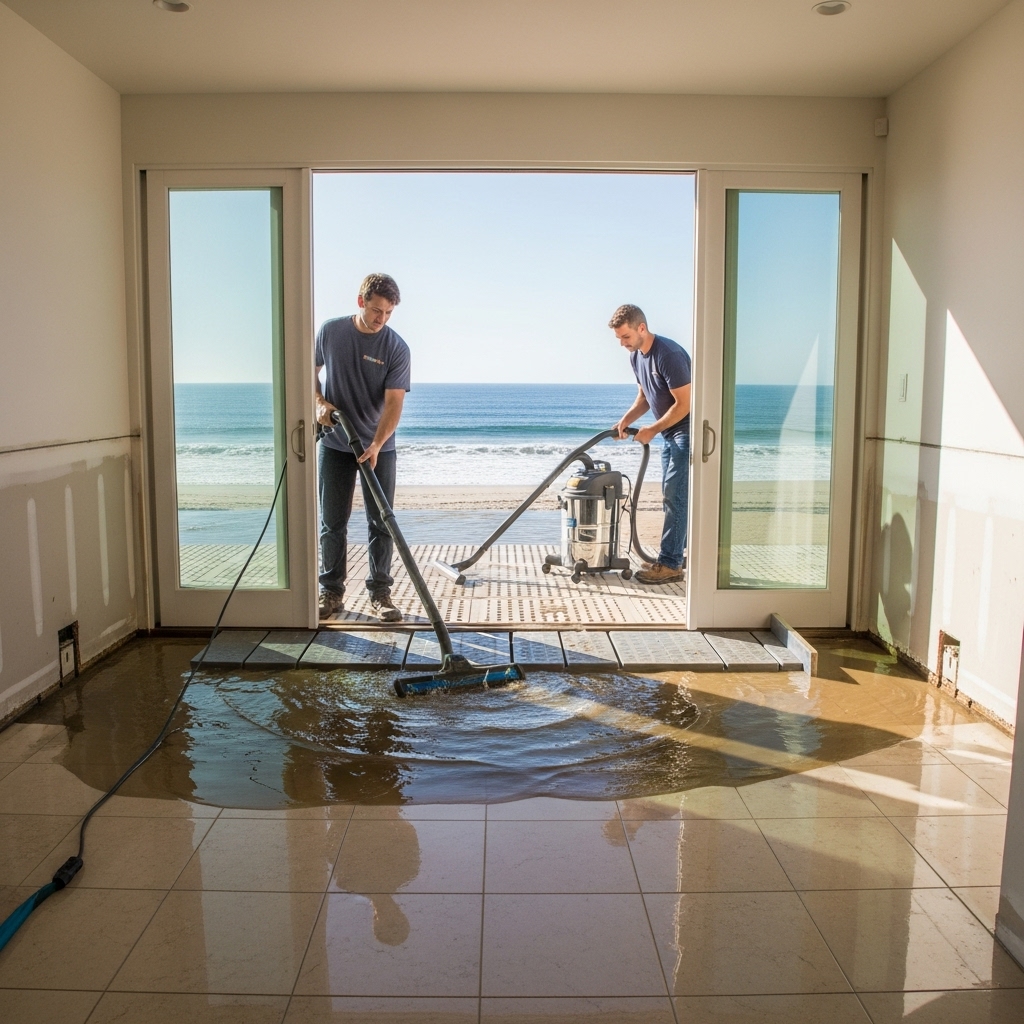
Flood water in a beach setting behaves differently than a simple interior leak. Wind-driven spray and wave action can force water into sliders, under door thresholds, and through weep holes, while storm drains sometimes back up and push brackish water toward ground floors and garages. Sand can come with it, filling cavities and grinding into finishes. Salt content complicates matters by accelerating corrosion on metals and affecting certain natural stone and concrete surfaces. Understanding these variables helps set realistic expectations for drying and repairs. It also underscores the importance of thorough extraction and cleaning before any drying effort begins, because residual contaminants can linger and cause issues if not removed.
First steps when flood water enters a beach home
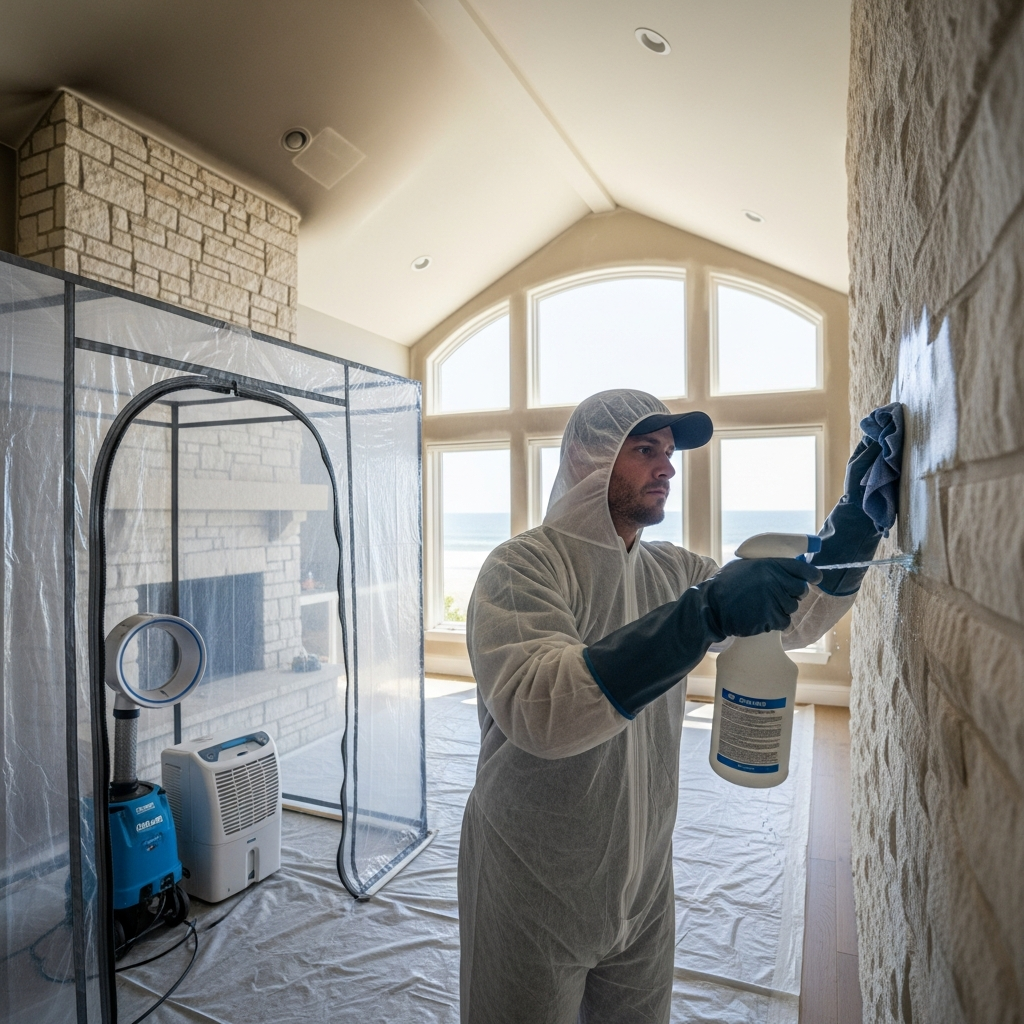
Safety always leads. Power to affected areas should be evaluated and, if necessary, turned off to avoid hazards. Once safe, bulk water extraction and removal of saturated sand, silt, and debris come next. In many beach homes, slab-on-grade floors and lower-level living areas allow water to move quickly across large spaces. Using the right extraction tools shortens the time water remains in contact with materials and reduces the chance of it migrating into wall systems. At the same time, an experienced crew protects unaffected areas by setting up containment and laying down floor protection so that equipment and foot traffic do not spread contaminants.
Beach houses with large sliding doors and extensive glazing often benefit from targeted drying strategies that respect the design. Negative pressure at wall cavities, low-profile air movement under cabinetry, and temperature control help coax moisture out without overwhelming spaces with equipment. The marine layer can dampen drying performance, so thoughtful zoning and regular adjustments keep the process efficient. If insulation or drywall has been compromised at the base of a wall, careful removal in a straight, clean line simplifies later repairs and helps preserve the crisp aesthetic of oceanfront interiors.
Materials and finishes common to Malibu beach homes
Many waterfront residences feature wide-plank hardwoods, limestone or travertine, smooth plaster, and custom millwork. Each responds differently to flood exposure. Wood, for instance, can often be rescued if water is extracted quickly and humidity is controlled, but prolonged saturation may lead to cupping or delamination of engineered layers. Stone holds moisture and salts, requiring rinsing and controlled drying to avoid efflorescence. Plaster can be forgiving in thin coats but may fail if water soaks in deeply behind finishes. Cabinet toe-kicks and base trim often need removal to allow air to reach hidden areas. The right choices early on save time later, because they prevent the need for extensive rework during the rebuild phase.
Garages and storage rooms on the sand deserve special attention. They typically house mechanical systems, electrical panels, and surf gear, and they sit at the front line for incoming water. After extraction, dehumidification and air movement keep corrosion in check. Contents handling is part of the picture here, with decisions about what to salvage versus replace. Surfboards, beach furniture, and outdoor textiles can often be cleaned and dried successfully; electronics and certain porous items may not fare as well. Clear labeling and photo documentation help homeowners track decisions and plan for replacement where needed.
Working with tides, weather windows, and access
Timing around tides is real. When high water is still rising, exterior doors and thresholds may continue to weep even after interior extraction. A local team watches forecasts and schedules work to stay ahead of those cycles. Beach access also influences logistics. Many Malibu oceanfronts share narrow driveways or have limited staging areas. A restoration plan that anticipates these constraints avoids delays and keeps footpaths safe and clear for family and neighbors. Deliveries and debris removal are coordinated carefully so that equipment can remain in place and operate without interruption.
In the middle of a project, homeowners often face decisions about finishes that touch salt air daily. This is a good time to consider moisture-tolerant baseboards, improved sealing at sliders, and maintenance practices that align with the home’s exposure. During planning meetings, your contractor can help prioritize actions that give the most resilience for the least disruption. If you are seeking guidance specific to oceanfront properties, choose a local partner experienced in water damage restoration for Malibu’s beach architecture, where the interplay of salt, sun, and surf shapes every solution.
Insurance coordination and documentation
Flood events can feel overwhelming, but methodical documentation helps bring order. Crews photograph conditions, measure moisture daily, and record steps taken, from debris removal to equipment adjustments. This record serves two purposes: it guides the work and supports any claim process. Insurers appreciate clarity about the source of water, the materials affected, and the rationale for particular removals or treatments. The cleaner and more complete the documentation, the smoother conversations become.
When rebuilding begins, matching the look and feel of the original space matters. Oceanfront homes often rely on light, texture, and minimal detailing to express calm. Skilled plasterers, flooring specialists, and finish carpenters collaborate to put rooms back together so that they feel continuous with the rest of the house. Where upgrades make sense, they are introduced discreetly: better flashing at balcony doors, more robust sealants, or finishes with improved resistance to salt-laden air. The result is a home that is both restored and better prepared for the next season.
Preparing before the next storm
Between events, prevention pays dividends. Checking weep holes and door sweeps, servicing sump or ejector pumps, and confirming that downcoast drainage is clear are routine tasks that extend a home’s resilience. On the sand, even small improvements can change outcomes during heavy weather. Homeowners who keep an eye on seasonal forecasts and who walk their properties after the first fall rains often catch early signs of trouble. Over time, those habits reduce disruptions and preserve the joy of living at the edge of the Pacific.
Frequently Asked Questions for Malibu Beach Homes
What should I do first if ocean water enters my living room?
Ensure safety by addressing power and slip hazards, then call a professional team. Early extraction and removal of sand and debris prevent contaminants from lodging in finishes and shorten the drying process.
Can hardwood floors on the sand be saved after a flood?
Often they can, especially when action is quick. The wood species, installation method, and time of exposure matter. Mat systems and controlled humidity can stabilize planks, and a skilled flooring specialist can advise on refinishing versus replacement.
How does salt affect restoration?
Salt accelerates corrosion and can alter the behavior of stone and concrete. Thorough rinsing and targeted drying are required to prevent residue from causing later issues. Metal hardware and fixtures benefit from prompt cleaning and dehumidification.
Will my sliding doors need attention after a storm?
Likely yes. Tracks, weep holes, and seals should be cleaned and inspected. If water pushed past thresholds, improvements to weatherstripping or flashing may be recommended during repairs.
How long will equipment need to run in a humid marine environment?
It depends on saturation, materials, and ambient conditions. In beach homes, dehumidifiers may run longer to overcome the marine layer. Daily monitoring ensures equipment is adjusted to achieve dry standards efficiently.
If a recent swell or heavy rain left water where it does not belong, do not wait for the next tide cycle to decide on a plan. Reach out to a local team that understands beachfront logistics, salt air, and the urgency of protecting your space. Prompt, careful water damage restoration will help your home recover quickly so you can get back to the calm that drew you to the shore in the first place.