When water intrudes into a Malibu home, the first questions are always emotional and practical at once: how bad is it, how long will recovery take, and what will the process demand from my family, my schedule, and my property. In a coastal community where salt air, marine layer moisture, and hillside runoff all play a role, understanding what influences the overall investment of getting your space back to normal is essential. During the early hours after a leak or storm, local homeowners often search for clear guidance about who to call and what to expect, and they look for a team that understands canyon microclimates, beachfront conditions, and the quirks of custom construction. If you are weighing next steps and want a baseline for the work ahead, it helps to think in terms of scope, complexity, and timing rather than a single number. That approach aligns with the realities of Malibu’s architecture and terrain, and it leads you to prioritize professional planning and decisive action for water damage restoration.
From La Costa to Point Dume, properties sit in varied settings with unique vulnerabilities. Some homes tuck into shady canyons where morning fog lingers and cool air slows evaporation. Others sit right on the sand, where high tides, wind-driven spray, and fine salt deposit on exterior walls and degrade finishes over time. Still others stretch along hillsides with long runs of copper or PEX passing through walls and subfloors, creating many potential leak points. Because of those differences, two incidents that look similar at first glance can require very different approaches. A washing machine line that fails on a slab foundation calls for a different sequence than a roof penetration that wets plaster ceilings, hardwood, and built-in cabinetry, even if both occur on the same street. That is why talk of a simple typical figure rarely helps Malibu homeowners; what helps is a clear understanding of how professionals determine the plan.
The Malibu context and why it matters
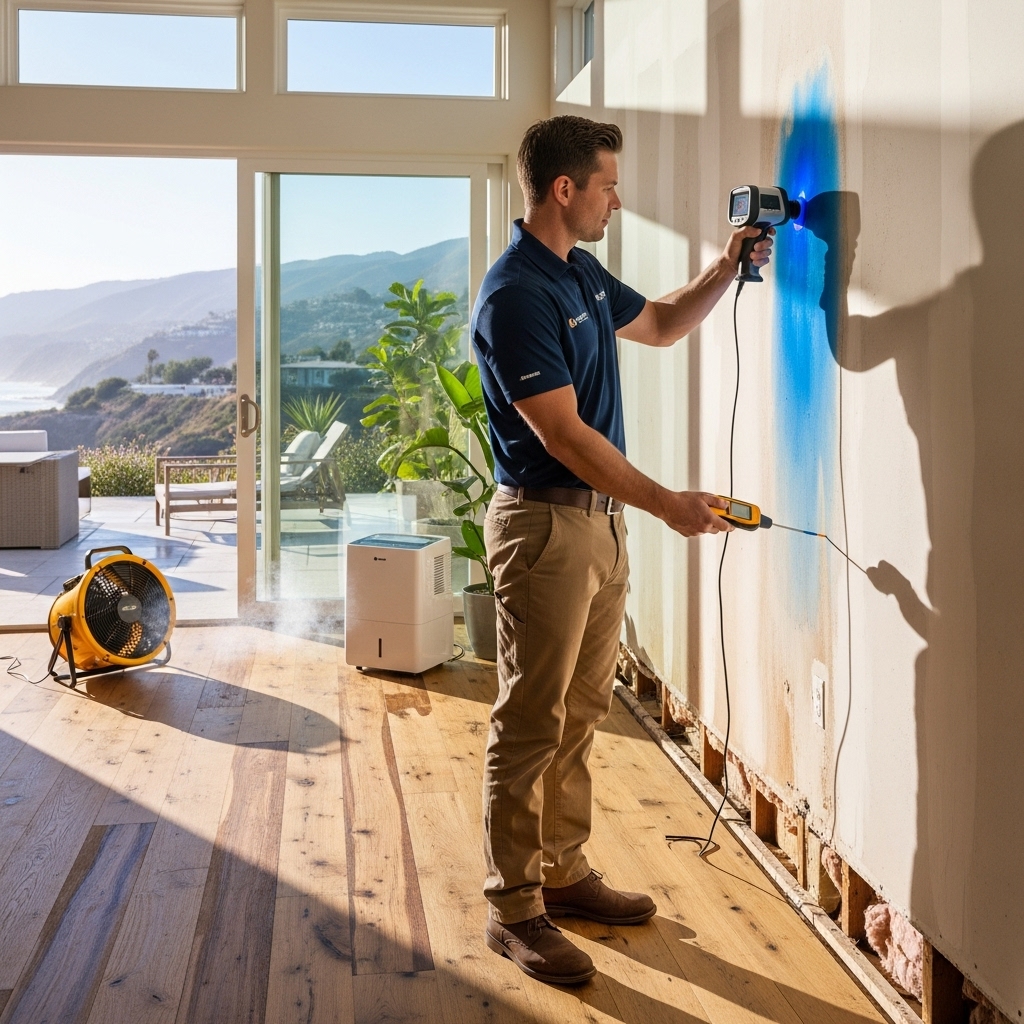
Local climate exerts a stronger influence than many people realize. The marine layer can keep relative humidity elevated, which affects how quickly drying equipment can bring materials back to a safe moisture content. Oceanfront winds can make containment more challenging in open-plan homes with big sliders. Meanwhile, hillside residences often include crawl spaces that trap moisture where inspection is difficult. Each of these realities shapes both the steps and the timeline. In practice, that means seasoned restoration teams perform a thorough moisture mapping at the outset, not just a quick glance at visible water. Thermal imaging, non-invasive meters, and strategic removal of baseboards or toe-kicks reveal the true footprint of the problem, which is the first determinant of scope.
Construction methods also carry weight. Malibu is full of hand-troweled plaster, imported stone, custom millwork, and engineered hardwoods over radiant heat. These finishes respond differently to water exposure, and their recovery pathways vary. For example, some plaster walls tolerate careful drying and patching; others delaminate and must be replaced. Some engineered floors can be rescued with mat systems and dehumidification; others cup or separate beyond recovery. A contractor familiar with these materials will make the call early, preserving what is viable and removing what cannot be safely restored. These decisions are not just aesthetic; they affect the duration of stabilization, the complexity of rebuild, and the number of trades involved.
What actually drives the overall effort
Professionals often talk about categories of water and the class of damage. Water from a clean supply line is handled differently than water that passed through building materials or came from outside during a storm. Similarly, the amount of wet material and the speed at which it was discovered shape the game plan. An incident caught within minutes can lead to limited drying and targeted deconstruction. An event that went unnoticed over a weekend might involve subfloor saturation, insulation removal, and specialty drying techniques. Access is another driver. Tight mechanical rooms, finished basements, and high ceilings with recessed lighting complicate containment and equipment placement, which adds to the scope of work.
Timing plays an underrated role. Taking action within the first day greatly improves outcomes. Malibu homeowners who shut off water at the street, move valuables out of harm’s way, and call a local team reduce secondary damage. Conversely, delays invite swelling in wood, corrosion on metals, and microbial growth. That is why early mitigation is the most powerful lever available to you. It is also why experienced companies staff for rapid mobilization during winter storms or when power restoration returns after outages. Every hour of standing water makes subsequent steps more involved.
The restoration workflow, step by step
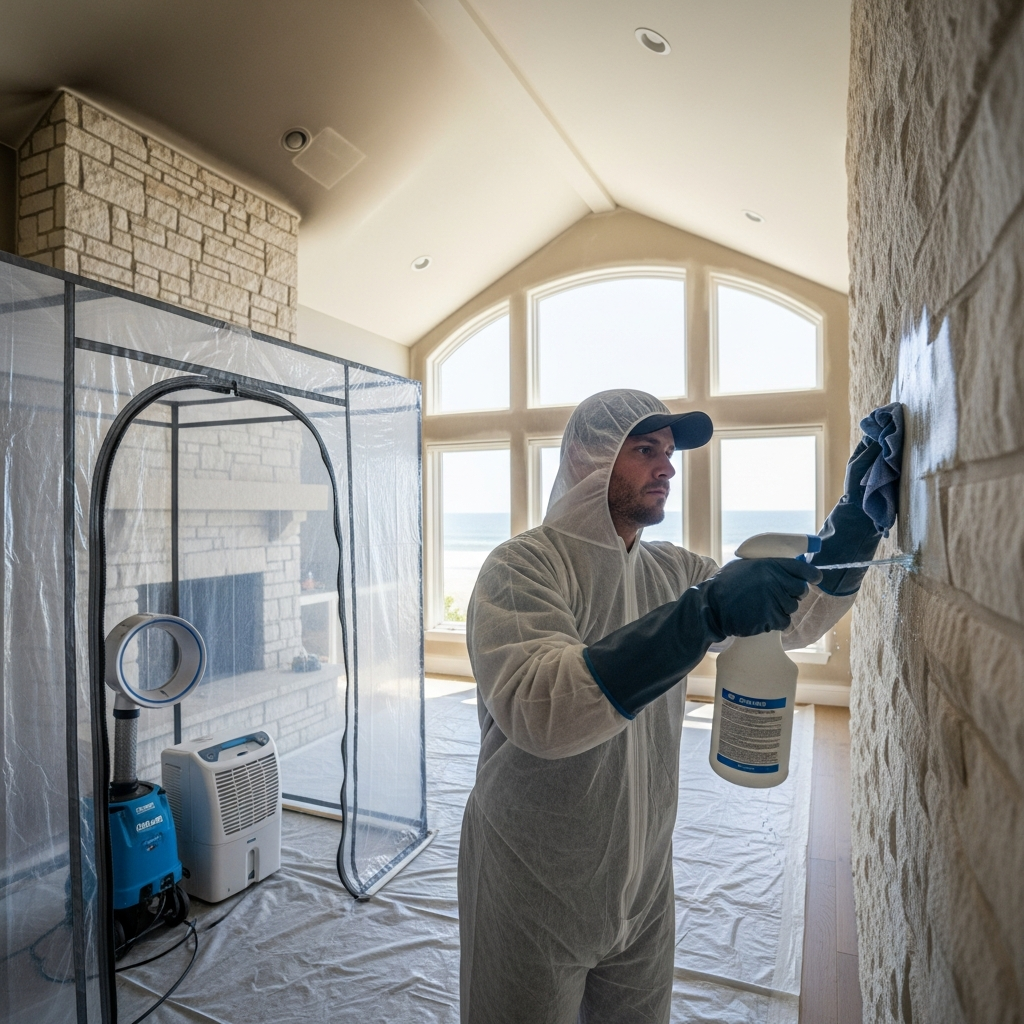
After safety checks for electrical hazards and structural stability, the first phase focuses on extraction and stabilization. Removing bulk water is a fast win, because it shortens the drying curve and prevents wicking into adjacent materials. Next comes containment, negative air where appropriate, and strategic removal of materials that cannot be dried safely. Meticulous documentation proceeds in parallel so that property owners have a record for insurance and for future reference. As stabilization progresses, crews reposition equipment daily based on moisture readings, air temperature, and humidity, fine-tuning performance so the right areas dry efficiently.
Only after the structure is dry do repair conversations begin in earnest. Matching custom finishes is an art in Malibu homes. Rebuild may involve plasterers with experience in Venetian techniques, flooring specialists who can lace new boards into existing runs, or cabinetmakers who can reface doors to blend with remaining panels. These tradespeople are typically scheduled while drying is ongoing, so that downtime is minimized. Clear communication between mitigation and rebuild teams keeps the project cohesive and predictable. It is during this transition that homeowners feel the greatest relief, seeing their spaces return to form.
At the midpoint of many projects, homeowners face decisions about salvaging versus replacing and about how much to upgrade during repairs. An honest contractor will explain what is feasible without pushing unnecessary work. In a coastal setting, it can make sense to rethink certain materials or details, such as switching to more moisture-tolerant baseboards in lower levels or improving flashing around doors that face prevailing winds. The goal is not to overspend but to invest where it reduces risk. At the same time, keeping the project moving requires decisive choices. If you want a local partner who can guide those choices with a Malibu-specific lens, you will benefit from engaging professionals who do water damage restoration day in and day out in our area.
Insurance, documentation, and peace of mind
Many homeowners work with insurers after a water incident, and documentation makes that process smoother. Comprehensive photo logs, moisture maps, and daily notes capture the progression from discovery to dry standard. Detailed itemization of materials removed and areas affected helps everyone align on scope. A local contractor familiar with Malibu claims also understands how to coordinate access for adjusters while keeping momentum on the job site. The best outcomes happen when there is transparency about what is necessary for safety and long-term performance, rather than a rush to cover over wet materials.
Homeowners sometimes ask whether small areas can be handled as do-it-yourself projects. The answer depends on speed, containment, and measurement. Without the ability to verify that materials have returned to target moisture and that humidity is controlled, it is easy to close up a wall too soon or miss damp pockets under cabinets. In coastal homes already exposed to ambient moisture, that risk is higher. The measured approach used by professionals is not about overcomplicating a simple job; it is about making sure that hidden moisture does not cause future problems.
Seasonal patterns and local scenarios
Those of us who have worked here for years can identify patterns. The first strong rain after a dry season often reveals roof vulnerabilities, balcony door thresholds, and deck ledger connections. Winter swells push wind-driven rain at odd angles, and saturated landscaping directs runoff toward foundations. Summer brings supply line failures tied to heavy occupancy, such as stacked laundry rooms working all day as guests cycle through. Even routine maintenance can trigger surprises, like an HVAC condensate line backing up in a mechanical closet. Each scenario calls for a slightly different playbook, but the fundamentals remain the same: stabilize quickly, measure accurately, and rebuild with the realities of the coast in mind.
Working with neighbors, HOAs, and the city
In multi-unit buildings or communities with homeowners associations, coordination is key. Access for equipment, noise considerations, and work hours all require communication. Malibu’s permitting landscape also matters for certain repair scopes, especially when structural components or exterior finishes are involved. A local team knows when to involve the city and how to maintain momentum while complying with requirements. This reduces friction and keeps your project on track.
Prevention and resilience for the future
Once the immediate crisis passes, many owners take the opportunity to make resilience upgrades. Simple changes might include installing leak detection with automatic shutoff on critical supply lines or improving drainage at vulnerable entries. In beachfront homes, reinforcing weatherstripping and checking flashing around sliders can pay dividends during storms. On hillside lots, directing downspouts to safe discharge points and confirming that crawlspace vents are clear can reduce seasonal moisture. None of these steps eliminate risk entirely, but they tilt the odds in your favor, lowering the likelihood of another disruption.
How to choose the right local partner
Beyond credentials and availability, look for a team that listens and explains. You should understand why materials are being removed or preserved, what dry standards are being used, and how decisions today will influence tomorrow’s repairs. Ask about daily monitoring, about how equipment placement is determined, and about communication cadence. Malibu homeowners value privacy and discretion; a respectful approach to working in occupied homes goes a long way. When you have that alignment, the entire process feels less daunting, and the outcome is stronger.
What to expect day by day
The early days bring visible change as water is removed and wet materials are opened up. The middle period is quieter, focused on controlling environment, moving air, and coaxing moisture out of dense assemblies. This phase can test patience, because progress is measured in readings and numbers rather than dramatic demolition or rebuild. The final stretch picks up pace again as trades converge to close walls, refinish surfaces, and reinstall fixtures. Clear milestones and regular updates keep everyone aligned and confident.
How Malibu craftsmanship returns your home to form
One advantage of working here is access to artisans who understand coastal homes. Whether it is blending new plaster with old, matching grain on a walnut vanity, or feathering paint across a sunlit wall so that sheen is consistent, attention to detail defines the result. Restoration is not just technical; it is aesthetic. The goal is for your home to feel whole again, not patched. That level of care is what allows a difficult event to resolve into a renewed space, and it is what Malibu homeowners rightly expect.
Frequently Asked Questions about Water Damage in Malibu
How quickly should I respond after discovering water in my Malibu home?
Immediately. Shut off the source if you can do so safely, protect valuables, and contact a local professional. Early extraction and stabilization reduce secondary damage and shorten the overall timeline, which preserves finishes and minimizes disruption.
What factors most influence the overall scope of a restoration project?
Source of water, time elapsed, materials affected, and access. Clean supply lines behave differently than exterior intrusions, and high-end finishes require careful handling. The more material that is saturated and the longer it stays wet, the more involved the project becomes.
Can hardwood floors in coastal homes be saved?
Often, yes, especially when mitigation begins quickly. Mat systems and targeted dehumidification can draw moisture out, but the species, construction, and finish of the floor all matter. An experienced technician will monitor closely and decide whether sanding and refinishing will deliver a reliable result.
How does Malibu’s marine layer affect drying?
Elevated ambient humidity means drying equipment must do more work to create a favorable environment. Containment, temperature control, and dehumidifier sizing become critical. Local pros anticipate these conditions and adapt the plan daily.
Will my insurance policy help with repairs?
Many homeowners’ policies address sudden and accidental water damage, but coverage details vary. Thorough documentation, prompt reporting, and clear notes about the source and affected areas support a smoother claim experience. A contractor accustomed to local claims can coordinate with adjusters while keeping work moving.
Is it safe to handle small water issues myself?
Small spills are manageable, but once water enters walls, floors, or cabinets, measurement and verification are essential. Without moisture mapping and controlled drying, hidden dampness can remain and cause later problems. When in doubt, a quick assessment by a pro provides clarity.
How long does a typical restoration take in Malibu?
Timelines vary with scope and materials. Extraction is fast; controlled drying may span several days; repairs depend on specialty trades and finish matching. Clear communication and daily monitoring keep the process efficient and predictable.
If you are dealing with a new incident or want a proactive plan before the rainy season, now is the time to speak with a local team that understands the rhythm of our coastline, the craft of our finishes, and the urgency that comes with protecting your home. Reach out for prompt, thoughtful water damage restoration guided by Malibu experience and a commitment to getting life back to normal.