What Trust Looks Like After the Smoke Clears in Malibu
When the winds die down and the last ember fades, Malibu residents face a quieter kind of challenge: the lingering presence of smoke inside our homes. From Point Dume to Malibu Canyon, smoke has a way of finding every gap, every vent, and every porous surface. In the days after a wildfire or an intense indoor incident, people here quickly learn that the difference between a home that feels safe again and one that never quite smells right often comes down to the team you let through your door. As a local who has spent years walking properties from Broad Beach to Serra Retreat, I want to help you understand how to identify trusted partners for the crucial work of smoke damage restoration, and what to expect from a contractor who truly understands Malibu’s unique conditions.
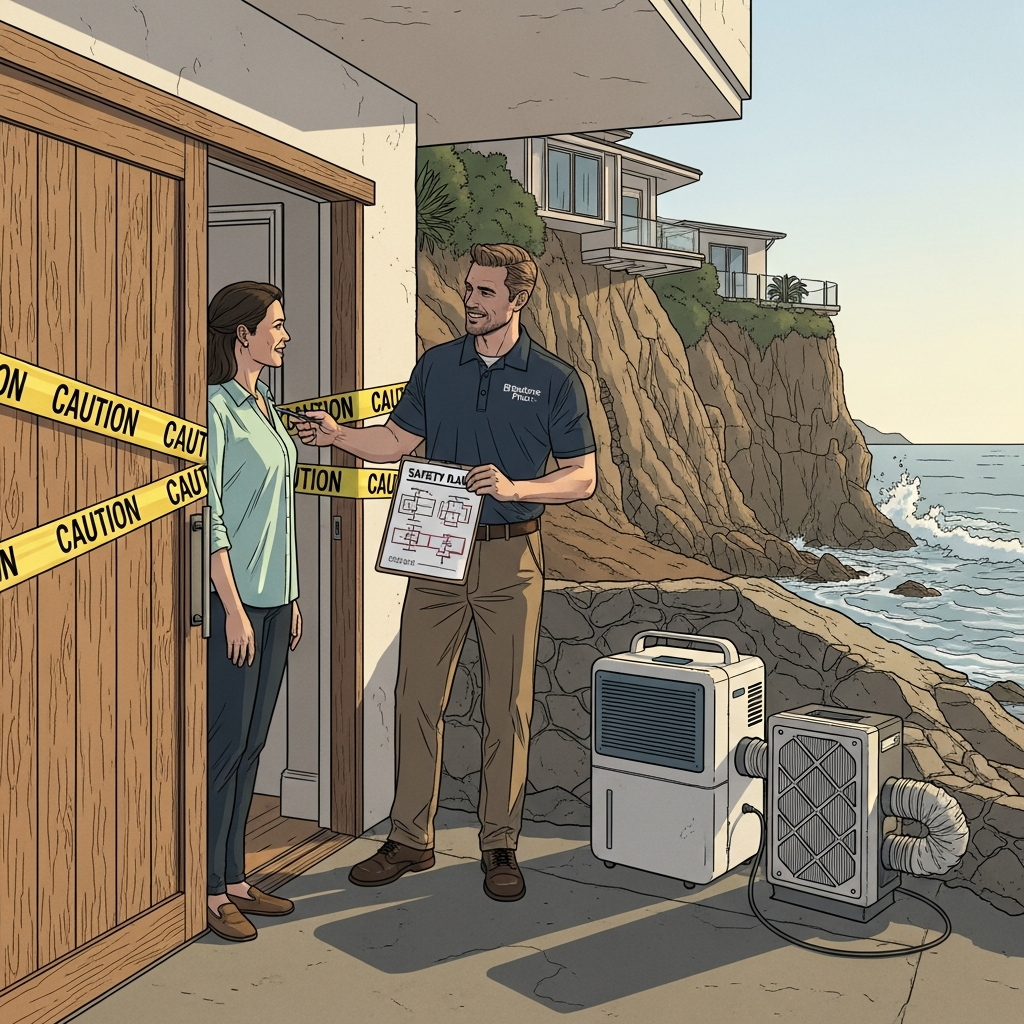
Trust begins with transparency. The most reliable companies in Malibu are the ones who take the time to explain every step, from the initial wipe tests that show soot deposition to the air changes per hour they aim to achieve with negative pressure. You should expect detailed notes and photos, sensible explanations of why certain rooms need more aggressive treatment than others, and respectful conversations about cherished items—art, heirlooms, musical instruments—that may need special handling. Projects in our area are rarely routine; canyon winds, sea salt in the air, and the mixture of stucco, glass, and natural wood common in Malibu demand nuanced decisions, not a one-size-fits-all playbook.
Local Knowledge Is Not a Luxury—It’s a Necessity
Restoration in Malibu requires familiarity with coastal microclimates as much as with construction. Homes perched above the Pacific can be drenched in evening moisture, which interacts with soot residues in surprising ways. Combustion byproducts settle in different patterns depending on wind direction, interior pressure, and how your HVAC system was operating during the event. A trusted local company understands that a villa overlooking Escondido Canyon won’t behave like a bungalow near Malibu Lagoon. They know how to stage dehumidification to complement air filtration without over-drying wood, and they grasp how morning marine layers can complicate drying and off-gassing schedules.
Another hallmark of reliability is the way a company approaches testing. Before any cleaning begins, expect a methodical assessment. That might include dry-chem sponge sampling on walls and ceilings, lift samples on textiles, and careful inspection of supply and return vents. An experienced team will also ask about windows and doors that were open, fireplaces that were recently used, and any air purifiers that may have been running. Each of these small details can change the plan—what to HEPA vacuum first, where to establish containment, when to pull and replace filters, and whether to isolate a crawlspace or attic before the rest of the home is touched.
Proven Processes That Respect Malibu Homes
In high-end coastal homes, finishes vary widely—venetian plaster in a hallway, white oak in a family room, linen upholstery that can turn brittle if handled poorly. Trusted companies start with non-destructive approaches and scale up carefully. Dry removal and HEPA vacuuming come first, followed by controlled wet cleaning with pH-specific solutions. For sensitive surfaces, technicians should test a discrete area before committing. Odor treatment is never a single machine solution; hydroxyls, activated carbon scrubbing, and thermal fogging are tools, not magic wands. The best teams use them judiciously based on the structure, the contents, and your family’s sensitivities, particularly if anyone has asthma or chemical sensitivities.
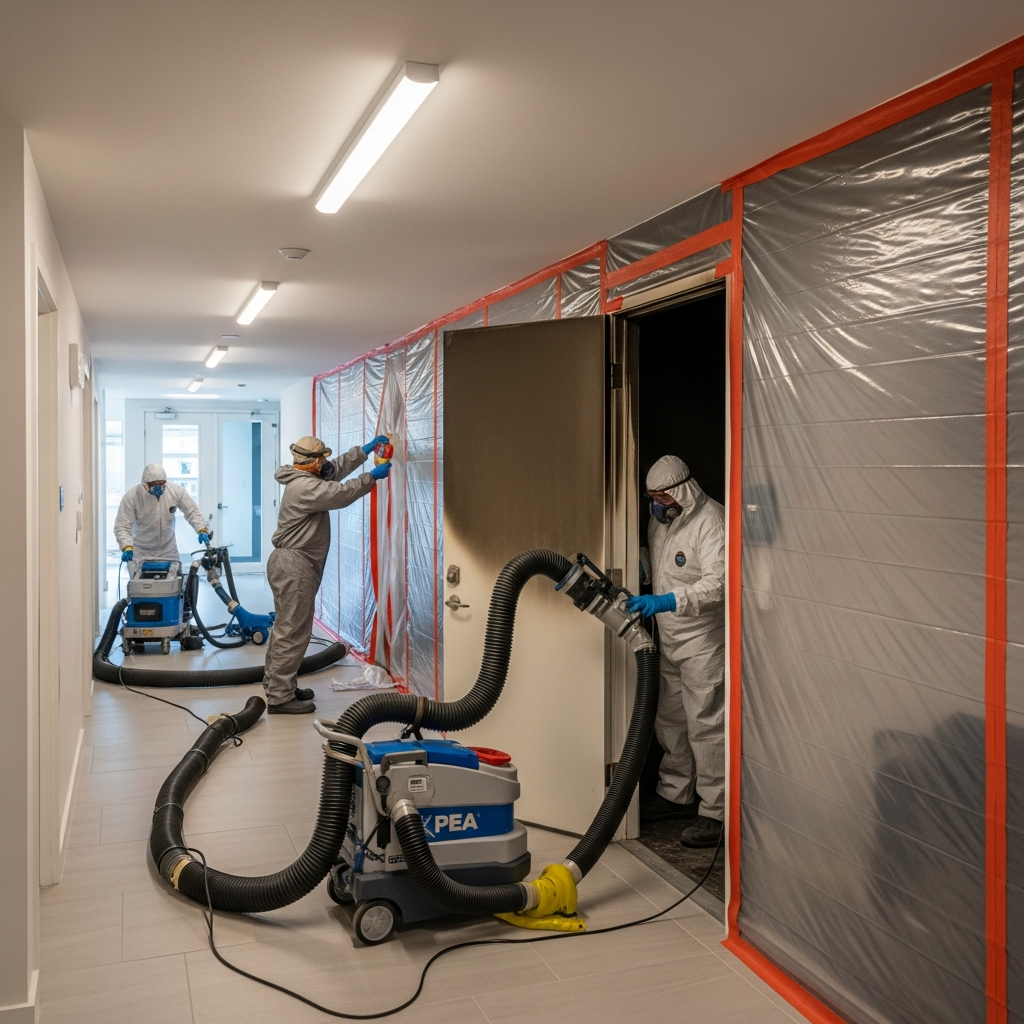
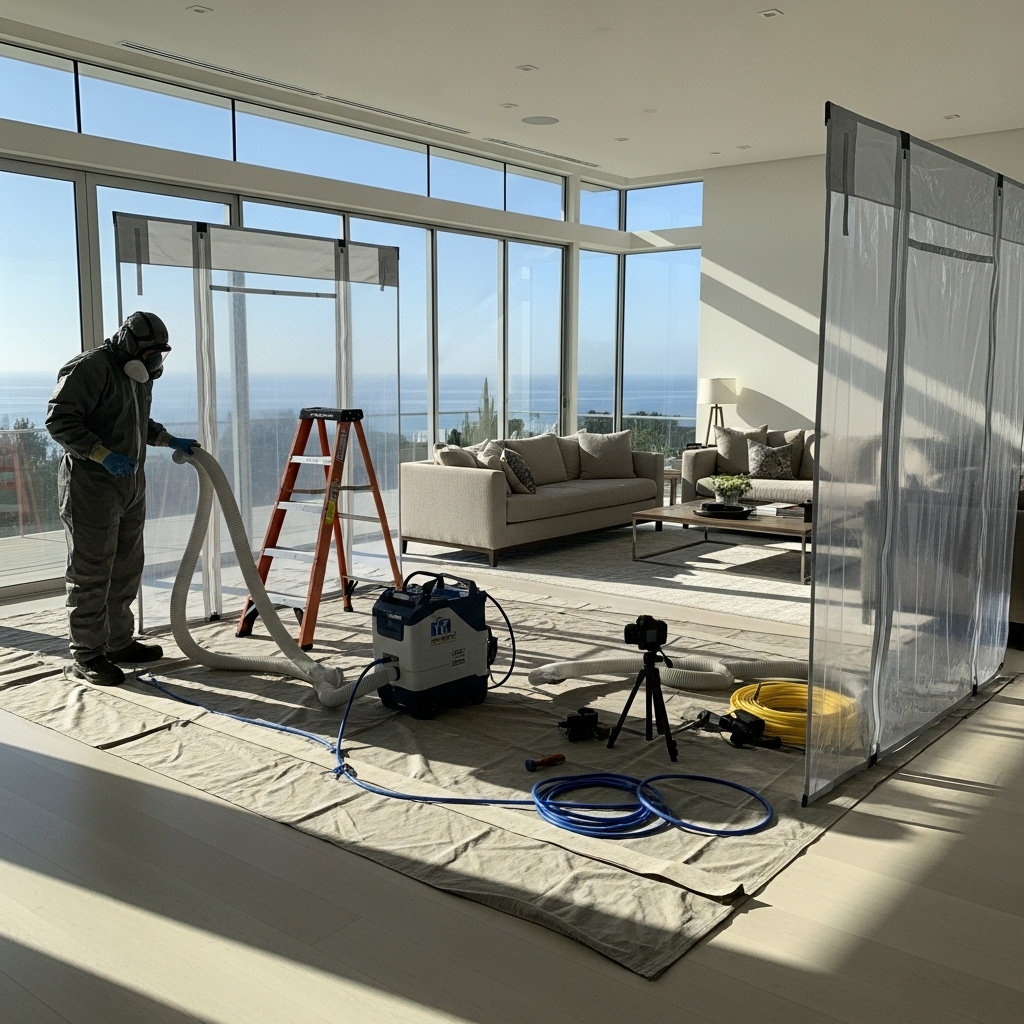
Containment is a quiet hero of good restoration. If a crew arrives with zipper walls, floor protection, and HEPA air scrubbers ready to establish negative pressure, you’re already on the right track. The aim is to keep disturbed particulates from traveling to clean rooms, a risk in open-plan Malibu layouts where living, dining, and kitchen spaces flow together. Look for careful routing of hoses and cords to avoid nicking hardwood or stone, and expect daily housekeeping levels of tidiness. These small signs indicate a company that treats your home as a home, not a jobsite.
Communication That Lowers Stress, Not Just Soot
After a smoke event, the hardest part can be the uncertainty. Will this odor ever fully leave? What about the nursery? How long will the air feel “normal” again? Trustworthy companies ease these worries with clear timelines and regular updates. They explain when to expect the “turning point”—often around the time thorough source removal is complete and air exchanges have cycled for a day or two. They let you know which rooms are okay to re-enter without masks and which still require caution. And they focus on measurable outcomes: particulate counts, filter condition, and surface test results that show progress you can see and feel.
Credibility is also about owning the unexpected. Smoke work can reveal hidden issues—unsealed returns, leaky duct connections, or long-standing gaps in weatherstripping. The right company reports these findings plainly and suggests pragmatic fixes. In Malibu’s climate, tightening the home’s envelope not only reduces future smoke infiltration; it improves comfort year-round by minimizing drafts and salt-laden moisture from the coast.
How Trusted Teams Protect Your Health
It’s not just about smell. Fine particulates and residue can aggravate respiratory conditions. A reputable team will discuss PPE choices for both crew and occupants, recommend safe zones if you’re staying on-site, and share guidance on managing pets during the process. For families with infants or older adults, the plan may include staging and phasing—clearing a bedroom and bath first so you have a clean retreat, then expanding outward. Good companies justify these decisions with data, not guesswork, and they never push you to reoccupy until the environment is truly ready.
In Malibu, we also encounter a unique mix of contents: surfboards in garages, guitars in home studios, and high-performance appliances in open kitchens. Each item has its own sensitivity. Trustworthy companies partner with specialty cleaners when appropriate—conservators for art, electronics specialists for audio equipment—rather than trying to be all things to all objects. They document chain of custody, provide condition reports, and return contents in better shape than when they arrived, often with small fixes like re-lubricated hinges or properly coiled cables that reveal pride in craft.
Choosing With Confidence
So how do you pick among the many names that appear after a major incident? Start with references in your neighborhood and ask about homes like yours—hillside properties near Pepperdine, oceanfront condos with shared ventilation, or ranch houses off Kanan. Ask to see sample reports with personally identifying information removed. Pay attention to how a company describes its deodorization strategy, and listen for specifics that match your materials and layout. A solid contender will be comfortable walking you through their approach to smoke damage restoration in phases, explaining what is done in what order and why that sequencing matters for Malibu’s airflow and daily rhythms.
Another sign of trust is availability without pressure. The right team answers your questions before you sign anything and encourages you to compare options. They will tell you not just what they can do, but also what they will not do—like promising that one overnight machine run will fix a heavily impacted home, or claiming every single soft good will return to pre-loss condition no matter what. Honesty is a form of protection, and you deserve it during a stressful time.
What To Expect Day by Day
On day one, you should see documentation begin: photos, readings, sample results if available. Containment is set, HEPA filtration starts running, and the first pass of dry cleaning begins. Day two and three often focus on detailed cleaning—cabinet interiors, drawer boxes, interior doors and trim where smoke settles more than most people expect. Textiles head for specialized laundering, and HVAC components receive attention. By day four or five in moderate cases, you might notice a dramatic improvement in the way your home’s air feels, not just the way it smells. The ocean breeze coming through in the evening should read as marine and fresh, not a mix of salt and stale smoke, and sunlight on a clean surface will no longer reveal a faint gray film.
If your property suffered heavy impact, the timeline grows, but the structure of the work stays the same. Source removal first, cleaning second, deodorization layered throughout, and validation at the end. Reputable companies welcome a final walkthrough when your senses are sharpest—often in the morning after windows have been shut overnight—so you can test the air under conditions that might otherwise capture lingering odor.
Aftercare That Keeps Your Home Resilient
Once the work is complete, the best companies leave you with practical aftercare guidance. They’ll recommend filter changes for the next several weeks, small adjustments to how you operate windows during Santa Ana events, and touch-up strategies if you notice a late-release of odor from a closed closet or packed bookshelf. In Malibu, where fire seasons have grown less predictable, they may also discuss preventive steps like weatherstripping upgrades, attic hatch gaskets, and vent covers you can deploy quickly when smoke alerts pop up.
These conversations matter because they turn a restoration project into a resilience plan. It’s not about living in fear of the next red flag warning; it’s about knowing you’ve made your home a little tougher, your air a little cleaner, and your routines a little easier.
Stories From the Hills and the Coast
Ask any seasoned Malibu restorer and you’ll hear variations on the same theme: no two homes respond the same way, even when they’re on the same street. I think of a Spanish-style house above Malibu Road where smoke entered through an attic soffit, bypassing the main living level almost entirely, and a contemporary glass box near Carbon Beach where the open riser stairs acted like chimneys, carrying odor from a garage into every upstairs closet. Trusted companies don’t lean on luck; they build plans around the peculiarities of each property, and they adjust quickly when a result isn’t matching the hypothesis.
That adaptability is at the heart of trust. When you see a team pause to reassess, not because they’re stuck but because they’ve noticed a detail that suggests a better route, you’re witnessing professionalism in action. Malibu homes demand that kind of respect, and so do the families within them.
Frequently Asked Questions
How quickly should I bring in a restoration company after smoke exposure?
Sooner is better, especially before residues have time to settle deeper into porous materials. Early HEPA filtration and dry removal reduce secondary damage and make later deodorization more effective. In Malibu, timing around humidity and wind forecasts also helps, so a local team can schedule work to take advantage of stable conditions rather than fighting a marine layer or Santa Ana gusts.
Can I handle light soot cleanup myself?
You can perform limited tasks, like gentle HEPA vacuuming on hard floors and airing out unaffected rooms, but be careful. Using the wrong cleaner or scrubbing a delicate surface can set stains and spread odor. A short site assessment by a pro will show where DIY is safe and where professional methods are necessary to protect finishes.
Will my HVAC system need special treatment?
Yes. Even if the system was off during the event, return paths and registers often collect particulates. Expect filter changes, cleaning of grilles and ductwork components as needed, and verification that the system isn’t redistributing odor. Crews may recommend running the fan with high-grade filtration during and shortly after cleaning to clear airborne particulates more rapidly.
How will I know the odor is truly gone?
Trustworthy teams combine subjective checks with objective data. You should notice fresh air without masking scents, and simple surface tests should come back clean. Particulate counts in occupied spaces tend to drop to normal background levels, and stored items—like clothing in closed drawers—should no longer carry smoke odor when opened.
What happens to delicate items like artwork or musical instruments?
These items get handled case by case. Many pieces can be treated with specialized methods off-site, with conservators or electronics cleaners involved as appropriate. You should receive documentation of condition, handling, and results, along with a plan if a particular piece needs ongoing monitoring for residual odor.
Is deodorization safe for my family and pets?
When performed by trained technicians who select the right methods, yes. The process should be transparent, with an explanation of equipment, expected run times, and re-entry guidance. Crews often phase work so families and pets can occupy safe areas or leave the home during specific steps, returning once air quality has stabilized.
If you’re ready to feel at ease in your home again, choose a team that communicates clearly, protects your spaces, and understands how Malibu breathes from canyon to coast. Reach out today to schedule a professional assessment and start your path to complete smoke damage restoration. Your home—and your peace of mind—deserve nothing less.