Emerging Trends in Smoke Damage Restoration Across Malibu
When you live in Malibu, you learn to read the air. Some days the marine layer stays low and cool; other days canyon winds sweep clean over the ridgelines. During fire season, those same winds can carry smoke for miles, leaving a faint haze on glass and a sharper note in the back of the throat. Over the last few years, restoration practices have evolved rapidly to meet the challenges of these conditions. What used to be a straightforward cleanup now draws on better science, smarter containment, and gentler chemistry, all calibrated to the way Malibu homes are built and lived in.
Trends are not just buzzwords; they are responses to real problems. Homeowners want faster returns to normal without sacrificing thoroughness. They want methods that protect custom finishes, equipment, and health. Locally, that means addressing how smoke infiltrates open floor plans, clerestory windows, and integrated indoor-outdoor spaces. It also means adapting to the coastal context, where salt air complicates any conversation about corrosion. As a result, the best teams have adopted techniques that leave fewer residues behind, reduce demolition, and verify success with data instead of guesswork.
Into this landscape comes a renewed emphasis on planning. The most effective projects now begin with more detailed assessments, mapping airflow, identifying leak points in the building envelope, and setting containment that anticipates how pressure changes move air from room to room. That shift alone has changed outcomes for many Malibu homes, particularly those perched on bluffs or tucked into canyons where air behaves dramatically during weather shifts.
With this context in mind, it becomes clear why staying current matters. If you lean on outdated approaches—overreliance on perfumes or aggressive solvents that can harm natural materials—you risk trading one problem for another. Embracing today’s best practices protects your investment and the rhythms of daily life that are so central to living here. For homeowners seeking informed guidance, professional smoke damage restoration aligned with these trends has become a decisive advantage.
Cleaner, Smarter Containment
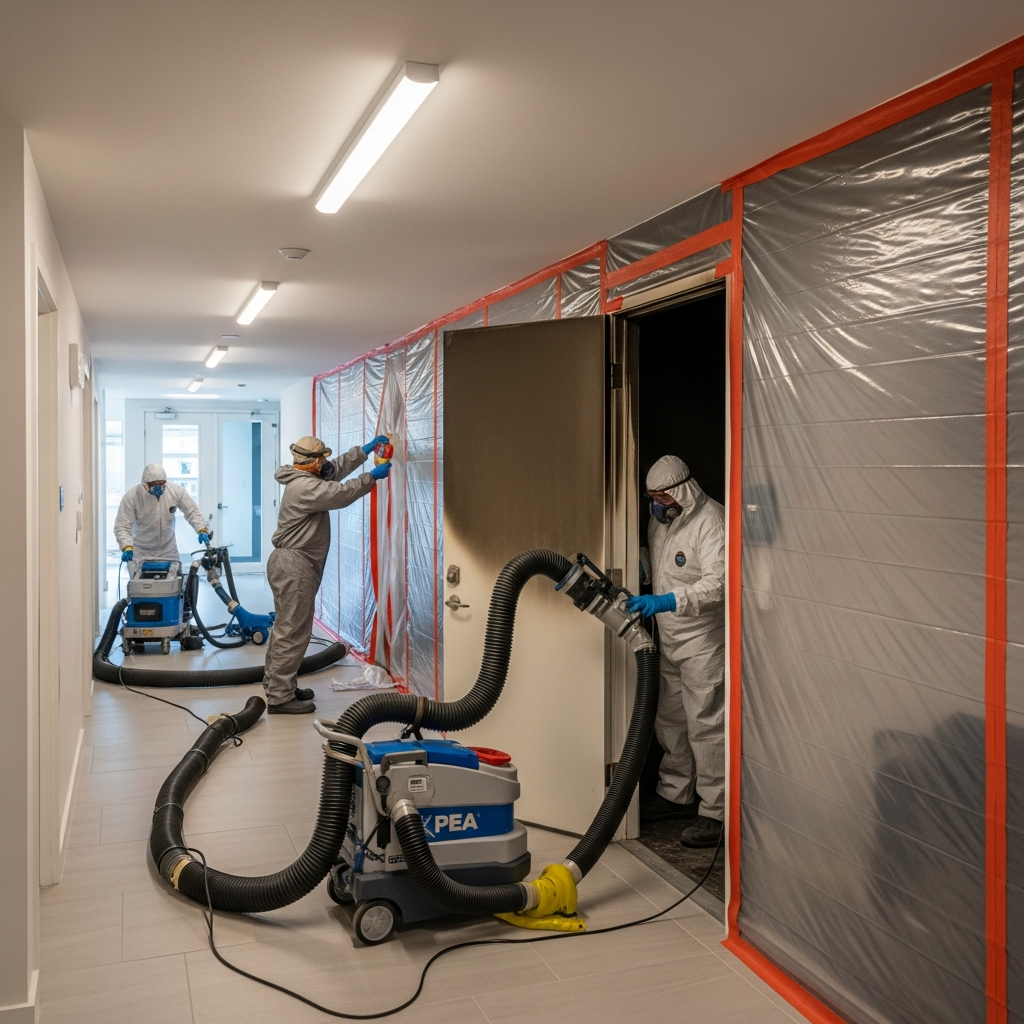
One of the biggest shifts is how projects control air and particle movement. Temporary barriers and negative air machines are not new, but their placement and sequencing have become more strategic. Teams now prioritize isolating return vents early so the HVAC system does not pull fine soot through the entire house. They also create cleaner paths for crews, staging entry and exit points that minimize cross-contamination. In homes with double-height spaces and skylights, containment extends upward, with attention to ledges and recesses that catch dust and soot. These details reduce rework and shorten timelines.
Containment moves are also more considerate of daily life. Rather than sealing a home into a maze, current practice aims to create a few stable, comfortable zones where families can continue to live and work. This supports well-being and keeps projects moving even when schedules are tight. It is a humane approach that recognizes Malibu homeowners are often balancing school, work, and community commitments while restoration is underway.
Data-Driven Assessment and Verification
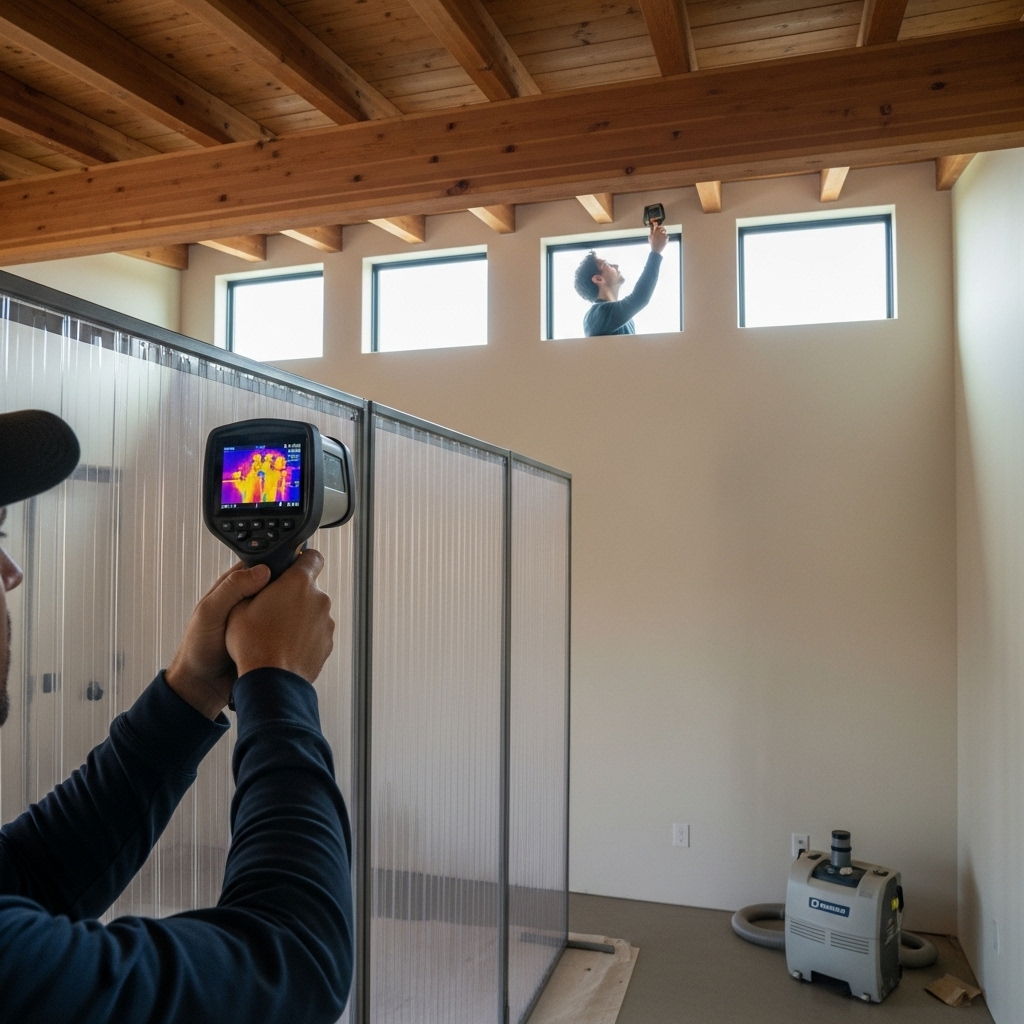
Another trend is the use of measurable criteria for both the start and the end of a project. Teams increasingly rely on particulate meters, inspection cameras, and surface testing to inform priorities. Instead of cleaning every inch with the same intensity, they target hotspots and hidden routes where soot likes to settle. The benefit is twofold: better results and less unnecessary abrasion to delicate finishes.
Verification has similarly matured. Post-clean readings, targeted inspections of ductwork, and documented odor checks turn “smells better” into “meets agreed standards.” That transformation lends confidence to homeowners and insurers alike. It also creates a feedback loop that improves technique over time, especially in neighborhoods with repeated exposures where small improvements can add up.
Gentler Chemistry and Material-Specific Methods
Malibu homes showcase natural materials—plaster, stone, hardwoods—and high-end finishes that deserve care. A significant trend is the shift toward pH-balanced cleaners and solvents chosen to match the material, not the mess alone. Dry removal methods are used more often as a first step, particularly on painted walls and delicate woods, reducing the risk of staining. Where wet methods are warranted, dwell times and rinsing protocols are carefully controlled. The aim is to remove residues and neutralize acidity without leaving behind films or driving contaminants deeper into pores.
Textiles and soft goods also benefit from softer touch. Rather than perfuming fabrics, teams apply odor neutralization strategies that dismantle the odor molecules. Offsite cleaning environments can maintain ideal humidity and temperature, reducing shrinkage and protecting color. In a community where design details are treasured, this trend has been especially welcome.
Air Management as a Central Strategy
Air is the conveyor of smoke and soot, and it is now treated as a primary pathway to address. HEPA filtration is standard, but increasingly it is deployed in a way that supports both comfort and efficacy. Machines are staged to create directional flow that draws air out of affected zones and through filters, rather than stirring it around. HVAC systems are evaluated early, with returns sealed and filters upgraded to prevent redistributing particulates. In canyon homes where airflow can be strong and unpredictable, that planning makes a noticeable difference.
Seasonal adjustments matter, too. During red flag warnings or days when outdoor air remains smoky, teams shift strategies to limit outside air intake and focus on scrubbing indoor air more aggressively. That kind of adaptability minimizes setbacks and keeps progress steady even when conditions outside change from day to day.
Reducing Demolition Through Precision
Not long ago, smoke damage often led to a significant amount of removal—of drywall, insulation, even cabinetry—simply to be sure residues were gone. A clear trend now is precision that saves materials. By identifying the true extent of contamination, teams open only what needs to be opened, focusing on cavities that show evidence of infiltration. This reduces both waste and downtime. It also preserves the character of spaces, which matters in homes where custom details define the experience of living there.
This approach dovetails with sustainability values held by many Malibu residents. Less demolition means fewer materials sent off-site and a smaller footprint for the project as a whole. It is a practical win that aligns with broader environmental concerns, especially as the community navigates the realities of climate change and fire seasons that are sometimes longer and more intense.
Protection for Electronics and Specialty Items
As homes become more technologically rich, another trend has emerged: proactive strategies for electronics. The best teams advise early shutdown of sensitive equipment, careful handling, and, when appropriate, specialized cleaning. Home studios, smart home hubs, and network gear are all vulnerable to the conductivity of fine soot. Planning for these items at the outset prevents the frustration of delayed failures that can show up months later.
Specialty possessions—artwork, books, guitars, surfboards—are also being addressed more deliberately. Documentation and handling protocols protect value and sentiment alike. When items need offsite treatment, there is clearer communication about timelines and conditions, so homeowners know what to expect and when.
Communication That Reduces Stress
Perhaps the most welcomed trend is the change in how projects are communicated. Instead of occasional updates, teams now share plans in plain language, set expectations for noise and access, and provide end-of-day notes that show progress. For families juggling school pickups on Pacific Coast Highway or adjusting to temporary road closures after regional events, that transparency alleviates uncertainty. Clarity has become part of the service, not an optional extra.
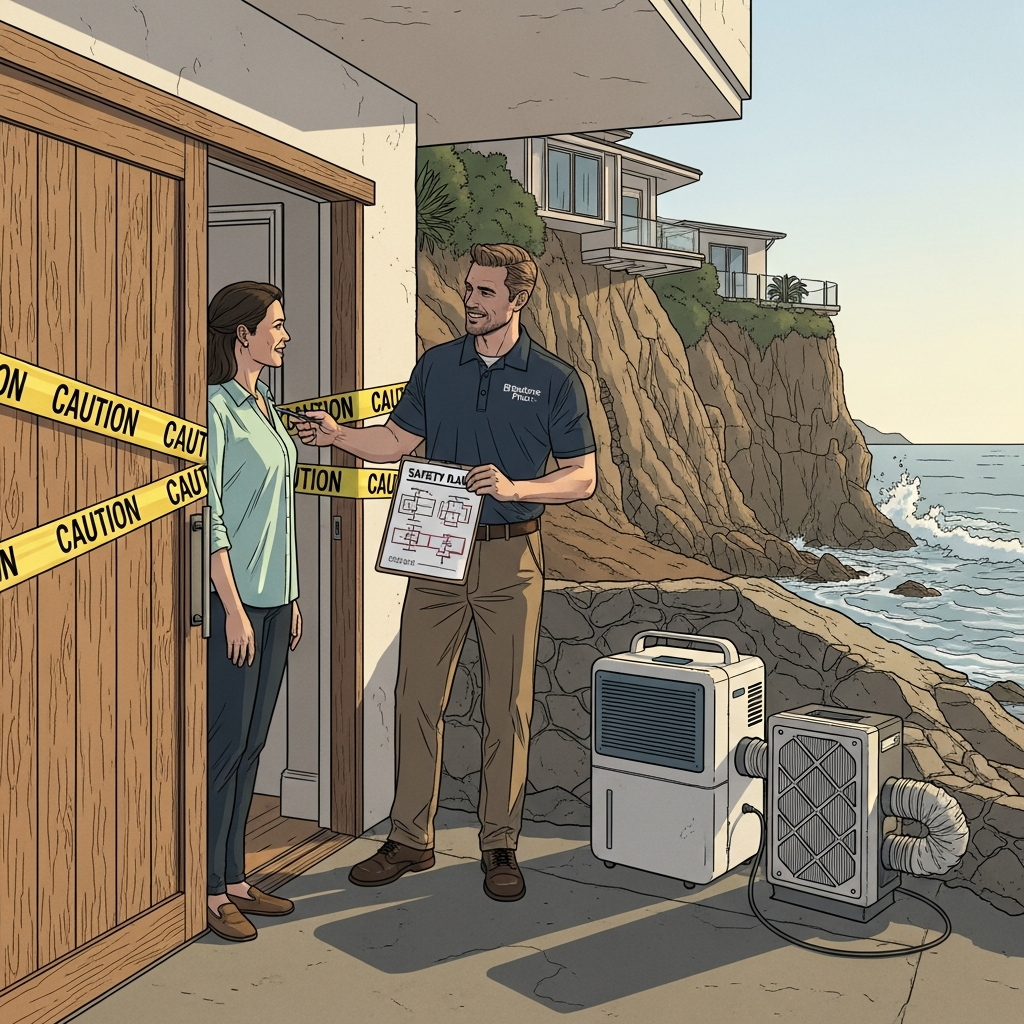
In practice, this looks like defining comfortable zones for living and working, placing machines where sound is least intrusive, and laying out a calendar that respects your commitments. Restoration is a technical craft, but it is also human work. A trend toward empathy and thoughtful pacing is as real as any equipment upgrade.
Midway through most projects, a subtle milestone arrives. Odors recede, rooms brighten, and confidence returns. That midpoint is an opportunity to revisit goals, make small design choices if repainting is planned, and confirm that every concern has been addressed. It is also a smart time to reflect on maintenance habits for the season ahead. Centering the process around your comfort and clarity is one reason modern smoke damage restoration feels different from the past.
Local Lessons Informing New Practices
Malibu has taught the industry plenty. Microclimates change hour by hour, and that has encouraged more adaptive strategies. Crews now adjust airflow plans when winds shift, re-check ledges and beams after temperature swings, and sequence tasks to limit opening doors at times when outside air is at its worst. These local lessons travel with teams from one home to the next and continue to shape the craft.
Building styles have also informed tools and techniques. For example, homes with expansive glazing receive extra attention to glass, which can be vulnerable to etching. Pacing and product choice are tuned to protect clarity. Similarly, natural stone backsplash and concrete floors are treated with cleaners and sealers that respect their porosity while preventing residues from settling back in later. The trend is deliberate, material-aware care.
Looking Ahead: Preparedness and Resilience
The next wave of trends focuses on resilience—small changes that make homes easier to protect and restore when smoke returns. This includes routine sealing of common leak points, seasonal filter upgrades, and friendly walkthroughs that identify vulnerabilities before they become headaches. The shift is from reactive to proactive without turning life into a checklist. In a place as beautiful as Malibu, that balance is everything.
Education is part of that trajectory. Homeowners who understand how air moves through their house, where soot likes to hide, and which finishes need gentler care make better decisions under stress. Restoration teams are leaning into that education, sharing insights generously so that, when the next event comes, you are not starting from zero. Knowledge becomes a protective layer over your home and your plans.
Frequently Asked Questions
Q: What is the biggest difference between today’s restoration and the way it was done a decade ago?
A: The emphasis has shifted to precision and verification. Instead of broad, uniform cleaning and heavy demolition, teams target contamination using data and protect materials with gentler, material-specific methods, then prove results with measurements.
Q: Are newer deodorization methods safe for families and pets?
A: When applied correctly and after proper source removal, modern neutralization techniques are designed to be safe and effective. Crews will explain precautions and timing so you can plan around any brief access limitations.
Q: How does Malibu’s environment influence trends?
A: Coastal conditions and canyon winds encourage adaptive airflow control, corrosion-aware cleaning, and strategies that minimize recontamination. Local experience guides many of the innovations seen here first.
Q: Will these trends make projects faster?
A: In many cases, yes. Better containment, targeted cleaning, and clear communication reduce rework and downtime, which often shortens overall timelines while improving outcomes.
Q: What can I do to align my home with modern best practices?
A: Simple steps like sealing known gaps, upgrading filters during fire season, and keeping a basic plan for ventilation and room usage can make a noticeable difference. A professional assessment can personalize those suggestions to your layout.
When you are ready to bring your home in line with the best the industry offers, choose a team fluent in Malibu’s realities and committed to current techniques. Schedule an assessment and experience the difference that thoughtful, up-to-date smoke damage restoration can make, from the first day of cleanup to the moment your home feels wholly like itself again.