Why Smoke Damage Restoration Is Essential in Malibu Homes
There is a reason Malibu’s architecture celebrates open space and natural light. Homes here are built to breathe with the ocean and to gather friends at sunset, doors flung wide. During fire season, however, that openness becomes a pathway for smoke. Even when flames never cross your property line, smoke can infiltrate in minutes, settling into fibers and crevices you would never think to check. The importance of a thorough, professional response is not theoretical; it is the key to protecting indoor air, preserving finishes, and restoring the calm and comfort that define life along the coast.
Early in the recovery arc, choices matter. Waiting for the air to clear might feel sensible, but smoke residues are active and persistent. They continue to off-gas, corrode metals, and etch glass as days pass. An expert plan interrupts that process and sets your home on a trajectory toward true recovery instead of a temporary reprieve. That is why a timely call for professional smoke damage restoration is more than a convenience; it is a protective measure that keeps minor issues from becoming costly repairs down the line.
In Malibu, the stakes are shaped by the environment. The same marine layer that softens morning light can combine with soot to accelerate corrosion, and canyon winds can carry smoke into places that feel improbably sealed. Add in the area’s range of building styles—from post-and-beam classics to modern steel-and-glass—each with its own vulnerabilities, and the case for professional oversight becomes stronger. You want a response informed by local conditions, one that understands how smoke migrates in these microclimates and how best to remove it without harming your finishes.
Health, Comfort, and the Air You Breathe
Malibu’s ocean breezes are part of the daily rhythm, which makes indoor air quality feel intuitive and effortless—until smoke is involved. Fine particulates behave differently than household dust. They can bypass standard filters, embed in upholstery, and create subtle but persistent irritation to eyes and airways. For households with children, older adults, or guests who are sensitive to odors, those effects are more than a nuisance. Restoration addresses that reality by combining source removal, HEPA filtration, and deodorization targeted at odor molecules themselves rather than simply layering in fragrance.
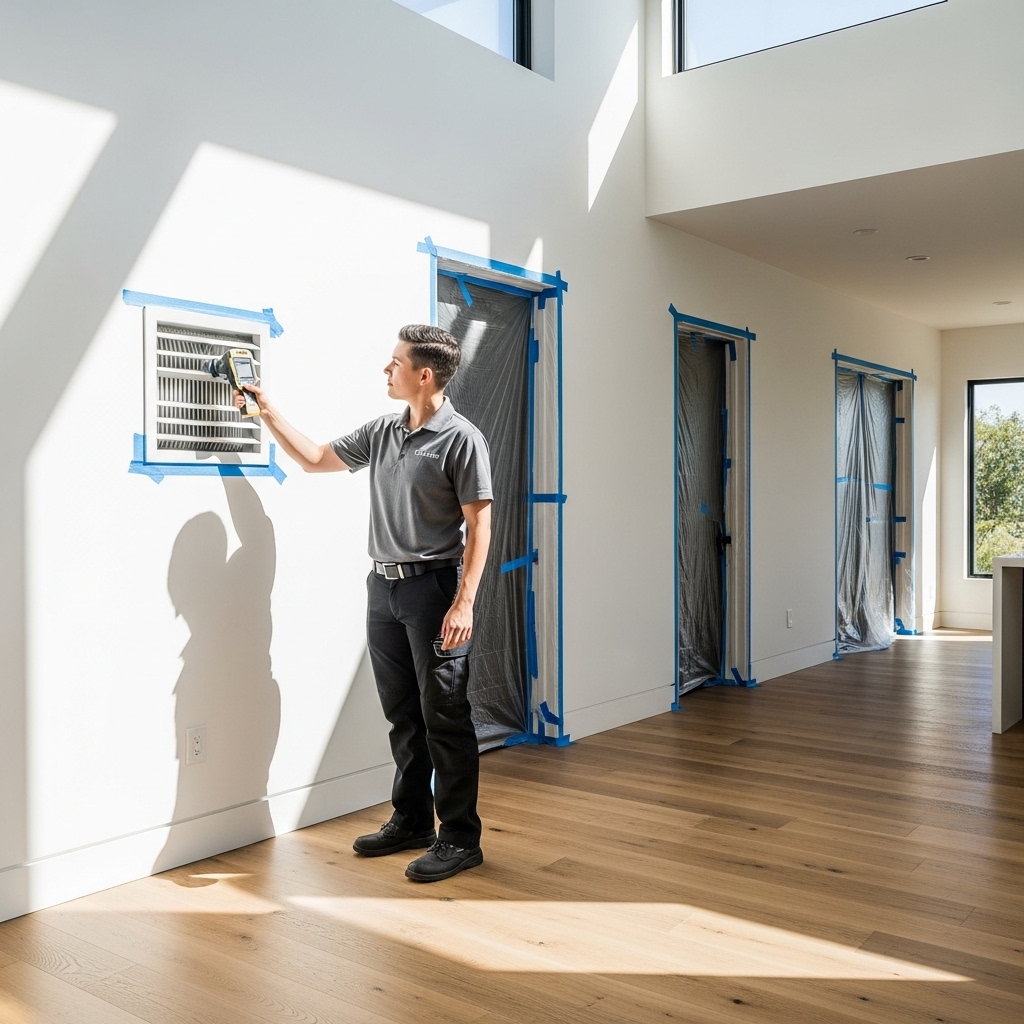
Consider how central air systems complicate the picture. You may shut the windows and still find a smoky note coming from the vents. That is because ducts can trap soot, then reintroduce it each time the system cycles. A professional plan includes careful protection of returns and supplies, deep cleaning when warranted, and filter upgrades during and after service. The result is not only a home that smells neutral but one in which the air remains clear after the crew departs, even when the HVAC kicks back on at night.
Comfort is also psychological. After a smoke event, many residents feel on edge, scanning for reminders in each room. When odors return or surfaces look dull, it reinforces the sense that the house has not recovered. A comprehensive approach breaks that loop by addressing every layer—from ceilings to contents—so you can exhale. That ability to feel at ease in your own space is a core reason this work matters.
Protecting Materials and Architecture
Malibu homes are not generic boxes. They are expressions of place, often with high-touch materials like hand-finished hardwoods, natural stone, plaster, and designer textiles. Smoke does not treat each material equally. Acidic residues can etch marble and cloud glass, and oily kitchen smoke can bond to paint. Professionals assess which surfaces require dry methods to avoid smearing and which can be treated with pH-balanced solutions that lift residue instead of driving it deeper. The importance of that judgment is hard to overstate. Using the wrong approach on the wrong surface can compound damage even as it appears to clean.
Electronics present a different challenge. Fine soot can lodge inside cases and across circuit boards, creating the conditions for shorts or corrosion. A common mistake is to power devices back on immediately after a smoke event. The safer path is evaluation and, when needed, specialized cleaning. Protecting these investments—and the work they support, from remote meetings to home recording studios—depends on understanding how smoke interacts with sensitive equipment.
Artwork, books, and collectibles also matter in this community. These items carry both monetary and sentimental value. Treatment for them often involves meticulous handling and, sometimes, offsite services that control temperature and humidity while odors are neutralized. The importance lies not only in preserving what can be saved but in documenting anything that cannot, ensuring a clear record for your insurer and peace of mind for you.
Why Local Context Changes the Equation
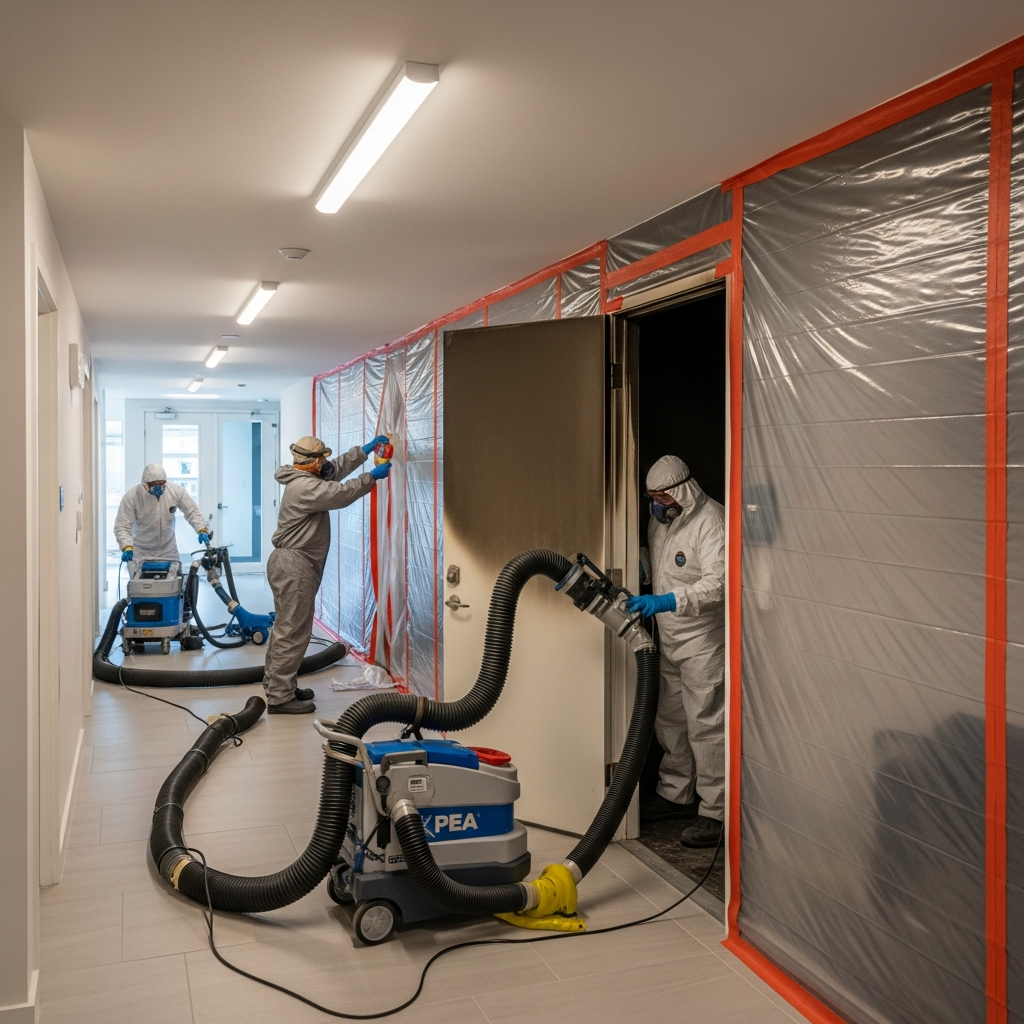
In Malibu, the story of smoke migration is written by the shape of the land. Canyon homes pull air like chimneys, drawing outside conditions through vents and any gap in the envelope. Beachfront properties contend with a marine atmosphere that, while refreshing on a July afternoon, becomes a partner in corrosion when mixed with soot. Those dynamics shape how a restoration plan is laid out—where to establish containment, how to stage negative air machines, and which rooms to prioritize. The importance of local experience is that it anticipates these patterns instead of discovering them after a misstep.
Construction methods add another layer. Open truss ceilings and clerestory windows are beautiful but can harbor residues on inaccessible ledges or inside light housings. A team familiar with these details knows to check above the obvious and to use tools that reach without damaging finishes. Experience also informs chemical choices, since pH balance and dwell time matter greatly when dealing with natural materials. All of this translates into better outcomes and fewer surprises.
Neighbors and community rhythms influence logistics, too. Coordinating schedules around school runs on Pacific Coast Highway or working around temporary road closures after a regional event can make or break a project’s momentum. A team that operates here regularly plans for those realities, preserving time and reducing stress for everyone involved.
From Assessment to Assurance
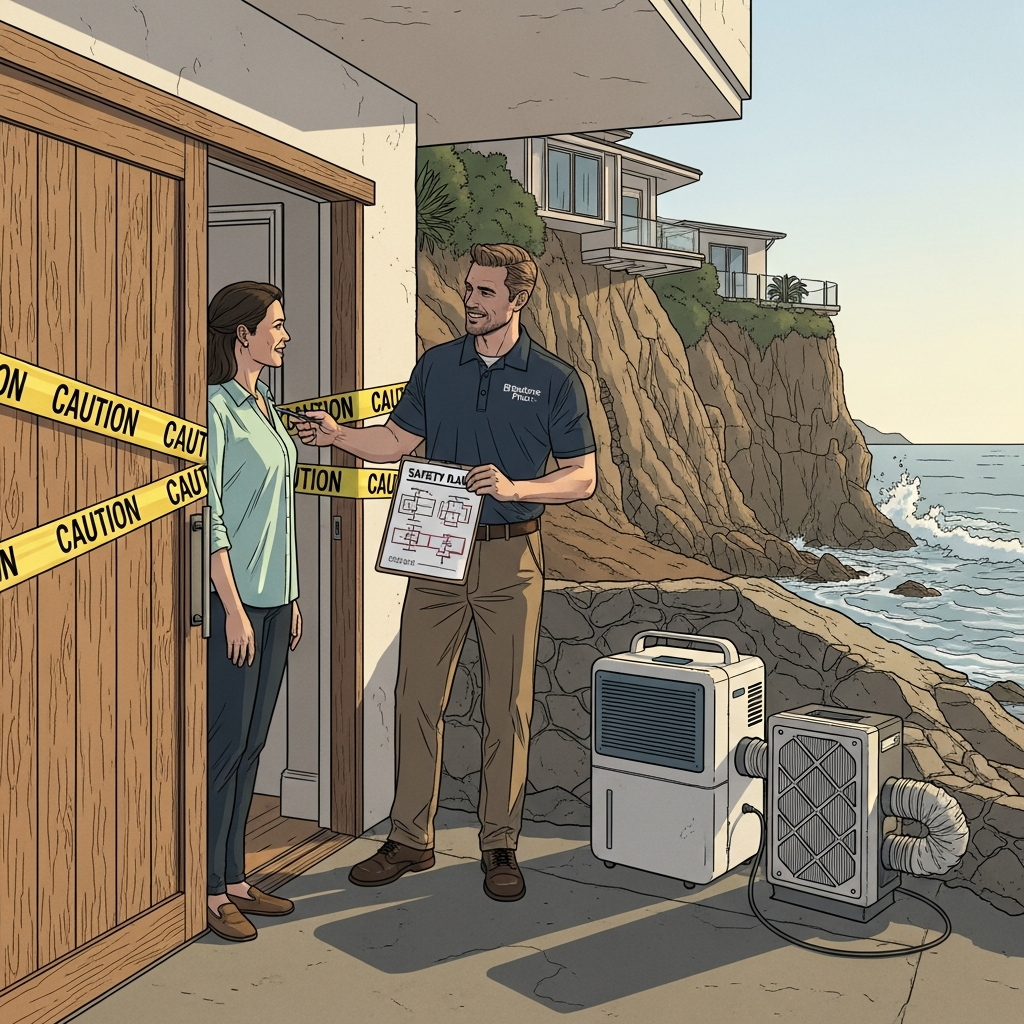
The process begins with listening—to you, to the home, and to the data collected on-site. A good assessment maps the pathways smoke likely followed, notes where soot is visible or suspected, and sets priorities. With that in hand, containment goes up to stop cross-contamination, HEPA filtration starts to scrub the air, and dry removal of loose soot protects surfaces that would be stained by wet cleaning. Only then do targeted wet methods and deodorization come into play, each chosen for the materials at hand.
Verification matters. The nose is useful, but instruments and surface testing build confidence that residues are truly gone. That means measuring particulate levels and checking areas such as inside cabinets and under toe-kicks where residues like to hide. When the final walkthrough happens, you should feel that the space is not just better; it is right.
Documentation supports that feeling. Photographs, logs of what was done and where, and a clear record for insurers reduce ambiguity. Instead of losing energy to paperwork, you can focus on getting back to normal and, if you wish, planning small improvements that make your home even more resilient.
Midway through many projects, homeowners report the moment when stress shifts to relief. Odors fade, glass gleams, and sleeping spaces feel calm again. That pivot is a reminder of why this work carries weight. It is not busywork; it is the path to a fully restored living environment. Keeping that objective in view is easier when you partner with professionals experienced in smoke damage restoration, because the process stays organized, paced, and accountable from start to finish.
Common Concerns Addressed
Many people wonder whether they should attempt the work themselves. Household cleaning can help in light scenarios, but without containment and the right sequence, you can spread soot and set stains. The more important question is risk. Breathing in disturbed particulates or pushing residues deeper into porous materials can make later restoration harder. A professional plan minimizes those risks.
Another concern is disruption. Malibu routines are full, and construction can feel like a burden. The best teams anticipate that, building schedules that protect sleep and work, defining quiet hours, and communicating when certain steps may be noisier or require areas to be vacated briefly. A project that respects your time is not a luxury; it is part of doing the job well.
Finally, there is the worry that odors will return weeks later. This usually happens when a hidden cavity was missed or when deodorization was used without full source removal. Done correctly, the work leaves no reservoir for smells to escape from. If something persists, it is a sign that an area needs another look, not that you have to live with it.
The Long View: Value, Wellbeing, and Resilience
Beyond immediate comfort, the importance of restoration shows up in property value and long-term resilience. A home that has been professionally treated and documented after a smoke event holds its appeal. Buyers in Malibu are discerning; they ask about history and maintenance. Being able to demonstrate that qualified professionals addressed a problem thoroughly strengthens confidence in the home and in you as a steward of it.
Resilience includes learning from the event. Perhaps that means sealing certain penetrations, upgrading filters seasonally, or adjusting routines during red flag days. Restoration teams can share practical insights gathered from years of local work—what to watch, when to ventilate, and how to prepare for the next season—so your home is safer and easier to maintain going forward.
Frequently Asked Questions
Q: If the smoke came from far away and there was no visible ash inside, does my home still need attention?
A: Often yes. Airborne particulates can be extremely fine and deposit evenly on surfaces and inside ducts without obvious soot marks. A professional assessment clarifies the extent and guides next steps.
Q: How does Malibu’s coastal air affect smoke damage?
A: Salt and humidity can accelerate corrosion when combined with soot, making timely neutralization and gentle cleaning especially important for metals, glass, and electronics.
Q: Will opening windows clear the smell on its own?
A: Ventilation helps only if outdoor air is clean and the source residues have been removed. Otherwise, odors tend to return as embedded particles off-gas, particularly in soft goods and hidden cavities.
Q: Can I use regular household cleaners on soot?
A: Many household cleaners are water-based and can set soot, smearing it and pushing it deeper. Dry removal followed by targeted solutions is safer for most surfaces.
Q: How do I know when the job is truly complete?
A: Verification combines odor assessment with surface and air measurements. Documentation provided at the end supports your peace of mind and any insurance needs.
When your home needs more than a quick airing out, choose a path that restores air, surfaces, and confidence. Reach out for an assessment and a tailored plan that respects Malibu’s unique environment and your schedule. Start now with trusted professionals in smoke damage restoration and feel the difference of a home that is truly and fully renewed.