Talking about the cost of recovering from smoke damage in Malibu is really a conversation about scope, materials, timing, and expectations. No two homes here are alike, and that makes every project a unique puzzle. From hillside estates with expansive glazing to beachfront condominiums where marine air meets fine ash, the conditions that shape a restoration plan also shape budgeting discussions. The smartest first step is to clarify the factors that truly drive outcomes—how smoke migrated, which finishes were affected, and what it will take to return the property to pre-loss condition. A careful evaluation leads to fewer surprises, less back-and-forth with insurance, and a smoother path home. Early coordination with experienced smoke damage restoration professionals helps set expectations and align a plan that fits your needs.
Malibu’s environment introduces nuances that aren’t always obvious at first glance. Onshore humidity can intensify the corrosive nature of soot on metals and electronics, while canyon winds can create unusual deposition patterns. I have opened utility closets on cool mornings to find a stronger odor than the day before because heavier air let fine particles settle. Understanding these patterns lets professionals target the hidden pockets that often expand the scope if they’re missed. When homeowners think about cost, they often picture visible cleaning—walls, counters, and flooring. But the most meaningful drivers can be invisible: inside HVAC returns, behind built-ins, or in textiles that were handled before particles were stabilized.
How scope takes shape
Scope begins with assessment. Detailed readings and surface tests show where soot is present and what kind. Dry soot, oily residues, and protein-based smoke behave differently and require different chemistry and techniques. Malibu homes frequently blend plaster, natural stone, custom woods, and metal accents. Each responds to smoke in a unique way. Testing determines whether a stain will lift, whether a poultice is needed on a stone shower wall, or whether a sealer might be required after deodorization. When these questions are answered up front, the plan becomes clear and the project avoids expensive detours later.
Square footage matters, but it does not tell the whole story. A compact home with extensive built-ins and designer fabrics may involve more detailed work than a larger, minimalist space. The number of rooms, the quantity of contents, and the intricacy of finishes shape how many technician hours are needed. The presence of specialized areas—wine storage, home theaters, music studios, or gallery walls—also influences the plan because they demand specialized cleaning, gentle handling, and sometimes third-party expertise.
Timing and why it matters
Time has a way of changing smoke. Residues can settle deeper into porous materials, and Malibu’s coastal moisture can contribute to secondary effects like light corrosion on fixtures or faint discoloration on unsealed wood. Prompt stabilization—air management, dry removal of loose particles, and protection of vulnerable surfaces—helps keep the scope contained. Delays can mean more steps later and a longer path to resolution. This is why seasoned restorers urge homeowners to start with an assessment early, even if full work must be scheduled a bit later. It preserves options and allows for thoughtful planning rather than reactive decisions.
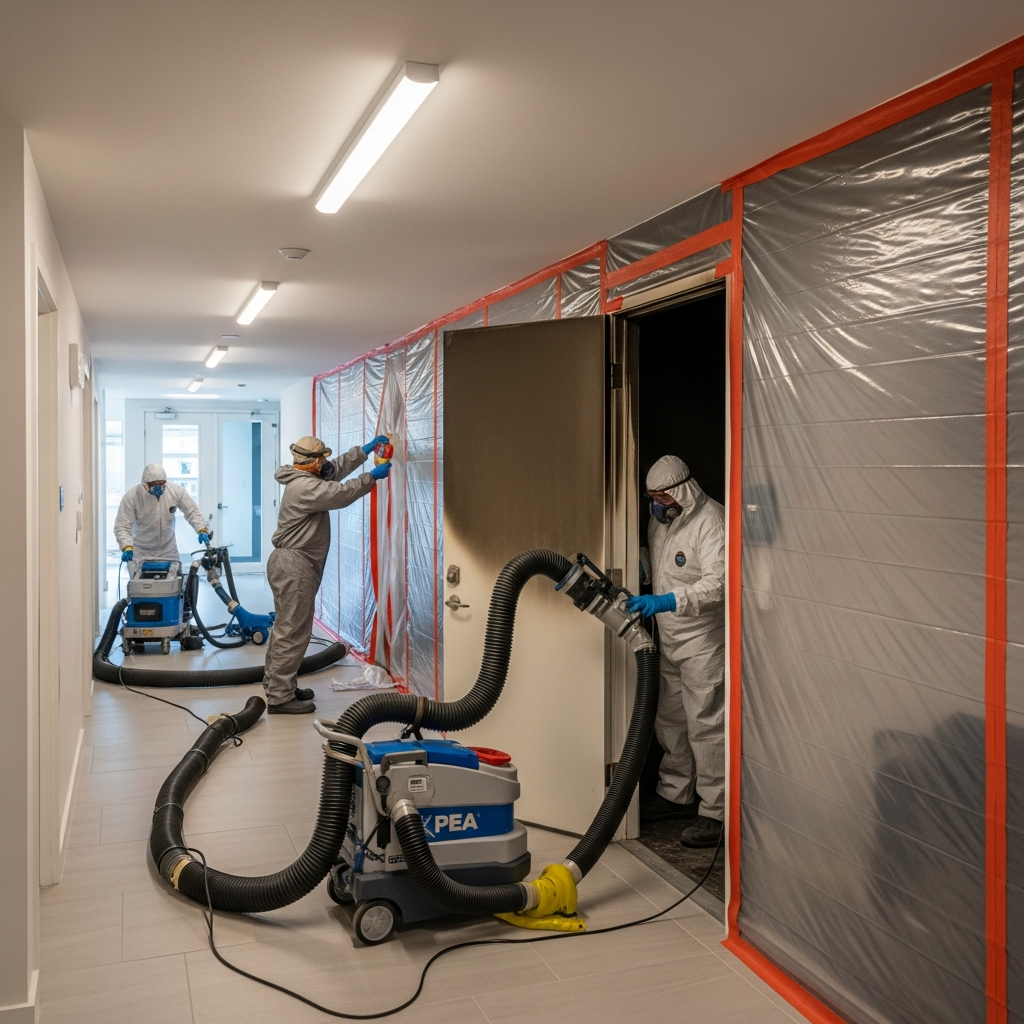
Another timing factor is occupancy. Projects proceed differently when families remain in part of the home versus when the property can be vacated. Sequencing zones to minimize disruption takes planning and often adds touches like temporary containment, more frequent filter changes, and additional cleaning passes on circulation paths. All of this protects clean areas and supports daily life, though it does require careful coordination.
Contents, textiles, and the decision tree
Contents play a large role in shaping the work. Malibu homes often mix everyday items with heirlooms and curated pieces. Clothing, upholstered furniture, and area rugs can trap odors even after surfaces are cleaned. Professionals will help you decide what is cleaned on-site, what moves to an off-site facility, and what should be evaluated by specialty providers. This triage process is not just about technique; it also affects timeline and overall effort. The more precisely this is planned, the smoother each phase becomes. It can be tempting to move quickly, but methodical sorting prevents re-contamination and reduces do-overs.
Electronics deserve a moment of attention. Even light soot can be conductive, and marine air along the Malibu coast may accelerate wear. While many devices clean well, sensitive equipment sometimes benefits from inspection by electronics restoration specialists. Coordinating these evaluations early prevents surprises when you power systems back up.
Communication and documentation
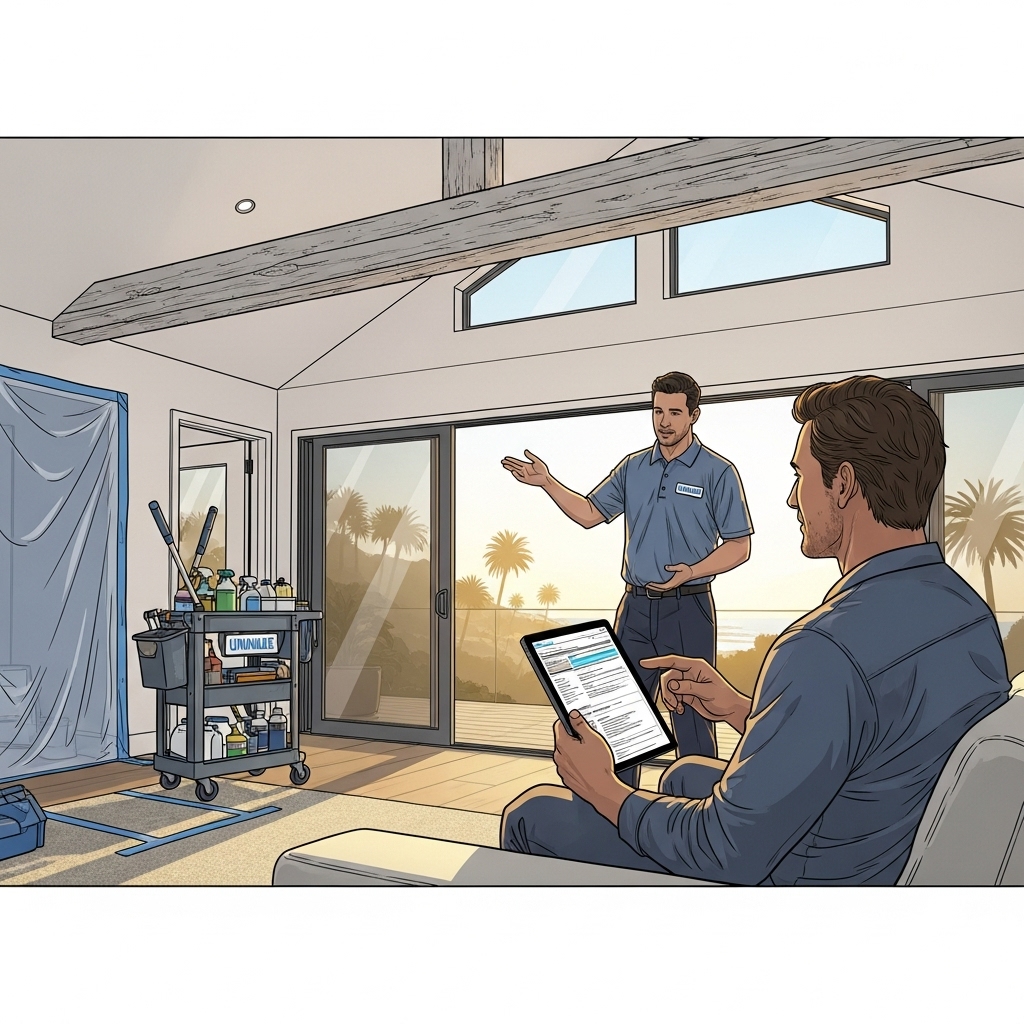
Clear communication is an underrated driver of efficiency. When your restoration partner explains each step, you can make decisions confidently and quickly. Detailed photo logs, surface test results, and day-by-day progress notes form the backbone of documentation for insurance. Well-documented projects tend to move more smoothly through approvals because they show not just the “what,” but the “why.” In Malibu, where many homes include custom finishes, these notes also provide a record for future maintenance decisions.
Expect to see a room-by-room plan that identifies containment zones, ventilation strategies, and cleaning techniques tailored to materials. Ask how progress will be verified—particle counts, odor checks, and post-cleaning inspections are common. A disciplined verification process ensures you get the outcome you’re expecting rather than a quick once-over that seems fine for a week and then backslides.
Factors that expand or contract effort
Several practical realities shape the amount of work. The first is how smoke entered the home. If windows or doors were open during an event, particles may have penetrated deeper and deposited more heavily. HVAC operation is another factor; if the system cycled during the event, returns and duct interiors may have collected residues that redistribute whenever the fan runs. Exterior spaces also influence the indoor environment. Patios, outdoor kitchens, and balcony furnishings can serve as reservoirs that transfer ash back inside on shoes and breezes if not addressed.
Material porosity impacts the process. Unsealed stone, open-grain woods, and matte paints require more careful steps than sealed, non-porous surfaces. So does the presence of textured finishes that tend to catch fine particles. In closets, textiles and shelving liners can hold odors; a thoughtful plan removes, cleans, and returns items in a way that prevents re-soiling. Every one of these details adds up to either a streamlined effort or repeated touch-ups if they are overlooked.
Insurance considerations and alignment
Most homeowners approach this conversation with an insurance policy in hand. Smoke is typically considered a covered peril, but the specifics of coverage vary. Documentation and clarity around cause, extent, and method are essential. The best restoration teams in Malibu understand the rhythm of claims, prepare reports that speak the carrier’s language, and advocate for the steps necessary to return your home to its pre-loss condition. They coordinate with adjusters, answer technical questions, and provide samples or test results when a decision hinges on a particular finish or treatment.
Part of setting expectations is discussing alternatives. In some cases, surfaces respond to cleaning; in others, they are best sealed; and occasionally, replacement is the most prudent path. Understanding these branches at the outset helps everyone see the destination and the reasons behind each choice. Experienced teams explain options clearly and match them to your preferences and the home’s character.
Local realities in Malibu
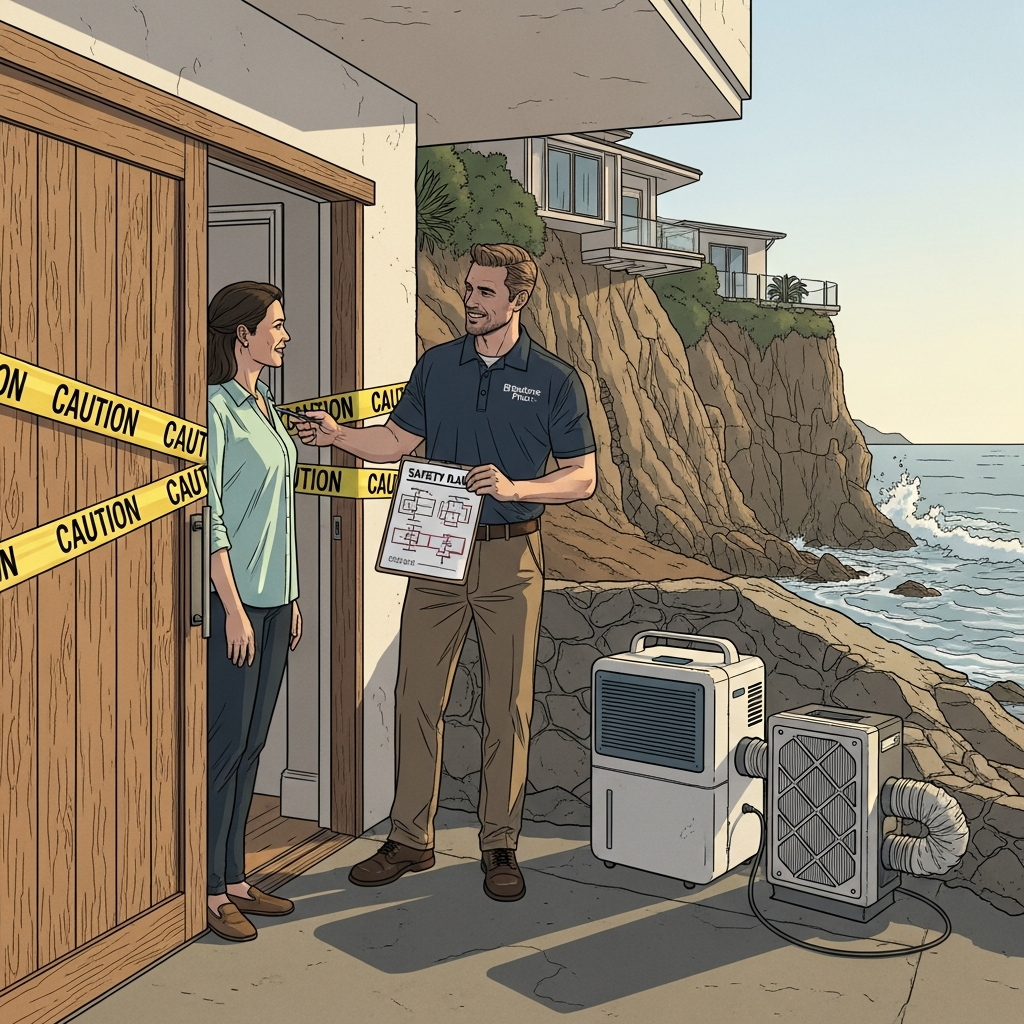
Malibu’s coastal canyon landscape shapes both the problem and the solution. Homes near the water experience daily moisture shifts, while hillside properties face gusty winds that can push smoke through tiny openings. The architectural palette—plaster walls, steel accents, reclaimed beams, and stone floors—requires thoughtful chemistry and technique. This is not the place for one-size-fits-all methods. The best outcomes come from professionals who know how these materials behave and who measure success not just by what you see on day one, but by how the home feels in a week when fog rolls in or the Santa Ana winds blow.
Midway through a well-run project, you should see containment in place, equipment maintained and repositioned as areas clear, and a steady cadence of updates. Expect your team to revisit high-touch areas and to refine the plan in response to verification tests. These are good signs. They show that your restoration partner is not only working hard, but also working smart. It’s during this middle stretch that many homeowners want reassurance about progress and next steps; that’s the moment to ask questions and confirm how smoke damage restoration techniques are being tailored to each room.
What to expect from day one to done
On day one, the goal is stabilization and clarity. Air control, dry removal where appropriate, and protection of vulnerable materials set the stage. In the following days, methodical cleaning, targeted deodorization, and contents handling bring the project into focus. You should expect courtesy, care, and transparent explanations. You should also expect honest conversations when decisions are needed—whether to spend extra attention on a specific piece, whether a closet should be emptied and treated more thoroughly, or whether a finish would benefit from sealing after cleaning.
As rooms clear, your team will open areas for regular use while work continues elsewhere. This gradual return helps restore normal life and often provides a psychological lift. Toward the end, verification becomes the star: odor checks in humid morning air, particle sampling, and visual inspection under proper light. Only then does final cleaning and reassembly tell you the project has truly landed. In Malibu, where salt air and sun test materials daily, this level of care makes a difference that lasts.
Frequently asked questions
Why do two similar-sized homes end up with different restoration plans?
Square footage is just one dimension. Material choices, the way smoke entered, HVAC operation, and how contents are handled create vastly different scopes. A home with open-grain wood and custom textiles will demand a different approach than one with sealed surfaces and minimal furnishings.
How do professionals decide between cleaning, sealing, or replacing?
Testing guides the decision. If residues can be removed without altering the finish, cleaning is preferred. When a surface remains slightly affected but structurally sound, a carefully selected sealer may lock in residual odor. Replacement is reserved for materials that cannot be effectively treated or where damage would remain visible.
Can my family stay in the home during the process?
Often, yes. Experienced teams sequence work to keep portions of the home accessible and comfortable, using containment and air management to protect clean zones. Certain odor treatments require vacancy, and your team will plan those steps around your schedule.
What role does documentation play in insurance coordination?
Documentation is the bridge between work on the ground and approvals. Photo logs, test results, and narratives explain why specific methods are necessary. This reduces delays and clarifies expectations for everyone involved.
How long will the odor linger?
With proper source removal and targeted deodorization, odor should fade steadily and then disappear. If odor persists, it often indicates a hidden reservoir—insulation, cavity spaces, or textiles. Verification and follow-up treatments address these areas so the result is lasting, not temporary.
Do outdoor areas matter?
Absolutely. Patios, balcony furniture, grill islands, and storage cabinets can hold residues that re-enter the home. Including these spaces in the plan prevents re-contamination and supports a true return to normal.
If you are weighing next steps and want a clear, professional plan that respects your home’s materials and your routine, speak with a local team that knows Malibu inside and out. Begin with a thoughtful assessment, then move with confidence through each phase. For perspective grounded in experience and a path designed around your home, connect with specialists in smoke damage restoration who can guide you from uncertainty to resolution.