Why Smoke Damage Restoration Brings Outsized Benefits to Malibu Homeowners
Living in Malibu means waking up to ocean light, canyon breezes, and the steady rhythm of the Pacific, but it also means accepting a climate that can turn on a dime during fire season. When smoke drifts across the coastline or a nearby hillside burns, it does not just pass by; it settles into roofing, crawls behind baseboards, and rides your HVAC system into every room. In those moments, choices made within the first few days can shape the long-term health of your home and everyone in it. That is where professional support reveals its true value—by halting damage that is otherwise invisible, persistent, and more corrosive than it first appears.
Early in the process, homeowners often ask whether they should wait and see if the smell dissipates. The short answer is that smoke residues are acidic and active, and time lets them migrate deeper into materials. Prompt, professional smoke damage restoration responds to that urgency with methods that do more than mask odors. It neutralizes corrosive byproducts, stabilizes surfaces, and removes contaminants that continue to off-gas. In Malibu, where coastal humidity and salt can amplify corrosion, speed and expertise amplify benefits, protecting finishes and electronics while keeping indoor air safe to breathe.
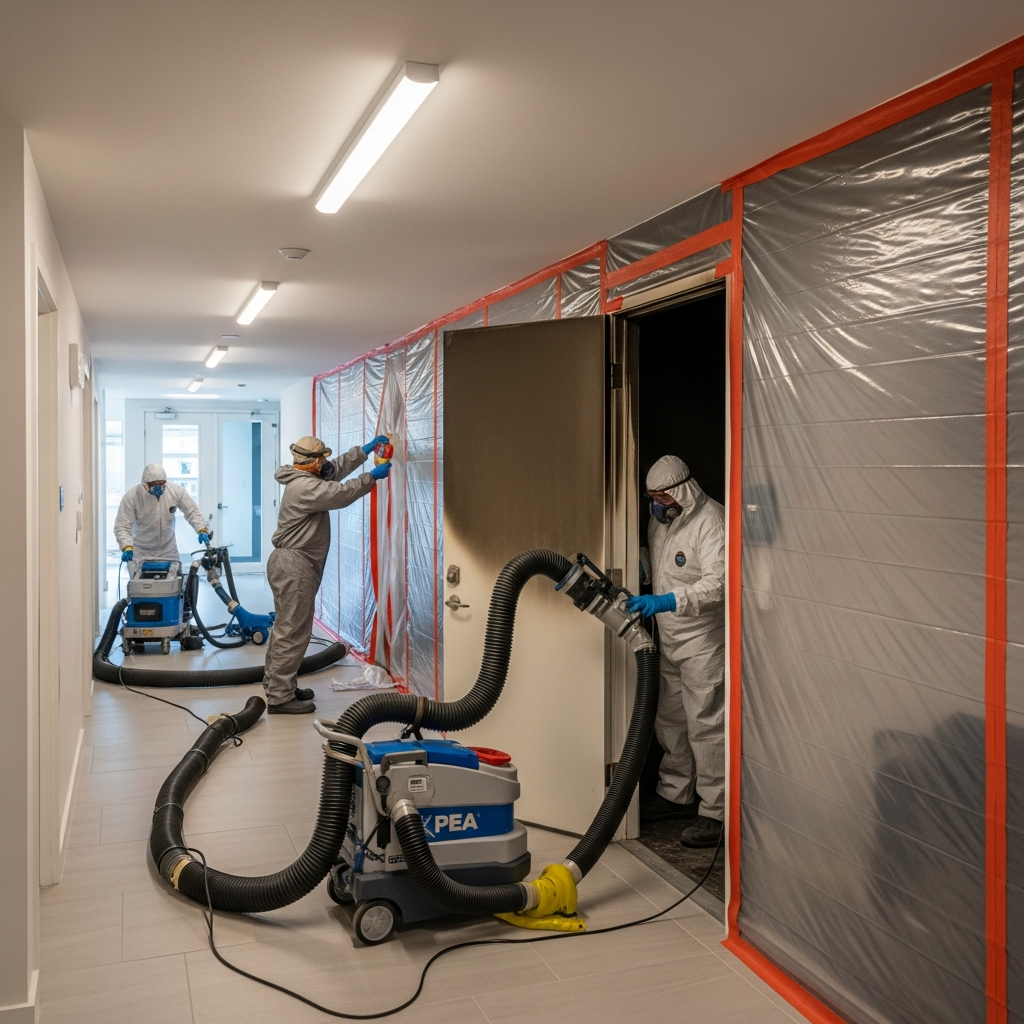
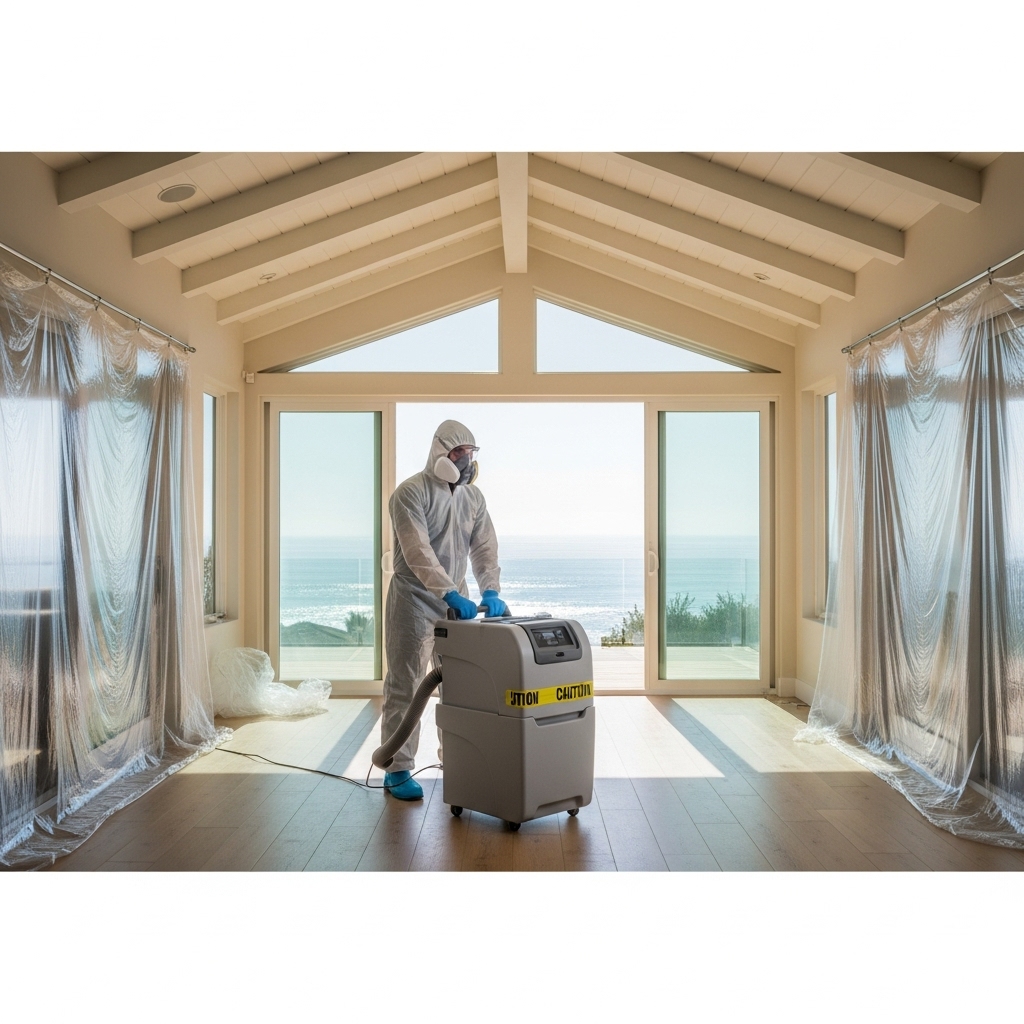
It is easy to underestimate the breadth of smoke’s reach. After all, a room that looks clean may still harbor ultra-fine soot that settled while you were evacuating. This particulate behaves more like a gas than a dust, riding air currents and sneaking through tiny gaps. In canyon homes with vaulted ceilings, skylights, and open floor plans, that dispersal can be especially pronounced. A professional team brings both the instruments to find what you cannot see and the containment strategies to prevent cross-contamination during cleanup. That careful choreography, from sealing off rooms to negative air pressure, is one of the quiet benefits that keeps a difficult situation from compounding.
There is also the benefit of decision-making support. In the aftermath of a fire event, whether it was a far-off wildfire that drifted smoke into your neighborhood or an appliance flare-up in your kitchen, you face dozens of choices—what to clean, what to remove, what to document for insurance. Instead of guessing, you get a clear roadmap: assessment, stabilization, removal of loose soot, deep cleaning and deodorization, and verification. Each step builds on the last to ensure the residues left behind do not continue to react with surfaces or resurface as odors weeks later.
Protecting Health and Indoor Air Quality
One of the most immediate benefits is air quality. Malibu residents know that ocean breezes are part of the area’s charm, which is why many of us keep windows open and outdoor living spaces integrated with indoor rooms. Unfortunately, that openness also lets smoke in quickly, especially during Santa Ana winds. Fine soot can irritate airways, trigger headaches, and linger inside ducts long after the sky looks clear. Professional restoration addresses this with a combination of source removal, mechanical filtration, and deodorization designed to reach where home cleaning cannot. You are not just making a room smell fresher; you are reducing the burden on your lungs and the lungs of your loved ones.
Consider how air moves through your home. Return vents pull air from living spaces, pass it through a filter, and send it back via supply vents tied to a maze of ductwork. Without proper cleaning, those ducts can act like a soot reservoir. A thorough restoration process includes careful HVAC attention with protective measures that prevent the system from dispersing particulates during service. The result is quieter nights and mornings without a smoky reminder every time the system cycles on.
Children, older adults, and anyone with asthma or allergies benefit disproportionately. Even if you personally feel fine, neutralizing irritants can prevent lingering symptoms and avoid the cycle of repeated DIY cleaning that stirs up residues without capturing them. The benefit here is comfort restored more quickly and a cleaner baseline for your home as the seasons change.
Preserving Building Materials and Finishes
Another major benefit is the quiet preservation of what you have already invested in—flooring, cabinets, stone, metals, and fabrics. Malibu homes often feature high-end finishes and custom craftsmanship: oiled hardwoods, natural stone, handmade tile, and designer textiles. Smoke residues do not treat these materials equally. They can etch marble, stain grout, dull metal fixtures, and settle into wood grain. The acids present in soot can react with moisture in coastal air, accelerating corrosion. Skilled restoration stabilizes those materials quickly, gently removes residues, and applies protective treatments where appropriate so the surfaces you love continue to look like themselves.
It is not only surfaces that benefit. Electronics—everything from kitchen appliances to home theater equipment—are sensitive to fine particulates that can bridge connections and cause shorts over time. Pro teams understand how to evaluate and triage these items, advising on when to power down, what can be cleaned, and what needs specialized inspection. Catching those vulnerabilities early can extend the life of expensive gear that otherwise might fail months after the event.
Then there are textiles and soft goods. Upholstery, rugs, and drapes can hold onto odor even after multiple attempts to air them out. Professional methods use controlled cleaning, drying, and deodorization technologies that go beyond perfumes, reaching the odor source and breaking it apart at a molecular level. That difference matters when you do not want a “campfire” smell to greet you every time you sit on your sofa.
Faster Recovery and Reduced Disruption
The emotional benefit of moving from chaos to clarity is difficult to quantify but easy to feel. You do not want your life defined by a month of chaos. Proper restoration compresses the timeline while avoiding shortcuts. Teams arrive with the right tools, materials staged, and a plan that sequences containment, cleaning, and post-clean verification. In a community where work, school, and coastal traffic create enough complexity, that steady cadence is a relief. It lets you get back to routines and opens your doors to guests without wondering what they might smell.
Another speed benefit is preventing secondary damage from setting in. Soot that sits on glass can etch if it is not neutralized in time. Metal fixtures exposed to a mix of smoke and salt air can develop tarnish and corrosion that will require more invasive refinishing later. By intervening early, you avoid that spiral. The result is less demolition, fewer replacements, and a home that still feels like yours when the process ends.
Support with documentation is an underappreciated advantage. Restoration pros photograph, tag, and log conditions, then share that record with insurers to smooth approvals and reduce back-and-forth. That detailed paper trail protects you, ensuring that discovered damage is not dismissed as pre-existing. When the stakes are personal and financial, that kind of backup can make the difference between a claim that drags and one that moves.
Local Knowledge: Malibu’s Microclimates and Materials
Malibu is not one environment; it is a patchwork of bluffs, canyons, flats, and beachside neighborhoods, each with a different airflow and moisture profile. That means smoke moves differently from Point Dume to Malibu Canyon to Serra Retreat. Understanding those patterns helps a crew decide where to look for hidden soot, how to set up containment, and which areas to prioritize. Homes near the beach can contend with salt-laden air that magnifies corrosion, while canyon homes encounter stronger wind-driven smoke. Restoration that is tuned to these nuances is consistently more successful.
Construction styles also vary widely. You might have a modern steel-and-glass volume or a classic ranch with vaulted cedar beams. Different materials require different pH-neutral cleaning solutions and techniques. A one-size-fits-all approach can damage finishes or leave residues behind. Local expertise reduces risk. It protects your property while achieving a more thorough result that holds up weeks after the team packs up.
Just as importantly, local teams understand the rhythm of fire season and the resources available during regional events. Coordination with adjusters, communication with neighbors about access, and timing around road closures or utility disruptions all become part of an efficient plan. That practical experience shortens delays and ensures that restoration does not stall while conditions shift.
From First Assessment to Final Verification
It helps to picture the full arc of a professional response. It begins with a calm, thorough assessment: where did smoke enter, how did it travel, which rooms show visual soot versus hidden contamination, and what do air and surface tests reveal? From there, the team sets containment to stop cross-contamination, employs HEPA filtration to clean the air, and starts dry soot removal from surfaces where dry methods are safer. Wet cleaning follows, using carefully selected solutions that neutralize residues without driving them deeper into porous materials.
Deodorization is not a single step; it is a strategy. After source removal, targeted techniques address remaining odor molecules in cavities and soft goods. This can include thermal fogging or other neutralization methods executed with the home’s architecture in mind. The aim is to eliminate, not disguise. Throughout, careful documentation records what was done, what improved, and what still needs attention. That transparency is a benefit in its own right.
Some homeowners are surprised to learn that verification is not merely a sniff test. It can include particulate measurements, surface testing, and inspection of ductwork. When the team says a room is ready, you have evidence. That assurance is what lets you sleep comfortably the first night back.
Midway through the process, the progress becomes tangible. Odors lighten, surfaces regain clarity, and daily routines return. It is an ideal moment to take stock and plan any optional improvements, from repainting a room that needed it anyway to resealing stone that will now resist spills better than before. In the middle stretch, many homeowners also appreciate being reminded of the big-picture goal: a healthy, fully restored home, not just a place that smells okay. Re-centering on that objective is why professional smoke damage restoration keeps momentum and avoids the trap of declaring victory too soon.
Real Malibu Scenarios and the Benefits They Reveal
Imagine a home above Broad Beach where smoke drifted in while the family evacuated. On return, the surfaces looked clean, but a slight tang lingered. The owners considered opening windows and waiting it out. Instead, they called in help. Thermal imaging found temperature discrepancies inside a wall cavity where soot had settled around recessed lighting. Addressing that hidden area early prevented long-term odor and staining. The benefit was not just a fresher-smelling living room; it was avoiding a costly wall repair months later.
In another case off Las Flores Canyon, a modest kitchen flare-up pushed greasy smoke into an open-plan living area. DIY cleaning smeared residues across painted walls, dulling the finish. Professional intervention reset the approach: dry sponging to lift soot, then controlled wet cleaning to break down oils safely. The repaint that followed used a sealer chosen to block any residual odor. The benefit was a finish that looked new again without replacing cabinetry or countertops.
For a hillside property with art and musical instruments, the benefit was preventive. Even though the fire was miles away, a faint haze had entered through a skylight gap. Sensitive items were evaluated and relocated; HEPA filtration ran continuously while affected rooms were addressed. The result was no warping of wood, no corrosion on metal strings, and no lingering scent on textiles. In each scenario, the advantage came from targeted expertise applied at the right time.
What You Can Expect as a Homeowner
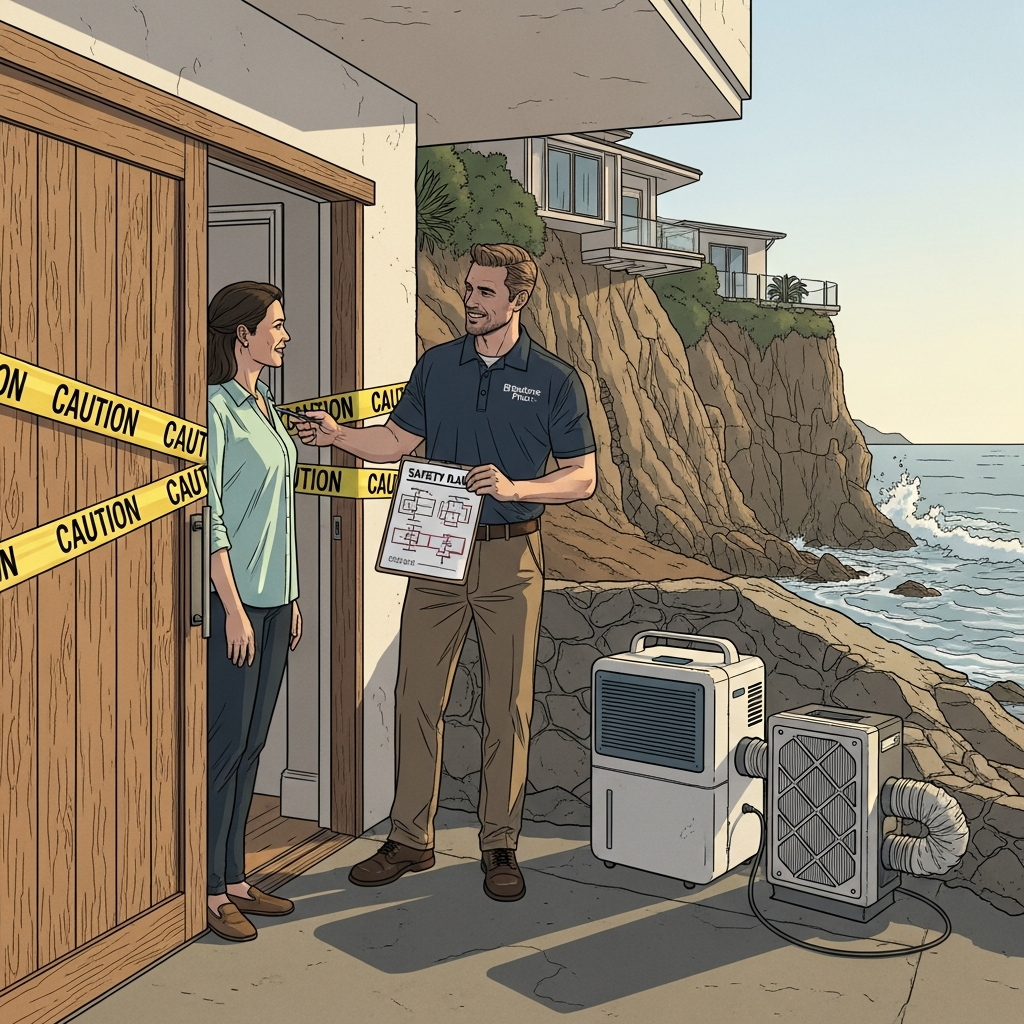
Expect clear communication from the outset. A walkthrough that identifies priorities, a written plan, and a schedule that respects your routines all come standard in a well-run project. You should feel that you have a partner who explains choices and listens to concerns. You should also expect a home that is treated with care: floor protection, gentle movement of furnishings, and labeling of items for offsite cleaning if necessary.
Expect, too, a realistic discussion about what can be saved, what can be cleaned in place, and what should be removed. That clarity avoids disappointment later and helps you make informed decisions about sentimental items. When something cannot be restored safely, you will receive documentation for your insurer. When items can be restored, you will know the method and timeline.
As completion nears, the benefits accumulate. Quiet rooms free of odor. Windows that gleam. Air that feels light and clean. And, perhaps most importantly, a sense that your home has its personality back. Malibu homes are full of texture and light; proper restoration preserves that character while making the environment healthier and more durable.
Frequently Asked Questions
Q: If my home does not look dirty after a smoke event, do I still need a professional assessment?
A: Yes. Fine soot can be invisible yet acidic and harmful. A brief assessment can reveal hidden residues in HVAC systems, behind trim, or inside cabinets, preventing long-term odor and corrosion.
Q: How long does a typical project take?
A: It varies with scope, but many homes see significant improvements within days, with deeper cleaning and verification following over one to two weeks, especially when ductwork or textiles need focused attention.
Q: Will odors come back after the crew leaves?
A: When source removal and proper deodorization are completed and verification is performed, recurring odors are unlikely. If a smell returns, it often means an untreated cavity or material remains and should be re-evaluated.
Q: Can I remain in the home during restoration?
A: Often, yes, with containment zones and air filtration creating safe, comfortable spaces. In heavier cases, a brief stay elsewhere may be recommended during specific steps.
Q: What about electronics exposed to smoke?
A: Power them down and avoid use until evaluated. Fine particulates can cause delayed failures. Professionals can advise on cleaning and whether specialized inspection is warranted.
Q: Is there anything I should do before help arrives?
A: Avoid running your HVAC if you suspect it is contaminated, and do not wipe surfaces with water-based cleaners that can set soot. Gentle ventilation may help if outdoor air is clean, but containment is key once work begins.
Q: Will my insurance cover everything?
A: Coverage varies by policy and event. Thorough documentation and clear communication with your adjuster increase the likelihood of a smooth process and fair outcome.
When you are ready to protect your home, health, and peace of mind, choose a partner who understands Malibu’s unique environment and brings calm, proven methods to the task. Reach out today to discuss your needs, schedule an assessment, and take the first confident step toward complete recovery with professional smoke damage restoration. Your home deserves to feel like itself again—fresh, safe, and fully restored.