A Clear Path to Clean Air After Smoke in Malibu
When smoke intrudes on a Malibu property, the first sensation is often a subtle change in the air—a dryness at the back of the throat, a faint tang that doesn’t belong, and a haze that dulls the view of the water. Whether the source was a kitchen mishap, a distant wildfire, or a neighbor’s garage incident, the path forward is about far more than tidying up surfaces. It’s about restoring the rhythms of coastal living: the way windows open to a breeze without carrying an unwelcome scent, the confidence to cook without reactivating a sticky residue, and the comfort of knowing your HVAC is circulating truly clean air. That’s where comprehensive smoke damage restoration and cleanup services make the difference between a quick cosmetic fix and a lasting renewal.
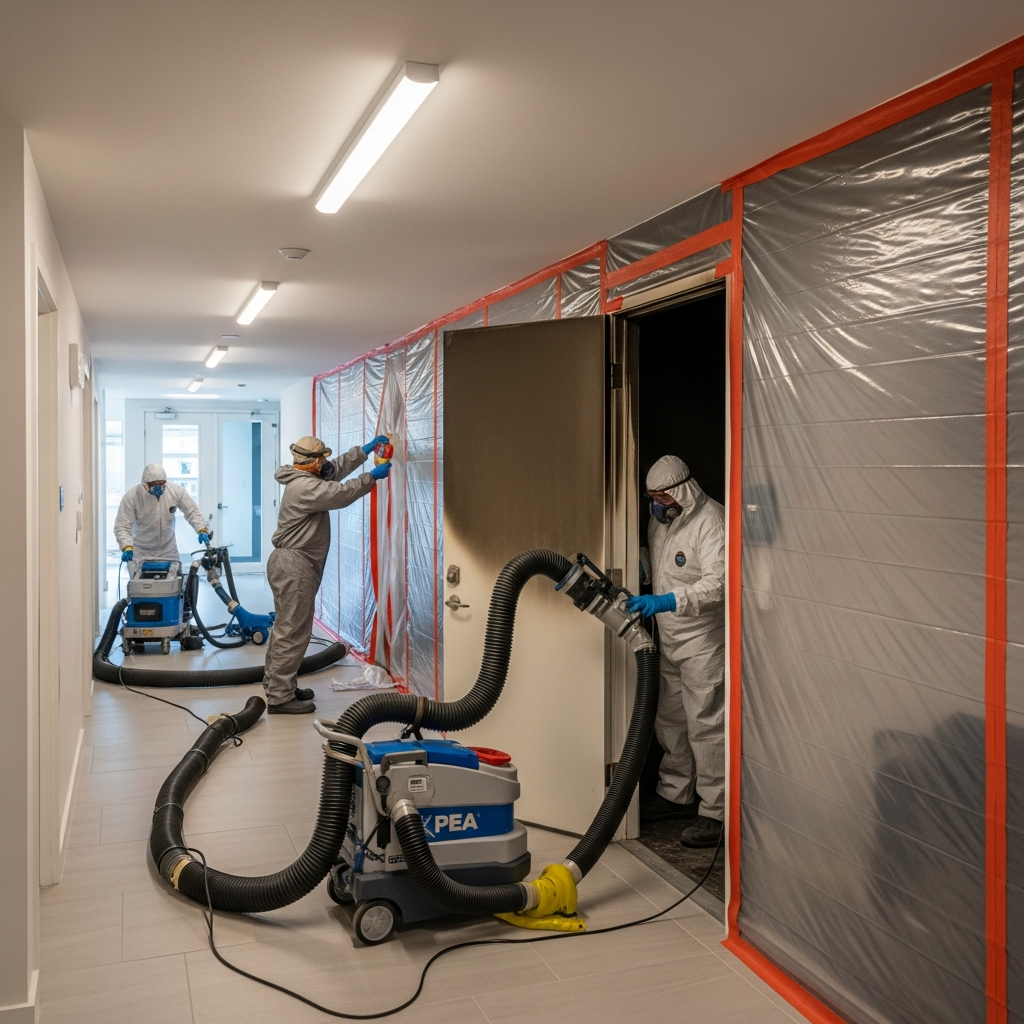
In Malibu, the interplay of marine moisture and canyon winds creates a dynamic environment for smoke behavior. Particles drift and settle in places we don’t always expect—upper shelves you rarely touch, soffits above cabinetry, the back sides of blinds, and the weave of rugs that seem untouched at first glance. The initial response aims to slow migration, capture what’s airborne, and prevent residues from embedding deeper. Containment and filtration aren’t dramatic, but they are foundational. They protect clean zones, guide airflow in productive directions, and allow each cleaning step to build upon the last.
From Assessment to Action: The Malibu Method
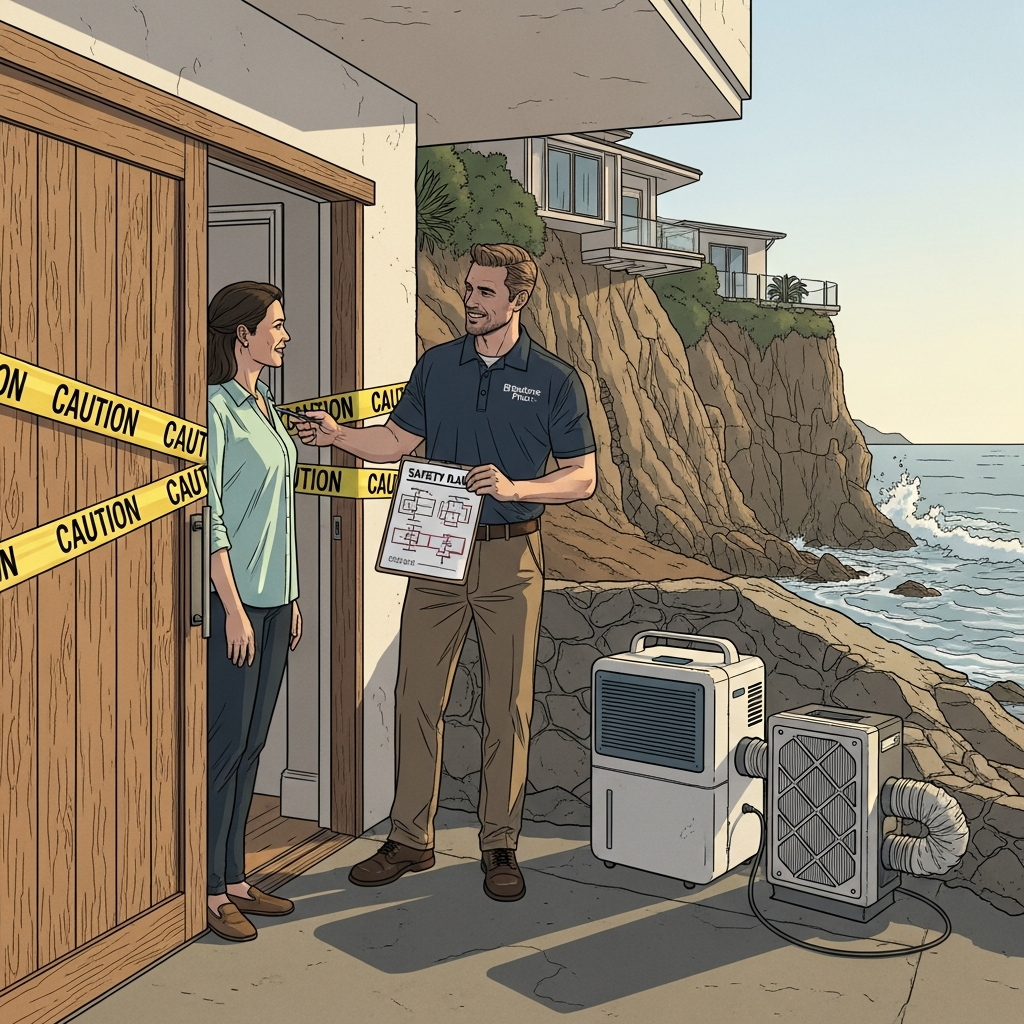
It starts with a walk-through that respects how you live. We look at entry points, which rooms felt the worst of it, where the air seemed still, and how the home breathes when windows are open. On the structural side, we identify surfaces by porosity and finish—painted drywall responds much differently to residue than hand-troweled plaster or natural wood. Kitchens and baths often require close attention because steam and heat can reactivate odors. Bedrooms and closets, quieter by nature, can harbor scents in fabrics that later drift back out when the weather warms.
Once we understand the map of exposure, we stabilize the environment. Returns are protected, filtration runs in the background, and pathways are set so technicians can move without tracking soot from room to room. This is where Malibu logistics come in. Tight driveways, hillsides, and coastal breezes require coordination so that equipment placement supports, rather than disrupts, the home’s natural airflow. When done well, the space begins to feel gentler even before full cleaning starts.
The Science of Removing Residues
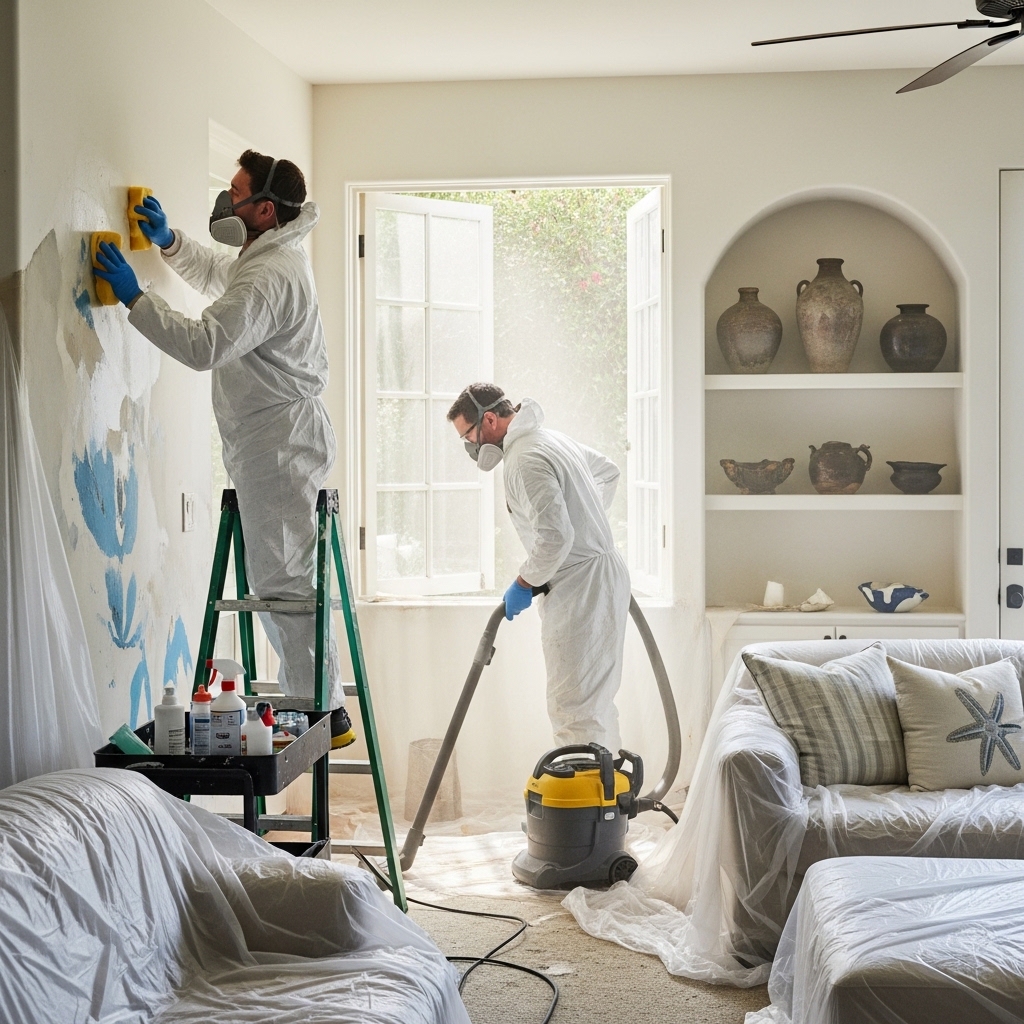
Residues differ depending on what burned. Natural vegetation creates a fine ash, while synthetics and plastics produce greasier deposits that smear if you rush them. Protein residues from cooking incidents cling tenaciously and release odor when warmed. Each type needs a tailored approach. Dry methods—HEPA vacuuming, gentle brushing with capture, and careful wipe-downs—often come first to control spread. Wet cleaning follows with solutions selected to break bonds without harming finishes. On wood and stone, we start mild and test discreetly to honor the material.
Soft goods deserve special care. Rugs, drapes, bedding, and upholstered furniture can look untouched yet hold onto microscopic particles that whisper back through the room. In some cases, on-site treatment with calibrated equipment is sufficient; in others, a short pack-out allows for controlled processing with specialized cleaning and deodorization. The goal isn’t just to remove odor today but to prevent it from resurfacing when humidity shifts or the heater first cycles on a cool evening.
Odor Neutralization, Not Masking
True deodorization reaches the sources hidden within pores and fibers. We use methods that are matched to the home and the people in it. In unoccupied settings or contained zones, tools like ozone may be appropriate; in occupied homes, hydroxyl generators and sorbent-based approaches often provide steady, safe odor reduction without introducing harsh fragrances. Sometimes thermal fogging is used selectively to chase odors into the same pathways smoke traveled. The art is choosing the right combination for Malibu’s open plans and sensitive finishes, and sequencing those steps so the house feels more natural each day.
HVAC systems require thoughtful handling. Filters are upgraded, returns shielded during active cleaning, and ductwork inspected for accumulation. There’s satisfaction in knowing that when the system runs, it supports the restoration rather than undoing it. In homes with advanced smart controls, we coordinate settings so filtration complements cleaning, not competes with it.
Protecting What Makes a Malibu Home Yours
Malibu homes are personal expressions: art collected on travels, surf gear leaning by the garage door, heirloom furniture passed through generations, and custom millwork that frames ocean views. Protecting those elements while restoring the indoor environment is a dual mission. Floor protection goes down before a single tool crosses the threshold. Delicate surfaces are covered, and pathways are mapped. When we handle contents, labels and photos create a record so items return exactly where they belong. With textiles and leathers, we choose methods that respect the hand and sheen of the material, ensuring longevity as well as cleanliness.
Outdoor living spaces often need attention, too. Smoke doesn’t confine itself to interiors. Cushions, umbrellas, and teak furniture may harbor residues that drift back indoors when doors and sliders are open. A complete service plan includes these areas so that the home feels balanced, inside and out. Restoring a Malibu lifestyle means you can throw open the doors on a warm evening and breathe easy.
Communication and Care Through Every Step
As with any important project, communication is the backbone of a calm experience. You deserve to know what’s happening, why, and when you’ll see the difference. We explain test results, share before-and-after photos of hidden zones, and confirm goals for sensitive rooms such as nurseries or music studios. A well-structured plan helps you make decisions along the way, such as which items to treat on-site versus off-site and how to schedule access without disrupting family routines. Malibu life is busy; restoration should be a support, not a setback.
Stories from the field affirm this approach. In one home tucked into the canyon, a light layer of soot looked manageable until we discovered accumulations inside skylight wells and behind a row of wall-mounted shelves. Another residence near the beach seemed fine until evening dampness reawakened scents in window drapery. In both cases, the turning point came when we followed the pathways smoke actually took—up high, behind, and beneath—and restored those hidden areas with as much care as the visible ones.
Mid-Project Choices that Enhance Results
Halfway through a project, decisions around airflow, staging, and sequencing can elevate outcomes. Keeping certain windows closed for a day to maintain negative pressure might feel counterintuitive when the ocean breeze beckons, but the payoff in cleaner results is real. Choosing a clean room for contents staging prevents re-exposure. Coordinating HVAC cycles with filtration keeps progress moving in the right direction. When homeowners understand these choices, they become partners in the process and see how each step leads to a space that genuinely feels like home again.
If you’re exploring methods or evaluating partners, reading up on established best practices in smoke damage restoration can help you ask the right questions. Look for a focus on containment, residue-specific cleaning, odor neutralization that reaches the source, and verification that results hold over time. A calm, methodical approach beats hurried shortcuts every time, especially in Malibu’s nuanced climate.
Verification: Knowing When You’re Truly Done
The final stage is confirmation. We revisit previously affected areas in different lighting and humidity conditions, run systems that might stir the air, and ensure that fabrics, cabinets, and high recesses remain neutral. Freshness should endure beyond a quick moment after cleaning; it should persist through a foggy morning, a sunny afternoon, and a cool, breezy night. That’s when you know the home has been restored, not merely tidied.
Frequently Asked Questions
What’s the first thing I should do after noticing smoke residues?
Once it’s safe, ventilate gently and avoid aggressive wiping that can smear residues. Contact a local team to assess and stabilize the space with protection and filtration so contaminants don’t migrate into clean zones or the HVAC system.
How do you handle delicate finishes and high-value items?
We begin with test cleaning in discreet spots and use the least aggressive effective methods. For high-value items, we document condition, select specialized treatments, and, if needed, relocate them temporarily for controlled processing.
Will my home smell fresh again?
Yes. When deodorization targets the source, not just the air, freshness lasts. That means treating porous materials, hidden cavities, and fabrics, and confirming results under different conditions to ensure durability.
Do you clean ducts as part of the process?
When indicated, yes. We assess accumulation, protect returns during active cleaning, and coordinate filter upgrades and duct cleaning so the system supports, rather than undermines, progress.
How long will the process take?
It depends on property size, material types, and the extent of residue. What you can expect is a clear plan with milestones and communication at every stage so you’re never left guessing.
Can I stay in my home during restoration?
Often, yes—with thoughtful staging and containment. Sensitive areas can be prioritized, and work scheduled around your routines. In some situations, temporary relocation of specific rooms or items ensures both comfort and efficiency.
What about outdoor spaces?
They’re part of the plan. Outdoor cushions, umbrellas, and furniture can hold residues that drift back inside. Treating those areas helps maintain a consistently fresh environment.
Will odors return with changing weather?
If sources are fully addressed, they should not. Confirmation under varied conditions is part of final verification to ensure results hold through Malibu’s daily shifts.
Return Your Home to Its Coastal Rhythm
When you’re ready for air that feels naturally clean and rooms that welcome you without a trace of yesterday’s smoke, bring in a team that understands Malibu’s unique conditions and the materials that make your home special. From containment to confirmation, every step is designed for lasting comfort. Reach out to local experts in smoke damage restoration and let’s map a plan that restores your space and your peace of mind.