Restoring Home Life After Smoke in Malibu
There’s a unique quiet to Malibu mornings—the soft hush of the ocean, filtered light over the hills, and a breeze that drifts through open windows. When smoke finds its way into that calm, the contrast can feel jarring. Whether it’s a cooking mishap, a distant wildfire that rode the wind, or a small garage incident, the experience leaves more than a scent; it unsettles routines. Residential smoke damage restoration is as much about restoring ease and confidence as it is about removing residues. The first step is understanding how smoke behaves in coastal homes and how a thoughtful plan brings warmth and normalcy back. Many neighbors begin with a conversation about professional smoke damage restoration to align expectations and map a clear path forward.
In our part of the coast, smoke is carried in complex ways. Marine moisture can make particles heavier, causing them to settle in quiet corners and high shelves rather than obvious surfaces. Afternoon heat, by contrast, can draw subtle odors out of materials and back into the air. The trick is to read the house like a map: where does air slow, where does it speed up, and where do you store fabrics and papers that might be absorbing more than you realize? Bedrooms and closets, with their quieter airflow, often hide more residue than a quick glance suggests. Kitchens and baths, with steam and heat, can reactivate odor even after a surface looks clean. Understanding these dynamics lets you prioritize effectively and avoid recontamination.
Stabilizing the Home, One Thoughtful Step at a Time
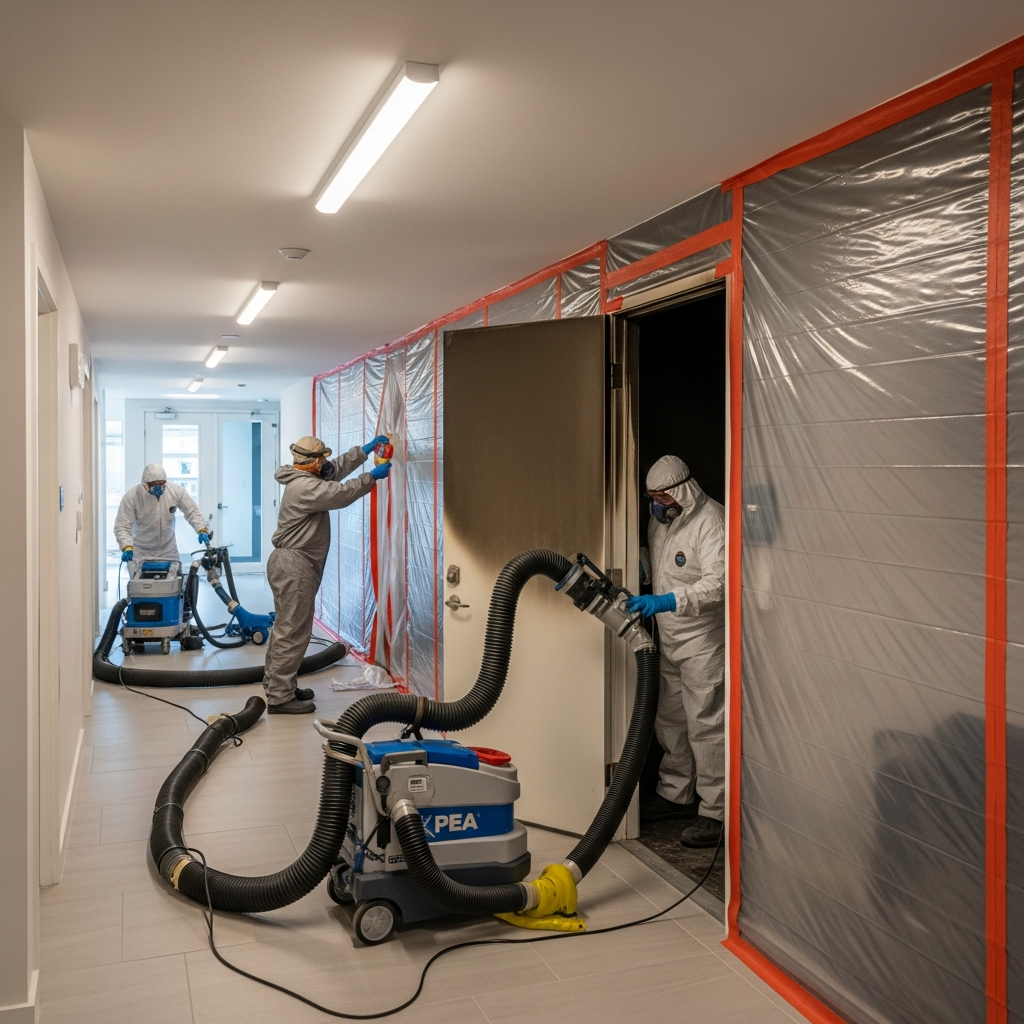
Restoration begins with stabilizing the environment. Protect returns and supply vents, control airflow with containment, and start filtration with HEPA equipment so particles go out rather than resettle. In Malibu’s varied architecture—open-plan rooms with skylights, wood beams, custom stone, and glass that frames the view—protection before cleaning is crucial. Floor runners and corner guards go down first; doorways are draped where needed; equipment is positioned to respect the flow of the home. When a house is prepared with that kind of care, the rest of the work feels natural and measured.
A detailed assessment follows. We identify residue types—fine ash from vegetation, greasy deposits from synthetics, stubborn protein residues from cooking—and decide which methods belong where. Dry capture often begins the process: gentle HEPA vacuuming, brushing with immediate capture, and careful wipe-downs that avoid smearing. Then wet cleaning steps in with solutions tuned to the surface. On natural wood or stone, we test in discreet spots and build a method that preserves finish and texture. It’s a patient craft that honors the materials that make a Malibu house feel like home.
Caring for the Things You Love
In residential settings, contents are personal. The quilts, the rugs that anchor rooms, the school art on the fridge, guitars leaning against an amp, and books by the window—they’re part of the story. Textiles often absorb odor even when they look fine. Treatment can happen on-site with specialized equipment, or occasionally through a short pack-out to a controlled environment where cleaning and deodorization proceed without introducing moisture or agitation that could harm fibers. The goal is to return each item clean, neutral, and ready to slip back into place without a second thought.
Leather and suede deserve special attention, as do fine woods and custom cabinetry. These materials respond best to gentle, residue-specific approaches. We’re careful with hardware, hinges, and small recesses where soot hides. In kitchens, protein residues cling to upper cabinets and can release scent when the oven warms. That’s why cleaning inside, underneath, and behind matters as much as what you can see on the surface. Bathrooms, with humidity from showers, benefit from thorough treatment of tile grout, cabinetry, and ventilation paths.
Odor Neutralization That Reaches the Source
Neutralizing odor is part chemistry, part patience. It’s not about covering scent; it’s about finding and addressing it where it lives. In homes that are occupied during restoration, hydroxyl generators and sorbent strategies help reduce odor gently, without heavy fragrances. In unoccupied zones, additional tools like thermal fogging or, when appropriate, ozone can be employed strategically. We use these methods with intention, following the same pathways smoke traveled so treatment reaches both obvious and hidden reservoirs.
The HVAC system is a key player. Protecting returns during active cleaning prevents residues from circulating, and filter upgrades support capture. Ductwork is evaluated and cleaned where indicated so that, once the system runs normally, it promotes a fresh environment. Coordinating thermostat schedules with cleaning stages ensures progress isn’t undone by a routine cycle.
Outdoor Living, Open Doors, and the Malibu Lifestyle
Malibu homes often blur the line between indoors and out. Smoke can settle on outdoor cushions, umbrellas, and teak furniture, only to drift back inside when sliders open. Including these areas in the plan keeps the interior from being re-exposed. There is a simple joy in opening windows and doors to the afternoon breeze; the restoration goal is to make that joy effortless again.
Seasonality plays a role, too. Foggy mornings and warm afternoons can change how a space feels from hour to hour. Verification takes these cycles into account. We check results under different conditions, ensuring the home remains neutral through the daily shifts that define life by the Pacific.
Communication, Comfort, and Respect for Routines
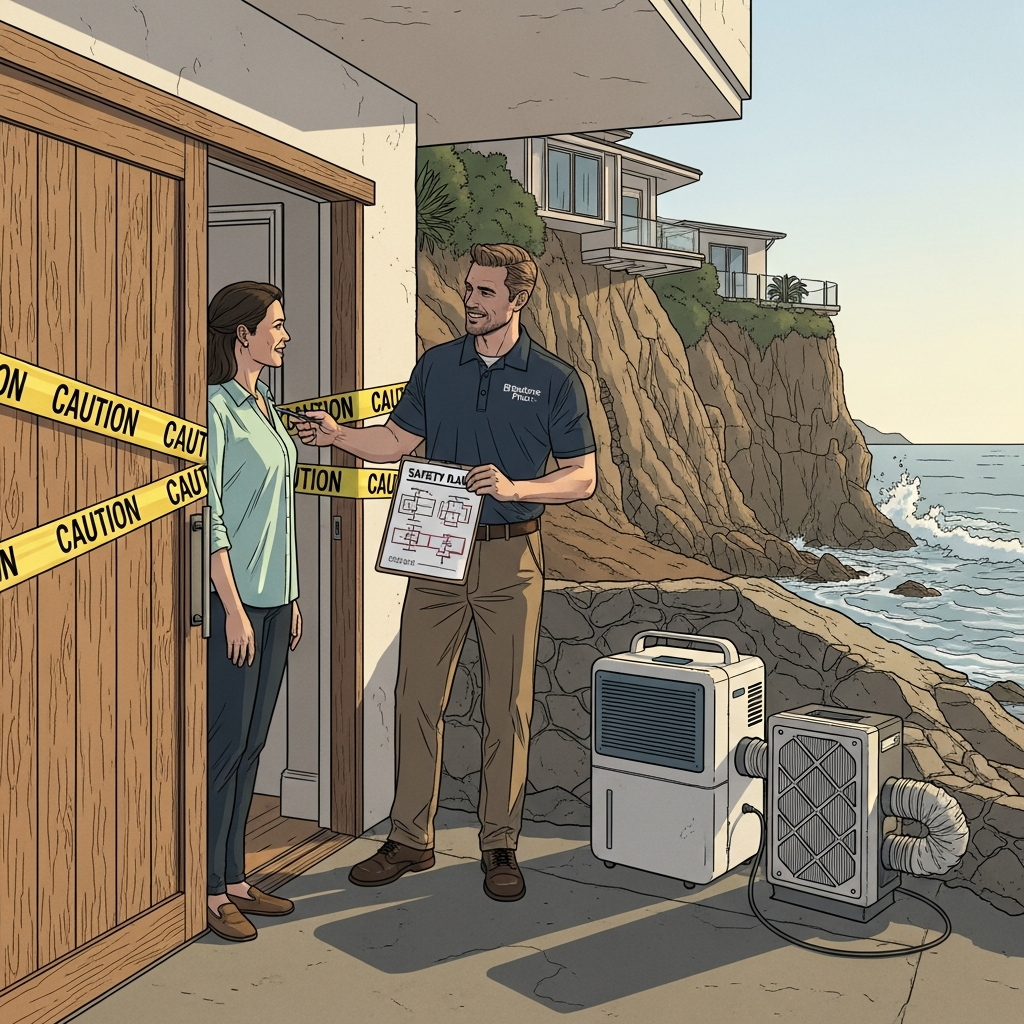
The human side of the process is as important as the technical side. Families have rhythms—school runs, work calls, pet naps, and quiet hours. A respectful plan aligns with those rhythms, prioritizing bedrooms, nurseries, or home offices first when needed. Clear communication reduces anxiety. You know what’s happening, why, and what comes next. Photographs of hidden progress—inside cabinets, under furniture, behind wall art—provide confidence that the space is truly being restored, not just refreshed on the surface.
It helps to think of restoration as a collaboration. Homeowners know their spaces intimately—the door that sticks, the room that gets warmer, the shelf that collects dust. Technicians know smoke’s behavior. Together, you map a route that achieves lasting freshness and comfort.
Stories from Malibu Homes
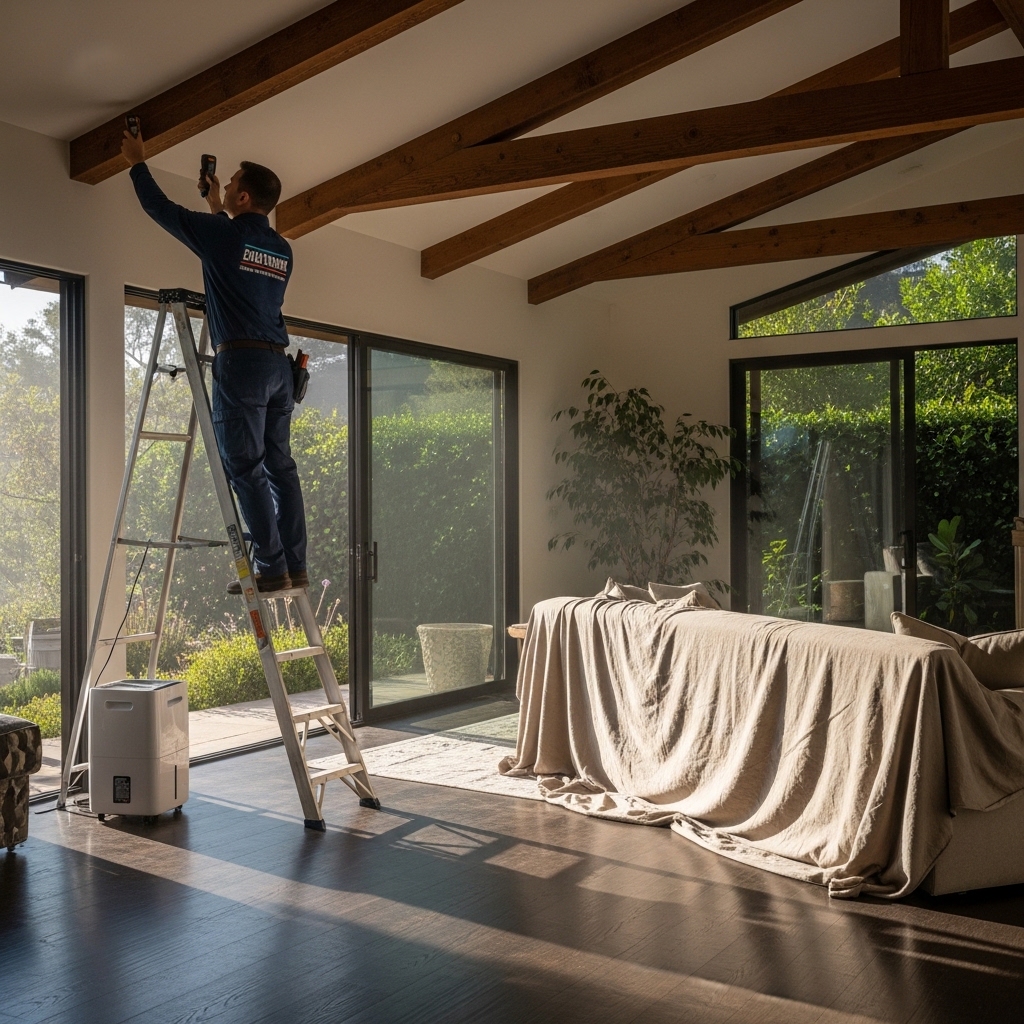
In a cottage near the water, everything seemed fine until nighttime dampness pulled scent from thick drapery. Treatment of the drapery hardware and hidden folds solved what surface cleaning couldn’t. In a hillside home, an open beam ceiling held residues high above view; careful access and cleaning, followed by methodical deodorization, made the difference between a room that looked clean and one that felt clean at the end of a long day. Another residence saw faint odor return each time the heater started; the source was a thin layer within a return duct that finally released its grip after targeted cleaning and filter changes.
These experiences reinforce a simple truth: the most important work often happens where you don’t think to look. Malibu’s beauty lies in its details, and so does successful restoration.
Mid-Project Choices that Shape Outcomes
At the midpoint of a residential project, choices about airflow, staging, and sequencing shape the finish line. Sometimes the best decision is to keep a favorite window closed for a day to maintain negative air, or to stage contents in a room that’s already been cleared so they don’t pick up residues from ongoing work. It’s not forever—it’s a small trade for a cleaner, more stable result. If you’re learning about techniques or comparing approaches, reading up on proven smoke damage restoration practices can give you vocabulary to ask helpful questions and feel confident in each step.
For families with sensitive individuals, we incorporate gentler agents where possible and tailor schedules around rest times. Pets are considered in planning so doors don’t become escape routes during ventilation. Respect for the household is the foundation of everything else.
Verification: Living with the Results
Final verification is more than a checklist. We revisit the home at different times of day, open and close doors and windows, and cycle the HVAC. Textiles are checked by touch and scent, cabinets by a gentle swing of a door, and high recesses by careful inspection. The house should feel the same kind of clean on a cool morning as it does after a sun-warmed afternoon with the deck doors open. That consistency is the hallmark of a restoration that will hold up through seasons.
Frequently Asked Questions
Can we remain at home during restoration?
Often, yes. With thoughtful containment and staging, families can stay comfortable. Sensitive rooms can be prioritized, and schedules aligned with daily routines so disruption is minimal.
How do you protect finishes and cherished items?
We test discreetly, choose the least aggressive effective methods, and document contents for any needed off-site treatment. Floor and surface protections go down first, and pathways are planned to keep clean areas clean.
What if odor returns when the weather changes?
That usually points to hidden residues in porous materials or HVAC paths. A focused follow-up on those zones resolves the issue. Verification under varied conditions is part of the plan to prevent surprises.
Will the HVAC spread residues?
Not when managed correctly. Returns are protected during cleaning, filters are upgraded, and ducts are evaluated and cleaned when indicated so the system supports, rather than undermines, progress.
Do outdoor areas need attention?
Often they do. Cushions, umbrellas, and furniture can hold residues that drift back indoors. Treating those items helps keep the interior fresh when doors and windows are open.
How long does it take?
It varies by home size, materials, and residue extent. What matters most is a clear plan with milestones and steady communication so you always know what comes next.
Is deodorization safe for families and pets?
Yes, when chosen and managed wisely. In occupied homes we favor gentle, effective methods and coordinate ventilation. We explain the options so you can make informed decisions.
Can treasured textiles and furniture be saved?
In many cases, yes. With careful, material-specific treatments, textiles and furnishings can be restored to a clean, neutral state, ready to live with again.
Welcome Back to the Home You Love
When you’re ready to restore ease, comfort, and that unmistakable Malibu lightness to your home, choose a team that respects both materials and routines. With attentive planning, gentle yet thorough cleaning, and source-level deodorization, your rooms can feel naturally fresh again. Reach out to local professionals in smoke damage restoration to map a plan that fits your space and helps you feel settled from the first morning breeze to the last light over the hills.